Előnézet
 Megosztás
 Megosztás
 Részletek
 Útmutató

 Letöltés
 Hasonló darabok
 X-ray felvétel
 Diavetítés
 Statisztika
Dead Roe
 Oil On Canvas
- WallArt
- Rococo Painting
 1721
1721 193.0 x 260.0 cm
 Wallace Collection
 Tovább olvasom
Kézzel készített olajfestmény reprodukció
Kézzel festett olajvastú vászon, az Ön által választott méretben és keretben, művészeink készítik meglévőre. ( Váltás nyomtatványra Áttérés digitális képre)




P118B Ft10

P118H Ft10

P118W Ft10

P438Z Ft10

P508JH Ft12

P508YH Ft12

P805H Ft10

P805Z Ft10

P919BZ Ft10

P919G Ft10

P919XJ Ft10

P959ZH Ft10

P968JZ Ft12

W106C Ft8

W218G Ft10

W218JH Ft8

W218Y Ft10

W307PJ Ft10

W316G Ft10

W316PJ Ft8

W316Y Ft10

W398PJ Ft8

W4111J Ft10

W500HY Ft15

W500JH Ft15

W692G Ft12

W849H Ft8

W940BG Ft15

W953PJ Ft8




Válasszon előre meghatározott méreteink közül, amelyek megfelelnek a műalkotás eredeti arányainak.

Írja be a kívánt szélességet és magasságot, hogy illeszkedjen a keretéhez vagy a falához. Mivel ez kézzel festett alkotás, egy eltérő formájú méret esetén a művész akár festhet is valamivel többet a kép körül, vagy korolathat is belőle — az Ön döntésének megfelelően. A festés megkezdése előtt küldünk egy digitális tervezetet jóváhagyásra. Az oldalon látható kép nem tartalmazza a végeredményt — csak a tervezet mutatja meg a valódi eredményt.
A rendelést követően a OriginalUniqueArt.com csapata e-mailt küld az ügyfélnek az instrukciókért, és biztosít egy előnézeti képet (mockup).
Világszerte elérhető szállítás () 3-4 hét alatt a szokásos 5 hét helyett. (21 október). A minőség nem kérdőjelezhető.

Ingyenes globális expressz szállítás

Prémium minőségű len vászon

Teljes körű szállítási biztosítás

Vámvisszatérítési Garancia

Tökéletes színarányosság garancia

100 napos visszaküldési garancia (csak gyártási hibás termékek esetén)

100% pénzvisszatérítési garancia

Több darab vásárlásakor kedvezmény
 Az üvegkeretes opció csak 110 cm alatti méretben érhető el

Dead Roe
Reprodukciós technika
Reprodukció méretei
-


Összesített ár
Ft 94790
Jean-Baptiste Oudry’s “Dead Roe”: A Study in Baroque Elegance and Hunterly Reflection
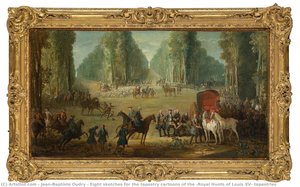
Jean-Baptiste Oudry's "Dead Roe," completed in 1721, is more than a simple hunting scene; it’s a meticulously crafted tableau of observation, restraint, and the poignant beauty found within mortality. Housed within the Wallace Collection in London, this oil on canvas painting offers a rare glimpse into the Rococo sensibilities of a master artist who skillfully blended naturalism with aristocratic patronage. Oudry, born in Paris in 1686, inherited an artistic lineage from his father, Jacques Oudry, a renowned painter and art dealer, establishing a foundation of observation and technical skill that would define his own career.
The composition immediately draws the eye to the central figure: a roe deer, lying prone on its side. The animal’s posture—head resting upon a weathered rock—conveys a sense of quiet resignation, almost serene in death. Oudry's rendering is remarkably detailed; one can discern the subtle textures of the fur, the delicate veins beneath the skin, and the precise curve of each bone. This commitment to realism was characteristic of Oudry’s work, particularly his depictions of animals, reflecting a deep understanding of anatomy and a keen eye for capturing their inherent grace. The muted palette—primarily browns, grays, and ochres—further enhances the scene's somber mood, emphasizing the deer’s lifelessness while simultaneously highlighting the surrounding landscape.
The Context of the Hunt: Aristocracy and Observation
“Dead Roe” exists within a specific historical context – the era of the French aristocracy and their elaborate hunts. These pursuits were not merely sporting events; they represented status, skill, and connection to the natural world. Oudry’s commission reflects this patronage system, providing him with the opportunity to showcase his artistic abilities while catering to the tastes of wealthy clients. The painting is a testament to the meticulous observation required by these hunts – the artist had to accurately depict not only the animal but also the setting, the equipment, and the participants. Oudry’s skill in capturing this detail elevates “Dead Roe” beyond a simple hunting scene; it becomes a carefully constructed narrative of a specific social ritual.
Interestingly, the presence of the black dog, lying attentively beside the fallen deer, adds another layer to the composition. This animal, often associated with the hunt, isn’t depicted as actively involved in the kill but rather as a silent observer, perhaps reflecting on the cycle of life and death. The two birds perched above, seemingly undisturbed by the scene below, contribute to an overall sense of detachment—a subtle commentary on the fleeting nature of beauty and the inevitability of decay.
Symbolism and Emotional Resonance
Beyond its realistic depiction, “Dead Roe” is rich in symbolic meaning. The deer itself can be interpreted as a representation of vulnerability and mortality, while the hunter’s absence underscores the transient nature of human control over the natural world. Oudry masterfully uses light and shadow to create depth and drama, drawing attention to key elements within the composition—the deer's lifeless form, the texture of the rock, and the details of the surrounding landscape. The painting evokes a sense of melancholy and contemplation, prompting viewers to consider themes of loss, beauty, and the interconnectedness of life and death.
The work’s enduring appeal lies in its ability to capture not just a moment in time but also a complex emotional state. It's a reminder that even within scenes of apparent grandeur and aristocratic leisure, there exists a profound awareness of mortality—a quiet reflection on the delicate balance between life and death, hunter and hunted.
A Legacy of Naturalism: Oudry’s Influence
Jean-Baptiste Oudry’s “Dead Roe” stands as a pivotal work in his oeuvre and a significant example of Rococo art. His meticulous attention to detail, combined with his ability to capture the essence of both animal and human subjects, established him as one of the most celebrated artists of his time. The painting's influence can be seen in subsequent generations of artists who sought to emulate Oudry’s naturalistic style and his masterful use of light and shadow. Reproductions of “Dead Roe” continue to resonate with art lovers today, offering a window into a bygone era and a testament to the enduring power of artistic observation.
Gyakran Ismételt Kérdések
Milyen hangulatot áraszt egy enteriőrben „Dead Roe”, Jean-Baptiste Oudry alkotása?
A Calm hangulatával a "Dead Roe" című alkotás egy Living Room helyiségbe is javasolt.
Ki készítette a "Dead Roe" alkotást, és milyen stílusú?
A „Dead Roe” alkotását Jean-Baptiste Oudry készítette Rococo Painting stílusban. A művész és a műveszetség meghatározza a mű hagyományát.
Milyen elhelyezés illik „Dead Roe”, Jean-Baptiste Oudry alkotása formátumához?
A formátum (Landscape) és a javasolt helyiség (Living Room) az a két elhelyezési adat, amely a „Dead Roe”, Jean-Baptiste Oudry alkotása alkotáshoz tartozik.
A művész életrajza
Jean-Baptiste Oudry: Egy élet a művészetben
Korai évek és képzés
- Született: 1686. március 17-én, Párizs, Franciaország.
- Oudry egy művészi családból származott; apja, Jacques Oudry, festő és kunstkeresked volt. Édesanyja, Nicole Papillon pedig a híres metszőművészhez, Jean-Baptiste-Michel Papillonhoz kapcsolódott.
- Tanulmányait az Académie de Saint-Luc intézményében kezdte, ahol 1707 és 1712 között Nicolas de Largillière mesterkezelése alatt finomította tudását. Ez az alapozó időszak formálta meg korai készségeit a portretálókban és a részletgazdag megfigyelésben.
- Karrierje gyorsan haladt: 1714-ben segédprofesszorrá vált az Académie de Saint-lúk intézményében, majd 1717-re már teljes professzorként is elismerték.
Művészeti fejlődés és stílus
- Bár kezdetben a portretálásra összpontosított, Oudry repertoárja fokozatosan bővült, magában foglalva a csendstilléket – különösen a gyümölcsöket és az állatokat –, valamint vallásos témákat is.
- Művészete a Rococo irányába fejlődött, melyet az elegancia, a naturalizmus, valamint az aristokratikus életmód és a kikapcsolódás játékos ábrázolása jellemzett.
- Oudry aprólékos részletgazdagsága és képessége, amellyel képes volt visszaadni az állatok textúráit és egyedi jellemzőit, művészetének jellegzetes jegyeivé vált.
- Mesterévé vált mind a festészetben, mind a tervezésben, zökkenőmentesen váltva a vászon és a tapisszia készítés között.
Főbb eredmények és nevezetes művek
- A Tájszágos Szórakozások (Les Amusements Champêtres): Egy sor tapisszia tervezete a királyi Beauvais-i Tapissziagyárhoz, amely a vidéki élet és a vadászat idilli jeleneteit mutatja be.
- XV. Lajos vadászik egy szarvast a Saint-Germain erdőben (1730): Ez a festmény végleg megszilárdította Oudry hírnevét a királyi vadászat hivatalos festőjeként. Kiváló példája képességének, amely egyszerre ábrázolja a vadászat pompáját és a természet életszerű környezetét.

Jean-Baptiste Oudry
1686 - 1755 , Franciaország
Gyors információk
- Artistic Movement Or Style: Rococo
- Artists Who Influenced This Artist: Nicolas de Largillière
- Date Of Birth: March 17, 1686
- Date Of Death: April 30, 1755
- Full Name: Jean-Baptiste Oudry
- Nationality: Francia
- Notable Artworks:
- The Pastoral Amusements
- Louis XV Hunting a Deer in the Forest of Saint-Germain
- Place Of Birth: Paris, Francia
Kapcsolódó cikkek

Baroque vs. Rococo: A Definitive Guide to the Drama of Grandeur and the Elegance of Grace
Explore the profound differences between Baroque drama and Rococo elegance. Our expert guide delves into art history, chiaroscuro, and the evolution of European masterpieces for collectors and enthusiasts seeking deep historical context.

A Rokoko Mesterek: 10 alkotás, mely meghatározta a művészetet | OriginalUniqueArt.com
Fedezze fel a Rokoko művészet 10 legikonikusabb remekművét! Ismerje meg Watteau, Boucher és Fragonard festményeinek történetét. Elegáns dekorációk inspirációja – OriginalUniqueArt.com kínálatában megtalálható minden művészi nyomat. Explore the full collection online!
From Grandeur to Grace: Exploring the Evolution of Baroque & Rococo Art
Explore the captivating evolution from Baroque's drama to Rococo's grace! Discover key artists, characteristics & lasting influence of these art movements with expert insights at OriginalUniqueArt.
Jean-Baptiste Pater: Rococo Charm & Ephemeral Beauty of 18th-Century France
Explore the captivating world of Jean-Baptiste Pater, a master of Rococo painting. Discover his elegant *fête galante* scenes and shimmering portraits – a glimpse into 18th-century French aristocracy. Learn about his legacy & find high-quality reproductions.
Drama & Delight: A Journey Through the Grandeur of Baroque and Rococo Art
Embark on a cultural journey through the dramatic grandeur of Baroque and the delicate grace of Rococo art. Discover the history, techniques, and timeless beauty of these magnificent eras with our expert-led exploration of European masterpieces.