

 Küldés
 Megosztás
 Részletek

 Letöltés
 Hasonló darabok
 Diavetítés
The Dance


 Összes részlet megjelenítése
Kézzel készített olajfestmény reprodukció
Kézzel festett olajvastú vászon, az Ön által választott méretben és keretben, művészeink készítik meglévőre. ( Nyomat rendelése Kép letöltése)




































Válasszon előre meghatározott méreteink közül, amelyek megfelelnek a műalkotás eredeti arányainak.

Ön megadhat saját méreteket egy adott kerethez vagy térhez igazításhoz. Ha a kiválasztott méret nem egyezik az eredeti kép arányával, akkor a műalkotást levágjuk, vagy további kézzel festett elemekkel meghosszabbítjuk a festményt. A gyártás megkezdése előtt küldünk Önnek egy digitális előnézetet jóváhagyásra.
Kérjük, vegye figyelembe, hogy a képernyőn megjelenő előnézet nem tükrözi a tényleges vágást vagy kiterjesztést. Csak az előnézet fog pontosan mutatni a végső kompozíciót.
Bár egyedi méretek állnak rendelkezésre, javasoljuk, hogy válasszon egy méretet az előre meghatározott listából az eredeti arányok megőrzése érdekében.
A rendelést követően a OriginalUniqueArt.com csapata e-mailt küld az ügyfélnek az instrukciókért, és biztosít egy előnézeti képet (mockup).
Világszerte elérhető szállítás () 3-4 hét alatt a szokásos 5 hét helyett. (20 augusztus). A minőség nem kérdőjelezhető.

Ingyenes globális expressz szállítás

Prémium minőségű len vászon

Teljes körű szállítási biztosítás

Vámvisszatérítési Garancia

Hiteles színpontosság garancia

60 napos visszaküldési lehetőség (csak hibás termékek esetén)

100% pénzvisszatérítési garancia

Több darab vásárlása esetén kedvezmény
 Az üvegkeretes opció csak 110 cm alatti méretben érhető el

The Dance
Reprodukciós technika
Reprodukció mérete
-


Összesített ár
$ 300
A műalkotás leírása
The Ephemeral Joy Captured in Stone
To stand before this depiction of The Dance is to be enveloped by a wave of vibrant, almost palpable energy. It is not merely a sculpture; it is a moment wrested from the ceaseless flow of time, frozen at its zenith of joyous abandon. The grouping of figures, rendered in what appears to be cool, aged marble or stone, seems caught mid-waltz, their forms suggesting both the weight of history and the lightness of pure exhilaration. One’s eye is immediately drawn into the intricate choreography—the overlapping limbs, the lifted drapery, the shared focus that binds this collective performance together.
Mastery in Movement: Carpeaux's Dynamic Touch
This work bears the unmistakable signature of Jean-Baptiste Carpeaux. His genius lay in his ability to imbue static material with breathtaking dynamism. Having trained under masters who valued classical structure, Carpeaux infused that rigor with a raw, almost visceral emotionality. Observe the musculature suggested beneath the flowing garments; it speaks to an understanding of the human body not as an idealized form, but as a vessel for intense feeling. The inclusion of details, such as the figure holding a hat near the window, adds a narrative whisper—a suggestion of life continuing just beyond the frame, grounding the ethereal dance in a recognizable, lived-in moment.
Historical Echoes and Emotional Resonance
Dating to 1869, this piece emerges from the height of late 19th-century artistic fervor. This era saw sculpture moving away from purely academic idealism toward narratives rich with human experience. The Dance embodies that shift; it is passionate, dramatic, and deeply connected to the social fabric of its time. The natural light filtering in through the depicted window acts as a symbolic spotlight, illuminating not just the dancers, but perhaps the fleeting nature of such perfect happiness. It invites contemplation on memory, celebration, and the enduring human need for communal joy.
Bringing Renaissance Spirit Home
For the discerning collector or designer seeking an anchor piece that speaks volumes without shouting, this reproduction offers unparalleled depth. The tactile quality suggested by the stone—its cool patina hinting at centuries of admiration—lends immediate gravitas to any interior space. Imagine it placed where natural light can graze its curves; the interplay between shadow and polished marble will make the figures seem to breathe anew. It is a piece that elevates a room from mere dwelling to a stage for enduring beauty.
A művész életrajza
A Life Sculpted in Passion: The World of Jean-Baptiste Carpeaux
Jean-Baptiste Carpeaux, a name synonymous with dynamism and emotional depth in 19th-century French sculpture, emerged from humble beginnings to become one of the most celebrated artists of his time. Born in Valenciennes in 1827, the son of a mason, Carpeaux’s early life was steeped in the physicality of craftsmanship – an influence that would profoundly shape his artistic sensibility. This grounding in tangible creation fostered a deep understanding of materials and form, setting the stage for a career defined by its tactile realism and expressive power. His initial training under François Rude, famed for his dramatic reliefs on the Arc de Triomphe, provided a solid foundation in classical technique, but it was at the École des Beaux-Arts that Carpeaux truly began to hone his unique vision. The academic rigor of the school, combined with his innate talent, propelled him towards winning the prestigious Prix de Rome in 1854 – a pivotal moment that would send him on a transformative journey to Italy.Roman Reveries and the Birth of a New Style
The years Carpeaux spent in Rome were crucial in his artistic development. Immersed in the masterpieces of Michelangelo, Donatello, and Verrocchio, he absorbed their mastery of anatomy, composition, and emotional intensity. However, rather than simply imitating these Renaissance giants, Carpeaux began to forge his own path, rejecting the rigid formality that characterized much of Neoclassical sculpture. He sought a more fluid, spontaneous approach, one that captured the energy and vitality of life itself. This shift was evident in works like *Pêcheur napolitain à la coquille* (Neapolitan Fisherboy), created during this period. The sculpture, depicting a young boy with a shell, is remarkable for its naturalism and sense of movement – qualities that would become hallmarks of Carpeaux’s style. It wasn't merely a representation of a figure; it was an embodiment of youthful exuberance and carefree joy. This work garnered significant attention upon its exhibition in Paris, establishing Carpeaux as a rising star and securing commissions from Empress Eugénie herself. He also studied the works of contemporary artists like Ingres and Delacroix, absorbing their innovative approaches to color and composition.Triumph and Turmoil: The Second Empire Years
Carpeaux’s talent flourished during the Second Empire under Napoleon III, an era characterized by artistic innovation and grand public projects. He became a favorite of the imperial court, receiving numerous commissions for portraits and monumental sculptures. His work on the façade of the Opéra Garnier in Paris, *La Danse*, remains one of his most iconic achievements. This high-relief sculpture is a breathtaking display of dynamic movement and graceful forms, depicting figures caught in a swirling vortex of energy. The subject matter – dancers celebrating life’s joys – was considered scandalous by some conservative critics who found the work overly sensual. Despite the criticism, *La Danse* cemented Carpeaux’s reputation as a bold and innovative artist, unafraid to push boundaries and challenge conventions. Other significant works from this period include *Ugolino and His Sons*, a harrowing depiction of Dante's tragic tale of starvation and despair, showcasing his ability to convey profound emotional depth through sculpted form. He also created numerous portraits of prominent figures, including members of the royal family and leading artists of the time.Breaking with Tradition: A Sculptor’s Vision
Carpeaux distinguished himself from many of his contemporaries by rejecting the idealized forms and serene expressions prevalent in academic sculpture. Instead, he sought to capture the raw emotion and vitality of human experience. His figures are often characterized by a sense of movement, dynamism, and psychological intensity. He employed a technique known as *modello stampato*, which involved creating multiple casts from a single original model, allowing him to refine his work and experiment with different variations. This method also enabled him to produce smaller, more affordable sculptures for a wider audience. His approach was revolutionary at the time, challenging established norms and paving the way for future generations of sculptors. He wasn’t simply replicating reality; he was interpreting it through his own unique artistic vision.A Legacy Forged in Movement and Emotion
Despite facing financial difficulties and health challenges in later life, Carpeaux continued to create until his untimely death in 1875. His influence on subsequent generations of sculptors is undeniable. He broke away from the constraints of academic tradition, embracing a more naturalistic and expressive style that paved the way for artists like Auguste Rodin. Rodin, often considered the father of modern sculpture, acknowledged Carpeaux as a key precursor, recognizing his pioneering efforts in capturing movement and emotion in three dimensions. Carpeaux’s emphasis on realism, combined with his ability to infuse his works with psychological depth, resonated deeply with artists seeking to move beyond mere imitation and explore the complexities of the human experience. His students – including Jules Dalou, Jean-Louis Forain, and Olin Levi Warner – carried forward his legacy, further expanding the boundaries of sculptural expression. Today, Carpeaux’s sculptures are displayed in prominent museums around the world, serving as a testament to his enduring artistic vision and his profound impact on the history of sculpture. His work continues to captivate audiences with its raw emotion, dynamic energy, and timeless beauty.
Jean-Baptiste Carpeaux
1827 - 1875 , Francia
A művészről röviden
- Artistic Movement Or Style: Realizmus, Naturalizmus
- Artists Or Movements Influenced By This Artist: ['Auguste Rodin']
- Artists Who Influenced This Artist:
- François Rude
- Michelangelo
- Donatello
- Date Of Birth: 1827. május 11.
- Date Of Death: 1875. október 12.
- Full Name: Jean-Baptiste Carpeaux
- Nationality: Francia
- Notable Artworks:
- Ugolino és fiai
- Oceánus halászfala
- A táncosok csoportja
- Place Of Birth: Valenciennes, Franciaország
Kapcsolódó cikkek

Jean-Baptiste Carpeaux: Sculpting Passion & Controversy in 19th-Century France
Explore the passionate life & controversial works of Jean-Baptiste Carpeaux, a leading French sculptor of the Second Empire. Discover his realism, iconic sculptures like 'Ugolino,' and lasting legacy as a precursor to Rodin.

A művészettörténet 10 legikonikusabb bronzszobra – OriginalUniqueArt.com
Fedezze fel a művészettörténet 10 legikonikusabb bronzszobrát! Ismerje meg Rodint, Michelangelót és más mestereket. Luxus minőségű nyomatok otthonába – OriginalUniqueArt.com.

The Enduring Form: Exploring Themes & Techniques in Sculpture Across Historical Periods
Explore the rich history of sculpture from ancient masterpieces to contemporary innovations. Discover key techniques, influential artists & investment potential for discerning art collectors.
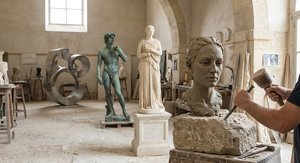
The Enduring Form: Sculpture Across History, Technique & Emotional Resonance
Explore the rich history of sculpture with OriginalUniqueArt. Discover key techniques, influential artists & investment potential for discerning collectors. Expert insights into valuing and collecting timeless masterpieces.

A művészettörténet 10 legikonikusabb bronzszobra – OriginalUniqueArt.com
Fedezze fel a művészettörténet 10 legikonikusabb bronzszobrát! Ismerje meg Rodin, Michelangelo és más mesterek alkotásait. Luxus minőségű reprodukciók otthonába – OriginalUniqueArt.com.

