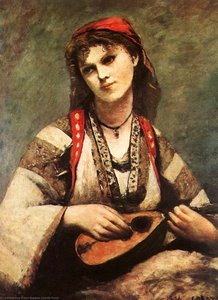
Előnézet
 Megosztás
 Megosztás
 Részletek
 Útmutató

 Letöltés
 Hasonló darabok
 X-ray felvétel
 Diavetítés
 Statisztika
A Rising Path
 Oil
Oil- WallArt
- Romantic Landscape
 1845
1845- 19th Century
 18.0 x 29.0 cm
 Louvre
 Tovább olvasom
Giclée / Műnyomat
Múzeumi minőségű giclée vagy vászonnyomat, gyors gyártással és rugalmas finomítási lehetőségekkel. ( Kézzel festett másolat vásárlása Áttérés digitális képre)




P118B Ft10

P118H Ft10

P118W Ft10

P438Z Ft10

P508JH Ft12

P508YH Ft12

P805H Ft10

P805Z Ft10

P919BZ Ft10

P919G Ft10

P919XJ Ft10

P959ZH Ft10

P968JZ Ft12

W106C Ft8

W218G Ft10

W218JH Ft8

W218Y Ft10

W307PJ Ft10

W316G Ft10

W316PJ Ft8

W316Y Ft10

W398PJ Ft8

W4111J Ft10

W500HY Ft15

W500JH Ft15

W692G Ft12

W849H Ft8

W940BG Ft15

W953PJ Ft8




Válasszon előre meghatározott méreteink közül, amelyek megfelelnek a műalkotás eredeti arányainak.

Írja be a keretének vagy a falának megfelelő szélességet és magasságot. A nyomatot csak le lehet vágni, soha nem tehető nagyobbá, mint az eredeti kép, így egy eltérő alakú méretnél a kép egy része elveszik. Mielőtt bármit kinyatintanánk, küldünk egy digitális próbamodellt jóváhagyásra. Az oldalon látható kép nem tartalmazza a valós levágást — ezt csak a próbamodell mutatja meg.
Világszerte történő kiszállítás területére mindössze 2 hét alatt, a szokásos 4-5 hét helyett. (24 október)

Ingyenes globális expressz szállítás

Prémium minőségű len vászon

Teljes körű szállítási biztosítás

Vámvisszatérítési Garancia

Tökéletes színarányosság garancia

100 napos visszaküldési garancia (csak gyártási hibás termékek esetén)

100% pénzvisszatérítési garancia

Több darab vásárlásakor kedvezmény
 Az üvegkeretes opció csak 110 cm alatti méretben érhető el

A Rising Path
Giclée / Műnyomat
Reprodukció méretei
-


Összesített ár
Ft 25605
A Symphony of Light and Verdant Grace
In the quietude of the mid-19th century, Jean-Baptiste-Camille Corot captured something far more profound than a mere landscape; he captured the very breath of the French countryside. "A Rising Path," executed in 1845, serves as a breathtaking window into a world where time seems to decelerate, inviting the viewer to step away from the modern clamor and into a realm of silvered tranquility. The canvas unfolds with a serene vista overlooking L’Isle-Adam, where a prominent building sits perched atop a gently sloping hill, acting as a silent sentinel over the lush greenery that dominates the composition. As your eyes wander through the dense foliage and toward the distant horizon, you are met not just with scenery, but with an invitation to contemplate the profound, enduring connection between humanity and the natural world.
The mastery of Corot lies in his role as a pioneer of Luminism, a movement that prioritized the subtle nuances of light and atmosphere above all else. Unlike the later Impressionists who would embrace bold, rapid strokes, Corot employed a meticulous and painstaking technique. He applied thin, translucent glazes over multiple layers of paint, a process that allows light to penetrate the surface and glow from within. This creates an ethereal, hazy luminescence—a soft, diffused light filtering through the canopy of trees that imbue the scene with a palpable sense of stillness. For the discerning collector or interior designer, this technique offers a unique sensory experience; the painting does not merely sit upon a wall, but seems to radiate a gentle, atmospheric warmth that can transform the mood of any sophisticated space.
Historical Resonance and Symbolic Depth
To understand "A Rising Path" is to understand the shifting tides of French art history. Painted during a period of great transition, the work reflects a departure from Romantic idealism in favor of a more grounded, yet psychologically deep, realism. Corot’s ability to bridge the gap between the structured discipline of Neoclassicism and the emotive freedom of the Barbizon School is on full display here. The painting captures the essence of plein-air innovation, where the artist's direct observation of nature leads to a representation that feels both deeply real and beautifully dreamlike. It is a testament to an era fascinated by scientific observation and the desire to represent the fleeting beauty of everyday life with absolute sincerity.
Beyond its technical brilliance, the painting is rich with subtle symbolism. The architectural element, nestled within the expansive landscape, serves as a poignant symbol of human presence—representing aspiration, permanence, and the quiet dignity of civilization amidst the wilder elements of nature. The path itself, rising through the verdant terrain, acts as a visual metaphor for a journey, guiding the viewer's soul upward and inward. For those seeking to adorn their homes with art that inspires contemplation, this reproduction offers more than decoration; it provides a focal point of peace, a window into a timeless era of grace, and a lasting reminder of the beauty found in life's most tranquil moments.
Gyakran Ismételt Kérdések
Milyen hangulat és érzelem ötvöződik a "A Rising Path" alkotásban?
A "A Rising Path" alkotásban egy Serene hangulat kíséri egy Tranquil érzelmet.
Hogyan javasolt a(z) "A Rising Path" kinyomtatása – milyen méretben, milyen elrendezésben?
Small méret, Panoramic elrendezés: ez a javasolt nyomtatási beállítás a(z) „A Rising Path”, Corot alkotása alkotáshoz.
Mire ajánlott használni a „A Rising Path”, Corot alkotása reprodukcióját?
A „A Rising Path”, Corot alkotása javasolt felhasználása Accent. Emellett más célokra is alkalmas lehet.
A művész életrajza
A Life Immersed in Light and Landscape
Jean-Baptiste-Camille Corot, a name that resonates with the tranquil beauty of 19th-century French landscape painting, was born into a comfortable Parisian bourgeois family on July 16, 1796. Though initially steered towards a commercial path, destiny – and perhaps an innate artistic sensibility – intervened. His early years were marked by an unconventional upbringing; entrusted to the care of a nurse in the countryside near L’Isle-Adam until age four, he developed a profound connection with nature that would indelibly shape his artistic vision. This initial immersion in rural tranquility stood in stark contrast to the bustling city life awaiting him, yet it laid the foundation for a lifelong pursuit of capturing the ephemeral qualities of light and atmosphere. His parents, successful milliners, provided financial stability, allowing Corot the freedom to explore his burgeoning passion for painting after an unsuccessful attempt at mercantile pursuits – a rare privilege for aspiring artists of that era. This support was crucial, enabling him to dedicate himself fully to artistic training without the immediate pressures of earning a livelihood.From Academic Foundations to Plein-Air Innovation
Corot’s formal artistic education began with studies under Achille Etna Michallon and later Jean-Victor Bertin, both esteemed landscape painters steeped in the neoclassical tradition. This grounding instilled in him a meticulous approach to composition and form, emphasizing clarity and structure. However, Corot wasn't content merely replicating established styles; he yearned for something more authentic, a way to convey not just *what* he saw, but *how* it felt to be immersed within the landscape. A pivotal moment arrived with his first journey to Italy in 1825. The Roman Campagna, bathed in golden light and steeped in history, ignited his imagination. He spent years sketching and painting en plein air – directly from nature – a practice that was still relatively uncommon at the time. This dedication to direct observation allowed him to capture the subtle nuances of light and shadow, the delicate atmospheric effects that would become hallmarks of his style. He wasn’t simply recording topographical details; he was striving to evoke a mood, a feeling of tranquility and harmony. His early Italian works demonstrate a clarity of form and bright palette influenced by classical ideals, yet already hint at the softer, more evocative approach that would define his mature style. He meticulously studied the masters, copying their work in the Roman galleries, but always filtered these lessons through his own increasingly sensitive perception of nature.A Bridge Between Traditions
Corot’s artistic development wasn't linear; it was a delicate balancing act between tradition and innovation. He exhibited regularly at the Paris Salon, initially gaining recognition for works rooted in neoclassical conventions. However, as he continued to explore plein-air painting, his style began to evolve. He moved away from highly finished, detailed compositions towards looser brushwork and a more muted palette. This shift wasn't a rejection of academic principles entirely; rather, it was an attempt to infuse them with the immediacy and emotional resonance of direct observation. He became a master of tonalism, using subtle variations in value to create depth and atmosphere. His landscapes weren’t about dramatic narratives or grand gestures; they were about quiet contemplation, the beauty of everyday scenes – a forest glade, a sun-dappled meadow, a tranquil riverbank. This approach resonated with a growing audience seeking respite from the rapid industrialization and social upheaval of 19th-century France. He skillfully blended elements of realism with an almost poetic sensibility, creating landscapes that felt both familiar and deeply personal. He wasn’t interested in grand pronouncements or political statements; his art was about finding beauty in the ordinary, elevating the commonplace to a realm of serene contemplation.Legacy and Enduring Influence
Jean-Baptiste-Camille Corot’s influence on subsequent generations of artists is immeasurable. He served as a crucial link between the neoclassical tradition and the emerging Impressionist movement. Artists like Monet, Pissarro, and Sisley deeply admired his ability to capture the fleeting effects of light and atmosphere, and they built upon his innovations in their own groundbreaking work. Corot’s emphasis on direct observation and plein-air painting paved the way for the Impressionists' radical departure from studio-based practices. However, Corot wasn’t simply a precursor to Impressionism; he was a unique and significant artist in his own right. His vast output – encompassing landscapes, portraits, and figure studies – continues to captivate audiences with its serene beauty and emotional depth. His works can be found in major museums around the world, including the Musée des Beaux-Arts in Dunkirk and the Musée Courbet in Ornans, France, as well as the National Gallery in London and the Metropolitan Museum of Art in New York. He died on February 22, 1875, leaving behind a legacy that continues to inspire artists and art lovers alike – a testament to the enduring power of light, landscape, and quiet contemplation. The Repose, Interrupted Reading, and Agostina remain iconic examples of his mastery, showcasing his ability to capture both the physical world and the inner life of his subjects with remarkable sensitivity and grace. His influence extends beyond painting; he fostered a spirit of artistic freedom and encouraged younger artists to find their own voice, solidifying his place as a pivotal figure in the history of art.
Corot
1796 - 1875 , Franciaország
Gyors információk
- Artistic Movement Or Style: Realizmus, Impresszionizmus
- Artists Or Movements Influenced By This Artist:
- Monet
- Pissarro
- Artists Who Influenced This Artist:
- Michallon
- Bertin
- Date Of Birth: 1796. 07. 16.
- Date Of Death: 1875. 02. 22.
- Full Name: Jean-Baptiste-Camille Corot
- Nationality: Francia
- Notable Artworks:
- A Repoze
- Olvassza
- Agostina
- Place Of Birth: Párizs, Franciaország
Kapcsolódó cikkek

Paul Cézanne 25 Mesterműve: A Modern Művészet Úttörői | OriginalUniqueArt
Fedezze fel Paul Cézanne 25 legikonikusabb művét! Ismerje meg a posztimpresszionizmus úttörőjének festményeit, technikáját és inspirációit. Vászonképek, portrék, tájképfestmények – minden otthonba. Böngéssze gyűjteményünket a OriginalUniqueArt-on!

Evocations of Place: A Historical Journey Through Landscape Art
Explore the rich history of landscape art with OriginalUniqueArt. Discover renowned artists, movements like Impressionism & Romanticism, and expert guidance for collecting timeless pieces. Find your perfect serene escape today!
Master of Light: Exploring the Timeless Landscapes and Atmospheric Brilliance of Jean-Baptiste-Camille Corot
Discover the ethereal beauty of Jean-Baptiste-Camille Corot. Explore how this master of light bridged Neoclassicism and Impressionism through his atmospheric landscapes, capturing the timeless essence of the French countryside with unparalleled poetic brilliance.
Jean-Baptiste-Camille Corot: A Poetic Realism – Bridging the Barbizon School and Early Impressionism
Explore the life & art of Camille Corot, a pivotal figure bridging the Barbizon School & Impressionism. Discover his poetic realism, signature style, and lasting influence on landscape painting. Learn more at OriginalUniqueArt.

A 10 legikonikus impresszionista tájkép: művészeti remekművek otthonába | OriginalUniqueArt.com
Fedezze fel a 10 legikonikus impresszionista tájkép festményt! Monet, Renoir, Degas és más művészek remekművei. Vászonképek, faliképek otthonába – inspirálódjon OriginalUniqueArt.com-on! Explore the full collection online.