

 Előnézet
 Megosztás
 Megosztás
 Részletek
 Útmutató

 Letöltés
 Hasonló darabok
 X-ray felvétel
 Diavetítés
 Statisztika
Four Panels from Untitled B/D


 Tovább olvasom
Az ezen az oldalon megjelenített műalkotások szerzői jogi védelem alatt állnak, ami azt jelenti, hogy törvényileg nem készíthetünk és nem adhatunk el belőlük pontos másolatokat. Ez a védelem olyan nemzetközi megállapodások alapján érvényesül, mint például a Berni Egyezmény és a nemzeti törvények által, beleértve azokat is, amelyeket meghatározott Az USA szerzői jogi törvénye – 17. cím.
Mint tiszteletes és törvényes alternatívát, olyan egyedi, kézzel festett alkotásokat kínálunk, amelyek az eredetiből merítnek inspirációt. Tapasztalt és professzionális művészeink alaposan tanulmányozzák az eredeti stílusát, hangulatát és művészeti esszenciáját, hogy egy olyan új, egyedi alkotást hozzunk létre, amely ugyanazt az érzést kelti – miközben önálló, eredeti alkotásként létezik.
Ez a módszer teljes mértékben megfelel a szerzői jogi szabályozásnak, mivel nem tartalmazza a védett műalkotás másolását vagy duplikálását. Ehelyett ez egy kreatív újinterpretáció – egy új festmény, amely az eredetivel való összefüggései miatt hatással van rá, de nem az az.
Kézzel készített olajfestmény reprodukció
Kézzel festett olajvastú vászon, az Ön által választott méretben és keretben, művészeink készítik meglévőre. ( Váltás nyomtatványra Áttérés digitális képre)




P118B Ft10

P118H Ft10

P118W Ft10

P438Z Ft10

P508JH Ft12

P508YH Ft12

P805H Ft10

P805Z Ft10

P919BZ Ft10

P919G Ft10

P919XJ Ft10

P959ZH Ft10

P968JZ Ft12

W106C Ft8

W218G Ft10

W218JH Ft8

W218Y Ft10

W307PJ Ft10

W316G Ft10

W316PJ Ft8

W316Y Ft10

W398PJ Ft8

W4111J Ft10

W500HY Ft15

W500JH Ft15

W692G Ft12

W849H Ft8

W940BG Ft15

W953PJ Ft8




Válasszon előre meghatározott méreteink közül, amelyek megfelelnek a műalkotás eredeti arányainak.

Írja be a kívánt szélességet és magasságot, hogy illeszkedjen a keretéhez vagy a falához. Mivel ez kézzel festett alkotás, egy eltérő formájú méret esetén a művész akár festhet is valamivel többet a kép körül, vagy korolathat is belőle — az Ön döntésének megfelelően. A festés megkezdése előtt küldünk egy digitális tervezetet jóváhagyásra. Az oldalon látható kép nem tartalmazza a végeredményt — csak a tervezet mutatja meg a valódi eredményt.
A rendelést követően a OriginalUniqueArt.com csapata e-mailt küld az ügyfélnek az instrukciókért, és biztosít egy előnézeti képet (mockup).
Világszerte elérhető szállítás () 3-4 hét alatt a szokásos 5 hét helyett. (22 október). A minőség nem kérdőjelezhető.

Ingyenes globális expressz szállítás

Prémium minőségű len vászon

Teljes körű szállítási biztosítás

Vámvisszatérítési Garancia

Tökéletes színarányosság garancia

100 napos visszaküldési garancia (csak gyártási hibás termékek esetén)

100% pénzvisszatérítési garancia

Több darab vásárlásakor kedvezmény
 Az üvegkeretes opció csak 110 cm alatti méretben érhető el

Four Panels from Untitled B/D
Reprodukciós technika
Reprodukció méretei
-


Összesített ár
Ft 95869
A Dialogue with Symbols: Unpacking the Enigmatic World of Jasper Johns’ *Four Panels from Untitled B/D*
Jasper Johns' *Four Panels from Untitled B/D*, a work that exists primarily through photographic documentation, offers a compelling glimpse into the artist’s uniquely layered approach to representation. Born in Augusta, Georgia, in 1930, Johns’ artistic journey was profoundly shaped by a childhood marked by familial upheaval and a subsequent relocation to New York City – experiences that subtly informed his lifelong preoccupation with themes of identity, memory, and the constructed nature of reality. This particular series, created around 1962-63, exemplifies his signature style: a deliberate blurring of the lines between representation and abstraction, where familiar objects are rendered with an unsettling ambiguity, prompting viewers to actively engage in the process of interpretation.
The panels themselves present a captivating visual vocabulary. Dominating the surfaces are meticulously placed rocks – some smooth and rounded, others jagged and imposing – interspersed with diamond shapes, their sharp angles creating a dynamic counterpoint to the organic forms below. This juxtaposition immediately establishes a tension between the natural and the geometric, echoing themes prevalent throughout Johns’ oeuvre. The monochrome palette—a carefully considered choice of black and white—further amplifies this effect, stripping away any potential distraction from the inherent complexities of the composition. It's not merely a depiction of rocks; it’s an exploration of their essence, their texture, and their relationship to the broader visual field.
Decoding the Language of Iconography
Johns’ work is deeply rooted in American iconography, drawing heavily on everyday objects – flags, targets, calendars, letters—and transforming them into potent symbols. *Four Panels from Untitled B/D* isn't simply a collection of rocks and diamonds; it functions as a visual cipher, inviting speculation about their meaning. The rocks themselves have been interpreted through various lenses: some see them as representations of the American landscape, others as reminders of the artist’s Southern roots, while still others suggest a connection to the primal forces of nature. The diamonds, with their association with precision and order, introduce an element of artificiality, hinting at the constructedness of these symbols.
The repetition across the four panels is crucial. It creates a sense of rhythm and reinforces the idea that Johns is not simply depicting objects but rather exploring their inherent qualities through repeated visual gestures. This methodical approach mirrors his earlier work with maps and flags, where he meticulously replicated images to examine their underlying structure and meaning. The act of duplication becomes almost meditative, inviting contemplation on the nature of perception and representation.
Technique and Process: A Deliberate Unraveling
While the photographs provide a static view, understanding Johns’ technique offers further insight into the work's power. He often employed a layering process, applying paint in thin washes followed by more substantial layers of color. This build-up creates a tactile surface that invites touch—a characteristic that is beautifully replicated in our hand-painted reproductions. The subtle variations in tone and texture within each panel suggest a deliberate resistance to smooth, seamless surfaces – a rejection of the idealized representation favored by earlier generations of artists. Johns’ process was one of constant revision, of returning to the canvas repeatedly to refine his vision. This iterative approach is evident in the careful placement of each element, suggesting a deep engagement with the work's evolution.
Emotional Resonance and Lasting Impact
*Four Panels from Untitled B/D* isn’t a painting that offers easy answers; it’s an invitation to engage in a sustained dialogue. It speaks to the anxieties of post-war America, grappling with questions of identity, memory, and the relationship between reality and representation. The work's enduring appeal lies in its ability to evoke a sense of unease and curiosity, prompting viewers to confront their own assumptions about art and the world around them. A OriginalUniqueArt reproduction allows you to bring this complex and rewarding artwork into your home or office, experiencing firsthand the subtle nuances and captivating symbolism that define Jasper Johns’ masterful vision.
Gyakran Ismételt Kérdések
Maradt-e a "Four Panels from Untitled B/D" mű a művész hon országában?
Nem – a műtárgy külföldön található. A „Four Panels from Untitled B/D” mű Amerikai Egyesült Államok múzeumának gyűjteményében található, míg Jasper Johns Egyesült Államok országban született.
Milyen méretben ajánlott a "Four Panels from Untitled B/D" nyomtatása?
A „Four Panels from Untitled B/D”, Jasper Johns alkotása ajánlott nyomtatási mérete: Large.
Mi a(z) domináns színtónus „Four Panels from Untitled B/D”, Jasper Johns alkotása-nél?
A „Four Panels from Untitled B/D”, Jasper Johns alkotása domináns színe a Green to Violet Spectrum. Ez a szín a paletta alapvető tónusa.
A művész életrajza
A Life Painted in Symbols: The World of Jasper Johns
Jasper Johns emerged as a pivotal figure in the landscape of American art, bridging the emotive intensity of Abstract Expressionism with the burgeoning Pop Art movement that would soon redefine artistic boundaries. Born in Augusta, Georgia, in 1930, his early life was marked by a sense of displacement following his parents’ divorce, an experience that perhaps subtly informed his later explorations of identity and belonging within the context of American iconography. His formative years unfolded across various schools before he briefly attended the University of South Carolina, but it wasn't until his move to New York City in 1949 that Johns truly began to forge his artistic path. A period of service during the Korean War further shaped his perspective, exposing him to a world far removed from the burgeoning art scene he was eager to embrace upon his return.Breaking with Abstraction: The Dawn of a New Visual Language
The post-war American art world was dominated by Abstract Expressionism—a style characterized by spontaneous gesture and deeply personal emotional expression. While initially influenced by this movement, Johns felt compelled to move beyond its purely non-representational approach. He sought a new visual language, one that incorporated recognizable imagery not as illustrations but as vehicles for deeper contemplation. This wasn’t simply about *depicting* the world; it was about questioning how we perceive and interpret symbols within it. Key influences guided his departure: Marcel Duchamp's radical readymades challenged conventional notions of art-making, demonstrating that ordinary objects could be elevated to the status of art through their presentation, while the emphasis on materiality in Abstract Expressionism informed Johns’ early techniques. However, it was the everyday objects and potent symbols of American culture—flags, targets, maps, numbers—that truly became central to his artistic vocabulary. He wasn’t interested in escaping representation; he wanted to dissect it, layer it with meaning, and ultimately reveal its inherent ambiguities. The influence of Robert Rauschenberg, a fellow artist and close friend, was also crucial during this period, fostering a collaborative spirit and pushing the boundaries of artistic experimentation.Iconic Images: Flags, Targets, and the Language of Symbols
Johns’ breakthrough works arrived in the mid-1950s, instantly establishing him as a force to be reckoned with. His paintings of flags, most notably *Flag* (1954–55), were not patriotic declarations but rather investigations into the very nature of representation. Rendered in a semi-abstract style, using encaustic—pigment mixed with hot wax—and collage techniques, these flags weren’t simply images; they were textured surfaces laden with symbolic weight. The *Flag* series wasn't just about the American flag; it was about the act of painting itself, the materiality of the canvas, and the relationship between image and reality. The target series, beginning in 1958, further explored this fascination with recognizable forms, questioning perception and meaning through the seemingly straightforward image of a bullseye. *Map* (1961), with its fragmented and layered depictions of the United States, delved into themes of geography, identity, and the complexities of national representation. Works like *False Start* (1959) demonstrated his experimentation with language and visual codes, creating complex compositions that challenged viewers to decipher their underlying meanings. Even *White Flag* (1955), a seemingly simple monochrome canvas, prompted profound questions about absence, surrender, and the very act of seeing. Johns often incorporated elements of chance and accident into his process, embracing the unpredictable nature of creation and allowing the materials themselves to contribute to the final outcome.A Legacy of Influence: Paving the Way for Pop Art and Beyond
Jasper Johns’ impact on the trajectory of modern art is undeniable. He played a crucial role in the transition from Abstract Expressionism to Pop Art, challenging the prevailing aesthetic norms and opening up new avenues for artistic exploration. By embracing recognizable imagery, he paved the way for artists like Andy Warhol and Roy Lichtenstein, who would further blur the lines between high art and popular culture. His close collaboration with Robert Rauschenberg was also profoundly influential, fostering a spirit of experimentation and pushing the boundaries of artistic practice. Johns’ work continues to resonate today, inspiring generations of artists to question assumptions, challenge conventions, and explore the power of symbols in shaping our understanding of the world. He remains an active artist, constantly evolving his approach and solidifying his position as one of the most important figures in 20th and 21st-century art.Recognition and Enduring Impact
Throughout his illustrious career, Jasper Johns has received numerous accolades, including a Golden Lion at the Venice Biennale in 1988, the National Medal of Arts in 1990, and the Presidential Medal of Freedom in 2011. His works are held in major museum collections worldwide—the Museum of Modern Art, the Whitney Museum of American Art, the Metropolitan Museum of Art in New York, and Tate Modern in London, to name just a few. He has been the subject of countless exhibitions, cementing his status as a master of modern art. Beyond his paintings, Johns’ contributions extend to sculpture and printmaking, demonstrating his versatility and unwavering commitment to artistic innovation. His enduring legacy lies not only in the iconic images he created but also in the profound questions he raised about the nature of representation, symbolism, and the very essence of what it means to be an artist in a rapidly changing world.
Jasper Johns
1930 - , Egyesült Államok
Gyors információk
- Artistic Movement Or Style: Pop Art, Ekspreszionizmus
- Artists Or Movements Influenced By This Artist:
- Warhol
- Lichtenstein
- Artists Who Influenced This Artist: ['Duchamp']
- Date Of Birth: 1930. május 15.
- Full Name: Jasper Johns
- Nationality: Amerikai
- Notable Artworks:
- Flag
- Target
- Map
- Place Of Birth: Augusta, USA
Kapcsolódó cikkek

John Constable 25 Mesterműve: A Természet Lényege Vászonon – OriginalUniqueArt.com
Fedezze fel John Constable 25 legszebb művészeti alkotását! Ismerje meg a romantika ikonikus tájképeit, Dedham Vale szépségét és a természet lenyűgöző ábrázolásait. Vászonkép reprodukcióinkkal eleganciát csempészhet otthonába – OriginalUniqueArt.com

Az amerikai realizmus 10 ikonikus remekműve – festmények otthonra a OriginalUniqueArt kínálatából
Fedezze fel az amerikai realizmus 10 legikonikusabb remekművét! Ismerje meg Andrew Wyeth, Edward Hopper és más festők történetét. Múzeumi minőségű reprodukciók otthonra a OriginalUniqueArt kínálatából – inspiráló faliképek és dekorációk online.

John Singer Sargent 25 Mesterműve: Elegancia és Portrék a OriginalUniqueArt Galériában
Fedezze fel John Singer Sargent 25 legikonikusabb művészeti alkotását! Portrék, impresszionista stílus és a fény játéka – inspirálódjon Sargent életrajzából és vászonképeiből. Művészeti reprodukciók otthonába a OriginalUniqueArt-on!

Grant Wood & American Regionalism: Identity, Myth & the Rural Landscape
Explore the world of Grant Wood & American Regionalism with OriginalUniqueArt. Discover the symbolism behind 'American Gothic', recurring themes, and the movement's lasting impact on art history. High-quality reproductions available.
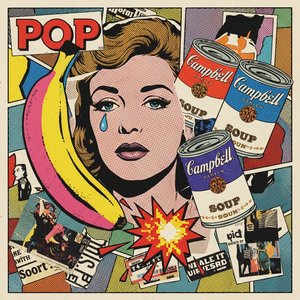
Challenging Conventions: Pop Art's Origins, Evolution & Enduring Legacy
Explore the fascinating history of Pop Art, from its rebellious origins to its enduring influence on contemporary artists. Discover key figures like Warhol & Lichtenstein and learn about collecting this iconic movement.


