

 Megtekintés
 Küldés
 Megosztás
 Részletek
 Útmutató

 Letöltés
 Hasonló darabok
 X-ray felvétel
 Diavetítés
 Statisztika
After the Hunt
 Oil
Oil- WallArt
- Dutch Golden Age Realism
 1665
1665- Early Modern
 44.0 x 34.0 cm
 Alte Pinakothek
 Összes részlet megjelenítése
Kézzel készített olajfestmény reprodukció
Kézzel festett olajvastú vászon, az Ön által választott méretben és keretben, művészeink készítik meglévőre. ( Váltás nyomtatványra Áttérés digitális képre)




P118B Ft10

P118H Ft10

P118W Ft10

P438Z Ft10

P508JH Ft12

P508YH Ft12

P805H Ft10

P805Z Ft10

P919BZ Ft10

P919G Ft10

P919XJ Ft10

P959ZH Ft10

P968JZ Ft12

W106C Ft8

W218G Ft10

W218JH Ft8

W218Y Ft10

W307PJ Ft10

W316G Ft10

W316PJ Ft8

W316Y Ft10

W398PJ Ft8

W4111J Ft10

W500HY Ft15

W500JH Ft15

W692G Ft12

W849H Ft8

W940BG Ft15

W953PJ Ft8




Válasszon előre meghatározott méreteink közül, amelyek megfelelnek a műalkotás eredeti arányainak.

Írja be a kívánt szélességet és magasságot, hogy illeszkedjen a keretéhez vagy a falához. Mivel ez kézzel festett alkotás, egy eltérő formájú méret esetén a művész akár festhet is valamivel többet a kép körül, vagy korolathat is belőle — az Ön döntésének megfelelően. A festés megkezdése előtt küldünk egy digitális tervezetet jóváhagyásra. Az oldalon látható kép nem tartalmazza a végeredményt — csak a tervezet mutatja meg a valódi eredményt.
A rendelést követően a OriginalUniqueArt.com csapata e-mailt küld az ügyfélnek az instrukciókért, és biztosít egy előnézeti képet (mockup).
Világszerte elérhető szállítás () 3-4 hét alatt a szokásos 5 hét helyett. (26 október). A minőség nem kérdőjelezhető.

Ingyenes globális expressz szállítás

Prémium minőségű len vászon

Teljes körű szállítási biztosítás

Vámvisszatérítési Garancia

Hiteles színarányosság garancia

100 napos visszaküldési lehetőség (csak hibás termékek esetén)

100% pénzvisszatérítési garancia

Több darab vásárlásakor kedvezmény
 Az üvegkeretes opció csak 110 cm alatti méretben érhető el

After the Hunt
Reprodukciós technika
Reprodukció mérete
-


Összesített ár
Ft 96158
A Moment Frozen in Time: The Spirit of the Dutch Golden Age
In the quiet, evocative atmosphere of Jan Weenix’s "After the Hunt," we are transported back to the year 1665, into a world where the boundaries between man, animal, and nature blur into a singular, harmonious moment. This masterful work serves as more than just a depiction of a post-hunt gathering; it is a window into the social fabric of the Dutch Golden Age. The scene captures a profound sense of camaraderie, where the adrenaline of the chase has subsided, leaving behind a lingering warmth of shared triumph and quiet companionship. As we gaze upon the man standing beside his loyal hounds, we feel the weight of tradition and the deep-seated connection to the land that defined the era.
The composition is a delicate dance of light and shadow, rendered with the meticulous precision that Jan Weenix inherited from his father’s workshop. Though the palette may appear restrained, it possesses a rich, tonal depth that breathes life into every texture—from the coarse fur of the hunting dogs to the soft, atmospheric haze of the background. The presence of other figures, engaged in low-toned conversation, adds layers of narrative complexity, suggesting a community bound by shared rituals and the seasonal rhythms of the hunt. A horse visible in the distance provides a sense of scale and depth, anchoring the group within a vast, breathing landscape.
Mastery of Realism and the Art of Detail
To behold this painting is to witness the pinnacle of Dutch Baroque realism. Weenix possessed an extraordinary ability to render the physical world with such clarity that the viewer can almost hear the soft panting of the dogs or the rustle of the basket held by the central figure. His technique, rooted in the tradition of observing nature with scientific accuracy, allows for a breathtaking interplay of textures. The way light catches the edges of the figures and settles into the folds of their attire creates a sense of three-dimensional presence that is both captivating and immersive.
For the discerning collector or interior designer, this piece offers an unparalleled opportunity to introduce a sense of historical grandeur and quiet sophistication into a space. The artwork does not merely decorate a wall; it commands attention through its subtle emotional resonance. It evokes a feeling of timelessness, making it an ideal centerpiece for a study, a library, or a formal dining room where conversation and reflection are encouraged. A high-quality reproduction of this work preserves the delicate nuances of Weenix’s brushwork, allowing the legacy of 17th-century Dutch mastery to reside within a modern setting.
Symbolism and the Emotional Landscape
Beyond its technical brilliance, "After the Hunt" is steeped in the symbolism of the era. The hunt itself was often a metaphor for the pursuit of virtue, social status, and the mastery of one's environment. The dogs, symbols of fidelity and instinct, stand as steadfast companions to the human spirit, representing the controlled wildness that exists within civilization. There is an underlying theme of peace following conflict—the transition from the intensity of the hunt to the restorative calm of the gathering.
The emotional impact of the painting lies in its ability to evoke nostalgia for a lost era of elegance and connection. It invites the viewer to pause, to breathe, and to appreciate the beauty found in the quiet intervals of life. Whether you are drawn to the historical significance of Jan Weenix’s lineage or the atmospheric allure of his landscapes, this painting remains a profound testament to the enduring power of art to capture the very essence of human experience.
Kérdések és válaszok
Hol vásárolhatom meg „After the Hunt”, Jan Weenix alkotása digitális képét?
A „After the Hunt”, Jan Weenix alkotása digitális képét a következő oldalon vásárolhatja meg: Digitális alkotás: magas felbontású digitális kép letöltése.
Hová sorolható a Jan Weenix pályájának mely szakaszába a "After the Hunt"?
Jan Weenix pályaművében a „After the Hunt” a Mature Period korszakba tartozik. Ez az időszak segít összehasonlíthatóvá tenni a művet a művész többi alkotásával.
Milyen hangulatot közvetít a „After the Hunt”, Jan Weenix alkotása a Dutch Golden Age Realism irányzaton belül?
A "After the Hunt" a Dutch Golden Age Realism korszak Tranquil érzelmi hangulatát tükrözi.
A művész életrajza
A holland realizmus öröksége: Jan Weenix élete és művészete
Jan Weenix, aki 1641-ben született Amsterdamban, egy mélyen művészi hagyományokba ágyazott családtagnak bizonyult, apjától, az becsületes Jan Baptist Weenixtől örökölve a festészet iránti szenvedélyét. Bár korai éveinek pontos részletei még mindig kissé rejtélyesek, egyértelmű, hogy fiatal Jan az apja műtermében kapta meg alapvető képzéseit, elsajátítva azokat a technikákat, amelyek elengedhetetlenek voltak a szűzlet és az állati motívumok ábrázolásához – ez a holland aranykorú művészet egyik legmeghatározóbb jellemzője volt. Ez a családi hatás nem csupán technikai jellegű volt; mély alázatot sowed a természet aprólékos megfigyelésébe és az elkötelezettséget a szépség lenyűgöző realizmusmal való megjelenítéséhez. Az idősebb Weenix saját művészeti utazása, beleértve az olaszországi tartózkodásait is, amelyek olaszos érzékiséggel árasztották meg munkásságát, kétségtelenül formálták Jan fejlődő esztétikai ízlését is. Bár kezdetben apja hírnege árnyékolta, Jan hamar ki tudta váltani magát, egyedülálló utat törve be a 17. századi holland festészet vibráló tájában.A barokk stílus virágzása
Weenix művészeti stílusa a barokk korszak csúcsán virágzott ki, tükrözve az kor drámaiság iránti vágyát, a gazdag részletgazdagságot és a dinamikus kompozíciók szeretetét. Nem dolgozott magányosan; kortársai, mint Hendrick Cornelisz Vroom, a tengeri festészet mestere, vagy más állatábrázoló specialisták, például Melchióz de Hondecoeter és Gillis Claesz d'Hondecoeter hatásai finoman formálták megközelítését. Weenix azonban ezeket a kortárs inspirációkat egy teljesen saját stílusba olvasztotta össze. Vászai olyan fotóyszerű precizitással jellemzhetők, amely a textúrák ábrázolásában tűnik fel – a tollak fényében, a szőr puhaságában, a gyümölcsök finom áttetszőségében –, mindezt mesteri ecsettéggel és a fény és árnyék mély ismeretével érte el. A chiaroscuro, vagy fény-árnyék játék drámai váltakozása olyan mélységet és vizuális érdekességet teremt, amely lenyűgöző realizussal vonja a nézőt a jelenbe. Élethús színpalettája tovább éleszt alanyait, azonnali közelség és vitalitás érzését kölcsönözve nekik. Kivételes képességgel rendelkezett a keret elemeinek elrendezésében, kiegyensúlyozott és harmonikus kompozíciókat alkotva, amelyek egyszerre vonzóak és narratív szempontból is magával ragadóak.Remekművek és megbízások
Pályája során Jan Weenix hatalmas mennyiségű olyan művet alkotott, amelyeket technikai brillanciájukról és lenyűgöző témáikról ismert a művészet története. Olyan festmények, mint a Vadászat és gyümölcsszűzlet kerti vázzal mellett (1714), példaként szolgálnak arra a képességére, hogy különféle elemeket – vadmadarakat, buja gyümölcsöket, építészeti részleteket – egy összetett és vizuálisan lenyűgöző egységgé gyúrjon. A Still Life with a Hare and other Game (1697) felmutatja az állati anatomia és textúra mesteri uralmát, alanyai élethű minőségét rendkívüli pontossággal örökítve meg. Még kisebb alkotásai, mint például az Ülő majom (1685 előtt), szintén felfedik azt a tehetséget, amellyel az állatokat személyességgel és kifejező karakterrel ruházta fel. Ez a készség nem maradt észrevétlen a neves megbízódók számára sem. 1702-ben Weenix meghívást kapott Johann Wilhelm, a palatinus elektorsági udvarába, ahol más híres művészekkel együtt dolgozott, hatalmas méretű vadászatokat készítve a Schloss Bensberg számára – ami growing hírnevének és művészeti tudásának bizonyítékaként szolgált. Ezek a megbízások egyszerre biztosították számára anyagi biztonságot és lehetőséget arra, hogy tovább finomítsa képességeit.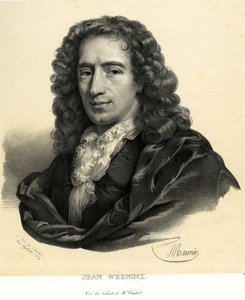
Jan Weenix
1641 - 1719 , Hollandia
Rövid információk
- Artistic Movement Or Style: Holland barokk
- Artists Or Movements Influenced By This Artist: ['Maria Weenix']
- Artists Who Influenced This Artist:
- Jan Baptist Weenix
- Hendrick Vroom
- Date Of Birth: 1641
- Date Of Death: 1719
- Full Name: Jan Weenix
- Nationality: Holland
- Notable Artworks:
- Vadászati és gyümölcs ábrázolású csendstill élet
- Csillapító still élet nyúlkalászlal
- Egy ülő majom
- A fehér pavian
- Place Of Birth: Amszterdam, Holland
Kapcsolódó cikkek

A Hollandi Barokk 10 Mesterműve: Festmények, Amelyek Megváltoztatták a Világot | OriginalUniqueArt
Fedezze fel a holland barokk 10 legikonikusabb műalkotását! Rembrandt, Vermeer és más mesterek festményeinek története, technikája és időtálló szépsége. Művészeti reprodukciók prémium minőségben – OriginalUniqueArt.com.
Állatok a művészetben: Szimbolizmus és jelentés a festményekben
Fedezze fel az állatok rejtett szimbolikáját a művészetben! Mélyreható elemzésekkel segítünk megérteni a festmények jelentését, a középkortól a modern korig. Ismerje meg a művészettörténet legérdekesebb aspektusait!

Golden Age Reflections: Dutch Baroque Painting & Cultural Innovation
Explore the Dutch Golden Age of painting! Discover key artists like Vermeer & ter Borch, their innovative techniques, and the rich cultural context behind these Baroque masterpieces. Learn about collecting & appreciating this iconic art period.

Jan Jansz Wijnants: A Study in Dutch Golden Age Still Life & Floral Transience
Explore the captivating world of Jan Wijnants and Dutch Golden Age still life painting. Discover symbolism, masterful techniques & lasting influence on floral art history. Learn more!
Abraham Hendricksz van Beyeren: Pioneering Dutch Still Life & the Banquet Tradition
Explore the captivating world of Dutch Golden Age still life with Abraham van Beyeren. Discover his innovative techniques, symbolic banquet scenes & lasting influence on art history. Learn about collecting these masterpieces.

