
 Megtekintés
 Küldés
 Megosztás
 Részletek
 Útmutató

 Letöltés
 Hasonló darabok
 X-ray felvétel
 Diavetítés
 Q&A
Q&A Statisztika
Fruit Still Life

- 21.0 x 27.0 cm


 Összes részlet megjelenítése
Giclée / Műnyomat
Múzeumi minőségű giclée vagy vászonnyomat, gyors gyártással és rugalmas finomítási lehetőségekkel. ( Kézzel festett másolat rendelése Áttérés digitális képre)




P118B Ft10

P118H Ft10

P118W Ft10

P438Z Ft10

P508JH Ft12

P508YH Ft12

P805H Ft10

P805Z Ft10

P919BZ Ft10

P919G Ft10

P919XJ Ft10

P959ZH Ft10

P968JZ Ft12

W106C Ft8

W218G Ft10

W218JH Ft8

W218Y Ft10

W307PJ Ft10

W316G Ft10

W316PJ Ft8

W316Y Ft10

W398PJ Ft8

W4111J Ft10

W500HY Ft15

W500JH Ft15

W692G Ft12

W849H Ft8

W940BG Ft15

W953PJ Ft8




Válasszon előre meghatározott méreteink közül, amelyek megfelelnek a műalkotás eredeti arányainak.

Írja be a keretének vagy a falának megfelelő szélességet és magasságot. A nyomatot csak le lehet vágni, soha nem tehető nagyobbá, mint az eredeti kép, így egy eltérő alakú méretnél a kép egy része elveszik. Mielőtt bármit kinyatintanánk, küldünk egy digitális próbamodellt jóváhagyásra. Az oldalon látható kép nem tartalmazza a valós levágást — ezt csak a próbamodell mutatja meg.
Világszerte történő kiszállítás területére mindössze 2 hét alatt, a szokásos 4-5 hét helyett. (3 november)

Ingyenes globális expressz szállítás

Prémium minőségű len vászon

Teljes körű szállítási biztosítás

Vámvisszatérítési Garancia

Hiteles színarányosság garancia

100 napos visszaküldési lehetőség (csak hibás termékek esetén)

100% pénzvisszatérítési garancia

Több darab vásárlásakor kedvezmény
 Az üvegkeretes opció csak 110 cm alatti méretben érhető el

Fruit Still Life
Giclée / Műnyomat
Reprodukció mérete
-


Összesített ár
Ft 26201
A Symphony of Abundance: Jan van Huysum’s “Fruit Still Life”
Jan van Huysum's "Fruit Still Life," painted around 1720, isn’t merely a depiction of fruit; it’s an immersion into the opulent heart of the Dutch Golden Age. This exquisite piece, housed within the National Gallery of Art in Washington D.C., captures a moment of lavish abundance – a carefully orchestrated tableau of plums, grapes, peaches, and berries arranged upon a pristine marble tabletop. More than just a visual feast, it’s a testament to van Huysum's unparalleled skill in rendering texture, light, and the very essence of nature’s bounty.
The painting immediately draws the eye with its vibrant palette – deep reds and purples of ripe plums and grapes contrast beautifully against the blush tones of peaches and the delicate yellows of scattered berries. Van Huysum masterfully employs chiaroscuro, utilizing dramatic light to sculpt the forms of each fruit, lending them a palpable sense of volume and realism. Notice how the light catches the velvety skin of the peaches, highlighting their subtle imperfections – tiny freckles and slight variations in color that speak to their natural beauty. The arrangement itself is deliberately chaotic yet perfectly balanced; it feels as though the fruits are overflowing from the basket, spilling onto the tabletop and even threatening to tumble down, creating a dynamic sense of movement and life.
The Art of the Vanitas
Van Huysum’s work belongs firmly within the tradition of “vanitas,” a genre of still-life paintings that emerged during the Dutch Golden Age. These compositions weren't simply about showcasing beautiful objects; they served as poignant reminders of mortality and the fleeting nature of earthly pleasures. The inclusion of an ant crawling across one of the peaches, for instance, subtly underscores this theme – a tiny symbol of decay and impermanence amidst the abundance. The butterfly resting delicately on the peach adds another layer of symbolism, representing transformation and the ephemeral beauty of life.
However, unlike many vanitas paintings that explicitly featured skulls or decaying objects, Van Huysum’s work focuses more subtly on the transient nature of beauty itself. The sheer profusion of fruit, rendered with such exquisite detail, suggests a celebration of earthly delights while simultaneously hinting at their inevitable decline. It's a delicate dance between appreciation and acceptance – a recognition of life’s preciousness alongside its inherent fragility.
A Masterful Technique
The technical brilliance of “Fruit Still Life” is undeniable. Van Huysum was renowned for his ability to capture the minute details of natural objects with astonishing accuracy. He achieved this through painstaking observation and a meticulous application of paint. The artist’s use of layering, glazing, and subtle shading creates an incredible sense of depth and realism – you can almost feel the cool smoothness of the marble beneath your fingertips and smell the sweet fragrance of the ripe fruit.
Furthermore, van Huysum's choice of materials—painting on copper plates—contributed significantly to the painting’s remarkable clarity and luminosity. Copper provided a smooth, hard surface ideal for capturing fine details and achieving vibrant colors. The technique allowed him to create an exceptionally polished finish, characteristic of his most celebrated works.
A Legacy of Blossoms
Jan van Huysum's legacy extends far beyond this single masterpiece. He remains the most celebrated painter of flowers from the Dutch Golden Age, a title earned through decades of dedicated practice and an unparalleled understanding of botanical detail. His influence can be seen in the work of countless artists who followed, cementing his place as a pivotal figure in the history of still-life painting. “Fruit Still Life” stands as a powerful testament to his genius – a vibrant celebration of beauty, a subtle meditation on mortality, and a stunning example of Dutch artistic mastery.
Kérdések és válaszok
Milyen felhasználásra ajánlott a "Fruit Still Life" nyomata?
A „Fruit Still Life” nyomtatvány ajánlott felhasználása: Harmony.
Hol látható ma a(z) „Fruit Still Life”, Jan Van Huijsum alkotása?
A „Fruit Still Life”, Jan Van Huijsum alkotása kiállítva található a Mauritshuis, Hága, Holland-ben. A múzeumi hivatkozás az eredeti műre vonatkozik, nem a reprodukciókra.
Milyen más neveken ismert Jan Van Huijsum?
Jan Van Huijsum más néven is ismert: Jan Van Huysum, Jan Van Huijsum (Teljes Nevén: Justus Van Huysum).
A művész életrajza
Jan van Huysum: A Virágok Mestere, a Holland Aranykor Gyöngyszeme
A holland aranykor csillogó palettáján Jan van Huysum (1682-1749) név szinte egybeforr a virágcsendéletek tökéletességével. Amszterdamban született, művész családban, ahol apja, Justus van Huysum az idősebb, már maga is elismert volt a virágfestészet terén, és testvérei, Jacob és Michiel is követtek a nyomán. Jan azonban nem csupán a családi hagyományt követve lépett a művész világba; ő tette a virágok ábrázolását a maga művészeti kifejezésének legmagasabb formájává, olyan virtuóz technikával és érzékenységgel, melyet ritkán látott a történelem. Bár pályája elején tájképfestéssel is próbálkozott – ezek a munkái inkább konvencionálisak, „árkádiai” hangulatúak voltak – hamarosan rájött, hogy a virágok, gyümölcsök és egyéb természeti elemek ábrázolása nyújtja számára a legnagyobb kihívást és lehetőséget a művészi önmegvalósításra.
Van Huysum mesteri tudása nem csupán a természet hű mását jelentette. Ő nem egyszerűen reprodukált, hanem ideálisított, megidézett egy olyan világot, melyben a virágok pompázatos szépsége és élettel vibráló színei felejthetetlen benyomást váltanak ki a nézőben. A festményei gyakran gazdag, bársonyos textúrákat mutatnak, melyeket sima, fényes ecsetvonásokkal értek el, mintha minden egyes virágszirmot külön-külön formált volna meg. Az egyedülálló fénymesterisége pedig lenyűgöző: a fény táncol a szirmokon, a harmatcseppeken, és élettel tölti meg az egész kompozíciót. A legenda szerint annyira pontosak voltak a részletek – például a lepkék vagy a hangyák ábrázolása –, hogy a nézők akár csillagászati nagyítást sem igényeltek ahhoz, hogy meglássák őket.
A Kompozíció és a Szimbolizmus Világa
Van Huysum kompozíciós stílusa a holland aranykor eleganciájának és harmóniájának tökéletes megtestesítője. Ellentétben kortársai néhányával, akik zsúfolt, túlzsúfolt virágkompozíciókat alkottak, Van Huysum mindig is az egyensúlyra és a finom ízlésre törekedett. A későbbi munkáiban ugyan komplexebb kompozíciók is fellelhetők, de soha nem veszítik el a harmóniát és a grációt. Gyakran használt S-alakú elrendezést, mely dinamizmust kölcsönözött a képnek, miközben megőrizte az összhangot. A virágok szimbolikus jelentősége is fontos szerepet játszott műveiben: a tulipánok a mulandóságra, a koronáris virág pedig Jézus Krisztus halálára emlékeztetett, míg a különböző gyümölcsök a termékenységet és az életörömöt szimbolizálták. Ezek a rejtett üzenetek gazdagították a festmények jelentését, és mélyebb érzelmi rétegeket fejeztek ki.
A Családi Hagyomány és a Művészeti Utódok
Jan van Huysum élete szorosan összefonódott a művészet iránti szenvedélyével, és a családi hagyománnyal. Apja, Justus van Huysum az idősebb, alapvető tudást adott át neki, míg testvérei, Jacob és Michiel is festők voltak, bár nem értek el olyan magas fokú elismertséget, mint Jan. A lánya, Francina Margaretha van Huysum szintén művészként tevékenykedett, és segített apjának munkáiban, bizonyítva a családi tehetség öröklődését. A Van Huysum család egyedülálló művészeti dinasztia volt, mely jelentős mértékben hozzájárult a holland aranykor gazdag kulturális életéhez.
Örökség és Hatás
Jan van Huysum halála után is élt a hatása. Munkái nemcsak a kortársakat, hanem az utólagos generációkat is inspirálták. Jan van Os és Johannes de Bosch mint két jelentős holland festő, akinek munkáiban egyértelműen megjelenik Van Huysum stílusának befolyásolása. A mai napig a világ leghíresebb múzeumainak gyűjteményében fellelhetők a mesterművei, mint például a Louvre-ban Párizsban, a Nemzeti Galériában Londonban, valamint Berlinben és Amszterdamban is. Jan van Huysum nem csupán egy kiváló festő volt; ő a holland virágfestészet koronázatlan királya, aki örökké beírta magát a művészettörténelem lapjaira.

Jan Van Huijsum
1682 - 1749 , Hollandia
Rövid információk
- Elhalálozás Dátuma: 1749. február 8.
- Hangsúlyozott Művészek:
- Jan van Os
- Johannes de Bosch
- Jelentős Művek:
- Terracottás vázában virágok
- Virágok és gyümölcsök
- Vízleányos csokor
- Művészeti Irányzat: Holland aranykor, csendélet
- Művészi Hatások: ['Justus van Huysum']
- Nemzetiség: Holland
- Születési Dátum: 1682. április 15.
- Születési Hely: Amszterdam, Hollandia
- Teljes Név: Jan van Huysum
Kapcsolódó cikkek

Golden Light & Dutch Skies: The Timeless Magic of Dutch Golden Age Landscapes
Discover the breathtaking beauty of Dutch Golden Age landscapes. Explore the mastery of light, chiaroscuro, and 17th-century realism through an expert art history lens, celebrating the enduring legacy of the Dutch Masters for discerning collectors and art lovers.

Golden Age Reflections: Dutch Baroque Painting & Cultural Innovation
Explore the Dutch Golden Age of painting! Discover key artists like Vermeer & ter Borch, their innovative techniques, and the rich cultural context behind these Baroque masterpieces. Learn about collecting & appreciating this iconic art period.

Rembrandt legikonikusabb művei: 25 mestermű a vászonon – OriginalUniqueArt
Fedezze fel Rembrandt van Rijn 25 legikonikusabb művét! Barokk portrék, bibliai jelenetek és önarcképek a Holland aranykorból. Művészeti reprodukciók prémium minőségben – OriginalUniqueArt. Explore the full collection online!
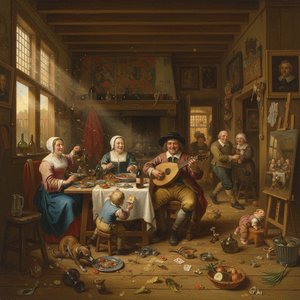
Jan Steen: A Master of Dutch Genre Painting & the Golden Age
Explore the life & art of Jan Steen, a leading Dutch Golden Age painter renowned for his humorous genre scenes & insightful social commentary. Discover his techniques, legacy, and collecting tips.

A Hollandi Aranykor 10 Mesterműve: Festmények, Amelyek Megváltoztatták a Világot | OriginalUniqueArt.com
Fedezze fel a Hollandi Aranykor 10 legikonikusabb műalkotását! Rembrandt, Vermeer és más mesterek festményeinek történeteit olvassa el. Barokk stílus, klasszikus művészet – inspirálódjon otthon dekorációjához a OriginalUniqueArt.com-on! Fedezze fel a teljes gyűjteményt online.
