
 Megtekintés
 Küldés
 Megosztás
 Részletek
 Útmutató

 Letöltés
 Hasonló darabok
 X-ray felvétel
 Diavetítés
 Q&A
Q&A Statisztika
Fruit and Flowers

- 81.0 x 60.0 cm


 Összes részlet megjelenítése
Giclée / Műnyomat
Múzeumi minőségű giclée vagy vászonnyomat, gyors gyártással és rugalmas finomítási lehetőségekkel. ( Kézzel festett másolat rendelése Áttérés digitális képre)




P118B Ft10

P118H Ft10

P118W Ft10

P438Z Ft10

P508JH Ft12

P508YH Ft12

P805H Ft10

P805Z Ft10

P919BZ Ft10

P919G Ft10

P919XJ Ft10

P959ZH Ft10

P968JZ Ft12

W106C Ft8

W218G Ft10

W218JH Ft8

W218Y Ft10

W307PJ Ft10

W316G Ft10

W316PJ Ft8

W316Y Ft10

W398PJ Ft8

W4111J Ft10

W500HY Ft15

W500JH Ft15

W692G Ft12

W849H Ft8

W940BG Ft15

W953PJ Ft8




Válasszon előre meghatározott méreteink közül, amelyek megfelelnek a műalkotás eredeti arányainak.

Írja be a keretének vagy a falának megfelelő szélességet és magasságot. A nyomatot csak le lehet vágni, soha nem tehető nagyobbá, mint az eredeti kép, így egy eltérő alakú méretnél a kép egy része elveszik. Mielőtt bármit kinyatintanánk, küldünk egy digitális próbamodellt jóváhagyásra. Az oldalon látható kép nem tartalmazza a valós levágást — ezt csak a próbamodell mutatja meg.
Világszerte történő kiszállítás területére mindössze 2 hét alatt, a szokásos 4-5 hét helyett. (3 november)

Ingyenes globális expressz szállítás

Prémium minőségű len vászon

Teljes körű szállítási biztosítás

Vámvisszatérítési Garancia

Hiteles színarányosság garancia

100 napos visszaküldési lehetőség (csak hibás termékek esetén)

100% pénzvisszatérítési garancia

Több darab vásárlásakor kedvezmény
 Az üvegkeretes opció csak 110 cm alatti méretben érhető el

Fruit and Flowers
Giclée / Műnyomat
Reprodukció mérete
-


Összesített ár
Ft 26201
A Window Into Dutch Golden Age Brilliance: Jan van Huysum’s “Fruit and Flowers”
The world of still life painting often evokes images of meticulously arranged tables laden with delicacies – a testament to the opulence and abundance of 17th-century Dutch society. Yet, within this genre lies a profound depth, a subtle poetry in capturing the fleeting beauty of nature’s bounty. Jan van Huysum's “Fruit and Flowers,” painted around 1720, isn’t merely a depiction of a collection; it’s an immersive experience, a meticulously crafted illusion that invites the viewer to step into a world brimming with color, texture, and symbolic resonance. This particular piece, housed within the Wallace Collection in London, stands as a remarkable example of the artist's mastery – a testament to his dedication to realism and his profound understanding of light, form, and the very essence of beauty.
The Art of Illusion: Technique and Style
Van Huysum’s technique is nothing short of astonishing. He employed a masterful layering of thin glazes of oil paint, building up color and luminosity with painstaking precision. This approach, characteristic of the Dutch Golden Age, allowed him to achieve an unparalleled level of detail – from the velvety skin of a peach to the delicate veins of a leaf. Notice how he renders the textures: the smooth sheen of polished surfaces like the peaches contrasts sharply with the rougher bark of branches and the intricate details of foliage. The use of directional lighting, originating from an unseen source above and slightly to the left, dramatically enhances the three-dimensionality of the objects, casting deep shadows that add depth and realism. The composition itself is a carefully orchestrated dance of overlapping elements, creating a sense of overflowing richness and inviting the eye to explore every corner of the arrangement.
A Symphony of Symbolism: Fruit, Flowers, and Cherubs
Beyond its technical brilliance, “Fruit and Flowers” is rich in symbolic meaning. The abundance of fruit – grapes, peaches, pumpkins – speaks directly to themes of prosperity, fertility, and the bounty of nature. The inclusion of flowers like poppies and lilies further amplifies this symbolism, each carrying its own specific associations: poppies representing beauty and passion, lilies symbolizing purity and innocence. But perhaps the most intriguing element is the subtle presence of a small cherub figure nestled amongst the arrangement. This detail, a nod to classical allusion, adds a layer of narrative complexity, hinting at themes of grace, harmony, and the connection between humanity and the natural world. The butterflies fluttering around the composition contribute to the overall sense of movement and vitality, suggesting the ephemeral nature of beauty itself.
A Legacy of Blossoms: Context and Artistic Influence
Jan van Huysum’s artistic lineage is deeply rooted in his family's legacy. His father, Justus van Huysum the Elder, was a respected flower painter, and his brothers, Jacob and Michiel, followed suit, establishing a tradition of botanical illustration that flourished within the Dutch Golden Age. Van Huysum himself wasn’t initially drawn to floral subjects; he experimented with landscapes early in his career. However, he quickly discovered his true calling in still life, mastering the art of rendering nature with breathtaking realism and an almost obsessive attention to detail. His work reflects a deep appreciation for the natural world, combined with a sophisticated understanding of artistic technique – a potent combination that cemented his place as one of the most celebrated flower painters of his time. The influence of artists like Caravaggio, known for his dramatic use of light and shadow, is subtly evident in Van Huysum’s compositions, adding to the overall sense of drama and intensity.
Today, reproductions of “Fruit and Flowers” offer a remarkable opportunity to bring this exquisite masterpiece into your home or office. Each hand-painted rendition captures the essence of Van Huysum's original work, faithfully recreating his meticulous detail, vibrant colors, and evocative atmosphere. It’s more than just a painting; it’s a window into a bygone era – a celebration of beauty, abundance, and the enduring power of art.
Kérdések és válaszok
„Fruit and Flowers”, Jan Van Huijsum alkotása erős kontrasztokat vagy lágy harmóniákat használ?
A „Fruit and Flowers”, Jan Van Huijsum alkotása színes kompozíció egy Bold kontrasztot és egy Balanced Harmony harmóniát ötvöz.
Milyen technikával készült a „Fruit and Flowers”, Jan Van Huijsum alkotása?
Jan Van Huijsum a Oil On Canvas technikát alkalmazta a "Fruit and Flowers" alkotáshoz. A technika határozza meg az eredeti mű anyagösszetételt.
Hogyan tölthetem le a(z) „Fruit and Flowers”, Jan Van Huijsum alkotása képét?
A "Fruit and Flowers" letölthető változatként is elérhető: a mű Letöltés oldala magas felbontású digitális kép letöltése lehetőséget kínál.
A művész életrajza
Jan van Huysum: A Virágok Mestere, a Holland Aranykor Gyöngyszeme
A holland aranykor csillogó palettáján Jan van Huysum (1682-1749) név szinte egybeforr a virágcsendéletek tökéletességével. Amszterdamban született, művész családban, ahol apja, Justus van Huysum az idősebb, már maga is elismert volt a virágfestészet terén, és testvérei, Jacob és Michiel is követtek a nyomán. Jan azonban nem csupán a családi hagyományt követve lépett a művész világba; ő tette a virágok ábrázolását a maga művészeti kifejezésének legmagasabb formájává, olyan virtuóz technikával és érzékenységgel, melyet ritkán látott a történelem. Bár pályája elején tájképfestéssel is próbálkozott – ezek a munkái inkább konvencionálisak, „árkádiai” hangulatúak voltak – hamarosan rájött, hogy a virágok, gyümölcsök és egyéb természeti elemek ábrázolása nyújtja számára a legnagyobb kihívást és lehetőséget a művészi önmegvalósításra.
Van Huysum mesteri tudása nem csupán a természet hű mását jelentette. Ő nem egyszerűen reprodukált, hanem ideálisított, megidézett egy olyan világot, melyben a virágok pompázatos szépsége és élettel vibráló színei felejthetetlen benyomást váltanak ki a nézőben. A festményei gyakran gazdag, bársonyos textúrákat mutatnak, melyeket sima, fényes ecsetvonásokkal értek el, mintha minden egyes virágszirmot külön-külön formált volna meg. Az egyedülálló fénymesterisége pedig lenyűgöző: a fény táncol a szirmokon, a harmatcseppeken, és élettel tölti meg az egész kompozíciót. A legenda szerint annyira pontosak voltak a részletek – például a lepkék vagy a hangyák ábrázolása –, hogy a nézők akár csillagászati nagyítást sem igényeltek ahhoz, hogy meglássák őket.
A Kompozíció és a Szimbolizmus Világa
Van Huysum kompozíciós stílusa a holland aranykor eleganciájának és harmóniájának tökéletes megtestesítője. Ellentétben kortársai néhányával, akik zsúfolt, túlzsúfolt virágkompozíciókat alkottak, Van Huysum mindig is az egyensúlyra és a finom ízlésre törekedett. A későbbi munkáiban ugyan komplexebb kompozíciók is fellelhetők, de soha nem veszítik el a harmóniát és a grációt. Gyakran használt S-alakú elrendezést, mely dinamizmust kölcsönözött a képnek, miközben megőrizte az összhangot. A virágok szimbolikus jelentősége is fontos szerepet játszott műveiben: a tulipánok a mulandóságra, a koronáris virág pedig Jézus Krisztus halálára emlékeztetett, míg a különböző gyümölcsök a termékenységet és az életörömöt szimbolizálták. Ezek a rejtett üzenetek gazdagították a festmények jelentését, és mélyebb érzelmi rétegeket fejeztek ki.
A Családi Hagyomány és a Művészeti Utódok
Jan van Huysum élete szorosan összefonódott a művészet iránti szenvedélyével, és a családi hagyománnyal. Apja, Justus van Huysum az idősebb, alapvető tudást adott át neki, míg testvérei, Jacob és Michiel is festők voltak, bár nem értek el olyan magas fokú elismertséget, mint Jan. A lánya, Francina Margaretha van Huysum szintén művészként tevékenykedett, és segített apjának munkáiban, bizonyítva a családi tehetség öröklődését. A Van Huysum család egyedülálló művészeti dinasztia volt, mely jelentős mértékben hozzájárult a holland aranykor gazdag kulturális életéhez.
Örökség és Hatás
Jan van Huysum halála után is élt a hatása. Munkái nemcsak a kortársakat, hanem az utólagos generációkat is inspirálták. Jan van Os és Johannes de Bosch mint két jelentős holland festő, akinek munkáiban egyértelműen megjelenik Van Huysum stílusának befolyásolása. A mai napig a világ leghíresebb múzeumainak gyűjteményében fellelhetők a mesterművei, mint például a Louvre-ban Párizsban, a Nemzeti Galériában Londonban, valamint Berlinben és Amszterdamban is. Jan van Huysum nem csupán egy kiváló festő volt; ő a holland virágfestészet koronázatlan királya, aki örökké beírta magát a művészettörténelem lapjaira.

Jan Van Huijsum
1682 - 1749 , Hollandia
Rövid információk
- Elhalálozás Dátuma: 1749. február 8.
- Hangsúlyozott Művészek:
- Jan van Os
- Johannes de Bosch
- Jelentős Művek:
- Terracottás vázában virágok
- Virágok és gyümölcsök
- Vízleányos csokor
- Művészeti Irányzat: Holland aranykor, csendélet
- Művészi Hatások: ['Justus van Huysum']
- Nemzetiség: Holland
- Születési Dátum: 1682. április 15.
- Születési Hely: Amszterdam, Hollandia
- Teljes Név: Jan van Huysum
Kapcsolódó cikkek

Golden Light & Dutch Skies: The Timeless Magic of Dutch Golden Age Landscapes
Discover the breathtaking beauty of Dutch Golden Age landscapes. Explore the mastery of light, chiaroscuro, and 17th-century realism through an expert art history lens, celebrating the enduring legacy of the Dutch Masters for discerning collectors and art lovers.
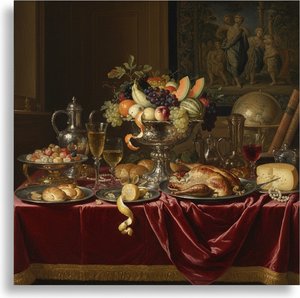
Abraham Hendricksz van Beyeren: Pioneering Dutch Still Life & the Banquet Tradition
Explore the captivating world of Dutch Golden Age still life with Abraham van Beyeren. Discover his innovative techniques, symbolic banquet scenes & lasting influence on art history. Learn about collecting these masterpieces.

A Hollandi Aranykor 10 Mesterműve: Festmények, Amelyek Megváltoztatták a Világot | OriginalUniqueArt.com
Fedezze fel a Hollandi Aranykor 10 legikonikusabb műalkotását! Rembrandt, Vermeer és más mesterek festményeinek történeteit olvassa el. Barokk stílus, klasszikus művészet – inspirálódjon otthon dekorációjához a OriginalUniqueArt.com-on! Fedezze fel a teljes gyűjteményt online.

Jan Jansz Wijnants: A Study in Dutch Golden Age Still Life & Floral Transience
Explore the captivating world of Jan Wijnants and Dutch Golden Age still life painting. Discover symbolism, masterful techniques & lasting influence on floral art history. Learn more!

Rembrandt legikonikusabb művei: 25 mestermű a vászonon – OriginalUniqueArt
Fedezze fel Rembrandt van Rijn 25 legikonikusabb művét! Barokk portrék, bibliai jelenetek és önarcképek a Holland aranykorból. Művészeti reprodukciók prémium minőségben – OriginalUniqueArt. Explore the full collection online!
