Menü
Text size

() ·

A painting made for you, by hand

Kézzel készített olajfestmény reprodukció

Kézzel festett olajvastú vászon, az Ön által választott méretben és keretben, művészeink készítik meglévőre. ( Váltás nyomtatványra Áttérés digitális képre)

A gyűjtemény leírása

Experience the muted dignity of Jan Miel's Baroque genre scene, Le Mendiant, capturing 17th-century life with subtle tonal mastery; discover this masterpiece today.

A művész életrajza

Jan Miel (1599-1664) flamand festő volt, aki Olaszországban tevékenykedett; 'bamboccianti' stílusú római életábrázoló és későbbi klasszicista történelmi festményei ismerték. Savoyai II. Emánuel, herceg udvari művésze.

from ·

Chapter 1

How large should it be?

Slide to change the size; the wall on the left shows it at its real scale. The proportions of the original are kept.

Standard méret
egyedi méretű
CM
INCH

Válasszon előre meghatározott méreteink közül, amelyek megfelelnek a műalkotás eredeti arányainak.

szélesség
magasság

Írja be a kívánt szélességet és magasságot, hogy illeszkedjen a keretéhez vagy a falához. Mivel ez kézzel festett alkotás, egy eltérő formájú méret esetén a művész akár festhet is valamivel többet a kép körül, vagy korolathat is belőle — az Ön döntésének megfelelően. A festés megkezdése előtt küldünk egy digitális tervezetet jóváhagyásra. Az oldalon látható kép nem tartalmazza a végeredményt — csak a tervezet mutatja meg a valódi eredményt.

Chapter 2

How should it arrive?

Choose the edges of the stretched canvas

Choose your frame

Corner sample of the WhiteWrap canvas edge finish, stretched on tömörfa bars
White Ft1
Corner sample of the BlurSideWrap canvas edge finish, stretched on tömörfa bars
Blurside Ft1
Corner sample of the ExtendedWrap canvas edge finish, stretched on tömörfa bars
Extended Ft1
Corner sample of the P118B picture frame: formázott polisztirol, 5 cm wide and 3 cm thick
P118B Ft10
Corner sample of the P118H picture frame: formázott polisztirol, 5 cm wide and 3 cm thick
P118H Ft10
Corner sample of the P118W picture frame: formázott polisztirol, 5 cm wide and 3 cm thick
P118W Ft10
Corner sample of the P438Z picture frame: formázott polisztirol, 5.5 cm wide and 3.5 cm thick
P438Z Ft10
Corner sample of the P508JH picture frame: formázott polisztirol, 7 cm wide and 3.5 cm thick
P508JH Ft12
Corner sample of the P508YH picture frame: formázott polisztirol, 7 cm wide and 3.5 cm thick
P508YH Ft12
Corner sample of the P805H picture frame: formázott polisztirol, 5 cm wide and 3.5 cm thick
P805H Ft10
Corner sample of the P805Z picture frame: formázott polisztirol, 5 cm wide and 3.5 cm thick
P805Z Ft10
Corner sample of the P919BZ picture frame: formázott polisztirol, 7 cm wide and 3.5 cm thick
P919BZ Ft10
Corner sample of the P919G picture frame: formázott polisztirol, 7 cm wide and 3.5 cm thick
P919G Ft10
Corner sample of the P919XJ picture frame: formázott polisztirol, 7 cm wide and 3.5 cm thick
P919XJ Ft10
Corner sample of the P959ZH picture frame: formázott polisztirol, 5 cm wide and 3 cm thick
P959ZH Ft10
Corner sample of the P968JZ picture frame: formázott polisztirol, 6 cm wide and 4 cm thick
P968JZ Ft12
Corner sample of the W106C picture frame: tömörfa, 5 cm wide and 3 cm thick
W106C Ft8
Corner sample of the W218G picture frame: tömörfa, 5 cm wide and 3 cm thick
W218G Ft10
Corner sample of the W218JH picture frame: tömörfa, 5 cm wide and 3 cm thick
W218JH Ft8
Corner sample of the W218Y picture frame: tömörfa, 5 cm wide and 3 cm thick
W218Y Ft10
Corner sample of the W307PJ picture frame: tömörfa, 6 cm wide and 3 cm thick
W307PJ Ft10
Corner sample of the W316G picture frame: tömörfa, 6 cm wide and 3 cm thick
W316G Ft10
Corner sample of the W316PJ picture frame: tömörfa, 6 cm wide and 3 cm thick
W316PJ Ft8
Corner sample of the W316Y picture frame: tömörfa, 6 cm wide and 3 cm thick
W316Y Ft10
Corner sample of the W398PJ picture frame: tömörfa, 5 cm wide and 3 cm thick
W398PJ Ft8
Corner sample of the W4111J picture frame: tömörfa, 6.5 cm wide and 3.5 cm thick
W4111J Ft10
Corner sample of the W500HY picture frame: tömörfa, 7 cm wide and 5 cm thick
W500HY Ft15
Corner sample of the W500JH picture frame: tömörfa, 7 cm wide and 5 cm thick
W500JH Ft15
Corner sample of the W692G picture frame: tömörfa, 8 cm wide and 4 cm thick
W692G Ft12
Corner sample of the W849H picture frame: tömörfa, 5 cm wide and 3 cm thick
W849H Ft8
Corner sample of the W940BG picture frame: tömörfa, 7.5 cm wide and 4.5 cm thick
W940BG Ft15
Corner sample of the W953PJ picture frame: tömörfa, 6 cm wide and 3.5 cm thick
W953PJ Ft8
Corner sample of the H24-GOLD picture frame: faragott fa gesszóval, 10 cm wide and 6 cm thick
H24-GOLD Ft30
Corner sample of the H24-SILVER picture frame: faragott fa gesszóval, 10 cm wide and 6 cm thick
H24-SILVER Ft30
Corner sample of the H36-GOLD picture frame: faragott fa gesszóval, 15 cm wide and 6.5 cm thick
H36-GOLD Ft45
Corner sample of the H36-SILVER picture frame: faragott fa gesszóval, 15 cm wide and 6.5 cm thick
H36-SILVER Ft45

Moulding: . Overall size with the frame: .

Chapter 3

Who paints it, and should anything change?

Examples of what can be changed: Replace face with customer photo; Add pet (e.g., replace cat with dog); Include hidden message in background; Change background landscape or elements.
After order, OriginalUniqueArt.com team will email client for instructions and provide a mockup preview

Világszerte elérhető szállítás () 3-4 hét alatt a szokásos 5 hét helyett. (29 október). A minőség nem kérdőjelezhető.

Chapter 4

The finishing touches

A nameplate, as in a museum?

A gravírozott bronztábla részletei

This elegant plaque features the artist's name and the title of the artwork, finely engraved for a timeless presentation.

It is made from bronze with a refined, elegant finish. The text is precisely laser-engraved for a sharp and permanent result. Measuring 9x2 cm, the plaque is compact yet easy to read. It's built to be durable and scratch-resistant, offering a professional, museum-quality look. Mounting is simple thanks to the included adhesive backing.

Átlátszó akril tábla részletei

The plaque includes essential engraved details such as the artist's name, the title of the artwork, the date it was created, the type of media used-like oil on canvas or watercolor-a brief description of the piece, and a QR code that links to the complete artwork information.

It is crafted from clear acrylic, offering a sleek, modern appearance. The text is UV-engraved in black to ensure strong visual contrast. With a size of 10x15 cm, it ensures optimal readability. It comes equipped with two metal hooks for secure wall mounting. The plaque is designed to be weather-resistant, making it suitable for various environments, and it includes interactive features that work seamlessly with smartphone scanning.

Fekete akril tábla részletei

This elegant plaque includes engraved information such as the artist's name, the title of the artwork, the date it was created, the type of media used (like oil on canvas or watercolor), a short description of the artwork, and a QR code for quick access to more information.

The plaque itself is made from refined black acrylic with a premium finish. The text is laser-engraved in white for high contrast and readability. Its size is 10x15 cm, designed to be easy to read. It comes with two metal hooks for professional mounting. The design is sleek and fits any interior style. It is also weather-resistant and durable, with built-in digital integration for mobile compatibility.

A protective varnish?

When do you need it?

Chapter 5

Your painting, as you ordered it

LE MENDIANT

Reprodukciós technika

Reprodukció mérete

-

Kiváló mesterművész

Nagyobb részletesség, finomság és bővített gyártási idő

-

Reprodukció keretezése

-

-

A bármely oldalsó méretét túlszálaló 105 cm (kb. 41 hüvelyk) meghaladó műalkotások vagy reprodukciók esetében a keret összeszerelhető készletként, szétszerelve kerül szállításra. Ez a módszer biztosítja a biztonságos szállítást, és megakadályozza a szállítás során fellépő sérüléseket.

Szakmész összeszerelést igényel – ez nem DIY (önösszeszerelhető) termék.
A készletet egy tapasztalt keretező szakembernek kell összeszerelnie és a vásznat feszítenie kell, fa ragasztó (nem tartalmazza a csomag), vásznfeszítő fogó és szorítók használatával, amelyek a ragasztó száradásáig a keretrészeket egymáshoz vuôngjba tartják. A helytelen összeszerelés vagy a nem egyenletes vásznfeszítés maradandó károsíthatja a műalkotást, és ez nem része a garanciánknak.

  • A készlet tartalmazza az összes tömörfa rudat, pontosan méretre vágva.

  • A mellékelt csavarokkal, valamint a sarokszerekhez szükséges faütő ragasztóval kell összeszerelnie (ez nem tartalmazható a csomagban), így a keretrendezőnek külön kell beszereznie.

  • A csomag nem tartalmazza a szükséges professzionális eszközöket: egy vászonfeszítőt és klipseket a rácsok vízszintes tartásához a ragasztó megszáradásáig.

Fontos:
A sarokcsatlakozásokhoz fánylagra van szükség, a keretrudakat szorítókapcsokkal kell rögzíteni, amíg a rag teljesen meg nem szárad, a kész keretre feszített vászonhoz pedig vászonfeszítő fogat szükséges. Ezek egyike sem található meg a készletben. Kérjük, rendelés előtt győződjön meg róla, hogy rendelkezik tapasztalt keretező szakemberrel.

Névtábla

-

-

Védőréteg (Lakk)

Fényes lakk (intenzívabb színek, védelem a fény és a nedvesség hatása ellen)

-

Műalkotásom egyedi igényre szabása

Példák a módosíthatóságra: az arc kicserélése az ügyfél fotójára; háziállat hozzáadása (pl. macska helyett kutya); rejtett üzenet elhelyezése a háttérben; a háttér tájainak vagy elemeinek megváltoztatása.

-

Sürgős

Világszerte szóló szállítás () mindössze 3-4 hét alatt, a szokásos 5 hét helyett. (29 október). A minőség nem kérdőjelezhető.

-

Express szállítás

Világszerte elérhető szállítás területre 5 héten belül. (5 november).

A szállítás díja tartalmazza

Összesített ár

Ft 145390

Összesített ár Ft 145390

Az üvegkeretes opció csak 110 cm alatti méretben érhető el

Included with every order

  • Ingyenes globális expressz szállítás
  • Prémium minőségű len vászon
  • Teljes körű szállítási biztosítás
  • Vámvisszatérítési Garancia
  • Hiteles színarányosság garancia
  • 100 napos visszaküldési lehetőség (csak hibás termékek esetén)
  • 100% pénzvisszatérítési garancia
  • Több darab vásárlásakor kedvezmény

Jan Miel’s “Le Mendiant”: A Window Into Baroque Dignity Amidst Poverty

The artwork "Le Mendiant," attributed to Jan Miel (1599 – 1663), stands as a poignant testament to the artistic spirit of the Dutch Golden Age and its engagement with broader humanist concerns. Painted circa 1630, this genre scene—a hallmark of Miel’s oeuvre during his formative years in Rome—captures a moment of quiet contemplation within a bustling tavern interior, offering viewers an arresting glimpse into both social realities and artistic sophistication.

Composition and Style: Baroque Restraint Within Classical Framework

Miel's stylistic approach skillfully blends influences from Flemish masters like Anthony van Dyck with the burgeoning grandeur of Italian Baroque aesthetics. The horizontal orientation of the canvas immediately establishes a sense of stability, mirroring the formal balance characteristic of Baroque compositions. However, unlike the opulent theatricality often associated with Rome at the time, Miel employs subtle tonal gradations and muted colors—primarily grayscale—to convey an atmosphere of understated dignity. This deliberate restraint serves to heighten the emotional impact of the depicted scene: a beggar humbly requesting alms amidst a group of patrons engaged in conversation. The artist’s meticulous attention to detail—evident in the rendering of textures, particularly on the tavern table and the livestock visible in the background—underscores Miel's commitment to realism while simultaneously grounding the image within a broader artistic tradition.

Detailed Examination: Technique and Materials

The painting utilizes oil paint on canvas with considerable skill. Brushstrokes are perceptible but carefully blended, creating a smooth surface that enhances the illusion of depth and luminosity despite the absence of vibrant hues. Layers of tonal variation—a technique favored by Miel—are skillfully applied to sculpt form and delineate contours, capturing the nuances of light and shadow within the tavern setting. The artist’s meticulous observation of natural forms—reflected in the depiction of the cows and sheep—demonstrates a profound understanding of classical principles of perspective and anatomical accuracy.

Historical Context: Rome and Beyond – Miel's Artistic Journey

Jan Miel’s artistic development unfolded primarily in Rome during the 1630s, where he honed his craft under the patronage of Charles Emanuel II, Duke of Savoy—a connection that cemented his reputation as a court artist. This period witnessed a significant shift towards classicizing tendencies within Miel's oeuvre, mirroring the broader cultural revival occurring across Europe. The artwork’s subject matter – depicting poverty alongside social interaction – speaks to the humanist ideals prevalent during the Baroque era, reflecting an interest in portraying human experience with compassion and intellectual rigor.

Symbolism: Dignity Amidst Adversity

“Le Mendiant” transcends mere visual representation; it embodies a deeper symbolic resonance. The beggar’s posture—characterized by humility and supplication—serves as a poignant reminder of the vulnerability inherent within the human condition. Simultaneously, the gathering of people around the table symbolizes communal life and social responsibility. The inclusion of livestock reinforces the artwork's connection to rural existence and underscores its engagement with themes of moral contemplation. Ultimately, Miel’s masterpiece invites viewers to consider not only the aesthetic beauty of the scene but also its profound ethical implications—a testament to the enduring power of art to illuminate both the grandeur and fragility of human experience.
  • Artist: Jan Miel
  • Birth Year: 1599
  • Death Year: 1663
  • Birth City: Beveren
  • Birth Country: Belgium

Additional Resources:

LE MENDIANT – Louvre site des collections LE MENDIANT
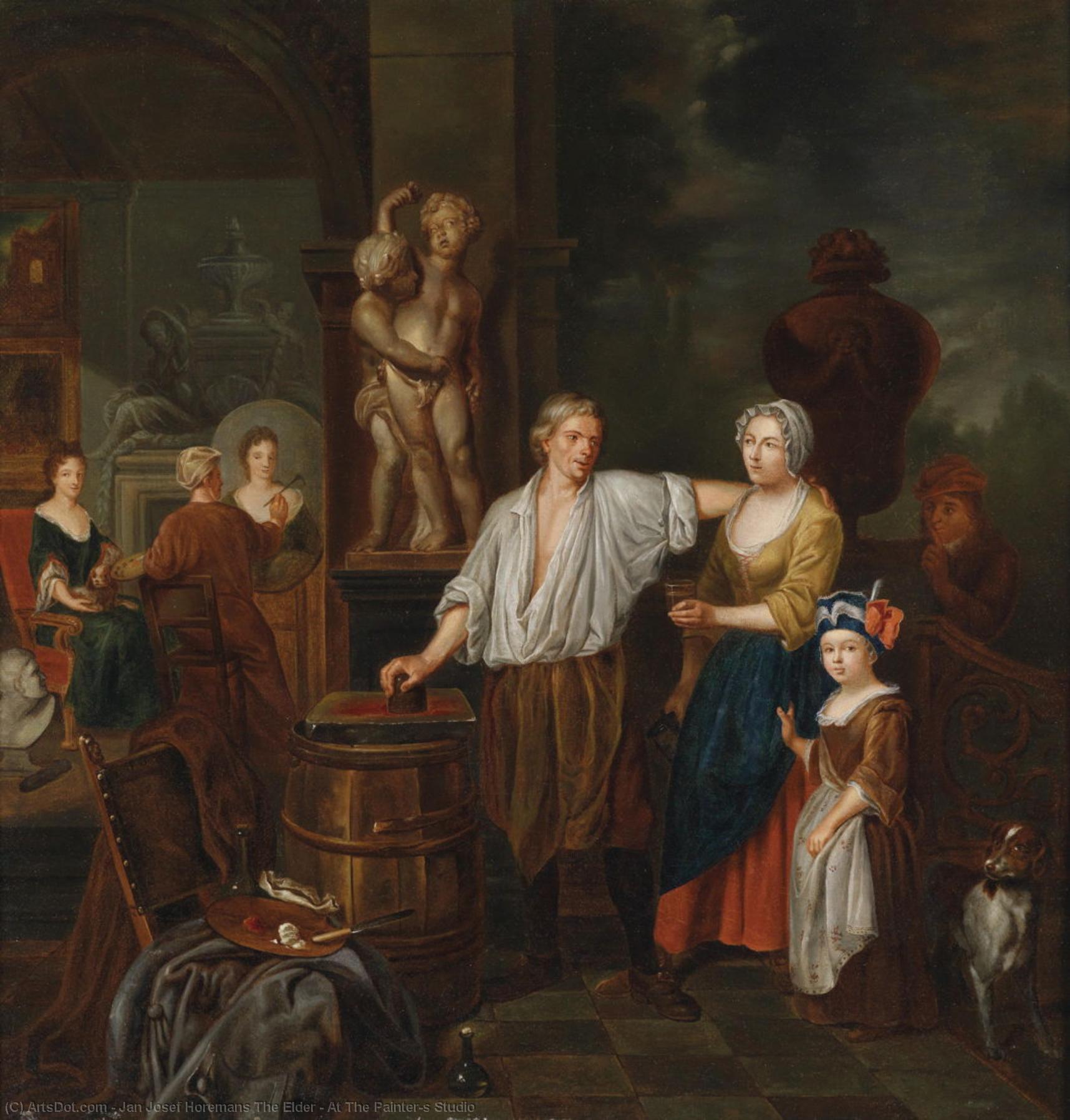
jan josef horemans the elder – Belgian painter (1682-1759) known for detailed interiors & anatomical precision.jan josef horemans the elder
jan le ducq – Explore the captivating landscapes & animal paintings of Jan Le Ducq, a Dutch master known for his dog portraits.jan le ducq

Jan Miel – Cavaliere della Vita, (Anvers, 1599 - Turin, 1663) Court artist to Charles Emanuel II, Duke of Savoy.Jan Miel

Louvre, Paris, France – INV 1447 and MR 816 (Department of Paintings)Louvre Cartel

File:Jan Miel - The beggar.JPG – Wikimedia Commons File:Jan Miel - The beggar.JPG

Louvre Cartel – Foucart, Jacques, Catalogue des peintures flamandes et hollandaises du musée du Louvre, Gallimard / Louvre éditions, 2009, p. 182, ill. n&bCatalogue des peintures flamandes et hollandaises

Kérdések és válaszok

Milyen módon kapcsolódik a "LE MENDIANT" stílusa alkotójának korához?

A „LE MENDIANT”, Jan Miel alkotása a Dutch Golden Age Painting irányzat alkotása, mely alkotójának Korai modern kor korszakából származik.

Miért van az, hogy a "LE MENDIANT" szerzői jogi állapota ilyen?

A "LE MENDIANT" szerzői jogi státusza – közösségi tulajdon – a szerzői jog lejártt – a művész 1663 évi halálából adódik.

Milyen telítettséget és intenzitást mutat „LE MENDIANT”, Jan Miel alkotása?

A „LE MENDIANT”, Jan Miel alkotása alkotás Muted telítettségű és Monochromatic intenzitású.

In numbers

  • 29frames to choose from
  • standard sizes, in its own proportions
  • 5weeks to paint and deliver it
Jan Miel

Jan Miel

1599 - 1663, Belgium

Rövid információk

  • Artistic Movement Or Style: Bamboccianti, Klasszicista
  • Artists Or Movements Influenced By This Artist: ['Pieter van Laer']
  • Artists Who Influenced This Artist: ['Anthony van Dyck']
  • Date Of Birth: 1599 Beveren, Belgium
  • Date Of Death: 1663
  • Full Name: Jan Miel
  • Nationality: Flandriai
  • Notable Artworks:
    • Tájkép két kosz harccsal
    • Római méskilcc szerencsejátékot játszó parasztokkal
  • Place Of Birth: Beveren, Belgium

A művész életrajza

Jan Miel: A híd a holland realizmus és a barokk pompásága között

Jan Miel (1599–1663) a xvii. század művészeti tájában meghatározó alakként áll fent, testét hítozva a flamandra hagyományok és az olasz innováció lenyűgöző találkozásának. Bár születési helyét Antwerpen vagy ’s-Hertogenbosch is megnevezheti, Belgium Beverenében született művész korai élete viszonylag sötétben 못한, így életrajzi részletei ritkák maradnak. A tudományos kutatásokból azonban egy olyan lenyűgöző művészeti utazás rajzolódik ki, amelyet stilisztikai fejlődés és olyan kollaboratív törekvések jellemeztek, amelyek végleg rögzítették helyét Róma és Torino vibráló kulturális környezetében.

Formálódó éveit elsősorban Antwerpenben töltötte, ahol olyan neves flamandra mesterek hatásait szívta magába, mint Anthony van Dyck. Bár képzése pontos körvonala elérhetetlen marad, kétségtelenül mély elismerést ébresztett benne a precíz megfigyelés és a kifinomult technika iránt – tulajdonságok, amelyek későbbi életművének meghatározó elemei lettek. A klasszikus rajztudásban és a portretúra alapozása olyan esszenciális eszköztárral ruházta fel, amely később képes volt meghaladni a regionális határokat is.

A római átalakulás és a Bamboccianti szellemiség

Miel 1636 körül Rómaに való megérkezése fordulópontot jelentett művészeti pályáján. Gyorsan csatlakozott a Bentvueghels nevű befolyásos társuláshoz, amely a Föld örök városában élő holland és flamandra művészek közössége volt. E testvériségben vette fel emlékezetes becenevet is: „bieco”, ami egy jellegzetes szúró tekintetét tükrözte – egy olyan karakterisztika, amely később művészneve szinonimává vált. Ez a társasági hálózat mély kapcsolatokat teremtett egy szélesebb művészeti közösségen belül, amelyet Pieter van Laer Bamboccianti stílusa mélyen meghatározott.

Ez a mozgalom Róma és környezetének alsóbb rétegeinek mindennapi életét volt feladatul tűzőtt, elkerülve a magasrenesszáns művészet idealizált pompáját egy sokkal kézzelfoghatóbb és közvetlenebb ábrázolás érdekében. Miel teljes szívvel magába fogadta ezt a trendet, lenyűgöző műgenre alkotásokkal, amelyek a városi létezés szellemét ragadták meg figyelemre méltó realizmussal és érzékenységgel. Műveiben gyakran megjelentek:

  • Élettel teli utcai jelenetek utazókkal, kereskedőkkel és munkásokkal.
  • A fény mesteri használata, amely a római sikátorok poros, napsütötte hangulatát idézi meg.
  • Az emberi érzelmek finom kölcsönhatása a zsúfolt, kaotikus környezetben.
  • A textúrák – az anyagok, a kő és a föld – aprólékos figyelme.

Evolució a klasszicizmus és a udvari fenség felé

Pályafutása előrehaladtával Miel művészeti víziója jelentős metamorfózisán ment keresztül. Bár továbbra is a műgenre alkotások mestere maradt, elmozdult a Bamboccianti stílus nyers realizmusától, és inkább klasszicizáló történelmi festmények irányába fordult. Ez a váltás az európai művészet szélesebb körű trendjét tükrözte, ahol a barokk nyers energiáját egyre inkább felváltotta a rend, a nemesség és a klasszikus alegória iránti vágy.

Ez az evolúció végül tekintélyes megbízásokhoz vezetett, legkiemelkedebben pedig Savoj trónбороja, II. Bertalan (Charles Emanuel II) udvari művészeként szolgált. Torinoi udvari szolgálatában Miel munkássága formálisabb és pompásabb karaktert öltött fel. Korábbi római jeleneteinek intimitása áldozta fel magát nagyobb skálájú és összetettebb kompozícióknak, amelyek királyi mecénása hatalmát és presztízsét voltak hivatottak tükrözni. Ez a korszak képviseli szakmai eredménye csúcspontját, ahol részletgazdag flamandra gyökerei találkoztak az európai arisztokrácia által követelt nagyszabású, áramló narratívákkal.

Jan Miel történelmi jelentősége abban rejlik, hogy képes volt navigálni ezen különálló világok között. Olyan művész volt, aki képes volt szépséget találni egy római utcai gyermek szerény küzdelmeiben és méltóságot az ősi epikus történetekben is. Áthidalva a szakadékot hetente realizmusa és a déli klasszicizmus dramatikus közötti, Miel maradandót hagyott a xvii. századi kanonban, biztosítva örökségét a barokk kor valódi kosmopolitájaként.

Gyors információk

  • Location: Louvre, Paris
  • Medium: Oil on metal
  • Title: Le Mendiant
  • Subject or theme: Social interaction & poverty
  • Artistic style: Genre painting
  • Movement: Dutch Golden Age

Művészeti kvíz

Minden kérdésre csak egy helyes válasz létezik.

Kérdés 1:
What artistic period is the painting 'Le Mendiant' associated with?
Kérdés 2:
Which city heavily influenced Jan Miel's style, leading to the blend of Flemish and Italian aesthetics?
Kérdés 3:
What is a key characteristic of the color palette used in 'Le Mendiant' that contributes to its mood?
Kérdés 4:
The genre of painting depicted in 'Le Mendiant' is best described as:
Kérdés 5:
What technique did Jan Miel favor to sculpt form and delineate contours in this work?

More about this painting

Megtekintés AR előnézet Váltás nyomtatványra Áttérés digitális képre Küldés
Részletek Útmutató Kedvencekhez ad Letöltés Hasonló darabok X-ray felvétel Diavetítés Q&A Statisztika
Fedezze fel a műalkotásokat témák, stílusok és jellemzők szerint csoportosítva.