

 Előnézet
 Megosztás
 Megosztás
 Részletek
 Útmutató

 Letöltés
 Hasonló darabok
 X-ray felvétel
 Diavetítés
 Statisztika
Tugai Bey

 Tovább olvasom
Giclée / Műnyomat
Múzeumi minőségű giclée vagy vászonnyomat, gyors gyártással és rugalmas finomítási lehetőségekkel. ( Kézzel festett másolat vásárlása Áttérés digitális képre)




































Válasszon előre meghatározott méreteink közül, amelyek megfelelnek a műalkotás eredeti arányainak.

Írja be a keretének vagy a falának megfelelő szélességet és magasságot. A nyomatot csak le lehet vágni, soha nem tehető nagyobbá, mint az eredeti kép, így egy eltérő alakú méretnél a kép egy része elveszik. Mielőtt bármit kinyatintanánk, küldünk egy digitális próbamodellt jóváhagyásra. Az oldalon látható kép nem tartalmazza a valós levágást — ezt csak a próbamodell mutatja meg.
Világszerte történő kiszállítás területére mindössze 2 hét alatt, a szokásos 4-5 hét helyett. (22 október)

Ingyenes globális expressz szállítás

Prémium minőségű len vászon

Teljes körű szállítási biztosítás

Vámvisszatérítési Garancia

Tökéletes színarányosság garancia

100 napos visszaküldési garancia (csak gyártási hibás termékek esetén)

100% pénzvisszatérítési garancia

Több darab vásárlásakor kedvezmény
 Az üvegkeretes opció csak 110 cm alatti méretben érhető el

Tugai Bey
Giclée / Műnyomat
Reprodukció méretei
-


Összesített ár
Ft 25565
A Glimpse into 17th-Century Conflict: "Tugai Bey" by Jan Matejko
This striking portrait, “Tugai Bey” by Polish master Jan Matejko, offers a compelling window into the complex political and military landscape of 17th-century Eastern Europe. The painting depicts Tugai Bey, a Crimean Tatar leader, a figure pivotal in the tumultuous relationship between Poland-Lithuania and the Cossack Hetmanate. Matejko’s work isn't merely a likeness; it is a carefully constructed narrative reflecting power, diplomacy, and the volatile nature of alliances during a period of intense upheaval. The subject’s commanding presence, captured with meticulous detail, invites viewers to contemplate the historical forces at play.Style & Technique: Romanticism Meets Historical Precision
Matejko was renowned for his monumental historical paintings executed in the Romanticism style. This piece exemplifies that approach. The dramatic lighting, rich color palette (dominated by deep reds, golds, and browns), and dynamic composition create a sense of immediacy and emotional intensity. Matejko’s technique is characterized by its meticulous realism; he painstakingly researched costumes, weaponry, and settings to ensure historical accuracy. The oil on panel medium allows for subtle gradations of tone and texture, bringing the subject's attire and facial features to life with remarkable clarity. Note the careful rendering of the elaborate turban and the detailed depiction of the bow and arrow – hallmarks of Matejko’s dedication to detail.Historical Context & Significance
The painting is inextricably linked to the Khmelnytsky Uprising (1648–1657), a major Cossack rebellion against Polish rule in Ukraine. Tugai Bey played a significant role, initially allied with Bohdan Khmelnytsky, leader of the uprising. Matejko’s work captures a moment of potential alliance or negotiation between these two powerful figures. The painting was created decades after these events (circa 1885), during a period in Poland when national identity and historical memory were being actively cultivated. Matejko's paintings served as visual narratives reinforcing Polish heritage and commemorating key moments in the nation’s history, often with a patriotic undertone. The depiction of Tugai Bey, while acknowledging his role in conflict, also hints at the complex intercultural interactions that shaped this era.Symbolism & Emotional Impact
Beyond its historical accuracy, "Tugai Bey" is rich in symbolism. The subject’s attire—the ornate turban, luxurious fabrics, and weaponry—signifies his status as a leader and warrior. His gaze, both intense and contemplative, suggests a shrewd intellect and strategic mind. The presence of the bow and arrow alludes to military prowess and potential conflict. The overall emotional impact is one of gravitas and restrained power. Matejko masterfully conveys a sense of tension and uncertainty, reflecting the precarious nature of alliances and the ever-present threat of war in 17th-century Eastern Europe. The painting evokes a feeling of witnessing a pivotal moment in history, prompting reflection on themes of leadership, diplomacy, and cultural exchange amidst conflict.Gyakran Ismételt Kérdések
Melyik országból származik a Romanticism irányzat Tugai Bey című műve?
A "Tugai Bey" alkotását Jan Matejko készítette, aki Lengyelország-ban született, a Romanticism irányzat keretein belül. A művész származása összeköti a művet a Romanticism stílusával, amelyet Lengyelország művészei gyakoroltak.
Milyen fényerőt sugároz „Tugai Bey”, Jan Matejko alkotása?
A megjelenő fényerő tekintetében a „Tugai Bey”, Jan Matejko alkotása művének bright.
Elérhető-e letöltés a(z) "Tugai Bey" című alkotáshoz?
Letölthető változat elérhető a "Tugai Bey" alkotás esetében: a mű Letöltés oldala magas felbontású digitális kép letöltés lehetőséget kínál.
A művész életrajza
korai életút és oktatás
Jan Alojzy Matejko, a Lengyelország egyik legkiemelkedőbb festője, 1838. június 24-én született Krakovban. Apja, Franciszek Ksawery Matejko, cseh származású tanár és zeneművész volt, aki alapokat fektetett a fiú zenei és művészeti érzékébe. Jan korai éveit mély politikai turbulencia kísérte, hiszen 1846-os krakói forradalom és az osztrák erők 1ms 1848-as krakói ostroma olyan események voltak, amelyek később művészetének tartalmát és tematikáját meghatározták. Bár a Szent Anna gimnáziumot 1851-ben az alacsony tanulmányi eredményei miatt nem konnteja befejezni, korán érezhető volt benne a rendkívüli művésztehetség. 1852 és 1858 között a krakói Képzőművészeti Iskolában készült, ahol Wojciech Korneli Stattler és Władysław Łuszczkiewicz mentorálták, szakosodva a történelmi festészetre.művészeti karrier
Matejko első jelentős alkotása, a Szujszki cárok Zsigmond III előtt, 1853-ban készült el. Történelmi festményeit 1855-től kezdve mutatta be a krakói Művészbarátok Társaságában. Alkotásai közül kiemelkednek a következők:- Rejtan (1866): egy monumentális olykészlet, amely a lengyel történelem egyik döntő pillanatát örökíti meg.
- Lublin unió (1869): egy olyan jelentős alkotás, amely Matejko képességét mutatja be a történelmi események hiteles återadatolásában.
- Grunwald vágyakozása (1878): egy mestermű, amely kiemeli a csatajelenetek intenzitásának közvetítésében való virtuozitását.
múzeumi hozzájárulások és örökség
Matejko élete nagy részét Krakovban töltötte, végül igazgatóként került bele a korábban Krakói Képzőművészeti Akadémiaként ismert, ma már Jan Matejko Képzőművészeti Akadémián. Hallgatói között olyan neves festők jártak, mint Maurycy Gottlieb, Jacek Malczewski, Józef Mehoffer és Stanisław Wyspiański. Az OriginalUniqueArt kínálatában elérhető kiemelkedő alkotások:- jan matejko: csendstillé (romantika)
- Jan Matejko | 203 alkotás Matejko 1893. november 1-jén távozott erre هيكون, magátra hagyva Lengyelország leghíresebb festőjének és nemzeti festőjének örökségét. Történelmi festészet iránti hozzájárulásai ma is inspirációt nyújtanak a művészeknek és a művészrajongóknak egyaránt.
referenciák:
A krakói Nemzeti Múzeum remekműveinek felfedezése, Lengyelország (wikipedia.org)

Jan Matejko
1838 - 1893 , Lengyelország
Gyors információk
- Artistic Movement Or Style: Romantika
- Artists Or Movements Influenced By This Artist: ['Gottlieb']
- Artists Who Influenced This Artist:
- Korneli Stattler
- Łuszczkiewicz
- Date Of Birth: 1838. 6. 24.
- Date Of Death: 1893. 11. 1.
- Full Name: Jan Alojzy Matejko
- Nationality: Lengyel
- Notable Artworks:
- Grunwald csata
- Lublini unió
- Place Of Birth: Krakkó, Lengyelország
Kapcsolódó cikkek
Jan Brueghel the Elder: A Master of Flemish Landscape & Allegory – Exploring Innovation & Influence
Explore the captivating world of Jan Brueghel the Elder, a Flemish Baroque master renowned for his stunning landscapes & allegorical paintings. Discover his collaborations with Rubens and lasting artistic legacy.
Jan Gossaert (Mabuse): Pioneering Renaissance Style & the Birth of Netherlandish Antiquity
Explore the groundbreaking art of Jan Gossaert (Mabuse), a pioneer of Renaissance painting in the Low Countries. Discover his Romanist style, stunning portraits, and influence on Northern European art history.
Stanisław Wyspiański: Symbolism, National Identity & the Polish Secession
Explore the life & work of Stanisław Wyspiański, a pivotal figure in Polish Symbolism and the Young Poland movement. Discover his iconic paintings, dramas, and stained glass designs reflecting national identity & artistic innovation.
Jan Steen: A Master of Dutch Genre Painting & the Golden Age
Explore the life & art of Jan Steen, a leading Dutch Golden Age painter renowned for his humorous genre scenes & insightful social commentary. Discover his techniques, legacy, and collecting tips.
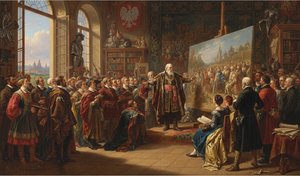
Jan Matejko: Historical Narrative & National Identity in 19th-Century Polish Painting
Explore the powerful historical paintings of Jan Matejko, Poland's national artist. Discover his iconic works & learn how he shaped Polish identity in the 19th century. High-quality reproductions available.

