Előnézet
 Megosztás
 Megosztás
 Részletek
 Útmutató

 Letöltés
 Hasonló darabok
 X-ray felvétel
 Diavetítés
 Statisztika
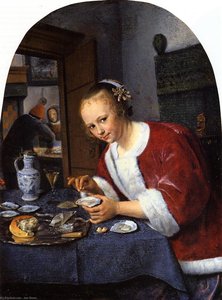
The Meal
 Oil On Canvas
- WallArt
- Baroque
 1650
1650- Renaissance
 41.0 x 50.0 cm
 Uffizi Képtár
 Tovább olvasom
Giclée / Műnyomat
Múzeumi minőségű giclée vagy vászonnyomat, gyors gyártással és rugalmas finomítási lehetőségekkel. ( Kézzel festett másolat vásárlása Áttérés digitális képre)




P118B Ft10

P118H Ft10

P118W Ft10

P438Z Ft10

P508JH Ft12

P508YH Ft12

P805H Ft10

P805Z Ft10

P919BZ Ft10

P919G Ft10

P919XJ Ft10

P959ZH Ft10

P968JZ Ft12

W106C Ft8

W218G Ft10

W218JH Ft8

W218Y Ft10

W307PJ Ft10

W316G Ft10

W316PJ Ft8

W316Y Ft10

W398PJ Ft8

W4111J Ft10

W500HY Ft15

W500JH Ft15

W692G Ft12

W849H Ft8

W940BG Ft15

W953PJ Ft8




Válasszon előre meghatározott méreteink közül, amelyek megfelelnek a műalkotás eredeti arányainak.

Írja be a keretének vagy a falának megfelelő szélességet és magasságot. A nyomatot csak le lehet vágni, soha nem tehető nagyobbá, mint az eredeti kép, így egy eltérő alakú méretnél a kép egy része elveszik. Mielőtt bármit kinyatintanánk, küldünk egy digitális próbamodellt jóváhagyásra. Az oldalon látható kép nem tartalmazza a valós levágást — ezt csak a próbamodell mutatja meg.
Világszerte történő kiszállítás területére mindössze 2 hét alatt, a szokásos 4-5 hét helyett. (24 október)

Ingyenes globális expressz szállítás

Prémium minőségű len vászon

Teljes körű szállítási biztosítás

Vámvisszatérítési Garancia

Tökéletes színarányosság garancia

100 napos visszaküldési garancia (csak gyártási hibás termékek esetén)

100% pénzvisszatérítési garancia

Több darab vásárlásakor kedvezmény
 Az üvegkeretes opció csak 110 cm alatti méretben érhető el

The Meal
Giclée / Műnyomat
Reprodukció méretei
-


Összesített ár
Ft 25718
The Meal by Jan Steen: A Window Into Dutch Golden Age Life
Jan Havickszoon Steen (1626–1679) stands apart from his contemporaries in the Dutch Golden Age as a painter who prioritized capturing the vibrancy and humor inherent in ordinary human experience. Unlike many artists focused on grand mythological narratives or historical portraits, Steen dedicated himself to depicting scenes of domestic life—farmers’ families, tavern gatherings, schoolrooms—infused with psychological insight and subtly moral lessons. This distinctive approach cemented his reputation as one of the most original voices of his era and profoundly influenced Baroque art. Born in Leiden, Netherlands, Steen's early artistic training was somewhat unconventional for the time; he apprenticed under Hendrick Jacobsz. Stoffels, a painter known for portraits and landscapes, providing him with foundational skills but also exposing him to a stylistic tradition that would later inform his own distinctive style. However, St ## Composition and Symbolism: A Mirror of Dutch Society The painting “The Meal” by Jan Steen is a remarkable example of Dutch Golden Age art, characterized by its warm and inviting atmosphere. Created in 1650, this oil on canvas piece measures 41 x 50 cm and is currently housed at the Galleria degli Uffizi in Florence, Italy. Compositionally, Steen presents a bustling tableau of figures gathered around a table laden with food—a loaf of bread, jugs of wine, goblets, and plates overflowing with dishes. This seemingly simple scene is brimming with symbolic significance, reflecting the values and anxieties of Dutch society during the seventeenth century. The placement of individuals at varying levels of formality – from the dignified gentleman to the boisterous tavern patrons – underscores social hierarchies and illuminates the complexities of daily life. The inclusion of instruments like a violin adds to the festive mood, symbolizing music and merriment—elements crucial to cultural expression in this period. Furthermore, Steen’s masterful use of light and shadow creates depth and dimensionality, drawing the viewer into the scene and enhancing its emotional impact. The artist skillfully employs chiaroscuro techniques to highlight key figures and objects, emphasizing their importance within the narrative. ## Artistic Style: Bold Brushstrokes and Vibrant Color Palette Steen's style is characterized by bold brushstrokes and a vibrant color palette—a hallmark of Baroque art that distinguishes him from many of his peers. Unlike the meticulous detail favored by Rembrandt or Vermeer, Steen prioritizes expressive gesture and dynamic movement, conveying energy and immediacy. His brushwork is loose and textured, capturing the spontaneity of human interaction and injecting vitality into every element of the composition. The artist’s palette utilizes rich hues—warm reds, yellows, and browns—to create a sense of warmth and abundance, mirroring the celebratory spirit of the depicted meal. These colors contribute to the painting's overall emotional resonance, inviting contemplation on themes of joy, conviviality, and social connection. ## Similar Works and Artists: Exploring Dutch Baroque Legacy For fans of Jan Steen and Dutch Golden Age art, other notable works include those by Johannes Vermeer and Rembrandt van Rijn. The Mauritshuis in The Hague, Netherlands, is home to an impressive collection of Dutch Golden Age paintings, including masterpieces by these artists. You can also explore other paintings by Jan Steen on OriginalUniqueArt.com, which offers handmade oil painting reproductions of his works. Consider Vermeer’s “Girl with a Pearl Earring” for its masterful use of light and color—a testament to the artistic innovations of the era—and Rembrandt's "The Night Watch" for its dramatic composition and psychological depth. ## View The Meal by Jan Steen on OriginalUniqueArt.com Learn more about the Mauritshuis and its collection on OriginalUniqueArt.com Explore the works of other Dutch Golden Age artists, such as Johannes Vermeer and Rembrandt van Rijn, on WikipediaGyakran Ismételt Kérdések
A „The Meal” Jan Steen fejlődésének mely szakaszát képviseli?
A "The Meal" Jan Steen alkotói pályájának Mature Period szakaszát képviseli.
Milyen érzelmi hangulatot áraszt a „The Meal”, Jan Steen alkotása?
A „The Meal”, Jan Steen alkotása egy Joyful érzelmi hangulatot közvetít.
Mi a(z) domináns színe a(z) „The Meal”, Jan Steen alkotása alkotásnak?
A „The Meal”, Jan Steen alkotása domináns színe a Phthalo Green (#241b1a).
A művész életrajza
Jan Havickszoon Steen élete és művészete: A mindennapok mestere
Jan Havickszoon Steen (1626–1679) a holland aranykor festőművészeinek sorában egyedi helyet foglal el, hiszen nem a nagyszabású mitológiai jelenetek vagy történelmi portrék ábrázolására törekedett, hanem az egyszerű emberi élet vibráló és humoros megörökítésére koncentrált. Míg kortársai gyakran a pompa és a drámaiság felé fordultak, Steen a mindennapi életet – parasztcsaládokat, tavernákban zajló összejöveteleket, iskolai jeleneteket – ábrázolta, mély pszichológiai érzékkel és finom erkölcsi tanulságokkal átitatva. Ez a különleges megközelítés biztosította számára az egyik legmarkánsabb hangként való elismerést korában, és jelentősen befolyásolta a barokk művészet fejlődését. Steen 1626-ban született Leidenben, Hollandiában. Képzőművészeti tanulmányai meglehetősen szokatlanok voltak az akkori időkben; Hendrick Jacobsz. Stoffelsnél tanult, aki portrék és tájképek festésében jeleskedett. Ez a képzés alapvető készségeket adott neki, de egy olyan stiláris hagyományba is bevezette, amely később sajátos stílusának kialakításában szerepet játszott. Steen azonban hamar önálló víziót alakított ki, és a műfajfestészetre – egy akkoriban virágzó művészeti áramlatra – helyezte a hangsúlyt a tekintélyesebb témák helyett. Ez a döntés tükrözi a szélesebb kulturális elmozdulást a realizmus értékelése és az emberi kapcsolatok összetettségének relatív kontextusban való ábrázolása felé.Steen művészeti stílusa és technikája
Steen festészete a *chiaroscuro*, a drámai fény-árnyék játék mesterképességét mutatja, amely fokozza az érzelmi hatást és mélységet alkot vásznain. Aprólékosan megfigyelte a mindennapi élet részleteit – ruházatot, bútorzatot, arcritmust – és lenyűgöző pontossággal ábrázolta őket. Ugyanakkor Steen nem csupán a valóság dokumentálásával foglalkozott; ügyesen alkalmazott vizuális jeleket erkölcsi üzenetek közvetítésére. Képfestményei gyakran látszólag jelentéktelen tevékenységeket ábrázolnak – skótljátékosok, gazdák a földeken –, de ezek a jelenetek szimbolikus jelentéssel telítettek, és arra ösztönzik a nézőt, hogy elgondolkodjon a piétás témákon, az ostobaságon és az emberi viselkedés következményein. Vegyük például a „Skótljátékosok egy fogadó előtt” (1663) című alkotást, ahol egy élénk játék bontakozik ki egy rusztikus belső térrel szemben, finoman emlékeztetve minket a mértékletesség és a társadalmi felelősség fontosságáról. Steen festményeinek kompozíciói gyakran zsúfoltak és dinamikusak, tele mozgalommal és energiával. Színpalettája gazdag és vibráló, de nem tolakodó; a meleg földszínek és a pasztell árnyalatok harmonikusan ötvöződnek, létrehozva egy kellemes és vonzó vizuális élményt. A figuraábrázolásai élethűek és kifejezőek, minden karakter egyedi személyiséggel rendelkezik. Steen különösen ügyes volt a gyermekek ábrázolásában; festményein gyakran szerepelnek játékos, kíváncsi és néha rosszaságra hajlamos gyerekek, akik az emberi természet bonyolultságát tükrözik.Steen hatása és öröksége
Steen hatása a közvetlen kortársain túl is terjedt; innovatív stílusa Európa számos művészénél rezonált, különösen Franciaországban, ahol a barokk festők átvették az érzelmileg feltöltött kompozíciók létrehozásának technikáit. Nicolas Sustris és Rembrandt is csodálta Steen képességét arra, hogy pszichológiai árnyalatokat közvetítsen látszólag egyszerű jelenetekben – ez a barokk esztétika egyik jellegzetessége. A brüggei Memling Múzeum figyelemreméltó gyűjteménnyel rendelkezik Steen festményeiből, amely páratlan lehetőséget kínál a művész alkotásainak szélességének és mélységének megismerésére. Steen legünnepeltebb művei közé tartozik a „Szent János prédikációja” (1653) és „A szigorú tanító” (1668). A „Szent János prédikációja” példázza Steen drámai fény- és színhasználatát, megragadva egy kulcsfontosságú bibliai pillanatot kézzelfogható érzelemmel. A festmény egy falu lakóit ábrázolja, akik figyelmesen hallgatják Szent János prédikációját, amelyet egy ragyogó napsugár világít meg – ez a vizuális metafora az isteni kinyilatkoztatásra utal. Hasonlóképpen, „A szigorú tanító” egy osztálytermi jelenetet ábrázol feszültséggel és humorral telve, kiemelve a nevelők előtt álló kihívásokat a fiatal elmék formálásában. Steen aprólékos figyelme a részletekre és pszichológiai realizmusa emeli ezt a látszólag hétköznapi témát egy mély meditációra az emberi természetről és az erkölcsi felelősségről. Jan Steen öröksége ma is inspirálja a művészeket, akik hitelességet és érzelmi rezonanciát keresnek. Ő maradandó szimbóluma a holland művészeti innovációnak – egy festőnek, aki merte megünnepelni a mindennapi élet szépségét és összetettségét, miközben értékes erkölcsi tanulságokat közvetített, biztosítva helyét a barokk művészettörténet egyik legbefolyásosabb alakjaként.
Jan Steen
1626 - 1679 , Hollandia
Gyors információk
- Artistic Movement Or Style: Dutch Golden Age festőzés
- Artists Or Movements Influenced By This Artist: ['Barokk művészet']
- Artists Who Influenced This Artist: ['Hendrick Stoffels']
- Date Of Birth: 1626
- Date Of Death: 1679
- Full Name: Jan Havickszoon Steen
- Nationality: Holland
- Notable Artworks:
- Skittle Players
- John the Baptist
- Place Of Birth (City And Country): Leiden, Hollandia
Kapcsolódó cikkek

A Hollandi Barokk 10 Mesterműve: Festmények, Amelyek Megváltoztatták a Világot | OriginalUniqueArt
Fedezze fel a holland barokk 10 legikonikusabb műalkotását! Rembrandt, Vermeer és más mesterek festményeinek története, technikája és időtálló szépsége. Művészeti reprodukciók prémium minőségben – OriginalUniqueArt.com.
Jan Steen: A Master of Dutch Genre Painting & the Golden Age
Explore the life & art of Jan Steen, a leading Dutch Golden Age painter renowned for his humorous genre scenes & insightful social commentary. Discover his techniques, legacy, and collecting tips.

Golden Light & Dutch Skies: The Timeless Magic of Dutch Golden Age Landscapes
Discover the breathtaking beauty of Dutch Golden Age landscapes. Explore the mastery of light, chiaroscuro, and 17th-century realism through an expert art history lens, celebrating the enduring legacy of the Dutch Masters for discerning collectors and art lovers.

A Hollandi Aranykor 10 Mesterműve: Festmények, Amelyek Megváltoztatták a Világot | OriginalUniqueArt.com
Fedezze fel a Hollandi Aranykor 10 legikonikusabb műalkotását! Rembrandt, Vermeer és más mesterek festményeinek történeteit olvassa el. Barokk stílus, klasszikus művészet – inspirálódjon otthon dekorációjához a OriginalUniqueArt.com-on! Fedezze fel a teljes gyűjteményt online.

Golden Age Reflections: Dutch Baroque Painting & Cultural Innovation
Explore the Dutch Golden Age of painting! Discover key artists like Vermeer & ter Borch, their innovative techniques, and the rich cultural context behind these Baroque masterpieces. Learn about collecting & appreciating this iconic art period.