Megtekintés
 Küldés
 Megosztás
 Részletek
 Útmutató

 Letöltés
 Hasonló darabok
 X-ray felvétel
 Diavetítés
 Kérdések és válaszok
 Statisztika
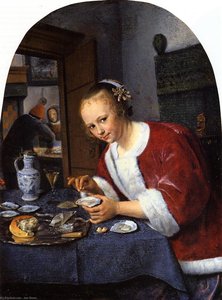
Tavern Scene

- 50.0 x 51.0 cm


 Összes részlet megjelenítése
Giclée / Műnyomat
Múzeumi minőségű giclée vagy vászonnyomat, gyors gyártással és rugalmas finomítási lehetőségekkel. ( Kézzel festett másolat rendelése Áttérés digitális képre)




P118B Ft10

P118H Ft10

P118W Ft10

P438Z Ft10

P508JH Ft12

P508YH Ft12

P805H Ft10

P805Z Ft10

P919BZ Ft10

P919G Ft10

P919XJ Ft10

P959ZH Ft10

P968JZ Ft12

W106C Ft8

W218G Ft10

W218JH Ft8

W218Y Ft10

W307PJ Ft10

W316G Ft10

W316PJ Ft8

W316Y Ft10

W398PJ Ft8

W4111J Ft10

W500HY Ft15

W500JH Ft15

W692G Ft12

W849H Ft8

W940BG Ft15

W953PJ Ft8




Válasszon előre meghatározott méreteink közül, amelyek megfelelnek a műalkotás eredeti arányainak.

Írja be a keretének vagy a falának megfelelő szélességet és magasságot. A nyomatot csak le lehet vágni, soha nem tehető nagyobbá, mint az eredeti kép, így egy eltérő alakú méretnél a kép egy része elveszik. Mielőtt bármit kinyatintanánk, küldünk egy digitális próbamodellt jóváhagyásra. Az oldalon látható kép nem tartalmazza a valós levágást — ezt csak a próbamodell mutatja meg.
Világszerte történő kiszállítás területére mindössze 2 hét alatt, a szokásos 4-5 hét helyett. (3 november)

Ingyenes globális expressz szállítás

Prémium minőségű len vászon

Teljes körű szállítási biztosítás

Vámvisszatérítési Garancia

Hiteles színarányosság garancia

100 napos visszaküldési lehetőség (csak hibás termékek esetén)

100% pénzvisszatérítési garancia

Több darab vásárlásakor kedvezmény
 Az üvegkeretes opció csak 110 cm alatti méretben érhető el

Tavern Scene
Giclée / Műnyomat
Reprodukció mérete
-


Összesített ár
Ft 26538
A Window into the Dutch Golden Age
In the heart of a bustling seventeenth-century interior, Jan Havickszoon Steen captures a moment that feels as immediate and alive today as it did in 1670. Tavern Scene is not merely a depiction of a social gathering; it is a masterful window into the soul of the Dutch Golden Age. As we gaze upon this lively assembly, we are transported to an era where the boundaries between the domestic and the communal were beautifully blurred. The painting vibrates with the energy of human interaction, centered around a woman whose poised gesture toward a seated figure draws our eye into the very rhythm of the room. Steen, a painter who found profound beauty in the mundane, invites us to witness a snapshot of life where laughter, conversation, and perhaps a hint of mischief reside in every corner.
The composition is a masterclass in narrative depth. Within this single frame, Steen orchestrates a complex dance of figures—some standing in animated discussion, others seated around a communal table, all part of a larger social tapestry. The presence of two dogs, one near the center and another tucked toward the right, adds a layer of domestic warmth and grounded reality, reminding us that even in moments of boisterous celebration, the comforts of home and hearth remain present. A solitary clock hanging upon the wall serves as a subtle, poignant reminder of the passage of time, contrasting the fleeting nature of this joyous gathering with the inevitable march of the hours.
The Artistry of Human Comedy
Technically, Tavern Scene showcases Steen’s extraordinary ability to employ trompe l'oeil elements to create a palpable sense of three-dimensional space. Through the meticulous layering of pigments and an uncanny attention to texture, the artist renders the heavy fabrics of clothing and the smooth surfaces of wooden furniture with such precision that they seem almost touchable. His use of light is particularly evocative; it does not merely illuminate the room but sculpts the characters, casting soft shadows that lend a sense of weight and psychological presence to each individual. This mastery of light and shadow—a hallmark of the Baroque period—allows the viewer to feel the atmospheric density of the tavern, from the warmth of the candlelight to the smoky air of a crowded room.
Beyond its technical brilliance, the painting serves as a profound piece of social commentary. Steen was renowned for his ability to weave subtle moral lessons into his depictions of everyday life, often using humor and satire to reflect upon the behaviors of the Dutch bourgeoisie. In this tavern setting, the spilled drink or the boisterous gesture might hint at the chaotic temptations of excess, yet the overall emotional impact is one of conviviality and shared humanity. For the collector or the interior designer, this piece offers more than just aesthetic beauty; it provides a conversational centerpiece that evokes nostalgia for a time of rich storytelling and communal spirit.
Whether displayed in a grand gallery or as a sophisticated accent in a contemporary living space, a high-quality reproduction of this work brings with it the enduring legacy of Jan Steen. It is an invitation to slow down, to observe the fine details of human connection, and to appreciate the timeless beauty found in the simple, unscripted moments of our lives.
Kérdések és válaszok
Milyen közös tulajdonságokat oszt meg a "Tavern Scene" Jan Steen további alkotásaival?
Jan Steen munkásságán belül a "Tavern Scene" a Baroque stílus képét képviseli, a dutch realism, humoristic observation, domestic rituals, social commentary, baroque legacy témakörével összefüggésben.
Milyen hangulatot kölcsönözne a "Tavern Scene" egy térnek?
A Calm hangulatával a "Tavern Scene" című alkotás egy Living Room helyiségbe is javasolt.
Megtekinthető „Tavern Scene”, Jan Steen alkotása a saját falamon vásárlás előtt?
A „Tavern Scene”, Jan Steen alkotása mű kiterjesztett valóság technológiával, egy kompatibilis eszközön keresztül, a mű Kiterjesztett valóság előnézet oldalán megtekinthető a saját falán is.
A művész életrajza
Jan Havickszoon Steen élete és művészete: A mindennapok mestere
Jan Havickszoon Steen (1626–1679) a holland aranykor festőművészeinek sorában egyedi helyet foglal el, hiszen nem a nagyszabású mitológiai jelenetek vagy történelmi portrék ábrázolására törekedett, hanem az egyszerű emberi élet vibráló és humoros megörökítésére koncentrált. Míg kortársai gyakran a pompa és a drámaiság felé fordultak, Steen a mindennapi életet – parasztcsaládokat, tavernákban zajló összejöveteleket, iskolai jeleneteket – ábrázolta, mély pszichológiai érzékkel és finom erkölcsi tanulságokkal átitatva. Ez a különleges megközelítés biztosította számára az egyik legmarkánsabb hangként való elismerést korában, és jelentősen befolyásolta a barokk művészet fejlődését. Steen 1626-ban született Leidenben, Hollandiában. Képzőművészeti tanulmányai meglehetősen szokatlanok voltak az akkori időkben; Hendrick Jacobsz. Stoffelsnél tanult, aki portrék és tájképek festésében jeleskedett. Ez a képzés alapvető készségeket adott neki, de egy olyan stiláris hagyományba is bevezette, amely később sajátos stílusának kialakításában szerepet játszott. Steen azonban hamar önálló víziót alakított ki, és a műfajfestészetre – egy akkoriban virágzó művészeti áramlatra – helyezte a hangsúlyt a tekintélyesebb témák helyett. Ez a döntés tükrözi a szélesebb kulturális elmozdulást a realizmus értékelése és az emberi kapcsolatok összetettségének relatív kontextusban való ábrázolása felé.Steen művészeti stílusa és technikája
Steen festészete a *chiaroscuro*, a drámai fény-árnyék játék mesterképességét mutatja, amely fokozza az érzelmi hatást és mélységet alkot vásznain. Aprólékosan megfigyelte a mindennapi élet részleteit – ruházatot, bútorzatot, arcritmust – és lenyűgöző pontossággal ábrázolta őket. Ugyanakkor Steen nem csupán a valóság dokumentálásával foglalkozott; ügyesen alkalmazott vizuális jeleket erkölcsi üzenetek közvetítésére. Képfestményei gyakran látszólag jelentéktelen tevékenységeket ábrázolnak – skótljátékosok, gazdák a földeken –, de ezek a jelenetek szimbolikus jelentéssel telítettek, és arra ösztönzik a nézőt, hogy elgondolkodjon a piétás témákon, az ostobaságon és az emberi viselkedés következményein. Vegyük például a „Skótljátékosok egy fogadó előtt” (1663) című alkotást, ahol egy élénk játék bontakozik ki egy rusztikus belső térrel szemben, finoman emlékeztetve minket a mértékletesség és a társadalmi felelősség fontosságáról. Steen festményeinek kompozíciói gyakran zsúfoltak és dinamikusak, tele mozgalommal és energiával. Színpalettája gazdag és vibráló, de nem tolakodó; a meleg földszínek és a pasztell árnyalatok harmonikusan ötvöződnek, létrehozva egy kellemes és vonzó vizuális élményt. A figuraábrázolásai élethűek és kifejezőek, minden karakter egyedi személyiséggel rendelkezik. Steen különösen ügyes volt a gyermekek ábrázolásában; festményein gyakran szerepelnek játékos, kíváncsi és néha rosszaságra hajlamos gyerekek, akik az emberi természet bonyolultságát tükrözik.Steen hatása és öröksége
Steen hatása a közvetlen kortársain túl is terjedt; innovatív stílusa Európa számos művészénél rezonált, különösen Franciaországban, ahol a barokk festők átvették az érzelmileg feltöltött kompozíciók létrehozásának technikáit. Nicolas Sustris és Rembrandt is csodálta Steen képességét arra, hogy pszichológiai árnyalatokat közvetítsen látszólag egyszerű jelenetekben – ez a barokk esztétika egyik jellegzetessége. A brüggei Memling Múzeum figyelemreméltó gyűjteménnyel rendelkezik Steen festményeiből, amely páratlan lehetőséget kínál a művész alkotásainak szélességének és mélységének megismerésére. Steen legünnepeltebb művei közé tartozik a „Szent János prédikációja” (1653) és „A szigorú tanító” (1668). A „Szent János prédikációja” példázza Steen drámai fény- és színhasználatát, megragadva egy kulcsfontosságú bibliai pillanatot kézzelfogható érzelemmel. A festmény egy falu lakóit ábrázolja, akik figyelmesen hallgatják Szent János prédikációját, amelyet egy ragyogó napsugár világít meg – ez a vizuális metafora az isteni kinyilatkoztatásra utal. Hasonlóképpen, „A szigorú tanító” egy osztálytermi jelenetet ábrázol feszültséggel és humorral telve, kiemelve a nevelők előtt álló kihívásokat a fiatal elmék formálásában. Steen aprólékos figyelme a részletekre és pszichológiai realizmusa emeli ezt a látszólag hétköznapi témát egy mély meditációra az emberi természetről és az erkölcsi felelősségről. Jan Steen öröksége ma is inspirálja a művészeket, akik hitelességet és érzelmi rezonanciát keresnek. Ő maradandó szimbóluma a holland művészeti innovációnak – egy festőnek, aki merte megünnepelni a mindennapi élet szépségét és összetettségét, miközben értékes erkölcsi tanulságokat közvetített, biztosítva helyét a barokk művészettörténet egyik legbefolyásosabb alakjaként.
Jan Steen
1626 - 1679 , Hollandia
Rövid információk
- Artistic Movement Or Style: Dutch Golden Age festőzés
- Artists Or Movements Influenced By This Artist: ['Barokk művészet']
- Artists Who Influenced This Artist: ['Hendrick Stoffels']
- Date Of Birth: 1626
- Date Of Death: 1679
- Full Name: Jan Havickszoon Steen
- Nationality: Holland
- Notable Artworks:
- Skittle Players
- John the Baptist
- Place Of Birth (City And Country): Leiden, Hollandia
Kapcsolódó cikkek
Genre Painting: A Window into Daily Life & Societal Values of the Dutch Golden Age
Explore the captivating world of Dutch Golden Age genre painting! Discover realistic depictions of daily life, masterful artists like Ostade & Metsu, and hidden symbolism. Learn about this influential art movement with OriginalUniqueArt.

Illuminating Innovation: Exploring the Dutch Golden Age of Painting
Explore the Dutch Golden Age of painting with OriginalUniqueArt. Discover Rembrandt, Vermeer & other Masters. Learn about key characteristics, iconic artworks, and lasting influence. Expert insights for collectors & enthusiasts.

A Hollandi Aranykor 10 Mesterműve: Festmények, Amelyek Megváltoztatták a Világot | OriginalUniqueArt.com
Fedezze fel a Hollandi Aranykor 10 legikonikusabb műalkotását! Rembrandt, Vermeer és más mesterek festményeinek történeteit olvassa el. Barokk stílus, klasszikus művészet – inspirálódjon otthon dekorációjához a OriginalUniqueArt.com-on! Fedezze fel a teljes gyűjteményt online.

Golden Age Reflections: Dutch Baroque Painting & Cultural Innovation
Explore the Dutch Golden Age of painting! Discover key artists like Vermeer & ter Borch, their innovative techniques, and the rich cultural context behind these Baroque masterpieces. Learn about collecting & appreciating this iconic art period.

A Hollandi Barokk 10 Mesterműve: Festmények, Amelyek Megváltoztatták a Világot | OriginalUniqueArt
Fedezze fel a holland barokk 10 legikonikusabb műalkotását! Rembrandt, Vermeer és más mesterek festményeinek története, technikája és időtálló szépsége. Művészeti reprodukciók prémium minőségben – OriginalUniqueArt.com.