

 Megtekintés
 Küldés
 Megosztás
 Részletek
 Útmutató

 Letöltés
 Hasonló darabok
 X-ray felvétel
 Diavetítés
 Statisztika
Noah's Ark
 Oil On Canvas
- WallArt
- Baroque
 1710
1710- Renaissance
 374.0 x 374.0 cm
 Bristol Museum - Art Gallery
 Összes részlet megjelenítése
Giclée / Műnyomat
Múzeumi minőségű giclée vagy vászonnyomat, gyors gyártással és rugalmas finomítási lehetőségekkel. ( Kézzel festett másolat rendelése Áttérés digitális képre)




P118B Ft10

P118H Ft10

P118W Ft10

P438Z Ft10

P508JH Ft12

P508YH Ft12

P805H Ft10

P805Z Ft10

P919BZ Ft10

P919G Ft10

P919XJ Ft10

P959ZH Ft10

P968JZ Ft12

W106C Ft8

W218G Ft10

W218JH Ft8

W218Y Ft10

W307PJ Ft10

W316G Ft10

W316PJ Ft8

W316Y Ft10

W398PJ Ft8

W4111J Ft10

W500HY Ft15

W500JH Ft15

W692G Ft12

W849H Ft8

W940BG Ft15

W953PJ Ft8




Válasszon előre meghatározott méreteink közül, amelyek megfelelnek a műalkotás eredeti arányainak.

Írja be a keretének vagy a falának megfelelő szélességet és magasságot. A nyomatot csak le lehet vágni, soha nem tehető nagyobbá, mint az eredeti kép, így egy eltérő alakú méretnél a kép egy része elveszik. Mielőtt bármit kinyatintanánk, küldünk egy digitális próbamodellt jóváhagyásra. Az oldalon látható kép nem tartalmazza a valós levágást — ezt csak a próbamodell mutatja meg.
Világszerte történő kiszállítás területére mindössze 2 hét alatt, a szokásos 4-5 hét helyett. (27 október)

Ingyenes globális expressz szállítás

Prémium minőségű len vászon

Teljes körű szállítási biztosítás

Vámvisszatérítési Garancia

Hiteles színarányosság garancia

100 napos visszaküldési lehetőség (csak hibás termékek esetén)

100% pénzvisszatérítési garancia

Több darab vásárlásakor kedvezmény
 Az üvegkeretes opció csak 110 cm alatti méretben érhető el

Noah's Ark
Giclée / Műnyomat
Reprodukció mérete
-


Összesített ár
Ft 25827
Jan Griffier I’s ‘Noah’s Ark’: A Baroque Vision of Abundance
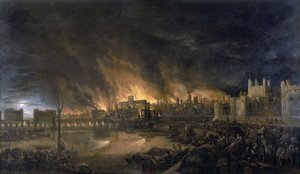
Jan Griffier I's “Noah’s Ark,” completed in 1710, is more than just a depiction of the biblical narrative; it’s a vibrant testament to the Dutch Golden Age’s fascination with nature and its capacity for lavish detail. Executed during a period when English patrons were commissioning works from Griffier – who had spent much of his career painting topographical views of England – this large-scale canvas (374 x 374 cm) embodies the artist's skill in rendering complex scenes teeming with life. The composition immediately draws the eye to a chaotic yet meticulously organized gathering of animals: ostriches, zebras, deer, swans, turkeys, and countless others, all interwoven within a richly detailed landscape. Griffier’s mastery is evident in his ability to capture both the individual character of each animal – from the proud stance of the peacock to the serene gaze of the swans – and their collective energy, creating an impression of lively movement and abundant wildlife.
- Style & Influence: The artwork firmly aligns with the Baroque and Flemish traditions, characterized by its dramatic lighting, dynamic composition, and emphasis on realism. Griffier’s training under Roelant Roghman is clearly visible in his precise line work and detailed rendering of textures – the smooth hides of the animals contrast sharply with the rougher surfaces of the ground and foliage.
- Technique: The painting's rich layering and blending of pigments, characteristic of oil paint, speaks to Griffier’s technical prowess. He skillfully employs a diffused light source, likely intended to evoke an overcast day or interior illumination, further enhancing the sense of depth and volume within the scene.
A Window into 18th-Century England
Griffier's work during this period reflects his time spent in England, where he produced views of Rhineland landscapes alongside depictions of the English countryside. This particular piece showcases a shift towards more narrative subjects, aligning with the tastes of his English patrons. The painting’s creation around 1710 places it squarely within the context of the Dutch Golden Age – a period marked by unprecedented artistic innovation and wealth, fueled in part by trade and colonial expansion. The inclusion of such a diverse array of animals suggests a broader engagement with themes of prosperity and fertility, common motifs in Baroque art.
Symbolism and Emotional Impact
"Noah’s Ark" transcends a simple biblical illustration; it's imbued with potent symbolism. The sheer abundance of life depicted can be interpreted as a celebration of nature’s bounty and diversity – a reflection of the Dutch Republic’s own flourishing economy and its mastery over the natural world. The composition evokes a feeling of wonder and delight, inviting the viewer to contemplate the beauty and power of creation. The artist's skillful use of color further amplifies this emotional impact, with splashes of vibrant hues from the birds and animal markings adding to the overall sense of dynamism and spectacle.
Provenance & Reproduction
Originally created around 1710 by Jan Griffier I, a prominent Dutch Golden Age painter active in both the Netherlands and England, this artwork represents a significant piece of art history. OriginalUniqueArt offers meticulously crafted hand-painted reproductions of “Noah’s Ark,” allowing you to bring this captivating Baroque masterpiece into your home or office. Our skilled artisans employ traditional techniques and high-quality materials to faithfully recreate Griffier's original vision, ensuring that your reproduction captures the full richness and emotional impact of this iconic work.
Kérdések és válaszok
Milyen elhelyezés és milyen térhelyiség ajánlott a(z) „Noah's Ark”, Jan Griffier I alkotása számára?
A(z) „Noah's Ark”, Jan Griffier I alkotása esetében a(z) Statement használatát és a(z) Living Room helyiségben való elhelyezést javasoljuk.
Milyen arányú „Noah's Ark”, Jan Griffier I alkotása, és milyen méretű?
A „Noah's Ark”, Jan Griffier I alkotása egy Square kompozíció, amely az eredeti méretét tekintve 374 x 374 cm-es.
Hogyan ötvölik a kontraszt és a harmónia a(z) "Noah's Ark" alkotásban?
A „Noah's Ark”, Jan Griffier I alkotása színelemzése Gentle kontrasztot és Strong Color Unity harmóniát mutat be.
A művész életrajza
Az Aranykor Emleki Vándorja: Jan Griffier I élete és öröksége
Jan Griffier I története a mozgásról, a tengeri kalandokról és Észak-Európa változó tájainak mély kapcsolódásáról szól. A holland aranykor mestereként Griffier életét épp annyira meghatározta az angliai csuklis csatorna menti utazása, mint vászonain megjelenő ecsetvonások. Ámt amsterdami születése körül 1652, a precíz megfigyelés hagyományából áradva fejlődött, képességeit az elismert Roelant Roghman irányítása alatt élesítette. Ez a korai képzés olyan rajzi pontosságot és a természet finom textúráinak érzékelését impartált bele, amely később lehetővé tette számára, hogy megörökítse a Rajna-vidék lenyűgöző tájait és az angol vidéki tájak intimebb, pastoral arcát is.
Griffier pályája egy különleges kettősséggel jegyezhető meg, mint híd a holland és az angol művészeti hagyományok között. Miután 1677-ben felvették a londoni festő-festi társaságba, a brit művészet világának állandó alakjává vált, olyan neves személyiségek mellett dolgozva, mint Jan Looten. Sokoldalúsága legnagyobb erőssége volt; bár atmoszférikus tájképeivel hódol, kiváló etker és mezzotint mester is volt. Madáralakzatokkal készült tányérja és olyan mesterek, mint Sir Peter Lely vagy Sir Godfrey Kneller portréinak reprodukciói révén Griffier képes volt a portretúra pompáját a grafikai művészet finom nyelvére fordítani.
A fény és a topográfia mesterének munkái
Griffier műveinek megtekintése olyan, mintha átélhetnénk egy adott idő és hely atmoszférik súlyát. Ritka tehetséggel rendelkezett az időjárás múló jellegének megörökítésében – legyen szó egy télies jelenet korcsolyázókkal éles hidegéről, vagy egy folypart felett leülepedő lágy, ködös fényről. Városképei túlmutatnak a puszta művészetén; felbecsülhetetlen topográfiai dokumentumokként szolgálnak, ablakot nyitva azokra a városokra, amelyeket kiterjedt utazásai során látogatott meg. Ezek a alkotások dokumentarista jelentőséggel bírnak, hiszen egy művész érzékeny kézzel őrizik meg a 1amiseks urbanizált élet kialakítását és karakterét.
Technikai repertoárja hatalmas volt, a finom gravírozás vékony vonalaitól a mezzotint rich, tónusos mélységéig terjedt. Ez a szélesség lehetővé tette számára, hogy a természet világának számos oldalát felfedezze:
- Tájképfestészet: Érzékeltető ábrázolások a Rajna-vidéki és az angliai területeken, a mélységérzet és az évszakok hangulatának jegyében.
- Grafika: Részletgazdag etek, beleértve híres madársorozatát is, amely Francis Barlow munkáit idézte, bemutatva finom részletezés mesteri tudását.
- Portréreprodukció: Mezzotintok, amelyek kortárs nagyságainak arcvonásait örökítették meg, összekötve a festészetet és a grafikát.
Ellenállás a hullámok között
Griffier élete talán legdrámaibb fejezete a tragédia felé tanúsított legendás ereje. 1695-ben, amikor családjával próbált visszaendlicheni Nyugatába, egy pusztító hajóütés áldozata lett. A veszteség teljes volt; a festmények, amelyeket magával tartott – élete eddigi munkássága – elnyeltek a tenger. Mégis, Griffier nem csődött be a kétségbeesésben, hanem egy valódi túlélő szívét mutatta. Híresen vásárolt egy Rotterdamban található háziként szolgáló csónakot, amelyet mozgó stúdióvá és otggóvá alakított, lehetővé téve számára, hogy Európa vízi útjain navigáljon, miközben alkotói tevékenysége folytatása mellett maradott.
Ez a nomád életmód, amelyet családja és művészete fenntartásának kényszere hajtott, egy olyan művész szellemét hangsúlyozza, aki soha nem volt igazán egyetlen parthoz kötve. Bár végül Londonba tért vissza, ahol életútja véget ért, öröksége szilárdan gyökerezett a holland és angol hagyományok összefonódott történelmében. Fiai, Robert és Jan fiatalabb révén művészeti vonala folytatódott, biztosítva, hogy a Griffier név továbbra is egyonos legyen a 17. század végi, vándorló és érzelmekkel teli szellem jegyszerűségével.
Jan Griffier I
1652 - 1718
Rövid információk
- Artistic Movement Or Style: Tengeri festészet
- Artists Or Movements Influenced By This Artist: ['Holland iskola']
- Artists Who Influenced This Artist: ['Caravaggio']
- Date Of Birth: 1614. július 23.
- Date Of Death: 1652. július 25.
- Full Name: Bonaventura Peeters I
- Nationality: Flandriai
- Notable Artworks:
- Viharok a tengeren
- Hajóbracholy
- Mediterrán kikötői jelenetek
- Place Of Birth: Antwerp, Belgium
Kapcsolódó cikkek

The Visceral Stage: Exploring Dramatic Narratives & Emotional Intensity in Baroque Art
Explore the dramatic world of Baroque art! Discover iconic masters like Caravaggio & Rembrandt, their techniques, and the movement's lasting impact. Expert insights for collectors & enthusiasts at OriginalUniqueArt.

A Barokk Mesterek 10 Legikonikusabb Remekműve – OriginalUniqueArt.com
Fedezze fel a barokk művészet 10 legpártosabb remekművét! Caravaggio, Rembrandt és Vermeer alkotásainak története – OriginalUniqueArt.com kínálatában exkluzív reprodukciók és inspiráló dekorációs ötletek várják Önt. Nézze meg most!

Baroque Classicism: The Grandeur of Order and Drama in 17th-Century Art History
Explore the profound elegance of Baroque Classicism. Discover how 17th-century masters synthesized dramatic emotion with classical order through the lens of the Counter-Reformation and the works of legends like Carlo Maratta and Andrea Sacchi.

Barokk dráma: A nagyság és az érzelem bevonása a kortárs belső terekbe
Fedezze fel a barokk stílus nagyságát és drámáját! Ismerje meg a belsőépítészet jellegzetességeit, inspirálódjon híres enteriőrökből, és valósítsa meg álmai luxus otthonát szakértő útmutatásunkkal.

The Dramatic Flourish: Exploring the Baroque Movement's Enduring Legacy in Art History
Explore the dramatic world of Baroque art! Discover iconic artists like Caravaggio & Rubens, defining techniques, and its lasting impact on art history. Expert insights for collectors & enthusiasts at OriginalUniqueArt.