
 Megtekintés
 Küldés
 Megosztás
 Részletek
 Útmutató

 Letöltés
 Hasonló darabok
 X-ray felvétel
 Diavetítés
 Q&A
Q&A Statisztika
The Ford in the River

- 100.0 x 132.0 cm


 Összes részlet megjelenítése
Giclée / Műnyomat
Múzeumi minőségű giclée vagy vászonnyomat, gyors gyártással és rugalmas finomítási lehetőségekkel. ( Kézzel festett másolat rendelése Áttérés digitális képre)




P118B Ft10

P118H Ft10

P118W Ft10

P438Z Ft10

P508JH Ft12

P508YH Ft12

P805H Ft10

P805Z Ft10

P919BZ Ft10

P919G Ft10

P919XJ Ft10

P959ZH Ft10

P968JZ Ft12

W106C Ft8

W218G Ft10

W218JH Ft8

W218Y Ft10

W307PJ Ft10

W316G Ft10

W316PJ Ft8

W316Y Ft10

W398PJ Ft8

W4111J Ft10

W500HY Ft15

W500JH Ft15

W692G Ft12

W849H Ft8

W940BG Ft15

W953PJ Ft8




Válasszon előre meghatározott méreteink közül, amelyek megfelelnek a műalkotás eredeti arányainak.

Írja be a keretének vagy a falának megfelelő szélességet és magasságot. A nyomatot csak le lehet vágni, soha nem tehető nagyobbá, mint az eredeti kép, így egy eltérő alakú méretnél a kép egy része elveszik. Mielőtt bármit kinyatintanánk, küldünk egy digitális próbamodellt jóváhagyásra. Az oldalon látható kép nem tartalmazza a valós levágást — ezt csak a próbamodell mutatja meg.
Világszerte történő kiszállítás területére mindössze 2 hét alatt, a szokásos 4-5 hét helyett. (1 november)

Ingyenes globális expressz szállítás

Prémium minőségű len vászon

Teljes körű szállítási biztosítás

Vámvisszatérítési Garancia

Hiteles színarányosság garancia

100 napos visszaküldési lehetőség (csak hibás termékek esetén)

100% pénzvisszatérítési garancia

Több darab vásárlásakor kedvezmény
 Az üvegkeretes opció csak 110 cm alatti méretben érhető el

The Ford in the River
Giclée / Műnyomat
Reprodukció mérete
-


Összesített ár
Ft 26198
A Timeless Encounter with the Dutch Golden Age
In the quiet depths of Jan Baptist Weenix’s 1647 masterpiece, "The Ford in the River," one finds much more than a mere landscape; one discovers a portal into the soul of the Dutch Golden Age. This monumental canvas, currently preserved within the hallowed halls of the Hermitage Museum, serves as a breathtaking testament to an era where art began to bridge the gap between the rugged reality of Northern Europe and the idealized grandeur of the Italian Renaissance. As your eyes wander across the textured surface, you are immediately swept into a scene of pastoral vitality, where the rhythmic pulse of rural life meets the enduring stillness of antiquity.
The composition is a masterclass in narrative depth, presenting a world teeming with anecdotal detail and human connection. At the heart of the river crossing, figures engage in the humble, everyday rituals of 17th-century existence—a horseman pauses in conversation, while nearby, the subtle movements of travelers and livestock create a sense of spontaneous motion. Weenix does not merely observe; he orchestrates a symphony of movement, where the glistening surface of the water and the heavy, brooding clouds above suggest a fleeting moment captured in the amber of time. For the discerning collector or interior designer, this painting offers an unparalleled sense of gravitas, bringing a sophisticated historical weight to any curated space.
The Alchemy of Light and Italianate Vision
What truly elevates Weenix above his contemporaries is his audacious embrace of the Italianate style. Having traveled through Rome, the artist infused the Dutch landscape with a sense of classical majesty that was revolutionary for its time. The presence of architectural ruins—majestic pillars that hint at a lost, glorious past—transforms a simple river ford into a stage for epic contemplation. This juxtaposition of the ephemeral (the flowing water and passing travelers) against the eternal (the stone ruins) invites the viewer to reflect on the cyclical nature of civilization and the persistence of beauty amidst decay.
Technically, the painting is a triumph of chiaroscuro. Weenix utilizes a dramatic interplay between light and shadow to sculpt the landscape, creating a three-dimensional relief that feels almost tactile. The way the late afternoon light catches the white coat of a prominent horse or illuminates the folds of a traveler's garment demonstrates a profound understanding of tonal richness. Through his meticulous use of oil on canvas, Weenix achieves a textural nuance—from the translucent ripples of the river to the coarse texture of animal hides—that continues to captivate the modern eye. To possess a reproduction of such a work is to invite this masterful manipulation of light into one's own environment, fostering an atmosphere of warmth, depth, and intellectual intrigue.
An Emotional Resonance for the Modern Collector
Beyond its technical brilliance, "The Ford in the River" resonates on a deeply emotional level. It evokes a profound sense of tranquility juxtaposed with endeavor. There is a nostalgic pull to the scene, a longing for a world where the pace of life was dictated by the movement of the seasons and the flow of the river. For those seeking to decorate a sanctuary or a professional study, this artwork provides a focal point that is both stimulating and calming. It does not demand attention through loud colors, but rather earns it through its intricate layers of meaning and its ability to transport the viewer to a different century.
Whether you are an art historian drawn to its stylistic evolution or an interior enthusiast looking for a piece that embodies classical elegance, Weenix’s vision remains strikingly relevant. The painting stands as a bridge between eras, blending the scientific realism of the Dutch tradition with the poetic idealism of the South. It is a piece that rewards repeated viewing, revealing new details—a hidden figure, a shift in the cloudscape, a subtle glint of light—each time it is encountered, making it an enduring investment for any collection dedicated to the heights of European art history.
Kérdések és válaszok
Hányan tekintik meg a(t): "The Ford in the River"?
A "The Ford in the River" számára létre van hozva egy Statisztikák oldal. Ez az oldal ábrázolja a mű és a művész többi alkotásának havi látogatottságát, országon és nyelvenként bontva.
Mennyi volt Jan Baptist Weenix életkora, amikor a "The Ford in the River" készült?
Jan Baptist Weenix 26 éves volt, amikor 1647 évben megalkotta a "The Ford in the River" alkotást. A korúsítás az alkotó születési évéből, 1621 fel основании került kiszámítva.
Megtekinthetném „The Ford in the River”, Jan Baptist Weenix alkotása alkotást más megvilágítás mellett is?
A „The Ford in the River” rétegről rétegre vizsgálható a mű alkotásának X-ray felvétel oldalán, amely egy restaurátori fényasztal alapján készült interaktív néző, és tizenegyi optikai rétegben mutatja be a képet.
A művész életrajza
A holland aranykor visionáriusa
Jan Baptist Weenix egyedülálló alakként áll ki a holland aranykor történetéből, híres hírnevet szerzett aprólékos megfigyelőkészségének és képzelő erejének különleges ötvözetéről. Bár művészeti terméksége viszonylag szerény volt olyan kortársaihoz képest, mint Rembrandt vagy Vermeer, Weenix hozzájárulása a holland művészettörténethez vitathatatlan – különösen az emberi alakokkal átszőtt olasz tájak felfedezése, amely stilisztikai precedenst teremtett, amely a következő generációk egész életében visszhangzott. 1621-ben született Amsterdam közelében, a nyüzsgő kikötő mellett; Weenix épületészek családjából származott, egy olyan családi örökségből, amely valószínűleg formálta korai éveit az akkori intellektuális és strukturális virágzás közepette.
Bár személyes nehézségekkel is kellett szembennie – a feljegyzések szerint egy betegség miatt beszéds kesulitanéssel küzdött –, Weenix mély szenvedélye volt az irodalom és a művészet, amit édesanyja támogatott, aki aktívan szervezte számára az apprendságságot Jan Micker, Rembrandt sógora alatt. Ez a korai képzés fegyelmezett rajzi és megfigyelési módszert tanított neki, amely később művészetének jellegzetessé vált. Készségeit Utrechtben továbbfejlesztette Abraham Bloemaert irányítása alatt, majd Amsterdamba tért, hogy Claes Cornélisz Moeyaert mellett tanuljon, ezzel is megszilárdítva alapokat a holland művészet aktuális áramlatain.
Utazás a fény és a táj világában
Weenix pályafutása alapjaiban változott meg utazásai során, legfőképpen 1643-ban tett római utazása révén, Nicolaes Pieterszoon Berchem társaságában. Ez az kirándulás lehetővé tette számára, hogy találkozzon a Bentvueghels céh vibráló intellektuális és művészeti környezetével, egy olyan élmény, amely szélesebb stilisztikai repertoár felé terelte. Rómában felvette az olasz stílust, amelyet a meleg, aranyló fény és a klasszikus tájak jellemznek, amelyek gyönyörű kontrasztot alkottak a hagyományos holland festészet hűvösebb, komolyabb tónusaihoz képest. A római hatás ebben az időszakban lehetővé tette számára, hogy mesterévé váljon az „olaszos tájnak”, ahol Dél-Európa vadregényes szépsége észak-európai lencsén keresztül született meg újra.
Ebben az időszakban alkotásai gyakran ötvözték a klasszikus környezetek monumentális erejét az intimebb, emberi elemekkel. Legyen szó a tengeri kereskedelemről suttogó kikötői jelenetekről vagy az öröklegességet sugalló hatalmas tájképekről, Weenix egyedülálló képességgel rendelkezett egy hely hangulatának megörökítésére. Mesteressége nem korlátozódott a tágas horizontokra; ugyanilyen ügyesen képes volt az élet csendes, gyakran húsba vágó valóságát is átadni még tĩnhaszt (still life) művein keresztül. Az vadászvad és az állatok ábrázolása megdöbbentő realizmusról tett tanúskodást, ahol minden textúra – a vadászkutya durva szőrzetétől a tollak finom fényességéig – lélegzetelző pontossággal készült.
A realizmus és az alkotóiesség öröksége
Jan Baptist Weenix jelentőssége abban rejlik, hogy képes volt áthidalni a szakadékot a holland hagyomány nyers realizmusa és az olasz stílus idealizált szépsége között. Sokoldalúsága lehetővé tette számára, hogy változatos témák között mozogjon, a A vadászat után című művében található drámai feszültségtől kezdve állatstudijainak csendes, szinte melankolikus intenzitásáig. Ecsetje révén a néző egy olyan világba hívatja magát, ahol a megfigyelt természet és a képzelt klasszikus múlt határai gyönyörűen elmosódnak.
Ahogy művész életére és munkásságára visszagondolunk, néhány kulcsfontosságú elem határozza meg tartós jelentőségét:
- Stilisztikai innováció: Ő volt a pionér, aki az olasz tájképi elemeket integrálta a hollandi hagyományba, új vizuális nyelvet teremtve kortársai számára.
- Sokoldalúság: Képes volt zökkenőmentesen váltani a kikötői jelenetek, a vadászati motívumok és az állatportrék között, ami ritka tehetségességét bizonyítja.
- Történelmi hatás: A Bentvueghels tagjaként segített elősegíteni a művészeti ötletek nemzetközi cserefolyamatát, amely meghatározta a 17. századi művészeti világot.
Bár élete viszonylag rövid volt, 1661-ben véget téve, Jan Baptist Weenix nyoma továbbra is látható a tájképi festészet fejlődésében. Megtanította a jövő generációinak, hogy ne csak egy határozt mint a horizont, hanem mint egy vászon a fénynek, a történelmi emlékezetnek és az emberi érzelmeknek.

Jan Baptist Weenix
1621 - 1661 , Hollandia
Rövid információk
- Artistic Movement Or Style: Holland aranykor
- Artists Or Movements Influenced By This Artist: ['Italián stílusú festészet']
- Artists Who Influenced This Artist:
- Abraham Bloemaert
- Claes Corneliszoon Moeyaert
- Date Of Birth: Amsterdam, Hollandia (1621)
- Date Of Death: 1661
- Full Name: Jan Baptist Weenix
- Nationality: Holland
- Notable Artworks:
- A vadászat után
- A kobácz és a kutyája
- Egy kutya és egy macska egy részben kipergésztetett szarvas mellett
- Place Of Birth: Amsterdam
Kapcsolódó cikkek

A Hollandi Aranykor 10 Mesterműve: Festmények, Amelyek Megváltoztatták a Világot | OriginalUniqueArt.com
Fedezze fel a Hollandi Aranykor 10 legikonikusabb műalkotását! Rembrandt, Vermeer és más mesterek festményeinek történeteit olvassa el. Barokk stílus, klasszikus művészet – inspirálódjon otthon dekorációjához a OriginalUniqueArt.com-on! Fedezze fel a teljes gyűjteményt online.
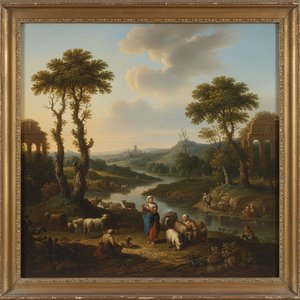
Nicolaes Berchem: Dutch Golden Age Pastoralism & the Evolution of Landscape Painting
Explore the captivating world of Nicolaes Berchem, a leading Dutch Golden Age painter. Discover his idyllic landscapes, masterful technique & lasting influence on art history. Learn more at OriginalUniqueArt.

Golden Light & Dutch Skies: The Timeless Magic of Dutch Golden Age Landscapes
Discover the breathtaking beauty of Dutch Golden Age landscapes. Explore the mastery of light, chiaroscuro, and 17th-century realism through an expert art history lens, celebrating the enduring legacy of the Dutch Masters for discerning collectors and art lovers.

Golden Light & Dutch Skies: Bringing the Magic of Dutch Golden Age Landscapes into Your Home
Transform your home with the breathtaking light of Dutch Golden Age landscapes. Discover how hand-painted oil reproductions of masterworks like Ruisdael and Vermeer bring timeless elegance, atmosphere, and soulful texture to modern interiors. Elevate your space with museum-quality art.
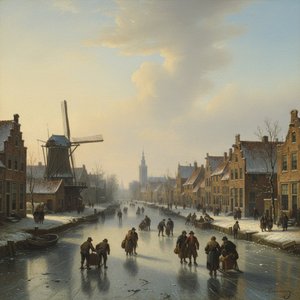
Charles Leickert: Capturing the Dutch Golden Age Light – A Comprehensive Study of Technique, Context, and Legacy
Explore the captivating winter landscapes of Charles Leickert, a master of Dutch Golden Age light & atmosphere. Discover his techniques, symbolism, and lasting legacy – a comprehensive study for art enthusiasts and collectors.