

 Előnézet
 Megosztás
 Megosztás
 Részletek
 Útmutató

 Letöltés
 Hasonló darabok
 X-ray felvétel
 Diavetítés
 Statisztika
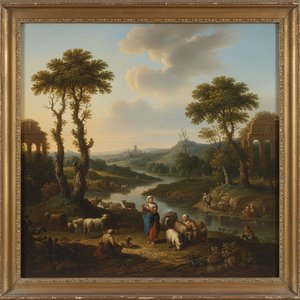
Hangout in Italy


 Tovább olvasom
Kézzel készített olajfestmény reprodukció
Kézzel festett olajvastú vászon, az Ön által választott méretben és keretben, művészeink készítik meglévőre. ( Váltás nyomtatványra Áttérés digitális képre)




P118B $10

P118H $10

P118W $10

P438Z $10

P508JH $12

P508YH $12

P805H $10

P805Z $10

P919BZ $10

P919G $10

P919XJ $10

P959ZH $10

P968JZ $12

W106C $8

W218G $10

W218JH $8

W218Y $10

W307PJ $10

W316G $10

W316PJ $8

W316Y $10

W398PJ $8

W4111J $10

W500HY $15

W500JH $15

W692G $12

W849H $8

W940BG $15

W953PJ $8




Válasszon előre meghatározott méreteink közül, amelyek megfelelnek a műalkotás eredeti arányainak.

Ön megadhat saját méreteket egy adott kerethez vagy térhez igazításhoz. Ha a kiválasztott méret nem egyezik az eredeti kép arányával, akkor a műalkotást levágjuk, vagy további kézzel festett elemekkel meghosszabbítjuk a festményt. A gyártás megkezdése előtt küldünk Önnek egy digitális előnézetet jóváhagyásra.
Kérjük, vegye figyelembe, hogy a képernyőn megjelenő előnézet nem tükrözi a tényleges vágást vagy kiterjesztést. Csak az előnézet fog pontosan mutatni a végső kompozíciót.
Bár egyedi méretek állnak rendelkezésre, javasoljuk, hogy válasszon egy méretet az előre meghatározott listából az eredeti arányok megőrzése érdekében.
A rendelést követően a OriginalUniqueArt.com csapata e-mailt küld az ügyfélnek az instrukciókért, és biztosít egy előnézeti képet (mockup).
Világszerte elérhető szállítás () 3-4 hét alatt a szokásos 5 hét helyett. (25 szeptember). A minőség nem kérdőjelezhető.

Ingyenes globális expressz szállítás

Prémium minőségű len vászon

Teljes körű szállítási biztosítás

Vámvisszatérítési Garancia

Tökéletes színarányosság garancia

100 napos visszaküldési garancia (csak gyártási hibás termékek esetén)

100% pénzvisszatérítési garancia

Több darab vásárlásakor kedvezmény
 Az üvegkeretes opció csak 110 cm alatti méretben érhető el

Hangout in Italy
Reprodukciós technika
Reprodukció méretei
-


Összesített ár
$ 300
A Glimpse of Italian Tranquility: Jan Asselijn’s “Hangout in Italy”
Jan Asselijn's "Hangout in Italy," painted around 1620, isn’t merely a depiction of a picturesque scene; it’s an invitation. An invitation to step into a moment of quiet contemplation amidst the burgeoning beauty of the Italianate landscape – a style that would profoundly influence generations of Dutch artists. This paper drawing, now housed in the Rijksmuseum Amsterdam, offers a remarkably intimate view, capturing not just the visual splendor but also a palpable sense of serenity and rustic charm. The work’s enduring appeal lies in its ability to transport us back to a time when art sought to emulate the sublime qualities of nature, mirroring the ideals of the Renaissance masters while imbuing them with a distinctly Dutch sensibility.
Asselijn, trained initially under Esaias van de Velde and deeply influenced by the Italianate painters like Bamboccio, skillfully employs a technique that balances meticulous detail with atmospheric softness. The composition is anchored by a weathered wooden structure – likely a small building or perhaps even a rustic pavilion – its timbers hinting at age and history. Around this central element unfolds a carefully arranged tableau of chairs, a bench, and a solitary figure, suggesting an impromptu gathering, a moment of respite from the journey. Notice how Asselijn masterfully utilizes *chiaroscuro*, the dramatic interplay of light and shadow, to sculpt form and create depth. The warm glow illuminating the building contrasts sharply with the cooler tones of the surrounding landscape, drawing our eye to the focal point while simultaneously establishing a sense of volume and texture within the scene.
The Italianate Influence: Echoes of Claude Lorraine
“Hangout in Italy” is a quintessential example of the Dutch fascination with the Italian landscape during the 17th century. Inspired by artists like Claude Lorrain, who painted idealized scenes of Arcadia and rural life, Dutch painters sought to capture the same sense of harmony between humanity and nature. However, Asselijn’s work departs from a purely imitative approach. He doesn't simply replicate Italian scenery; instead, he imbues it with a distinctly Dutch sensibility – a subtle melancholy, an appreciation for the weathered beauty of time, and a focus on capturing the *feeling* of a place rather than its precise topographical details. The slightly muted palette, the emphasis on atmospheric perspective, and the inclusion of everyday objects like chairs and benches all contribute to this nuanced interpretation.
The choice of paper as the medium is also significant. Paper drawings were favored by artists during this period for their portability and ability to capture delicate details. It allowed for a more immediate and spontaneous approach to painting, fostering a sense of intimacy between artist and subject. The drawing’s slightly aged appearance further enhances its appeal, suggesting that it has been cherished and viewed over time – adding to its historical weight and artistic value.
Symbolism and the Pursuit of Tranquility
Beyond its aesthetic qualities, “Hangout in Italy” invites contemplation about the human condition. The solitary figure, positioned centrally within the scene, suggests a moment of introspection or perhaps simply an appreciation for the beauty surrounding him. The arrangement of chairs and benches hints at social interaction, yet the overall atmosphere remains remarkably peaceful and contemplative. It’s a scene that speaks to the desire for escape – a longing for respite from the pressures of daily life and a connection with nature's restorative power.
Interestingly, historical research reveals connections to the Bentvueghels, a group of Dutch artists and engravers who specialized in producing illustrations of exotic locales. The painting’s subject matter – an Italian courtyard – would have been highly sought after by collectors eager to acquire representations of this fashionable destination. The inclusion of the figure further reinforces this sense of travel and discovery, inviting us to imagine ourselves joining him on his journey.
A Timeless Masterpiece: Reproduction and Beyond
“Hangout in Italy” remains a captivating work of art, offering a glimpse into a bygone era while simultaneously resonating with contemporary viewers. High-quality reproductions capture the painting’s delicate details and atmospheric qualities, allowing us to appreciate Asselijn's skill and vision from afar. Whether displayed as a statement piece in a grand salon or incorporated into a more intimate interior space, this timeless masterpiece continues to evoke a sense of tranquility, beauty, and the enduring allure of the Italian landscape.
A művész életrajza
A Life Forged in Landscape: The World of Jan Asselijn
Born Jean Asselin around 1610 in Dieppe, France, Jan Asselijn’s life unfolded against the backdrop of turbulent religious times and a burgeoning artistic revolution. His family, Huguenots fleeing persecution, relocated to Amsterdam in 1621 – a city pulsating with commercial energy and brimming with creative fervor during the Dutch Golden Age. This move proved transformative, immersing young Jean into an environment where landscape painting was rapidly shedding its formal conventions toward depictions that prioritized atmosphere and emotional resonance. Initially apprenticed under Jan Martszen the Younger, he honed his skills in battle scenes before discovering his true passion: capturing the splendor of both natural vistas and animal life with remarkable precision. The Dutch light – a phenomenon celebrated by artists like Rembrandt – would become an indelible element of Asselijn’s artistic vision, shaping his distinctive style and informing his profound understanding of how to convey emotion through visual representation.The Italianate Embrace & The Bentvueghels
Like many ambitious Northern European painters of the era, Asselijn felt compelled to refine his craft in Italy, arriving sometime after 1635. This journey cemented his allegiance to the *Italianate* style – a genre characterized by sun-drenched landscapes bathed in golden light, classical ruins hinting at antiquity’s grandeur, and pastoral scenes imbued with romantic idealism. He joined the ranks of the *Bentvueghels*, a peculiar society of Dutch and Flemish artists residing in Rome who defied artistic norms. These “Birds of a Feather” embraced unconventional behavior, adopting satirical nicknames and prioritizing direct observation – rejecting studio practice altogether. Within this spirited community, Asselijn earned the moniker "Krabbetje" (little crab) due to a congenital deformity affecting his hand, yet he persevered creatively, absorbing influences from masters like Pieter van Laer (Bamboccio), whose depictions of Roman peasant life and landscapes captivated him. This formative period instilled in him an ability to capture nuanced emotion and atmosphere—a skill that would become central to his artistic legacy.Mastering Light & Symbolism: Key Works
Upon returning to Amsterdam, Asselijn possessed a refined technique and a singular perspective. His paintings are distinguished by exceptional clarity of execution and masterful manipulation of light – qualities that swiftly garnered admiration from fellow artists and critics alike. While he produced historical canvases and battle scenes with dramatic flair, it was his landscapes and animal studies that truly solidified his reputation as an innovator. The Threatened Swan, completed around 1640, stands as Asselijn’s most celebrated masterpiece. More than simply a depiction of avian defense against predators, this painting became a potent emblem of Dutch national resilience during the Thirty Years' War – reflecting anxieties about external threats and interpreted as an allegory for Johan de Witt, Amsterdam’s influential statesman. The swan’s defiant posture, aggressively protecting its eggs from encroaching danger, resonated deeply with contemporary sensibilities and was even subjected to symbolic interpretations that underscored Asselijn’s artistic vision. Notable among his other achievements are Cavalry Charge at Sunset, showcasing his early training in battle scenes; and evocative depictions of rural life like Drovers with Cattle Under an Arch of the Colosseum in Rome—works that seamlessly blend Italianate aesthetics with meticulous animal observation. This painting exemplifies Asselijn’s ability to convey both visual beauty and subtle narrative depth. The Breach of the Saint Anthony’s Dike near Amsterdam, painted shortly before his death in 1652, powerfully captures a moment of national crisis—the devastating inundation caused by the bursting of the St Anthony's Dyke – demonstrating Asselijn’s capacity to portray dramatic events with remarkable realism and conveying the urgency of the situation. His meticulous attention to detail and masterful use of light elevated him among his peers, securing his place as one of the most accomplished landscape painters of his time. Asselijn’s influence extended beyond his own prolific output. He was recognized by Rembrandt, who even created etchings depicting Asselijn at work—a gesture that subtly acknowledged the artist's physical disability. Furthermore, he served as a mentor to Frederik de Moucheron, another prominent Dutch landscape painter who championed the Italianate style and disseminated Asselijn’s artistic principles throughout Europe. His enduring legacy resides in his groundbreaking approach to light and atmosphere—techniques that profoundly impacted subsequent generations of artists and ensured that Jan Asselijn's contribution to the history of art would continue to inspire awe and admiration for centuries to come.
Asselyn, János
1610 - 1652 , Francia
Gyors információk
- Artistic Movement Or Style: Olasz stílusú tájképfestészet
- Artists Or Movements Influenced By This Artist: ['Rembrandt']
- Artists Who Influenced This Artist:
- Pieter van Laer
- Esaias van de Velde
- Date Of Birth: 1610 körül
- Date Of Death: 1652
- Full Name: Jan Asselijn
- Nationality: Hollandi
- Notable Artworks: ['A Megfélegtett Lapát']
- Place Of Birth: Dieppe, Francia
Kapcsolódó cikkek

Golden Light & Dutch Skies: The Timeless Magic of Dutch Golden Age Landscapes
Discover the breathtaking beauty of Dutch Golden Age landscapes. Explore the mastery of light, chiaroscuro, and 17th-century realism through an expert art history lens, celebrating the enduring legacy of the Dutch Masters for discerning collectors and art lovers.

A Hollandi Aranykor 10 Mesterműve: Festmények, Amelyek Megváltoztatták a Világot | OriginalUniqueArt.com
Fedezze fel a Hollandi Aranykor 10 legikonikusabb műalkotását! Rembrandt, Vermeer és más mesterek festményeinek történeteit olvassa el. Barokk stílus, klasszikus művészet – inspirálódjon otthon dekorációjához a OriginalUniqueArt.com-on! Fedezze fel a teljes gyűjteményt online.

Golden Light & Dutch Skies: Bringing the Magic of Dutch Golden Age Landscapes into Your Home
Transform your home with the breathtaking light of Dutch Golden Age landscapes. Discover how hand-painted oil reproductions of masterworks like Ruisdael and Vermeer bring timeless elegance, atmosphere, and soulful texture to modern interiors. Elevate your space with museum-quality art.

Mastering Light & Land: An Art Historian's Guide to the Dutch Golden Age Landscape
Explore the breathtaking mastery of Dutch Golden Age landscapes. From Italianate light to atmospheric realism, discover the techniques of 17th-century masters and learn how to bring these timeless, museum-quality masterpieces into your home through expert oil reproductions.
Nicolaes Berchem: Dutch Golden Age Pastoralism & the Evolution of Landscape Painting
Explore the captivating world of Nicolaes Berchem, a leading Dutch Golden Age painter. Discover his idyllic landscapes, masterful technique & lasting influence on art history. Learn more at OriginalUniqueArt.
