

 Megtekintés
 Küldés
 Megosztás
 Részletek
 Útmutató

 Letöltés
 Hasonló darabok
 X-ray felvétel
 Diavetítés
 Statisztika
Lieu dit II (rot)
 Oil
Oil- WallArt
- Contemporary Art
 1989
1989- Contemporary
 218.0 x 314.0 cm
 Lentos Kunstmuseum Linz
 Összes részlet megjelenítése
Az ezen az oldalon megjelenített műalkotások szerzői jogi védelem alatt állnak, ami azt jelenti, hogy törvényileg nem készíthetünk és nem adhatunk el belőlük pontos másolatokat. Ez a védelem olyan nemzetközi megállapodások alapján érvényesül, mint például a Berni Egyezmény és a nemzeti jogszabályok által, beleértve azokat is, amelyeket meghatározott Az USA szerzői jogi törvénye – 17. cím.
Mint tiszteletes és törvényes alternatívát, olyan egyedi, kézzel festett alkotásokat kínálunk, amelyek az eredetiből merítnek inspirációt. Tapasztalt és professzionális művészeink alaposan tanulmányozzák az eredeti stílusát, hangulatát és művészeti esszenciáját, hogy egy olyan új, egyedi alkotást hozzunk létre, amely ugyanazt az érzést kelti – miközben önálló, eredeti alkotásként létezik.
Ez a módszer teljes mértékben megfelel a szerzői jogi szabályozásnak, mivel nem tartalmazza a védett műalkotás másolását vagy duplikálását. Ehelyett ez egy kreatív újinterpretáció – egy új festmény, amely az eredetivel való összefüggései miatt hatással van rá, de nem az az.
Kézzel készített olajfestmény reprodukció
Kézzel festett olajvastú vászon, az Ön által választott méretben és keretben, művészeink készítik meglévőre. ( Váltás nyomtatványra Áttérés digitális képre)




































Válasszon előre meghatározott méreteink közül, amelyek megfelelnek a műalkotás eredeti arányainak.

Írja be a kívánt szélességet és magasságot, hogy illeszkedjen a keretéhez vagy a falához. Mivel ez kézzel festett alkotás, egy eltérő formájú méret esetén a művész akár festhet is valamivel többet a kép körül, vagy korolathat is belőle — az Ön döntésének megfelelően. A festés megkezdése előtt küldünk egy digitális tervezetet jóváhagyásra. Az oldalon látható kép nem tartalmazza a végeredményt — csak a tervezet mutatja meg a valódi eredményt.
A rendelést követően a OriginalUniqueArt.com csapata e-mailt küld az ügyfélnek az instrukciókért, és biztosít egy előnézeti képet (mockup).
Világszerte elérhető szállítás () 3-4 hét alatt a szokásos 5 hét helyett. (26 október). A minőség nem kérdőjelezhető.

Ingyenes globális expressz szállítás

Prémium minőségű len vászon

Teljes körű szállítási biztosítás

Vámvisszatérítési Garancia

Hiteles színarányosság garancia

100 napos visszaküldési lehetőség (csak hibás termékek esetén)

100% pénzvisszatérítési garancia

Több darab vásárlásakor kedvezmény
 Az üvegkeretes opció csak 110 cm alatti méretben érhető el

Lieu dit II (rot)
Reprodukciós technika
Reprodukció mérete
-


Összesített ár
Ft 96304
A Symphony of Crimson Chaos
In the vast, immersive expanse of Lieu dit II (rot), the viewer is immediately plunged into a visceral, monochromatic world where color ceases to be merely a pigment and becomes an environment. Created in 1989 by the enigmatic German artist Jan Appel, this monumental oil painting—measuring a staggering 218 x 314 cm—commands the space it inhabits with an unapologetic intensity. The work is a masterclass in the use of red, utilizing a spectrum of scarlet, crimson, and deep vermilion to create a textured landscape that feels both tactile and atmospheric. At first glance, the composition presents a sense of profound disarray, as if a moment of creative destruction has been frozen in time. Scattered across the canvas are fragments of red fabric, scraps of paper, and even the sharp, metallic presence of scissors, all layered within a sea of crimson that blurs the line between painting and assemblage.
The technique employed by Appel in this late-career masterpiece suggests a deep engagement with the physical properties of his medium. Rather than seeking a smooth, illusionistic finish, the artist embraces the raw, sculptural quality of oil paint combined with mixed media elements. The way the fabric pieces interact with the painted surface creates a rhythmic, almost percussive visual texture, drawing the eye through a labyrinth of folds and edges. This approach evokes the spirit of late 20th-century abstraction, where the act of creation is as much about the physical struggle with materials as it is about the final image. For the collector or interior designer, this piece offers a profound sense of depth; its sheer scale and complex layering allow it to serve as a powerful focal point that changes character depending on the light and the angle of observation.
Historical Echoes and Emotional Resonance
To understand the turbulent energy of Lieu dit II (rot), one must consider the historical weight carried by Jan Appel. Though often remembered for his revolutionary political activism in early 20th-century Germany, Appel’s later artistic output reflects a lifetime of navigating social and structural upheaval. The "chaos" within this painting—the scattered remnants and the sense of fragmentation—can be read as a metaphor for the fractured nature of modern existence and the beautiful, messy process of reconstruction. There is a profound tension between the destruction suggested by the discarded scraps and the vibrant, life-affirming power of the red hue itself. It is an artwork that does not merely sit on a wall; it breathes with a restless, revolutionary spirit.
For those looking to integrate such a commanding work into a curated space, Lieu dit II (rot) offers unparalleled emotional impact. In a contemporary interior, this reproduction serves as a bold statement of sophistication and intellectual depth. It provides a warm yet provocative energy that can anchor a minimalist room or add a layer of complex history to a more traditional setting. The painting invites contemplation, prompting the viewer to find order within the disorder and beauty within the fragments. Owning a piece of this magnitude is an opportunity to possess a fragment of German art history—a work that captures the raw, unyielding pulse of human expression.
Kérdések és válaszok
Milyen nemzetiség áll a „Lieu dit II (rot)” Contemporary Art-ének hátterében?
A Contemporary Art korszak alkotása, a "Lieu dit II (rot)", egy Németország-ban született művész munkája.
Van-e rozšíngtott valóság (AR) előnézete a(z) "Lieu dit II (rot)" alkotásnak?
A „Lieu dit II (rot)”, Jan Appel alkotása mű kiterjesztett valóság technológiával, egy kompatibilis eszközön keresztül, a mű Kiterjesztett valóság előnézet oldalán megtekinthető a saját falán is.
Melyik szobához ajánlott a „Lieu dit II (rot)”, Jan Appel alkotása, színei alapján végezve?
A „Lieu dit II (rot)”, Jan Appel alkotása Dark színei tökéletesen illeszkednek a javasolt helyiséghez: egy Coworking.
A művész életrajza
Jan Appel forradalmi szelleme
Jan Appel, akinek élete elválaszthatatlanul szödték bele a 20. század eleji Németország viharos szerkezetét, a történelem egyik legrejtélyesebb protagonista marad. 1890-ben született Mecklenburgban, és sorsa a politikai felfordulások tűzei és a hajógyárm iparának nehézségei formálták. Bár gyakran radikális aktivizmusán keresztül emlékeznek rá, Appel személyisége a proletár intellektuális és a forradalmi teoretikus összetett szövetéről állt. Korai éveket a társadalmi változások iránti mély elkötelezettség határozta meg: 1908-ban csatlakkozott a SPD-hez, majd később a baloldali kommunista mozgalom meghatározó hangjává vált. Az 1918-as német forradalom visszhangjai végig kísérik életútját, jelezve, hogy ő nem csupán szemlélte a történelmet, hanem aktívan törekedett annak irányítására is.
Életét az ideológiai tisztaság és a cselekvés iránti könyörtelen törekvés jellemezte. A katonai szolgálatától kezdve a hamburgi Vulcan Werft hajógyárm ipari munkájáig Appel a osztályharc szívében élt. Mozgalom embere volt – politikai és fizikai értelemben egyaránt –, kiemelkedően részt vett a sztríksorbokban, amelyek a nagy háború utáni időszakban a békét és az igazságosságot követelték. A Spartacus-szövetséggel és a KPD-vel való kapcsolata, valamint szerepe a Forradalmi Munkástanácsok elnöki pozíciója, korának legintenzívebb politikai vitáinak középpontjába helyezte őt. Kalandos tettei, mint például egy gőzhajó elütése a KAPD nevében Oroszország eléréséhez, szintén a rend établi ellenfényében élt élet legszimbolikusabb emlékeiént szolgálnak.
Művészete a zűrzavar közepén
Bár elsősorban forradalmi tevékségeiről és elméleti hozzájárulásairól ismert, Jan Appel rendelkezett egy olyan művészi oldalgal is, amely más ablakot nyitott beléje. Festőként a vásznat arra használt, hogy kifejezze az őt formáló viharos kor mély megfontolásait. Művészete nem csupán egy hobbi volt, hanem egy olyan eszköz, amelyen keresztül a forradalom és a társadalmi felfordulások nyers valóságai tükröződhettek. Műveiben egy olyan ember visszhangjai hallhatóak, aki próbálta meg megőrizni egy változó világ lényegét, átfordítva a politikai küzdelem káoszát vizuális formává.
Appel dokumentált műveinek kevlysége tovább növeli misztikumát, így minden egyes darab a nagyobb, összetettebb narratíva értékes töredéke marad. Festményei az alkotás és az aktivizmus találkozási pontjaként állnak fenn, ahol a børtszint ébredő mozdulata a politikai manifesztum kiterjesztésévé válik. Bár talán nem érte el a klasszikus mesterek széles körű elismertségét, képessége arra, hogy esztétikai lencséjén keresztül közvetítse a 20. század eleji Németország szellemét, biztosítja helyét a kreativitás és az meggyőződés közötti történelmi párbeszédben.
Az ellenállás és a reflexió öröksége
Jan Appel öröksége mély összetettségű, áthidalja a szakadékot a hajógyárc entre és a műterem között, az elmélet és a tapasztalt élet között. Életútja a német forradalmi örökség létfontosságú tanulmánya, bemutatva, hogyan képes a személyes meggyőződés egy întet arra, hogy részt vegyen ideje legjelentősebb változásében. Autobiográfiáján és dokumentált politikai beavatkozásain keresztül glimpseet kaphatunk egy olyan ember gondolkodásmódjából, aki a világot a osztályharc és a művészi reflexió kettős szemszögéből látta.
Napjainkban Appel története továbbra is lenyűgözi a történelm embereit és a művészettudósokat egyaránt. Alapvető alak maradt a forradalmi korszak német identitásának sokrétűségének megértéséhez. Legyen teoretikus, aktivista vagy festő, Jan Appel az emberi szellem állandó erejének szimbólumaként áll ott, amely képes értelmet és igazságot keresni a legzűrzavarosabb történelmi áramlatok közepén is.

Jan Appel
1890 - 1985 , Németország
Rövid információk
- Date Of Birth: 1890
- Date Of Death: 1985
- Full Name: Jan Appel
- Nationality: Német
- Notable Artworks: ['Lieu dit II (rot)']
- Note: Jan Appel egy németforradalom és festő volt.
- Place Of Birth: Bremen, Németország
Kapcsolódó cikkek

Absztrakt Expresszionizmus Mesterei: 10 alkotás, ami meghatározta a művészetet | OriginalUniqueArt.com
Fedezze fel a 10 legikonikusabb absztrakt expresszionista alkotást! Ismerje meg Jackson Pollock, Mark Rothko és más mesterek történetét. Művészeti reprodukciók prémium minőségben – OriginalUniqueArt.com.

Geometrikus Absztrakció Mesterei: 10 Alapvető Műalkotás a Lakberendezéshez
Fedezze fel a geometrikus absztrakció 10 legikonikusabb műalkotását! Kandinsky, Mondrian és más mesterek festményeinek története inspirálja otthona dekorációját. Múzeumi minőségű reprodukciók a OriginalUniqueArt.com-on – fedezze fel online!
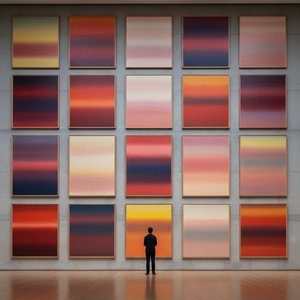
Mark Rothko 25 Mesterműve: Érzelmek és Színek a Modern Művészetben | OriginalUniqueArt
Fedezze fel Mark Rothko 25 legikonikusabb művét! Ismerje meg az absztrakt expresszionizmus mesterének érzelmi világát, színeit és technikáit. Múzeumi minőségű reprodukciók a OriginalUniqueArt-on – inspirálja otthonát egyedi faliképekkel! Explore the full collection online.

Crimson Threads of Narrative: Exploring Symbolism & Representation in Artworks Featuring the Red Dress
Explore the rich symbolism of the red dress in art history! From ancient power displays to iconic portraits like Cézanne’s 'Madame Cezanne', discover the cultural and artistic significance behind this captivating color. Expert analysis & insights.

Kandinsky Mesterművei: 25 Lenyűgöző Festmény a Modern Művészet Gyöngyszemeiből | OriginalUniqueArt
Fedezze fel Wassily Kandinsky 25 legikonikusabb művét! Merüljön el az absztrakt művészet világában, ismerje meg a színek és formák lenyűgöző történetét. Prémium minőségű reprodukciók és inspiráló dekorötletek a OriginalUniqueArt.com-on.