Megtekintés
 Küldés
 Megosztás
 Részletek
 Útmutató

 Letöltés
 Hasonló darabok
 X-ray felvétel
 Diavetítés
 Q&A
Q&A Statisztika
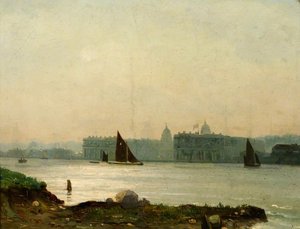
Egy malom Tintern közelében
 Akril vászonon
- Falfeliratok és faldekoráció
- Romantic Landscape Painting
 1826
1826 Bristol Museum And Art Gallery
 Összes részlet megjelenítése
Giclée / Műnyomat
Múzeumi minőségű giclée vagy vászonnyomat, gyors gyártással és rugalmas finomítási lehetőségekkel. ( Kézzel festett másolat rendelése Áttérés digitális képre)




P118B Ft10

P118H Ft10

P118W Ft10

P438Z Ft10

P508JH Ft12

P508YH Ft12

P805H Ft10

P805Z Ft10

P919BZ Ft10

P919G Ft10

P919XJ Ft10

P959ZH Ft10

P968JZ Ft12

W106C Ft8

W218G Ft10

W218JH Ft8

W218Y Ft10

W307PJ Ft10

W316G Ft10

W316PJ Ft8

W316Y Ft10

W398PJ Ft8

W4111J Ft10

W500HY Ft15

W500JH Ft15

W692G Ft12

W849H Ft8

W940BG Ft15

W953PJ Ft8




Válasszon előre meghatározott méreteink közül, amelyek megfelelnek a műalkotás eredeti arányainak.

Írja be a keretének vagy a falának megfelelő szélességet és magasságot. A nyomatot csak le lehet vágni, soha nem tehető nagyobbá, mint az eredeti kép, így egy eltérő alakú méretnél a kép egy része elveszik. Mielőtt bármit kinyatintanánk, küldünk egy digitális próbamodellt jóváhagyásra. Az oldalon látható kép nem tartalmazza a valós levágást — ezt csak a próbamodell mutatja meg.
Világszerte történő kiszállítás területére mindössze 2 hét alatt, a szokásos 4-5 hét helyett. (31 október)

Ingyenes globális expressz szállítás

Prémium minőségű len vászon

Teljes körű szállítási biztosítás

Vámvisszatérítési Garancia

Hiteles színarányosság garancia

100 napos visszaküldési lehetőség (csak hibás termékek esetén)

100% pénzvisszatérítési garancia

Több darab vásárlásakor kedvezmény
 Az üvegkeretes opció csak 110 cm alatti méretben érhető el

Egy malom Tintern közelében
Giclée / Műnyomat
Reprodukció mérete
-


Összesített ár
Ft 26157
James Francis Danby és Tintern Szépe – Egy Romantikus Épület Érze Mély Ünnepélyes Szeretetét
A James Francis Danby által alkotott „Tintern Szépe” című tájkép egy igazi kihívás minden művész számára, aki képes megközelíteni a romantika szellemét és az érzékiség hatalmát. Ez nem csak egy egyszerű tájkép; hanem egy teljes világ építése, amely mély érzelmeket és gondolatokat tükröz fel, és melynek szépsége örökké megmarad. Danby műve egy különleges helyet foglal el a brit romantikus hagyományban, és számos kritikus és gyűjtő figyelmét vonzza magával.- A Tájkép Származása és Érzelmi Mélysége:
- Danby Stílusának És Technikájának Megismerése:
- Tintern Szépe Hagyományos Kontextusa És Jelképes Szerinti Olvasata:
- Az Érzelmi Hatás És Az Ünnepélyes Szeretet Érze Mély Ünnepélyes Szeretetét
A Tájkép Származása és Érzelmi Mélysége
James Francis Danby Irlandiában született 1793-ban, és bár művészi karrierje nagy részét Nagy Britanniában töltötte meg, ő maga egy különleges helyzetből származik – az írországi romantikus hagyomány gyökerei mélyen átalakították alkotásait. Danby tájképei nem csak technikailag magas színvonalúak voltak, hanem elsősorban képesek voltak kifejezni a romantika alapvető jellegzetességét: az érzékiség hatalmát és az egyéni érzelmek mély ünnepélyes szeretetét. Érdekelték magukat különösen az időjárás változásai és azok hatása a tájra, és ezeket őszinte művészi érzékeléssel ábrázolták meg képei között. Együtt dolgozott George Petrievel és James Arthur O’Connorral, akik nagyban hozzájárultak Danby művészi fejlődéséhez és stílusához.Danby Stílusának És Technikájának Megismerése
Danby művészete egy igazán különleges technikával rendelkezik – az olajfestés használatával –, amely lehetővé teszi számára, hogy megközelítse a táj szépségét és erőteljes ünnepélyes szeretetét. Danby nagy méretű vásznakat használt fel alkotásaihoz, és gyakran alkalmazott különleges perspektívákat és fényeket, hogy még intenzívebb legyen az atmoszféra. Együtt dolgozott George Petrievel és James Arthur O’Connorral, akik nagyban hozzájárultak Danby művészi fejlődéséhez és stílusához. Az olajfestés előnye pedig abban rejlik, hogy hosszú ideig megőrzi színét és fényességét, így Danby tájképei képesek megközelteni az idő múlásának folyamatát és az évszakok változásait. Együtt dolgozott George Petrievel és James Arthur O’Connorral, akik nagyban hozzájárultak Danby művészi fejlődéséhez és stílusához.Tintern Szépe Hagyományos Kontextusa És Jelképes Szerinti Olvasata
A tájkép egy nyugodt vízfolyó mellett helyezkedik el, melynek partján egy nő ül – ez lehet egy szántóföldi munkás vagy egy egyszerű turista. Együtt dolgozott George Petrievel és James Arthur O’Connorral, akik nagyban hozzájárultak Danby művészi fejlődéséhez és stílusához. Az alkotás körülötte számos más ember található, akik azonban nem a fő központ szerepét töltik be képen belül. Egy bútor és egy növény helyezkedik el az alkotás jobb oldalán, ami tovább fokozza a táj nyugodt és szép környezetét. Danby műve egy különleges helyzetből származik – az írországi romantikus hagyomány gyökerei mélyen átalakították alkotásait. Együtt dolgozott George Petrievel és James Arthur O’Connorral, akik nagyban hozzájárultak Danby művészi fejlődéséhez és stílusához.Az Érzelmi Hatás És Az Ünnepélyes Szeretet Érze Mély Ünnepélyes Szeretetét
Danby tájképei nem csak egy egyszerű tájkép; hanem egy teljes világ építése, amely mély érzelmeket és gondolatokat tükröz fel. Együtt dolgozott George Petrievel és James Arthur O’Connorral, akik nagyban hozzájárultak Danby művészi fejlődéséhez és stílusához. Az alkotás szépsége örökké megmarad, és képes inspirálni minden látogatót – legyen szó művészettől vagy egyszerű dekorációs szeretőtől. Együtt dolgozott George Petrievel és James Arthur O’Connorral, akik nagyban hozzájárultak Danby művészi fejlődéséhez és stílusához.Kérdések és válaszok
Mennyire népszerű a "Egy malom Tintern közelében" a Romantic Landscape Painting irányzatban?
A „Egy malom Tintern közelében”, James Francis Danby alkotása a Elismert kategóriába tartozik, és a Romantic Landscape Painting irányzat részeként tekinthető.
A „Egy malom Tintern közelében”, James Francis Danby alkotása szerzői jogai megengedik a másolatok készítését?
A "Egy malom Tintern közelében" eredeti műve a Bristol Museum And Art Gallery gyűjteményében található, az alkotás pedig közösségi tulajdon – a szerzői jog lejártt státuszú.
Honnan érkeznek a „Egy malom Tintern közelében”, James Francis Danby alkotása látogatói?
A "Egy malom Tintern közelében" számára létre van hozva egy Statisztikák oldal. Ez az oldal ábrázolja a mű és a művész többi alkotásának havi látogatottságát, országon és nyelvenként bontva.
A művész életrajza
A Romantic Visionary: The Life and Art of James Francis Danby
Born in County Wexford, Ireland, in 1793, James Francis Danby emerged as a significant figure within the British Romantic movement, crafting landscapes imbued with dramatic intensity and emotional resonance. His canvases, often vast in scale and steeped in atmospheric effects, stand alongside those of contemporaries like John Martin and J.M.W. Turner, yet possess a unique character rooted in his Irish origins and artistic journey. Danby’s early life was marked by upheaval; the death of his father in 1807 forced a relocation to Dublin, where he began formal art training at the Royal Dublin Society's schools under James Arthur O’Connor and alongside George Petrie. This foundational period instilled in him not only technical skills but also an appreciation for landscape as a vehicle for expressing profound feeling—a hallmark of the burgeoning Romantic sensibility. A pivotal moment arrived in 1813 when Danby, accompanied by O’Connor and Petrie, ventured to London seeking artistic opportunities. Initial struggles led them to Bristol, where Danby discovered success selling watercolor drawings, an experience that proved crucial in shaping his developing style.The Flourishing of the Bristol School
Bristol became a fertile ground for Danby’s artistic growth, as he quickly rose to prominence within the informal collective known as the Bristol School. Initially centered around Edward Bird, this group fostered an environment of shared sketching excursions and mutual influence. Danby soon succeeded Bird as its leading figure, inheriting a naturalistic approach characterized by fresh colors and meticulous observation. Works like “Boys Sailing a Little Boat” (circa 1821) exemplify this early style, showcasing his ability to capture the subtle nuances of light and atmosphere. However, Danby’s ambition extended beyond mere representation; encouraged by figures such as Edward Villiers Rippingille, Francis Gold, and notably George Cumberland—a friend of William Blake—he began to explore more imaginative and poetic subjects. Cumberland's influence was particularly significant, suggesting themes for paintings and potentially introducing Danby to the visionary power of Blake’s art. This exposure ignited a shift towards grander, more emotionally charged compositions that would define his mature style. The Bristol School provided not just technical guidance but also a vital network of support and encouragement as Danby began to forge his own distinct artistic path.Dramatic Visions and Critical Acclaim
Danby’s breakthrough arrived with “The Upas Tree of Java” (1820), a painting that garnered immediate recognition and secured his election as an Associate Member of the Royal Academy. This work, depicting a poisonous tree from Indonesian folklore, showcased his mastery of dramatic composition and atmospheric effects—qualities that resonated deeply with the Byronic taste prevalent in the 1820s. He continued to produce ambitious canvases such as “Disappointed Love” (1821), demonstrating his characteristic poetical approach to landscape, potentially influenced by the writings of Samuel Taylor Coleridge. "An Enchanted Island" (1825) proved particularly influential, inspiring other Bristol School artists and earning praise from Letitia Elizabeth Landon in her celebrated collection, “The Troubadour.” His ambition reached new heights with “Opening of the Sixth Seal” (1828), a monumental work that showcased his continued mastery of dramatic composition. These works established Danby as a leading exponent of Romantic landscape painting, renowned for his ability to evoke powerful emotions and transport viewers to realms of imagination and awe. His style is characterized by vast illusionist canvases depicting grand, gloomy, and fantastic subjects – themes that resonated with the Byronic taste of the 1820s.Later Years and Enduring Legacy
Following a period spent on the shores of Lake Geneva in Switzerland and a brief sojourn in Paris, Danby returned to England in 1840, revitalizing his reputation with “The Deluge” – a monumental work that showcased his continued mastery of dramatic composition. While some later paintings, such as “The Woodnymph’s Hymn to the Rising Sun” (1845), displayed a calmer aesthetic, he ultimately returned to his earlier, more theatrical mode with pieces like “The Shipwreck” (1859). Throughout his career, Danby grappled with financial difficulties and critical fluctuations, yet he remained committed to his artistic vision. He continued exhibiting regularly, showcasing both new works and revisiting themes from his earlier successes. James Francis Danby died in 1861, leaving behind a body of work that continues to captivate audiences today. His legacy rests on his significant contribution to British Romantic art. Along with John Martin and J.M.W. Turner, he is celebrated for his imaginative landscapes and ability to evoke powerful emotions through his paintings, solidifying his place as a visionary artist of the 19th century.Key Characteristics of Danby’s Art
- Dramatic Landscapes: Vast, sweeping vistas often featuring turbulent skies and seas.
- Emotional Intensity: Paintings imbued with a sense of awe, mystery, and emotional depth.
- Romantic Themes: Exploration of themes such as the sublime, the power of nature, and human vulnerability.
- Illusionistic Technique: Masterful use of light, shadow, and perspective to create a sense of realism and grandeur.
- Narrative Elements: Many works incorporate narrative elements drawn from mythology, literature, or biblical stories.

James Francis Danby
1793 - 1861 , Írország
Rövid információk
- Artistic Movement Or Style: Romantika
- Artists Or Movements Influenced By This Artist: ['Bristol School']
- Artists Who Influenced This Artist:
- John Martin
- William Blake
- Date Of Birth: 1793
- Date Of Death: 1861
- Full Name: James Francis Danby
- Nationality: Ír
- Notable Artworks:
- The Upas Tree
- Disappointed Love
- An Enchanted Island
- Place Of Birth: Wexford, Írország
Kapcsolódó cikkek
Sir Alfred James Munnings legszebb 25 festménye – A vidéki Anglia és a lovak mestere | OriginalUniqueArt
Fedezze fel Sir Alfred James Munnings 25 legszebb festményét! Ismerje meg a vidéki Anglia és a lovak mesterének életművét, technikáját és inspirációit. Vásároljon exkluzív reprodukciókat a OriginalUniqueArt.com-on – múzeumi minőségben!

Francis Bacon legkiemelkedőbb művei: 25 lenyűgöző alkotás a modern művészetben | OriginalUniqueArt.com
Fedezze fel Francis Bacon 25 legkiemelkedőbb művét! Ismerje meg a modern művészet ikonikus festőjének sötét, érzelmes világát. Vászonképek, portrék és absztrakt alkotások – inspiráció otthonába. OriginalUniqueArt.com: múzeumi minőségű reprodukciók és exkluzív dekorációk online.

A Romantikus Tájképfestészet 10 Legikonikusabb Műalkotása – OriginalUniqueArt.com
Fedezze fel a romantikus tájképfestészet 10 legikonikusabb műalkotását! Caspar David Friedrich, J.M.W. Turner és más mesterek festményeinek története – inspiráló olajfestmények otthonába. OriginalUniqueArt.com: múzeumi minőségű reprodukciók és egyedi dekorációk online.

Claude Monet 25 Mesterműve: A Fény és a Szín Zsenialitása – OriginalUniqueArt.com
Fedezze fel Claude Monet 25 legikonikusabb mesterművét! Ismerje meg az impresszionizmus zseniális festőjének történetét, a fény és szín varázsát. Vásároljon exkluzív reprodukciókat otthona dekorációjához a OriginalUniqueArt.com-on!

James Abbott McNeill Whistler 25 Mesterműve: Hangulatok és Elegancia a Falakon
Fedezze fel James Abbott McNeill Whistler 25 legszebb művét! Ismerje meg a Nocturnok, portrék és az amerikai impresszionizmus mesterét. Elegáns faliképek otthonába – OriginalUniqueArt.com kínálatából. Böngésszen online!