A szöveg mérete

() ·

Egy Önnek készült, kézzel festett alkotás

Ecce Homo (Christ and the Critics)

Kézzel készített olajfestmény reprodukció

Kézzel festett olajvastú vászon, az Ön által választott méretben és keretben, művészeink készítik meglévőre. ( Váltás nyomtatványra Áttérés digitális képre)

A gyűjtemény leírása

James Ensor’s ‘Ecce Homo (Christ & Critics)’ – a haunting expressionist painting exploring judgment & faith. Discover its symbolism, unique style & enduring relevance.

A művész életrajza

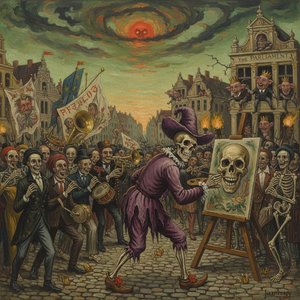
James Ensor (1860-1949) belgiai festő, az expresszionizmus és szürrealizmus úttörője. Szokatlan maskarák, karneválok és groteszk képeivel a psziché mélyebb rétegeibe hatol. Fedezd fel a sötét világát!

előbb ·

1. fejezet

Mekkora méretű legyen?

Húzza a csúszkát a méret megváltoztatásához; a bal oldali kép a keret valós szélességét mutatja. Az eredeti arányok megmaradnak.

Standard méret
egyedi méretű
CM
INCH

Válasszon előre meghatározott méreteink közül, amelyek megfelelnek a műalkotás eredeti arányainak.

szélesség
magasság

Írja be a kívánt szélességet és magasságot, hogy illeszkedjen a keretéhez vagy a falához. Mivel ez kézzel festett alkotás, egy eltérő formájú méret esetén a művész akár festhet is valamivel többet a kép körül, vagy korolathat is belőle — az Ön döntésének megfelelően. A festés megkezdése előtt küldünk egy digitális tervezetet jóváhagyásra. Az oldalon látható kép nem tartalmazza a végeredményt — csak a tervezet mutatja meg a valódi eredményt.

2. fejezet

Hogyan érkezzen meg?

Válaszd ki a feszített vászon széleit

Válassza ki a keretet

Corner sample of the WhiteWrap canvas edge finish, stretched on tömörfa bars
Fehér Ft1
Corner sample of the BlurSideWrap canvas edge finish, stretched on tömörfa bars
Elmosódott szélek Ft1
Corner sample of the ExtendedWrap canvas edge finish, stretched on tömörfa bars
Kiterjesztett Ft1
Corner sample of the P118B picture frame: formázott polisztirol, 5 cm wide and 3 cm thick
P118B Ft10
Corner sample of the P118H picture frame: formázott polisztirol, 5 cm wide and 3 cm thick
P118H Ft10
Corner sample of the P118W picture frame: formázott polisztirol, 5 cm wide and 3 cm thick
P118W Ft10
Corner sample of the P438Z picture frame: formázott polisztirol, 5.5 cm wide and 3.5 cm thick
P438Z Ft10
Corner sample of the P508JH picture frame: formázott polisztirol, 7 cm wide and 3.5 cm thick
P508JH Ft12
Corner sample of the P508YH picture frame: formázott polisztirol, 7 cm wide and 3.5 cm thick
P508YH Ft12
Corner sample of the P805H picture frame: formázott polisztirol, 5 cm wide and 3.5 cm thick
P805H Ft10
Corner sample of the P805Z picture frame: formázott polisztirol, 5 cm wide and 3.5 cm thick
P805Z Ft10
Corner sample of the P919BZ picture frame: formázott polisztirol, 7 cm wide and 3.5 cm thick
P919BZ Ft10
Corner sample of the P919G picture frame: formázott polisztirol, 7 cm wide and 3.5 cm thick
P919G Ft10
Corner sample of the P919XJ picture frame: formázott polisztirol, 7 cm wide and 3.5 cm thick
P919XJ Ft10
Corner sample of the P959ZH picture frame: formázott polisztirol, 5 cm wide and 3 cm thick
P959ZH Ft10
Corner sample of the P968JZ picture frame: formázott polisztirol, 6 cm wide and 4 cm thick
P968JZ Ft12
Corner sample of the W106C picture frame: tömörfa, 5 cm wide and 3 cm thick
W106C Ft8
Corner sample of the W218G picture frame: tömörfa, 5 cm wide and 3 cm thick
W218G Ft10
Corner sample of the W218JH picture frame: tömörfa, 5 cm wide and 3 cm thick
W218JH Ft8
Corner sample of the W218Y picture frame: tömörfa, 5 cm wide and 3 cm thick
W218Y Ft10
Corner sample of the W307PJ picture frame: tömörfa, 6 cm wide and 3 cm thick
W307PJ Ft10
Corner sample of the W316G picture frame: tömörfa, 6 cm wide and 3 cm thick
W316G Ft10
Corner sample of the W316PJ picture frame: tömörfa, 6 cm wide and 3 cm thick
W316PJ Ft8
Corner sample of the W316Y picture frame: tömörfa, 6 cm wide and 3 cm thick
W316Y Ft10
Corner sample of the W398PJ picture frame: tömörfa, 5 cm wide and 3 cm thick
W398PJ Ft8
Corner sample of the W4111J picture frame: tömörfa, 6.5 cm wide and 3.5 cm thick
W4111J Ft10
Corner sample of the W500HY picture frame: tömörfa, 7 cm wide and 5 cm thick
W500HY Ft15
Corner sample of the W500JH picture frame: tömörfa, 7 cm wide and 5 cm thick
W500JH Ft15
Corner sample of the W692G picture frame: tömörfa, 8 cm wide and 4 cm thick
W692G Ft12
Corner sample of the W849H picture frame: tömörfa, 5 cm wide and 3 cm thick
W849H Ft8
Corner sample of the W940BG picture frame: tömörfa, 7.5 cm wide and 4.5 cm thick
W940BG Ft15
Corner sample of the W953PJ picture frame: tömörfa, 6 cm wide and 3.5 cm thick
W953PJ Ft8
Corner sample of the H24-GOLD picture frame: faragott fa gesszóval, 10 cm wide and 6 cm thick
H24-GOLD Ft30
Corner sample of the H24-SILVER picture frame: faragott fa gesszóval, 10 cm wide and 6 cm thick
H24-SILVER Ft30
Corner sample of the H36-GOLD picture frame: faragott fa gesszóval, 15 cm wide and 6.5 cm thick
H36-GOLD Ft45
Corner sample of the H36-SILVER picture frame: faragott fa gesszóval, 15 cm wide and 6.5 cm thick
H36-SILVER Ft45

Keretprofil: . A kerettel együtt vett teljes méret: .

3. fejezet

Ki festi, és változtatni kellene-e bármit?

Példák a módosíthatóságra: Az arc kicserélése a vásárló fotójára; háziállat hozzáadása (pl. macska kicserélése kutyára); rejtett üzenet elhelyezése a háttérben; a háttér tájéképének vagy elemeinek megváltoztatása.
A megrendelést követően a OriginalUniqueArt.com csapat e-mailt küld a vásárlónak az instrukciókkal, és biztosítja a tervezeti előnézetet

Világszerte elérhető szállítás () 3-4 hét alatt a szokásos 5 hét helyett. (6 november). A minőség nem kérdőjelezhető.

4. fejezet

Az utolsó finomhangolás

Egy felirat, mint egy múzeumban?

A gravírozott bronztábla részletei

This elegant plaque features the artist's name and the title of the artwork, finely engraved for a timeless presentation.

It is made from bronze with a refined, elegant finish. The text is precisely laser-engraved for a sharp and permanent result. Measuring 9x2 cm, the plaque is compact yet easy to read. It's built to be durable and scratch-resistant, offering a professional, museum-quality look. Mounting is simple thanks to the included adhesive backing.

Átlátszó akril tábla részletei

The plaque includes essential engraved details such as the artist's name, the title of the artwork, the date it was created, the type of media used-like oil on canvas or watercolor-a brief description of the piece, and a QR code that links to the complete artwork information.

It is crafted from clear acrylic, offering a sleek, modern appearance. The text is UV-engraved in black to ensure strong visual contrast. With a size of 10x15 cm, it ensures optimal readability. It comes equipped with two metal hooks for secure wall mounting. The plaque is designed to be weather-resistant, making it suitable for various environments, and it includes interactive features that work seamlessly with smartphone scanning.

Fekete akril tábla részletei

This elegant plaque includes engraved information such as the artist's name, the title of the artwork, the date it was created, the type of media used (like oil on canvas or watercolor), a short description of the artwork, and a QR code for quick access to more information.

The plaque itself is made from refined black acrylic with a premium finish. The text is laser-engraved in white for high contrast and readability. Its size is 10x15 cm, designed to be easy to read. It comes with two metal hooks for professional mounting. The design is sleek and fits any interior style. It is also weather-resistant and durable, with built-in digital integration for mobile compatibility.

Egy védőréteg?

Mikor lenne szüksége rá?

5. fejezet

Az Ön által megrendelt festmény

Ecce Homo (Christ and the Critics)

Reprodukciós technika

Reprodukció mérete

-

Kiváló mesterművész

Nagyobb részletesség, finomság és bővített gyártási idő

-

Reprodukció keretezése

-

-

A bármely oldalsó méretét túlszálaló 105 cm (kb. 41 hüvelyk) meghaladó műalkotások vagy reprodukciók esetében a keret összeszerelhető készletként, szétszerelve kerül szállításra. Ez a módszer biztosítja a biztonságos szállítást, és megakadályozza a szállítás során fellépő sérüléseket.

Szakmész összeszerelést igényel – ez nem DIY (önösszeszerelhető) termék.
A készletet egy tapasztalt keretező szakembernek kell összeszerelnie és a vásznat feszítenie kell, fa ragasztó (nem tartalmazza a csomag), vásznfeszítő fogó és szorítók használatával, amelyek a ragasztó száradásáig a keretrészeket egymáshoz vuôngjba tartják. A helytelen összeszerelés vagy a nem egyenletes vásznfeszítés maradandó károsíthatja a műalkotást, és ez nem része a garanciánknak.

  • A készlet tartalmazza az összes tömörfa rudat, pontosan méretre vágva.

  • A mellékelt csavarokkal, valamint a sarokszerekhez szükséges faütő ragasztóval kell összeszerelnie (ez nem tartalmazható a csomagban), így a keretrendezőnek külön kell beszereznie.

  • A csomag nem tartalmazza a szükséges professzionális eszközöket: egy vászonfeszítőt és klipseket a rácsok vízszintes tartásához a ragasztó megszáradásáig.

Fontos:
A sarokcsatlakozásokhoz fánylagra van szükség, a keretrudakat szorítókapcsokkal kell rögzíteni, amíg a rag teljesen meg nem szárad, a kész keretre feszített vászonhoz pedig vászonfeszítő fogat szükséges. Ezek egyike sem található meg a készletben. Kérjük, rendelés előtt győződjön meg róla, hogy rendelkezik tapasztalt keretező szakemberrel.

Névtábla

-

-

Védőréteg (Lakk)

Fényes lakk (intenzívabb színek, védelem a fény és a nedvesség hatása ellen)

-

Műalkotásom egyedi igényre szabása

Példák a módosíthatóságra: az arc kicserélése az ügyfél fotójára; háziállat hozzáadása (pl. macska helyett kutya); rejtett üzenet elhelyezése a háttérben; a háttér tájainak vagy elemeinek megváltoztatása.

-

Sürgős

Világszerte szóló szállítás () mindössze 3-4 hét alatt, a szokásos 5 hét helyett. (6 november). A minőség nem kérdőjelezhető.

-

Express szállítás

Világszerte elérhető szállítás területre 5 héten belül. (13 november).

A szállítás díja tartalmazza

Összesített ár

Ft 114334

Összesített ár Ft 114334

Az üvegkeretes opció csak 110 cm alatti méretben érhető el

Minden rendelés mellé tartalmazva

  • Ingyenes globális expressz szállítás
  • Prémium minőségű len vászon
  • Teljes körű szállítási biztosítás
  • Vámvisszatérítési Garancia
  • Hiteles színarányosság garancia
  • 100 napos visszaküldési lehetőség (csak hibás termékek esetén)
  • 100% pénzvisszatérítési garancia
  • Több darab vásárlásakor kedvezmény

A Confrontation of Faith and Critique: Unveiling James Ensor’s *Ecce Homo (Christ and the Critics)*

James Ensor, a pivotal figure bridging 19th-century Symbolism and early 20th-century Expressionism, delivers a powerfully unsettling statement in *Ecce Homo (Christ and the Critics)*. This work isn't merely a painting; it’s a visceral exploration of judgment, societal hypocrisy, and the enduring struggle between faith and skepticism. Born from a period of intense personal turmoil and social upheaval, Ensor’s masterpiece continues to resonate with contemporary audiences, prompting reflection on our own tendencies toward scrutiny and condemnation.

Subject Matter & Narrative

The painting presents a starkly intimate scene featuring three male figures. A central figure, draped in what appears to be classical attire and adorned with a laurel wreath – symbols traditionally associated with victory or sanctity – holds a single red rose. He is the focal point of intense scrutiny from two onlookers. One observer sports modern spectacles and a mustache, grounding the timeless narrative within a contemporary context. The composition immediately establishes a dynamic tension: one figure presented, seemingly vulnerable, and two others engaged in critical observation. This arrangement directly references the biblical *Ecce Homo* ("Behold the Man") moment when Pontius Pilate presents Jesus Christ to the crowd before his crucifixion, setting the stage for a profound meditation on judgment and persecution.

Artistic Style & Technique

Ensor’s style in this work is distinctly Expressionist, characterized by bold brushstrokes, vibrant yet often unsettling color palettes, and deliberate distortions of form. The figures aren't rendered with photographic realism; instead, their features are exaggerated to convey emotional intensity and psychological depth. This expressive approach prioritizes the *feeling* of the scene over precise representation. The painting’s texture is rich and layered, suggesting a build-up of both paint and emotion. While details regarding the specific technique (oil on canvas) are known, the photo description suggests watercolor influences in its blending and surface quality – hinting at Ensor's experimental approach to media.

Symbolism & Interpretation

The symbolism within *Ecce Homo* is multi-layered and deliberately provocative. The red rose, traditionally associated with Christ’s passion and sacrifice, becomes a poignant symbol of vulnerability in the face of judgment. The laurel wreath hints at both honor and potential martyrdom. The modern attire of one critic suggests that this critique isn't confined to biblical times but is an ongoing human tendency. Ensor masterfully uses these symbols to challenge viewers to consider their own roles as observers and judges. Is society quick to condemn those who embody virtue or difference? The very title, echoing Pilate’s presentation of Christ, underscores the theme of societal judgment and its potential for cruelty.

Historical Context & Ensor's Vision

Born in 1860, James Ensor lived through a period of rapid social and political change. He was deeply critical of bourgeois society, religious hypocrisy, and the stifling conventions of his time. His art often served as a vehicle for satire and social commentary. *Ecce Homo* reflects this rebellious spirit, challenging traditional representations of Christ and questioning the motives behind societal judgment. Ensor’s work anticipated many of the themes that would come to define Expressionism – alienation, anxiety, and the subjective experience of reality.

Emotional Impact & Lasting Relevance

*Ecce Homo (Christ and the Critics)* is a deeply unsettling yet profoundly moving artwork. It evokes feelings of vulnerability, isolation, and moral discomfort. The painting’s enduring power lies in its ability to force viewers to confront their own biases and prejudices. It serves as a timeless reminder that judgment can be a destructive force and that empathy and understanding are essential for fostering a more compassionate world. This is not simply a historical piece; it's a mirror reflecting our contemporary struggles with acceptance, tolerance, and the courage to challenge societal norms.

Collecting & Interior Design Considerations

A high-quality reproduction of *Ecce Homo* can serve as a striking focal point in any interior space. Its complex composition and rich symbolism lend themselves well to contemplative environments – libraries, studies, or living rooms designed for intellectual engagement. The painting’s muted color palette complements both modern and traditional décor styles. Its thought-provoking nature makes it an ideal conversation starter and a testament to the collector's appreciation for art that challenges and inspires. Experience the depth and complexity of James Ensor’s artistic vision with a stunning reproduction from OriginalUniqueArt.com.

Kérdések és válaszok

Melyik szín tűnik ki leginkább a(z) "Ecce Homo (Christ and the Critics)" alkotásból?

A „Ecce Homo (Christ and the Critics)”, James Ensor alkotása domináns színe a Putty (#cdb99f).

Mi a "Ecce Homo (Christ and the Critics)" formátuma?

A "Ecce Homo (Christ and the Critics)" formátuma Landscape. Ez hasznos, amikor tervezünk, hogy a reprodukciót hová helyezzük el.

Hogyan egyensúlyozza a fényt és a sötétséget a "Ecce Homo (Christ and the Critics)"?

A „Ecce Homo (Christ and the Critics)”, James Ensor alkotása rögzített értékei: bright fényerő és Gentle Luminance luminancia.

Több információ erről a festményről

Megtekintés AR előnézet Váltás nyomtatványra Áttérés digitális képre Küldés
Részletek Útmutató Kedvencekhez ad Letöltés Hasonló darabok X-ray felvétel Diavetítés Kérdések és válaszok Statisztika

Számokban kifejezve

  • 29választható keretek
  • standard méretek, saját arányokkal
  • 5hetek a festésre és a kézbesítésre
James Ensor

James Ensor

1860 - 1949, Belgium

Gyors információk James Ensor művészről

  • Artistic Movement Or Style: Kifejező, szürreális
  • Artists Or Movements Influenced By This Artist:
    • Kifejezőművészet
    • Szürrealizmus
  • Artists Who Influenced This Artist:
    • Bruegel
    • Goya
    • Whistler
  • Date Of Birth: 1860. ápril 13.
  • Date Of Death: 1949. nov 19.
  • Full Name: James Sidney Edouard Ensor
  • Nationality: Belga
  • Notable Artworks:
    • A Szánalmas Maszkok
    • Skeptikusok
    • Krisztus bejárása
    • Szentháromszéki szenvázatok
  • Place Of Birth: Ostend, Belgium

A művész életrajza

A Life Immersed in Masks and Shadows: The World of James Ensor

James Sidney Edouard Ensor (Oostende, 1860. április 13. – Oestende, 1949. november 19.) belga expresszionista festő. Élete egy különleges keverék volt: apja angol, anyja belgák, ami talán a művész egész életében visszatérő témáihoz, a maszkokhoz és a hamis arcokhoz vezetett. A gyermekkorában, Ostend városka hangulatos tengerparti üdülőhelyén töltött évei nagyban befolyásolták őt – a karnaválok bizarr látlelete, a különös tárgyak, a szórakozás és a kalandok mind a művész fantáziáját ébresztették meg. Szülei egy emléktárgy-üzletet üzték, ahol maszkokat is árultak – ezek nagy hatással voltak későbbi munkásságára. Hosszú életének nagy részét Oostendében élte le, teljes magányosságban.

From Somber Realism to Grotesque Visions

Ensor korai művei inkább a hagyományos megközelítést tükrözik, azaz realista képeket festettek, melyek mély árnyalatúak és szomorúak. Művei, mint például *Russian Music* (1881) és *The Drunkards* (1883), egybenzős tehetséget mutatnak, de még ezekben az eleinte is feltűnő, zavaró képek jelei láthatók. Egy fordulópontot jelentett a művész életében, amikor a színeinek világossága nőtt, és a témái egyre bizarrabbak lettek. Elkezdte, hogy vásznait szellemekkel, sírszemélyekkel, harcoló koporsókkel és alegorikus alakokkal tölti meg – egy olyan világgal, amely a fantázia és a groteszk határán áll. Ez nem csupán stilisztikai változás volt; egy tudatos kutatás a lényeges emberi létezés sötétebb oldalai iránt, egy társadalmi normákat elutasító és az irracionálisra való hajlanás. Stílusa azonnal felismerhető volt: merész festői, élénk színei és színházi hangulata – egyedi vizuális nyelv, amely...

Masterpieces of Disquiet: Key Works and Recurring Themes

Ensor művészetében számos darab emelkedett ikonikus státusszra. *The Scandalized Masks* (1883) egykorai kiemelkedő alkotása, amely a maszkok erejét és képességeit mutatja be, hogy feltárják a rejtett érzelmeket. Talán legkontroversobb műve, *Christ's Entry into Brussels* (1888-1889), ma már világszerte elismert mesterdarab – egy szatíra vallási alázatlanságra és társadalmi közömbösségre. A Krisztus ostendában megjelenő, groteszk maszkokkal öltözött tömegének képe mélyen megrendítő, és a vallásos ideálok és az emberi viselkedés közötti szakadékot mutatja be. *Skeletons Fighting over a Hanged Man* (1891) egy szívszorító meditatív alkotás halállal, hanyatlással és az élet értelmetlenségével kapcsolatban, míg *Tribulations of Saint Anthony* (1887) összetett alegorikus témákat jelenít meg a szenvedélyről, a bűnről és a spirituális küzdelmekről. A művész egész életében visszatérő téma a halál, a társadalmi kritikák, vallási szatíra és az elképzelés végtelen ereje – témák, amelyek örök érvényűek.

A Pioneer of Modernism: Influences and Legacy

Bár Ensor ellenállta az egyszerű kategóriazást, művészi utóbbania összetett és izgalmas. A korai munkái hatása Bruegel a Nagyra volt jellemző, akinek zsúfolt képei és morálisan megítélő történetei inspirálták őt is. Goya munkássága is fontos szerepet játszott Ensor életművének kialakításában. James Abbott McNeill Whistler estételi szürrealizmusának hangsúlyozása is befolyásolta a művész stílusát. Azonban Ensor nem csupán egy utódot volt; összehangolt ezeket az érveket valami teljesen eredetiébe. Ma őt tekintik kulcsfigurává a 19. századi szimbolizmus és a korai 20. századi expresszionizmus és szürrealizmus átmenetében – egy igazi modern művészpénzső. Független, merészen kihívó stílusa, groteszk képeinek használata és az akadémiai normák elutasítása útját cleared a következő generációk számára. Bár kezdetben ellenállást talált munkájának, Ensor később jutott el elismertséghez, amikor 1929-ben báróssá nevezte ki Albert I király, és 1933-ban kapta meg a Légion d'Honneur kitüntetését. Halálával 1949-ben Oostendében, egy rövid betegség után búcsúzott el, hátrahagyva egy olyan művészeti örökséget, amely ma is magunkba foglalja és szórakoztatja a közönséget. *A hagyománynak örököse az művészet erejének tanúsága, ami szembenézhet a kellemetlen igazságokkal és feltárja az emberi létezés mélységeit.*

Gyors információk

  • style: Expressionist
  • title: Ecce Homo (Christ and the Critics)
  • artist: James Ensor
  • influences: Satire, social commentary, religious themes

Művészeti kvíz

Minden kérdésre csak egy helyes válasz létezik.

Kérdés 1:
James Ensor's 'Ecce Homo (Christ and the Critics)' is most strongly associated with which artistic movement?
Kérdés 2:
The title 'Ecce Homo' translates to what in English?
Kérdés 3:
What symbolic object is held by one of the figures in the painting, often associated with Christ?
Kérdés 4:
Ensor's use of distorted figures and vivid colors primarily serves to emphasize what aspect of his subjects?
Kérdés 5:
The painting can be interpreted as a critique of society's tendency to do what?