
 Megtekintés
 Küldés
 Megosztás
 Részletek

 Letöltés
 Hasonló darabok
 X-ray felvétel
 Diavetítés
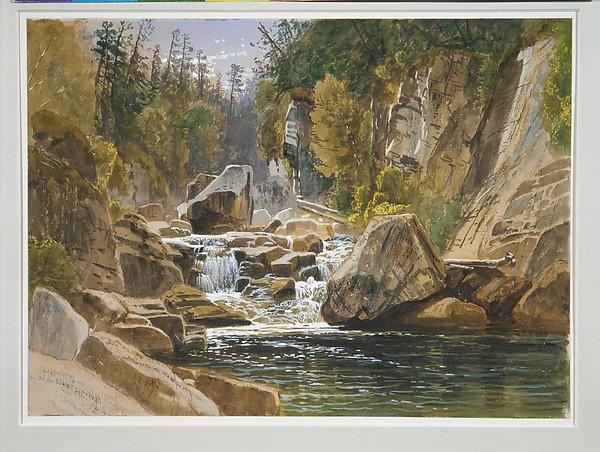
On the Ausable
 1869
1869 24.0 x 33.0 cm
 Összes részlet megjelenítése
Giclée / Műnyomat
Múzeumi minőségű giclée vagy vászonnyomat, gyors gyártással és rugalmas finomítási lehetőségekkel. ( Kézzel festett másolat rendelése Kép letöltése)




































Válasszon előre meghatározott méreteink közül, amelyek megfelelnek a műalkotás eredeti arányainak.

Megadhat saját méreteket is egy konkrét kerethez vagy helyszínhez igazítva. Amennyiben a kiválasztott méret nem egyezik az eredeti kép arányokkal, a műalkotást le fogjuk vágni, vagy kiegészítjük a képet tükrözött vagy egyszínű szélekkel. A gyártás megkezdése előtt egy digitális tervezetet küldünk jóváhagyásra.
Kérjük, vegye figyelembe, hogy a képernyőn látható előnézet nem tükrözi a tényleges levágást vagy kiegészítést. Csak a tervezet mutatja pontosan a végső kompozíciót.
Bár az egyedi méretek is elérhetőek, az eredeti arányok megőrzése érdekében azt javasoljuk, hogy válasszon a előre meghatározott listából származó méretet.
Világszerte történő kiszállítás területére mindössze 2 hét alatt, a szokásos 4-5 hét helyett. (21 augusztus)

Ingyenes globális expressz szállítás

Prémium minőségű len vászon

Teljes körű szállítási biztosítás

Vámvisszatérítési Garancia

Hiteles színpontosság garancia

60 napos visszaküldési lehetőség (csak hibás termékek esetén)

100% pénzvisszatérítési garancia

Több darab vásárlása esetén kedvezmény
 Az üvegkeretes opció csak 110 cm alatti méretben érhető el

On the Ausable
Giclée / Műnyomat
Reprodukció mérete
-


Összesített ár
$ 80
A művész életrajza
James David Smillie: Pioneer of American Landscape Painting
James David Smillie (1833 – 1909) stands as a pivotal figure in the Hudson River School, an influential movement that championed Romantic ideals and celebrated the grandeur of America’s natural landscapes. Born in Edinburgh, Scotland, Smillie's artistic journey began with early training in drawing and etching, disciplines that would profoundly shape his distinctive style and contribute to his enduring legacy. He emigrated to New York City in 1860, establishing himself as a respected artist and educator, and quickly becoming associated with prominent organizations like the American Watercolor Society and the New York Etching Club – institutions he actively helped to forge.- Early Life & Training: Smillie’s formative years instilled in him a meticulous attention to detail and an unwavering commitment to capturing the sublime beauty of nature. His formal education included studies at the Royal Scottish Academy, where he honed his artistic skills under the tutelage of celebrated painters.
- The Hudson River School Influence: Smillie’s artistic sensibilities were deeply rooted in the aesthetic principles of the Hudson River School. Artists like Frederic Church and Thomas Cole sought to depict landscapes imbued with spiritual significance, conveying a sense of awe and reverence for God's creation. Smillie embraced this ethos, prioritizing atmospheric perspective and dramatic lighting to convey emotion and grandeur.
- Notable Works: Among Smillie's most celebrated paintings are “Mountainous Landscape with a Sunset,” “On the Ausable,” and “Moat Mountain and White Horse Ledge, Study.” These works exemplify his mastery of atmospheric perspective and dramatic composition—elements that cemented his reputation as one of the foremost landscape painters of his era.
- Legacy & Recognition: Smillie’s contributions to American art extended beyond his individual creations. He served as a professor at Pratt Institute, nurturing generations of aspiring artists and fostering a tradition of artistic excellence. His influence can be discerned in the works of subsequent generations of landscape painters who sought to emulate his stylistic innovations.

james david smillie
1833 - 1909
A művészről röviden
- Artistic Movement Or Style: Hudson River School
- Artists Or Movements Influenced By This Artist: ['']
- Artists Who Influenced This Artist: ['']
- Date Of Death: 1909
- Full Name: James David Smillie
- Nationality: American
- Notable Artworks:
- Mountainous Landscape with a Sunset
- On the Ausable
- Moat Mountain and White Horse Ledge, Study

