

 Megtekintés
 Küldés
 Megosztás
 Részletek
 Útmutató

 Letöltés
 Hasonló darabok
 X-ray felvétel
 Diavetítés
 Q&A
Q&A Statisztika
LOUP DEVORANT UNE BREBIS


 Összes részlet megjelenítése
Giclée / Műnyomat
Múzeumi minőségű giclée vagy vászonnyomat, gyors gyártással és rugalmas finomítási lehetőségekkel. ( Kézzel festett másolat rendelése Áttérés digitális képre)




P118B Ft10

P118H Ft10

P118W Ft10

P438Z Ft10

P508JH Ft12

P508YH Ft12

P805H Ft10

P805Z Ft10

P919BZ Ft10

P919G Ft10

P919XJ Ft10

P959ZH Ft10

P968JZ Ft12

W106C Ft8

W218G Ft10

W218JH Ft8

W218Y Ft10

W307PJ Ft10

W316G Ft10

W316PJ Ft8

W316Y Ft10

W398PJ Ft8

W4111J Ft10

W500HY Ft15

W500JH Ft15

W692G Ft12

W849H Ft8

W940BG Ft15

W953PJ Ft8




Válasszon előre meghatározott méreteink közül, amelyek megfelelnek a műalkotás eredeti arányainak.

Írja be a keretének vagy a falának megfelelő szélességet és magasságot. A nyomatot csak le lehet vágni, soha nem tehető nagyobbá, mint az eredeti kép, így egy eltérő alakú méretnél a kép egy része elveszik. Mielőtt bármit kinyatintanánk, küldünk egy digitális próbamodellt jóváhagyásra. Az oldalon látható kép nem tartalmazza a valós levágást — ezt csak a próbamodell mutatja meg.
Világszerte történő kiszállítás területére mindössze 2 hét alatt, a szokásos 4-5 hét helyett. (29 október)

Ingyenes globális expressz szállítás

Prémium minőségű len vászon

Teljes körű szállítási biztosítás

Vámvisszatérítési Garancia

Hiteles színarányosság garancia

100 napos visszaküldési lehetőség (csak hibás termékek esetén)

100% pénzvisszatérítési garancia

Több darab vásárlásakor kedvezmény
 Az üvegkeretes opció csak 110 cm alatti méretben érhető el

LOUP DEVORANT UNE BREBIS
Giclée / Műnyomat
Reprodukció mérete
-


Összesített ár
Ft 25881
The Drama of Nature's Edge: An Encounter with Brascassat
To stand before Jacques Raymond Brascassat’s Loup Devorant une Brebis (The Wolf Devouring a Sheep) is to be plunged instantly into the raw, untamed heart of Romanticism. This painting is far more than a mere depiction of pastoral life; it is a visceral confrontation with nature's inherent brutality and the fragility of innocence. Brascassat, celebrated as a pioneer in animal painting, possessed an almost unparalleled gift for rendering creatures not just anatomically, but psychologically. Here, the composition explodes with kinetic energy. The viewer’s eye is immediately drawn into the central vortex of action—the wolf's menacing form poised against the scattering flock. It captures that fleeting, terrifying moment where order dissolves into primal instinct.
Mastery in Technique and Atmosphere
Technically, the work is a breathtaking display of 19th-century oil painting prowess on canvas. Brascassat employs a palette dominated by rich, earthy tones—deep greens, ochres, and shadowed browns that ground the scene in believable wilderness. Yet, this grounded realism is elevated by dramatic contrasts. Observe how the sunlight struggles to penetrate the dense foreground foliage; these filtered highlights of yellow and white lend an almost ethereal quality to the otherwise brutal subject matter. The artist’s brushwork itself speaks volumes: it appears loose and expressive when capturing the agitated movement of the fleeing sheep, contrasting sharply with the more defined textures found in the rough bark of the fallen log or the musculature of the predator. This interplay between detailed rendering and sweeping gesture gives the piece its profound sense of depth and immediacy.
Symbolism: The Eternal Struggle
Beyond the technical brilliance lies a deep layer of symbolism that has captivated art lovers for generations. The wolf, universally recognized as the embodiment of wild danger or unchecked appetite, confronts the sheep, the quintessential symbol of vulnerability, purity, and gentle life. This dynamic tension—the predator versus the prey—is not merely narrative; it is an allegory. It speaks to the perennial human struggle between civilization and savagery, between safety and peril. For the collector or decorator, this piece offers a potent focal point for any room, inviting contemplation on themes of guardianship, risk, and survival.
A Romantic Echo for Modern Spaces
For those seeking art that possesses both historical weight and undeniable emotional resonance, Loup Devorant une Brebis remains profoundly compelling. Its dramatic scope makes it a magnificent statement piece, capable of anchoring an entryway or serving as the centerpiece in a grand salon. While its subject matter is intense, the overall effect—the masterful control over light, shadow, and movement—lends it a sophisticated drama that complements both traditional and modern interiors. Owning a reproduction allows one to bring this captured moment of sublime natural conflict into your home, transforming a simple wall space into a gallery of raw, untamed emotion.
Kérdések és válaszok
Milyen reprodukciós méretet javasol a „LOUP DEVORANT UNE BREBIS”, Jacques Raymond Brascassat alkotása alkotáshoz?
A „LOUP DEVORANT UNE BREBIS”, Jacques Raymond Brascassat alkotása alkotáshoz egy Medium méretű reprodukciót javasolunk. A méret az arányok megőrzésével módosítható.
Ki készítette a(t): "LOUP DEVORANT UNE BREBIS"?
A "LOUP DEVORANT UNE BREBIS" alkotója Jacques Raymond Brascassat. A mű Jacques Raymond Brascassat nevére van katalógusozva.
Milyen nyomtatási méretet és vízszességet javasol a „LOUP DEVORANT UNE BREBIS”, Jacques Raymond Brascassat alkotása?
Medium méret, Landscape elrendezés: ez a(z) „LOUP DEVORANT UNE BREBIS”, Jacques Raymond Brascassat alkotása alkotáshoz javasolt nyomtatási beállítás.
A művész életrajza
Jacques Raymond Brascassat: A Pioneer of Animal Painting
Jacques Raymond Brascassat (August 30, 1804 – February 28, 1867) stands as a singular figure in French Romanticism, celebrated primarily for his breathtaking depictions of animals—a genre he elevated to unprecedented levels of realism and psychological insight. Born in Bordeaux, France, Brascassat’s artistic journey began under the tutelage of Louis Hersent at the École des Beaux-Arts in Paris, where he honed his skills and secured a prestigious second place in the Prix de Rome competition of 1825 with “The Hunt of Meleager,” establishing him as an artist of considerable promise. This early success foreshadowed a lifelong dedication to capturing the essence of the natural world through meticulous observation and masterful technique.- Early Influences: Brascassat’s artistic sensibilities were profoundly shaped by Romantic ideals—a fascination with emotion, imagination, and the sublime beauty of untamed landscapes. The fervor for portraying dramatic scenes from mythology and folklore resonated deeply within him, informing his stylistic choices.
- Italian Sojourn & Landscape Studies: Recognizing the importance of grounding artistic vision in direct experience, Brascassat traveled extensively throughout Italy between 1827 and 1835. During this period, he immersed himself in studying Italian landscapes—particularly those imbued with grandeur and atmospheric drama—drawing inspiration from artists like Claude Lorrain and Nicolas Poussin. These formative years instilled in him a profound understanding of tonal painting and compositional balance.
The Rise of Animal Painting: Bulls Fighting and Beyond
Brascassat’s artistic focus swiftly shifted toward animal painting, marking him as one of the foremost practitioners of this challenging genre. Unlike many artists of his time who favored idealized representations, Brascassat relentlessly pursued accuracy—capturing not merely the physical appearance of animals but also their behavior and emotional states. His iconic “Bulls Fighting” (1837), housed in Nantes Museum of Arts, Nantes, France, exemplifies this commitment to realism, presenting a visceral portrayal of the confrontation between bull and matador with remarkable detail and psychological nuance. Similarly, his “Cow Attacked by Wolves” (1845) displayed at Museum of Fine Arts, Leipzig, Germany, showcases an equally compelling depiction of animal struggle—a testament to Brascassat’s ability to convey emotion through visual language.Technique and Artistic Vision
Brascassat's artistic method was characterized by a meticulous approach to tonal painting. He painstakingly built up layers of color, utilizing subtle gradations to create atmospheric depth and conveying the textures of animal fur with astonishing precision. His canvases pulsated with life—infused with an almost palpable sense of movement and emotion. Brascassat’s paintings weren't merely representations of animals; they were explorations of their inner lives—expressions of courage, vulnerability, and primal instinct.Recognition and Legacy
Brascassat’s unwavering dedication to his craft garnered him considerable acclaim during his lifetime. He was elected a member of the Académie française in 1846—a prestigious honor recognizing his artistic merit and intellectual contribution—solidifying his place among France's leading artists. Though he died prematurely at the age of sixty-two, Brascassat’s influence endured, inspiring subsequent generations of painters to embrace realism and psychological depth in their depictions of animals. His enduring legacy resides not only in his stunning artworks but also in his pioneering role as a champion of naturalistic observation—a cornerstone of artistic achievement.
Jacques Raymond Brascassat
1804 - 1867
Rövid információk
- Full Name: Jacques Raymond Brascassat
- Nationality: French
- Date Of Birth: 1804
- Date Of Death: 1867
- Place Of Birth: Bordeaux, France
- Notable Artworks:
- Bull Fighting
- Cow Attacked by Wolves
- Artistic Movement Or Style: Realism
- Artists Who Influenced This Artist: ['Louis Hersent']
- Artists Or Movements Influenced By This Artist: ['Rosa Bonheur']
Kapcsolódó cikkek

Beyond the Screen: Transforming Personal Memories into Timeless AI-Driven Anime Masterpieces
Experience the magic of digital metamorphosis. Transform your cherished photos into stunning, hand-painted anime masterpieces using our proprietary AI technology and professional artists. Elevate your personal story with a timeless, high-quality oil painting on canvas.

The Enduring Legacy of Fine Art Prints: Technique, History & Aesthetic Impact
Explore the rich history & techniques of fine art prints. Discover investment potential, assess authenticity, and learn how to preserve your collection with expert guidance. Trusted insights for discerning collectors.
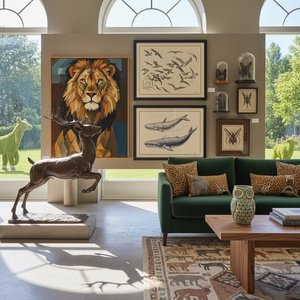
Állatok a művészetben: Szimbolizmus és jelentés a festményekben
Fedezze fel az állatok rejtett szimbolikáját a művészetben! Mélyreható elemzésekkel segítünk megérteni a festmények jelentését, a középkortól a modern korig. Ismerje meg a művészettörténet legérdekesebb aspektusait!

From Selfie to Studio Masterpiece: Transform Your Photos into Stunning AI-Driven Anime Art with OriginalUniqueArt
Step into the spotlight with OriginalUniqueArt's AI-driven transformation. Turn your photos into stunning, hand-painted anime oil masterpieces. Experience the perfect fusion of cutting-edge technology and museum-grade craftsmanship to create a timeless pop-culture legacy for your home.

Giclée Prints: Archival Quality & Aesthetic Nuances for the Discerning Collector
Explore the world of giclée prints with OriginalUniqueArt. Learn about archival quality, aesthetic nuances & investment potential. Expert guidance for discerning art collectors seeking museum-quality reproductions and lasting value.