Megtekintés
 Küldés
 Megosztás
 Részletek

 Letöltés
 Hasonló darabok
 X-ray felvétel
 Diavetítés
 Statisztika
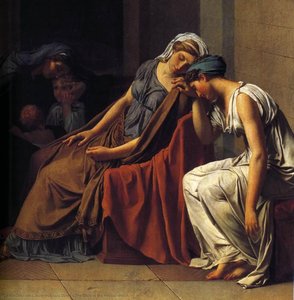
Christ on the Cross
 Acrylic On Canvas
- WallArt
- Neoclassical Style
 1782
1782 276.0 x 188.0 cm
 Szent Vincenc templom
 Összes részlet megjelenítése
Kézzel készített olajfestmény reprodukció
Kézzel festett olajvastú vászon, az Ön által választott méretben és keretben, művészeink készítik meglévőre. ( Áttérés Nyomtatványra Áttérés digitális képre)




P118B $10

P118H $10

P118W $10

P438Z $10

P508JH $12

P508YH $12

P805H $10

P805Z $10

P919BZ $10

P919G $10

P919XJ $10

P959ZH $10

P968JZ $12

W106C $8

W218G $10

W218JH $8

W218Y $10

W307PJ $10

W316G $10

W316PJ $8

W316Y $10

W398PJ $8

W4111J $10

W500HY $15

W500JH $15

W692G $12

W849H $8

W940BG $15

W953PJ $8




Válasszon előre meghatározott méreteink közül, amelyek megfelelnek a műalkotás eredeti arányainak.

Ön megadhat saját méreteket egy adott kerethez vagy térhez igazításhoz. Ha a kiválasztott méret nem egyezik az eredeti kép arányával, akkor a műalkotást levágjuk, vagy további kézzel festett elemekkel meghosszabbítjuk a festményt. A gyártás megkezdése előtt küldünk Önnek egy digitális előnézetet jóváhagyásra.
Kérjük, vegye figyelembe, hogy a képernyőn megjelenő előnézet nem tükrözi a tényleges vágást vagy kiterjesztést. Csak az előnézet fog pontosan mutatni a végső kompozíciót.
Bár egyedi méretek állnak rendelkezésre, javasoljuk, hogy válasszon egy méretet az előre meghatározott listából az eredeti arányok megőrzése érdekében.
A rendelést követően a OriginalUniqueArt.com csapata e-mailt küld az ügyfélnek az instrukciókért, és biztosít egy előnézeti képet (mockup).
Világszerte elérhető szállítás () 3-4 hét alatt a szokásos 5 hét helyett. (11 szeptember). A minőség nem kérdőjelezhető.

Ingyenes globális expressz szállítás

Prémium minőségű len vászon

Teljes körű szállítási biztosítás

Vámvisszatérítési Garancia

Hiteles színpontosság garancia

100 napos visszaküldési lehetőség (csak hibás termékek esetén)

100% pénzvisszatérítési garancia

Több darab vásárlása esetén kedvezmény
 Az üvegkeretes opció csak 110 cm alatti méretben érhető el

Christ on the Cross
Reprodukciós technika
Reprodukció mérete
-


Összesített ár
$ 300
A Monumental Testament to Faith: Jacques-Louis David’s “Christ on the Cross”
The painting "Christ on the Cross," executed by Jacques-Louis David in 1782, stands as a cornerstone of Neoclassical art and a profound meditation on Christian iconography. More than just a depiction of suffering, it embodies the intellectual fervor and moral aspirations that characterized France during the twilight years of the Bourbon monarchy – a period grappling with burgeoning Enlightenment ideals while clinging to traditions rooted in centuries of religious devotion. David’s masterful rendering captures not merely physical pain but also an overwhelming spiritual anguish, reflecting the anxieties and uncertainties simmering beneath the surface of aristocratic society.The Style and Technique: Classical Precision Meets Emotional Depth
David's approach to painting distinguishes itself from the ornate excesses of Rococo through its unwavering commitment to classical principles. Influenced heavily by Michelangelo’s Pietà and Roman sculpture, he meticulously studied anatomical accuracy and idealized form—elements considered paramount in conveying moral virtue and intellectual seriousness. The canvas employs a pyramidal composition, mirroring architectural grandeur and reinforcing Christ's central position as the focal point of divine grace. David utilized oil paints on canvas with painstaking detail, layering glazes to achieve luminous skin tones and capturing subtle nuances of expression. This technique prioritizes clarity and restraint, eschewing frivolous ornamentation for an austere beauty that speaks directly to the viewer’s intellect and conscience.Historical Context: A Nation Seeking Redemption
Painted just before the eruption of the French Revolution, “Christ on the Cross” reflects a palpable yearning for moral reform within the aristocracy. The Bourbon monarchy was facing increasing pressure from Enlightenment thinkers who questioned papal authority and championed reason over dogma—a clash that threatened to destabilize the established order. David’s artwork served as a visual manifesto for these sentiments, presenting Christ as an embodiment of compassion, humility, and sacrifice – virtues deemed essential for rebuilding a fractured nation. The painting's solemn grandeur resonated powerfully with audiences eager for symbols of stability and moral fortitude amidst growing social unrest.Symbolism: Layers of Meaning Beyond the Visible
The iconography within “Christ on the Cross” is rich in symbolic significance. Christ’s outstretched arms represent universal suffering and divine compassion, mirroring the biblical narrative of atonement. The wounds on his body symbolize spiritual purification and foreshadow the resurrection—a cornerstone of Christian faith. The figures flanking Christ – believed to be Saint Mary Magdalene and Nicodemus – embody unwavering devotion and contemplation. Even the bird perched atop the cross is interpreted as representing hope and divine providence, reminding viewers that suffering ultimately leads to salvation.Emotional Impact: A Portrait of Spiritual Suffering
David’s depiction transcends mere visual representation; it strives to evoke profound emotional response. The artist skillfully conveys Christ's agony through subtle gestures and facial expressions—a gaze filled with sorrow and vulnerability—capturing the essence of human experience confronted by divine majesty. The painting compels viewers to contemplate themes of sacrifice, compassion, and redemption, prompting introspection on matters of faith and morality. It remains a testament to David’s ability to transform artistic skill into a vehicle for conveying enduring spiritual truths – an achievement that secures its place as one of the most iconic images of Christian iconography.A művész életrajza
A Brushstroke Across Revolution: The Life and Art of Jacques-Louis David
Jacques-Louis David, born in Paris in 1748, was more than just a painter; he was a visual chronicler of an era defined by upheaval, idealism, and the relentless pursuit of new orders. His life mirrored the dramatic shifts unfolding across France – from the waning opulence of the Rococo to the austere clarity of Neoclassicism, and ultimately, through the tumultuous years of revolution and Napoleonic glory. A childhood marked by the early loss of his father and a facial impediment that initially hindered his speech seemed only to sharpen his observational skills and fuel an unwavering dedication to artistic mastery. Though initially apprenticed to François Boucher, David quickly found himself drawn to the more morally resonant work of Joseph-Marie Vien, whose emphasis on history painting and classical subjects resonated with a burgeoning sense of purpose within the young artist. His early attempts to win the prestigious Prix de Rome were fraught with frustration, yet these repeated setbacks only intensified his resolve, forging a relentless perfectionism that would characterize his entire career.The Birth of Neoclassical Drama
David’s artistic evolution wasn't merely a stylistic shift; it was a philosophical statement. He rejected the frivolous ornamentation and playful themes of the Rococo, embracing instead the clarity, order, and moral seriousness inherent in classical antiquity. This commitment was profoundly influenced by archaeological discoveries at Pompeii and Herculaneum, which unveiled a world of Roman art and architecture previously lost to time. These unearthed ruins ignited within him a profound respect for the rationalism and civic virtue of the ancient Romans – values he believed were desperately needed in his own era. His breakthrough came with “Oath of the Horatii” (1784), a painting that transcended mere artistic skill to become an emblem of civic virtue and patriotic sacrifice. The stark composition, dramatic lighting, and precise draftsmanship were revolutionary, signaling a decisive break from the past. It wasn’t simply *what* he painted but *how* – a deliberate construction designed to evoke powerful emotional responses and inspire contemplation on themes of duty, honor, and self-sacrifice. The figures are rendered with an almost sculptural quality, their bodies idealized according to classical principles, while the scene unfolds with a dramatic intensity that captures the viewer’s attention. This work didn't just announce a new style; it foreshadowed the ideological currents that would soon sweep across France.Revolution and Remembrance: Art as Political Weapon
As the French Revolution erupted in 1789, David was not merely an observer but an active participant. A fervent supporter of the revolutionary cause and a close associate of Maximilien Robespierre, he saw art as a powerful tool for shaping public opinion and immortalizing the ideals of the new republic. He believed that art could inspire virtue, promote civic engagement, and serve as a visual testament to the sacrifices made in the name of liberty. During this period, David’s paintings became potent symbols of revolutionary martyrdom and republican fervor. Perhaps his most iconic work from this era is “The Death of Marat” (1793), a hauntingly realistic depiction of the assassinated journalist, transformed into a secular saint. The painting's stark simplicity – the pale body, the makeshift desk, the poignant letter clutched in Marat’s hand – elevates the scene to a level of profound emotional resonance. David deliberately chose this subject matter, recognizing Marat’s role as a champion of the people and seeking to elevate him to the status of a revolutionary hero. He meticulously researched the details of Marat's death, striving for an unparalleled degree of realism that heightened the painting’s impact. Alongside “The Death of Marat,” David created other powerful images reflecting the revolution’s ideals, including "The Death of Socrates" and "The Lictors Bringing Brutus the Bodies of His Sons," each imbued with a solemn dignity and moral weight.From Revolution to Empire: Serving Napoleon
The fall of Robespierre marked another turning point in David's career. With remarkable adaptability, he navigated the shifting political landscape and aligned himself with Napoleon Bonaparte, becoming the First Consul’s official court painter. This new patronage ushered in a period of grand-scale commissions designed to glorify Napoleon’s victories and achievements. “Napoleon Crossing the Alps” (1801-1805) is perhaps the most famous example – a masterful piece of propaganda that presents Napoleon as a heroic, almost mythical figure conquering both nature and adversity. The painting's dramatic composition, dynamic lighting, and idealized portrayal of Napoleon capture the spirit of his military genius and ambition. David’s skill in depicting movement and emotion is particularly evident here, creating an image that transcends mere historical record to become a potent symbol of Napoleonic power. He continued to produce works celebrating Napoleon’s triumphs throughout his reign, including “The Coronation of Napoleon” (1807), an immense canvas capturing the opulence and grandeur of the imperial ceremony. During this time, David's palette subtly shifted, incorporating warmer Venetian colors while maintaining the precision and clarity that defined his style – a reflection of the imperial splendor he was tasked with portraying.Exile, Legacy, and Enduring Influence
The Bourbon Restoration in 1814 brought renewed peril for David, whose association with the fallen Napoleon made him a target of persecution. He chose exile in Brussels in 1816, where he continued to paint and teach until his death on December 29, 1825. Despite facing hardship and political opposition, David remained committed to his art, producing works that reflected his evolving philosophical perspectives. Even in exile, his influence remained profound. He trained numerous pupils, including Jean-Auguste-Dominique Ingres, who would become one of the most important neoclassical painters of the 19th century. David’s emphasis on draftsmanship, composition, and historical accuracy left an indelible mark on French art. His legacy extends beyond mere imitation; his expressive distortions of form and space even foreshadowed the innovations of later artists like Henri Matisse and Pablo Picasso. Jacques-Louis David was not simply a painter of his time; he *defined* it, capturing its spirit of revolution, ambition, and enduring ideals on canvas for generations to come.- Major Achievements: Established Neoclassicism as the dominant style in French painting.
- Historical Significance: Created iconic images that captured the spirit of the French Revolution and the Napoleonic era.
- Influence: Trained a generation of influential artists who carried on his legacy.

Jacques-Louis David
1748 - 1800 , Franciaország
A művészről röviden
- Artistic Movement Or Style: Neoklasszicizmus
- Artists Or Movements Influenced By This Artist:
- Ingres
- Matisse
- Picasso
- Artists Who Influenced This Artist:
- Joseph-Marie Vien
- Raphael Mengs
- Date Of Birth: 1748. augusztus 30.
- Date Of Death: 1825. december 29.
- Full Name: Jacques-Louis David
- Nationality: Francia
- Notable Artworks:
- Oath of the Horatii
- Marat halála
- Napóleon átkel a hevéről
- Place Of Birth: Párizs, Franciaország
Kapcsolódó cikkek
The Revival of Antiquity: Exploring Ideals of Beauty & Power in Neoclassical Portraiture
Explore the captivating world of Neoclassical portraiture! Discover the power & ideals behind masterpieces by David, Girodet & more. Expert analysis, custom reproductions & art appraisal at OriginalUniqueArt.

Barokk dráma: A nagyság és az érzelem bevonása a kortárs belső terekbe
Fedezze fel a barokk stílus nagyságát és drámáját! Ismerje meg a belsőépítészet jellegzetességeit, inspirálódjon híres enteriőrökből, és valósítsa meg álmai luxus otthonát szakértő útmutatásunkkal.

A Barokk Mesterek 10 Legikonikusabb Remekműve – OriginalUniqueArt.com
Fedezze fel a barokk művészet 10 legpártosabb remekművét! Caravaggio, Rembrandt és Vermeer alkotásainak története – OriginalUniqueArt.com kínálatában exkluzív reprodukciók és inspiráló dekorációs ötletek várják Önt. Nézze meg most!

The Dramatic Flourish: Exploring the Baroque Movement's Enduring Legacy in Art History
Explore the dramatic world of Baroque art! Discover iconic artists like Caravaggio & Rubens, defining techniques, and its lasting impact on art history. Expert insights for collectors & enthusiasts at OriginalUniqueArt.

Jacques-Louis David: Neoclassical Ideals & Revolutionary Witness
Explore the life & art of Jacques-Louis David, leading Neoclassical painter of the French Revolution. Discover iconic works like 'The Death of Marat' and his lasting impact on art history. Expert analysis & high-quality reproductions at OriginalUniqueArt.