

 Megtekintés
 Küldés
 Megosztás
 Részletek
 Útmutató

 Letöltés
 Hasonló darabok
 X-ray felvétel
 Diavetítés
 Q&A
Q&A Statisztika
The Exodus


 Összes részlet megjelenítése
Giclée / Műnyomat
Múzeumi minőségű giclée vagy vászonnyomat, gyors gyártással és rugalmas finomítási lehetőségekkel. ( Kézzel festett másolat rendelése Áttérés digitális képre)




P118B Ft10

P118H Ft10

P118W Ft10

P438Z Ft10

P508JH Ft12

P508YH Ft12

P805H Ft10

P805Z Ft10

P919BZ Ft10

P919G Ft10

P919XJ Ft10

P959ZH Ft10

P968JZ Ft12

W106C Ft8

W218G Ft10

W218JH Ft8

W218Y Ft10

W307PJ Ft10

W316G Ft10

W316PJ Ft8

W316Y Ft10

W398PJ Ft8

W4111J Ft10

W500HY Ft15

W500JH Ft15

W692G Ft12

W849H Ft8

W940BG Ft15

W953PJ Ft8




Válasszon előre meghatározott méreteink közül, amelyek megfelelnek a műalkotás eredeti arányainak.

Írja be a keretének vagy a falának megfelelő szélességet és magasságot. A nyomatot csak le lehet vágni, soha nem tehető nagyobbá, mint az eredeti kép, így egy eltérő alakú méretnél a kép egy része elveszik. Mielőtt bármit kinyatintanánk, küldünk egy digitális próbamodellt jóváhagyásra. Az oldalon látható kép nem tartalmazza a valós levágást — ezt csak a próbamodell mutatja meg.
Világszerte történő kiszállítás területére mindössze 2 hét alatt, a szokásos 4-5 hét helyett. (30 október)

Ingyenes globális expressz szállítás

Prémium minőségű len vászon

Teljes körű szállítási biztosítás

Vámvisszatérítési Garancia

Hiteles színarányosság garancia

100 napos visszaküldési lehetőség (csak hibás termékek esetén)

100% pénzvisszatérítési garancia

Több darab vásárlásakor kedvezmény
 Az üvegkeretes opció csak 110 cm alatti méretben érhető el

The Exodus
Giclée / Műnyomat
Reprodukció mérete
-


Összesített ár
Ft 26157
A Dramatic Testament to Faith: Jacques Tissot’s “The Exodus”
Jacques Joseph Tissot's "The Exodus," painted in 1902, is more than just a depiction of a biblical narrative; it’s a meticulously rendered testament to faith, human resilience, and the profound drama of a pivotal moment in history. Measuring a modest 6 x 29 cm, this work transcends its diminutive size through Tissot's masterful command of light, composition, and detail – hallmarks of his distinctive style that secured him recognition within the vibrant artistic circles of late 19th-century Paris.
Subject Matter and Narrative Composition
The painting vividly portrays a scene from the Book of Exodus, capturing the moment of Moses leading the Israelites out of Egypt. Tissot doesn’t simply illustrate the event; he imbues it with palpable emotion. The central figure of Moses, holding aloft his staff to part the Red Sea – a gesture instantly recognizable and deeply symbolic – dominates the composition, drawing the viewer's eye immediately. Surrounding him are figures representing the diverse group of people embarking on this arduous journey, their expressions ranging from hope and determination to anxiety and uncertainty. The inclusion of individuals positioned at the left and right edges subtly reinforces the sense of movement and progression, mirroring the unfolding narrative.
Technique and Artistic Style
Tissot was renowned for his meticulous realism and his ability to capture the nuances of human emotion and fashion. “The Exodus” exemplifies these qualities. Executed in oil on canvas, the painting showcases a remarkably detailed rendering of textures – from the rough linen garments of the Israelites to the shimmering surface of the water. Tissot’s use of light is particularly noteworthy; he employs soft, diffused illumination to create a sense of atmosphere and drama, emphasizing the grandeur of the scene while simultaneously highlighting the vulnerability of the figures. His technique, heavily influenced by academic traditions yet infused with a distinctly modern sensibility, resulted in works that were both technically impressive and emotionally resonant.
Symbolism and Historical Context
The symbolism within “The Exodus” is layered and profound. The parting of the Red Sea represents not only a physical escape but also a spiritual liberation – a transition from bondage to freedom, from darkness to light. Tissot’s depiction aligns with the broader artistic and religious currents of his time, reflecting a renewed interest in biblical narratives and their moral lessons. Painted in 1902, towards the end of Tissot's career, the work demonstrates a culmination of his stylistic development, showcasing his ability to blend historical accuracy with emotional depth.
Emotional Impact and Collector’s Value
"The Exodus" possesses an enduring power that continues to captivate viewers. It evokes feelings of awe, wonder, and perhaps even a sense of shared humanity – reminding us of the universal themes of faith, perseverance, and hope. As a hand-painted reproduction by OriginalUniqueArt.com, this artwork offers a unique opportunity to own a piece of art history, capturing not just an iconic biblical scene but also the artistic genius of Jacques Joseph Tissot. Its size makes it ideal for smaller spaces, while its subject matter ensures it will remain a timeless and evocative addition to any collection or interior design scheme.
Kérdések és válaszok
Kinek ajánlott ajándékba „The Exodus”, Jacques Joseph Tissot alkotása?
Ajándékul a „The Exodus”, Jacques Joseph Tissot alkotása kiváló választás Wedding, de más alkalmakra is tökéletes választás.
Milyen színintenzitással rendelkezik a „The Exodus”, Jacques Joseph Tissot alkotása?
A „The Exodus”, Jacques Joseph Tissot alkotása színei Balanced intenzitásúak.
Melyik szobához ajánlott a „The Exodus”, Jacques Joseph Tissot alkotása, színei alapján végezve?
A „The Exodus”, Jacques Joseph Tissot alkotása Earthy színei tökéletesen illeszkednek a javasolt helyiséghez: egy Living Room.
A művész életrajza
Early Life and Artistic Beginnings
Jacques Joseph Tissot, született október 15., 1836-ban Nantes városában, Franciaországban, már a legkorai éveiben volt elkötelezett az művészet iránt. Apja, egy fodrászat kereskedő, nevelte a kézművesi tudást és részletekre való figyelmet – tulajdonságokat, amelyek mélyen befolyásolták művészi látását. Anyja, pedig egy szőnmellér, finomlásra és divatra adott teret, bevezette őt a párizsi társadalom vibráló világába. Bár családi kötelezettségei voltak, Tissot kitartóan követette művészi törekvéseit, felvételt nyert az École des Beaux-Arts Párizsban, ahol mesterei – Ingres, Flandrin és Lamothe – irányítása alatt fejlesztette képességeit. Ez a formáló időszak megerősítette elkötelezettségét a festészet iránt, ésมั่นคงভাবে helyezte őt be a befolyásos párizsi művészeti központba.A Salon Évek és Elismerés
Tissot első megjelenése a Párisi Szalonon 1861-ben jelentős pillanat volt – a “Faust és Margit találkozása” feltárulása, egy drámai tájképe, amely elnyerte közönség figyelmét és jelentősen kiemelkedett kritikákból. Az állam vásárolta fel, hogy bevonva legyen a luxembourgi galériában, ez az ambiciózus vállalkozás jelezte Tissot ápolt hírnevét egy olyan festőként, aki képes bonyolult történeteket megörvendezni és mély érzelmeket kifejezni. A későbbi Szalon kiállítások megerősítették helyzetét az művészi központban, bemutatva fejlődő stílusát és vonzva jelentős patronok támogatását. Korai sikerei bizalmat adtak és hajtották előre új témák és technikák felfedezését – egy olyan pályát, amely végül meghatározta hódítóját.Zsánerfestészet és Párizsi Társadalom
Tissot művészi áttörése a “La Femme à Paris” sorozattal érte el, melyet alaposan megfigyeltek a későbbi viktorián kori London demi-mondaine világának ábrázolása. Ezek a festmények kiemelkedő színpalettákkal és mesteri textúrák megjelenítésével – különösen a ruhák esetében – voltak jellemzőek, amelyek bemutatták a párizsi társadalmi élet dinamikus és vonzó aspektusát. Tissot precíz figyelme a részletekre kiterjedt nem csupán a vizuális reprezentációra, hanem pszichológiai nüanszok kifejezésére is, tükrözve társaik vágyait és ambícióit. Művve egyedülálló betekintést nyújt a Belle Époque társadalmi szokásairba és művészi érzéki világába.Bibliai Témák és Japánizmus
Tissot művészetének virágzásában számos művészi ihletet vett magozva, amely egyaránt spanyol történetekről szóló festményeket is tartalmazott, a bibliai témákról pedig. Képes volt magas szintű narratív képességeivel a vizuális mesét mélyebb kontemplációra emelni. A vallási témáinak ábrázolása – tele spirituális mélységekkel és érzelmi rézslettel – kiemelte képességét a vizuális történetmesélés magas szintű kifejezésére. Ugyanakkor elvarzott a japánizmus vonzályától – a viktorián korban Európában terjedt népszerű japán művészeti és esztétikai stílus – amely aszimmetrikus kompozíciókba és finom színharmonikusokba ötvözte, melyek emlékezetesek voltak a japán nyomatoknak. Ez a stilisztikai szférák összeolvadása kiemelte Tissot intellektuális kíváncsiságát és hajlandóságát innovatív művészi megközelítésekkel kísérletezni.Későbbi Évek és Örökség
Tissot életének fordulópontja volt, amikor a franciák oldalán részt vett a Pruszkággal való háborúban – egy tapasztalat, amely valószínűleg alakította világlátását. A háború befejezése után áttelepült Londonba, ahol etszést tanult Sir Seymour Haden mellett és finomította művészi képességeit portrék készítésével és karikaturákkal a Vanity Fairben. Kathleen Newton kapcsolata egy szenvedélyes barátság lett, ami inspirációt adott számos festményének. Tragikus módon Newton tüdőbetegségben halt meg 1882-ben – mély szomorúságot okozva Tissot kreatív tevékenységében. Bár ez a szomorú fejezet, továbbra is kiváló művészetet alkotott haláláig 1902-ben. Ma Jacques Joseph Tissot öröksége él a kontinens számos múzeumában – különösen a Jean-Jacques Henner Nemzeti Múzeumban Párizsban –, ahol híres festményei továbbra is inspirálnak az művészi kiválósságukra és a viktorián korszak életének és hitének évői ábrázolására. Hódító helye a zsánerfestészetben és az impresszionizmusban biztosítja, hogy ő legyen Franciaország egyik legkiemelkedőbb művésze a 19. században.
Jacques Joseph Tissot
1836 - 1902 , Francia
Rövid információk
- Artistic Movement Or Style: Zsánerfestészet
- Artists Or Movements Influenced By This Artist: ['Impressionizmus']
- Artists Who Influenced This Artist:
- Ingres
- Courbet
- Date Of Birth: 1836. október 15.
- Date Of Death: 1902. augusztus 8.
- Full Name: Jacques Joseph Tissot
- Nationality: Francia
- Notable Artworks:
- A Faust és Margit találkozása
- La Femme à Paris
- Place Of Birth: Nantes, Franciaország
Kapcsolódó cikkek
Sacred Narratives on Canvas: Exploring Biblical Art Across Centuries
Explore the rich history of biblical art from Giotto to the Renaissance masters. Discover symbolism, techniques & enduring legacies with OriginalUniqueArt – your source for museum-quality reproductions and expert art insights.
Draped Narratives: Fashion as Symbol & Subject in Historical Art
Explore the fascinating history of fashion as a symbol of power & status in art! Discover masterpieces from Gainsborough to Tissot and learn how clothing shaped societal narratives. Find museum-quality reproductions at OriginalUniqueArt.
Illuminating Faith: Biblical Narrative & Artistic Expression Through the Ages
Explore the rich history of biblical art from Giotto to the Renaissance masters with OriginalUniqueArt. Discover symbolism, techniques & enduring legacies. Museum-quality reproductions & expert insights.
Illuminating Faith: Biblical Scenes & Their Enduring Legacy in Art History
Explore the profound history of biblical art! Discover Renaissance masterpieces by Giotto & more. Uncover symbolism, artistic techniques, and lasting influence. Expert insights at OriginalUniqueArt.
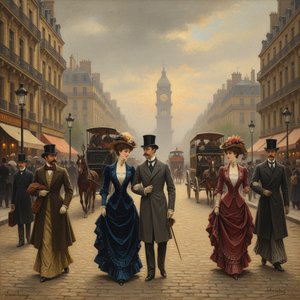
Jacques Joseph Tissot: A Chronicle of Parisian Life & Narrative Evolution
Explore the captivating world of Jacques Joseph Tissot, a master painter of Belle Époque society. Discover his realism, Impressionistic style, and lasting influence on art history. Learn more at OriginalUniqueArt.