Megtekintés
 Küldés
 Megosztás
 Részletek
 Útmutató

 Letöltés
 Hasonló darabok
 X-ray felvétel
 Diavetítés
 Statisztika
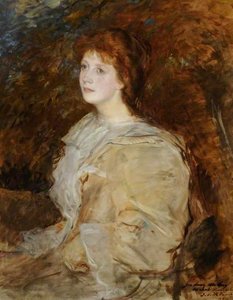
Miss Winny MacEwan


 Összes részlet megjelenítése
Giclée / Műnyomat
Múzeumi minőségű giclée vagy vászonnyomat, gyors gyártással és rugalmas finomítási lehetőségekkel. ( Kézzel festett másolat rendelése Áttérés digitális képre)




P118B Ft10

P118H Ft10

P118W Ft10

P438Z Ft10

P508JH Ft12

P508YH Ft12

P805H Ft10

P805Z Ft10

P919BZ Ft10

P919G Ft10

P919XJ Ft10

P959ZH Ft10

P968JZ Ft12

W106C Ft8

W218G Ft10

W218JH Ft8

W218Y Ft10

W307PJ Ft10

W316G Ft10

W316PJ Ft8

W316Y Ft10

W398PJ Ft8

W4111J Ft10

W500HY Ft15

W500JH Ft15

W692G Ft12

W849H Ft8

W940BG Ft15

W953PJ Ft8




Válasszon előre meghatározott méreteink közül, amelyek megfelelnek a műalkotás eredeti arányainak.

Írja be a keretének vagy a falának megfelelő szélességet és magasságot. A nyomatot csak le lehet vágni, soha nem tehető nagyobbá, mint az eredeti kép, így egy eltérő alakú méretnél a kép egy része elveszik. Mielőtt bármit kinyatintanánk, küldünk egy digitális próbamodellt jóváhagyásra. Az oldalon látható kép nem tartalmazza a valós levágást — ezt csak a próbamodell mutatja meg.
Világszerte történő kiszállítás területére mindössze 2 hét alatt, a szokásos 4-5 hét helyett. (26 október)

Ingyenes globális expressz szállítás

Prémium minőségű len vászon

Teljes körű szállítási biztosítás

Vámvisszatérítési Garancia

Hiteles színarányosság garancia

100 napos visszaküldési lehetőség (csak hibás termékek esetén)

100% pénzvisszatérítési garancia

Több darab vásárlásakor kedvezmény
 Az üvegkeretes opció csak 110 cm alatti méretben érhető el

Miss Winny MacEwan
Giclée / Műnyomat
Reprodukció mérete
-


Összesített ár
Ft 25642
A Glimpse into Belle Époque Elegance
In the quiet, luminous depths of Jacques-Émile Blanche’s 1887 masterpiece, Miss Winny MacEwan, we find more than a mere portrait; we encounter a window into the soul of late 19th-century Parisian high society. The painting captures a moment of profound stillness, presenting a woman seated with an air of contemplative grace that transcends the canvas. As one gazes upon her, there is an immediate sense of intimacy, as if the viewer has stumbled upon a private moment of reflection in a sun-drenched salon. Blanche, a master of capturing the spirit of the Belle Époque, does not simply record a likeness; he orchestrates an atmosphere of refined dignity and subtle melancholy that lingers long after the first encounter.
The subject herself serves as the emotional anchor of the work. Positioned prominently within the frame, her face becomes the focal point where light and shadow perform a delicate dance. Her gaze, directed outward toward the spectator, is hauntingly introspective, hinting at unspoken emotions and a rich inner life. This psychological depth is what elevates the piece from a standard social portrait to a profound study of character, making it an irresistible centerpiece for those who appreciate art that speaks to the human condition.
The Mastery of Impressionistic Light and Texture
Technically, Miss Winny MacEwan is a triumph of Impressionistic sensibility blended with a refined realism. Blanche employs a restrained and sophisticated palette, dominated by muted tones of cream, deep brown, and velvety black. This deliberate choice of color creates a luminous surface that mimics the soft, diffused light filtering through Parisian windows, casting gentle shadows that lend a sculptural three-dimensionality to the subject's features. The artist’s brushwork is characteristically loose yet purposeful, allowing for a textured surface that breathes with life.
For the discerning collector or interior designer, the tactile quality of this painting offers immense visual richness. Blanche demonstrates an acute sensitivity to materiality, meticulously rendering the intricate textures of the era's fashion. One can almost feel the delicate weight of the lace collars and the smooth, luxurious sheen of silk gowns. These fine details are not merely decorative; they contribute to the overall sense of luxury and historical authenticity. The interplay between the organic lines of the subject’s silhouette and the soft, blended backgrounds creates a sense of depth that makes the artwork feel as though it occupies its own physical space within a room.
A Timeless Legacy for the Modern Collector
To possess a reproduction of this caliber is to invite a piece of art history into one's personal sanctuary. Influenced by the legendary techniques of Manet and Whistler, Blanche’s work bridges the gap between the rigid academic traditions of the past and the emotive freedom of modernism. The painting embodies a sense of "quiet luxury"—a concept that remains as relevant in contemporary interior design as it was in 1887.
Whether placed in a formal study, a sophisticated living area, or a curated gallery wall, Miss Winny MacEwan provides a focal point of unparalleled elegance. It offers an aesthetic anchor that complements both classical and modern decor, bringing with it a sense of historical weight and emotional resonance. For those seeking to surround themselves with art that inspires contemplation and celebrates the enduring beauty of the human spirit, this portrait stands as an exquisite choice.
Kérdések és válaszok
Milyen alkalmat szolgálhat „Miss Winny MacEwan”, Jacques-Émile Blanche alkotása ajándékként?
A „Miss Winny MacEwan”, Jacques-Émile Blanche alkotása kiváló ajándékként ajánlott Anniversary. A műalkotás reprodukciója is adományként átadhatható.
A „Miss Winny MacEwan” Jacques-Émile Blanche pályájának mely szakaszát képviseli?
A "Miss Winny MacEwan" Jacques-Émile Blanche pályájának a Mature Period szakaszába tartozik. Ez a besorolás összekapcsolja a művet a művész fejlődésével.
Milyen színek jellemzik a "Miss Winny MacEwan" alkotást?
A „Miss Winny MacEwan”, Jacques-Émile Blanche alkotása színek palettáját úgy jellemzik, mint Earthy. Ez a mű színeinek tömör leírása.
A művész életrajza
Early Life and Artistic Beginnings
Jacques-Émile Blanche, a name synonymous with Parisian elegance and the evocative glow of Belle Époque society, was born in the heart of Paris on January 1st, 1861. He hailed from a family steeped in tradition – his father, Émile Blanche, was a distinguished pathologist, a man whose intellectual pursuits and connections subtly shaped young Jacques’s own artistic inclinations. Growing up within the affluent neighborhood of Passy, surrounded by the vibrant tapestry of Parisian high society and the influence of renowned artists, provided an unparalleled environment for his nascent talent to flourish. Unlike many aspiring painters who pursued formal training, Blanche's artistic journey began largely through observation and informal mentorship. He was fortunate enough to encounter figures like Édouard Manet, a pivotal artist whose revolutionary approach to depicting modern life would profoundly impact Blanche’s own style. These early encounters instilled in him a desire to capture the essence of his subjects – not merely their outward appearance, but also the subtle nuances of personality and emotion.A Style Forged in Observation and Impressionism
Blanche's artistic development was characterized by a remarkable self-taught approach. He eschewed traditional art academies, preferring instead to immerse himself in the Parisian art scene, absorbing techniques and philosophies from various sources. Henri Gervex and Ferdinand Jacques Humbert offered him valuable instruction, guiding his hand and shaping his understanding of composition and technique. However, it was Manet’s influence that proved most enduring. Blanche's paintings are immediately recognizable by their loose brushwork, a hallmark of Impressionism, and a deliberate restriction of color palettes – often favoring muted tones and subtle gradations to create an atmosphere of quiet contemplation. This restrained approach allowed him to focus on capturing the *feeling* of a scene or subject rather than striving for photographic realism. His portraits, in particular, are renowned for their ability to convey a sense of intimacy and psychological depth, revealing the inner lives of his subjects with remarkable sensitivity.Notable Works and Parisian Landscapes
Throughout his career, Blanche produced a diverse body of work encompassing portraiture, landscapes, and genre scenes. Some of his most celebrated paintings include “The Kreutzer Sonata,” a haunting depiction of a couple consumed by unspoken tension, and the evocative "Portrait of Henry James," which masterfully captures the author’s intellectual intensity. His series of “London Views” offers a captivating glimpse into the bustling streets and atmospheric corners of the British capital, revealing his keen eye for detail and his ability to translate urban landscapes onto canvas. These works, alongside numerous other pieces housed in prestigious collections like the Musée des Beaux-Arts in Rouen, demonstrate Blanche’s versatility and his capacity to adapt his style to different subjects and settings. His work often reflected a melancholic beauty, a characteristic that resonated deeply with audiences of the Belle Époque.Connections and Influences Beyond France
Blanche's artistic life was not confined to Paris; he cultivated strong connections within the international art community. He maintained close friendships with figures like John Singer Sargent, whose portrait of Blanche himself offers a fascinating insight into their mutual admiration. The exchange of ideas and techniques between these artists—Sargent’s meticulous realism juxtaposed with Blanche’s looser Impressionistic style—contributed to the evolution of both their artistic approaches. Furthermore, his travels to London significantly influenced his work, introducing him to new perspectives on urban life and inspiring a greater appreciation for the subtleties of light and shadow. His ability to seamlessly blend French and English influences solidified his position as a cosmopolitan artist at the forefront of European art.Legacy and Enduring Appeal
Jacques-Émile Blanche died on September 30th, 1942, in Offranville, leaving behind a legacy of over 800 paintings, drawings, and prints. His work continues to captivate audiences today with its evocative beauty, psychological depth, and subtle mastery of technique. He remains a significant figure in the history of French Impressionism, a testament to the power of observation, personal experience, and artistic independence. Blanche’s ability to capture the essence of human emotion—the quiet joys, unspoken sorrows, and fleeting moments of connection—ensures that his paintings will continue to resonate with viewers for generations to come. His art serves as a poignant reminder of the beauty and complexity of Parisian life during a transformative era.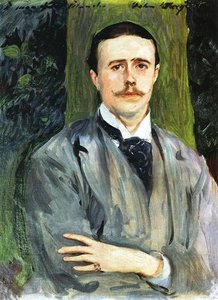
Jacques-Émile Blanche
1861 - 1942 , Franciaország
Rövid információk
- Artistic Movement Or Style: Impressionista
- Artists Or Movements Influenced By This Artist: ['Thomas Gainsborough']
- Artists Who Influenced This Artist:
- Edouard Manet
- James Whistler
- Date Of Birth: 1861 jan 1.
- Date Of Death: 1942 sep 30.
- Full Name: Jacques Émile Blanche
- Nationality: Francia
- Notable Artworks:
- Kreutzer Szonéta
- Marcel Proust portréja
- Place Of Birth: Párizs, Franciaország
Kapcsolódó cikkek
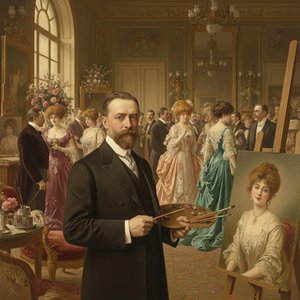
Jacques-Émile Blanche: Capturing Belle Époque Society & the Cult of Personality
Explore the captivating portraits of Jacques-Émile Blanche, a master Impressionist who captured the essence of Belle Époque society in Paris and London. Discover his unique style & lasting legacy.

A 19. század festészete: 10 ikonikus műalkotás a történelemből
Fedezze fel a 19. század festészetének 10 legikonikusabb műalkotását! Monet, Manet és más mesterek remekművei romantikától az impresszionizmusig. Múzeumi minőségű reprodukciók otthonába OriginalUniqueArt.com-on. Ismerje meg a történeteket és inspirálódjon!

Émile Jean Horace Vernet: Romantic Realism & Depicting 19th-Century Life
Explore the life & art of Émile Jean Horace Vernet, a master of Romantic Realism. Discover his captivating battle scenes, portraits, and Orientalist works – a window into 19th-century France. Learn about his techniques & enduring legacy.
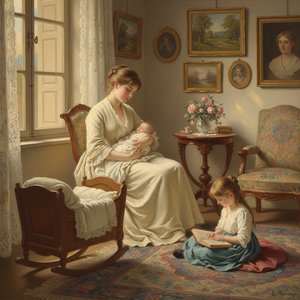
Émile Munier: Capturing 19th-Century French Life with Tender Realism
Discover Émile Munier's tender depictions of 19th-century French life. Explore his Realist style, charming paintings of children & pets, and lasting artistic legacy. Expert insights at OriginalUniqueArt.
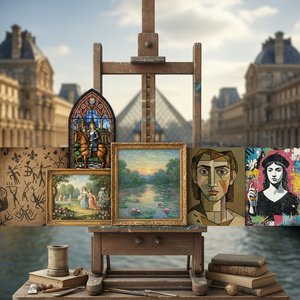
The Enduring Legacy of French Art: Movements, Masters & Cultural Impact
Explore the rich history of French art, from the Salon to Impressionism & beyond. Discover iconic masters, key movements, and expert guidance for collecting timeless masterpieces. OriginalUniqueArt.