

 Előnézet
 Megosztás
 Megosztás
 Részletek
 Útmutató

 Letöltés
 Hasonló darabok
 X-ray felvétel
 Diavetítés
 Statisztika
Mischief
 Oil On Canvas
- WallArt
- Impressionism
 1901
1901 127.0 x 114.0 cm
 Dublin City Gallery The Hugh Lane
 Tovább olvasom
Vásároljon nagy felbontású, javított digitális képet, amely minőségében messze felülmúlja az online előnézetet.
Minden fájlt szakembereink a legmodernebb eszközök és precíz, kézi retusálás segítségével készítenek el aprólékosan. Gondoskodunk arról, hogy minden kép kivételes tisztasággal, pontos színhelyességgel és részletgazdag finomsággal rendelkezzen.
A végleges fájl 72 órán belül e-mailben megérkezik, professzionális, szerkesztői és nyomtatási környezetbe optimalizálva az azonnali használathoz. Ez ugyanaz a minőség, amelyben a legmeghatározóbb tervezőstúdiók, kiadók és galériák is megbízhatnak.
Digitális kép
Töltsön le nagy felbontású fájlt személyes kiállításokhoz, nyomtatáshoz és kreatív projektekhez. ( Váltás nyomtatványra Kézzel festett másolat vásárlása)
Minden digitális kép rendeléséhez tartozó extrák
Szakértői digitális kézbesítés, garantáltan
Amikor a OriginalUniqueArt.com szolgáltatást választja, nem csupán egy képet kap – professzionálisan felmagasított digitális műalkotást kap, amely precizitással készült, és amelyet megelégsedési gwarancia tesz biztoslássá. Az alábbiakban automatikusan minden benne 】

Gyors e-mail teslimítés
A nagy felbontású digitális képmásolatát a megrendelést követő 72 órán belül e-mailben elküldjük Önnek – azonnal használható formátumban.

MI-alapú digitális képjavítás
Műve professzionális módon kerül optimalizálásra fejlett mesterséges intelligencia eszközök és manuális szerkesztés segítségével, biztosítva a maximális részletességet, tisztaságot és színpontosságot.

Örök életű ingyenes újradatás
Véletlenül törölted vagy elvesztetted a fájlodat? Ne aggódj – bármikor ingyen újra megküldjük neked.

Nincs importköltség – soha
Élvezze műalkotásait azonnal, vám, illeték vagy szállítási költség nélkül – a digitális letöltések mindig adamentesek.

Színpontosság garantálása
Professzionális eszközök és színkezelés segítségével garantáljuk, hogy digitális képe a lehető legpontosabban tükrözze az eredeti színeket.

100 napos elégedettségi garancia
Ha nemມີ elégedett a digitális képével, 100 napon belül felülvizsgáljuk vagy 100% visszatérítjük az amountot – kérdés बिना.

100% Pénzvisszatérítési garancia
Nem tetszett a vásárlás? 100 napon belül teljes visszatérítést garantálunk a digitális fájl megvételétől számítva – kérdés nélkül.

Tömegrendelési kedvezmények
Vásároljon 3 képet, spóroljon 10%-et - Vásároljon 5-öt, spóroljon 15%-et - Vásároljon 10+ képet, spóroljon 20%-at. Kiváló kreatív projektekhez, galériákhoz és ügynökségekhez.
A Glimpse into Parisian Society – Jacques-Émile Blanche’s “Mischief”
Jacques-Émile Blanche's "Mischief," painted in 1901, is more than just a portrait; it’s a carefully constructed tableau vivant capturing the essence of Belle Époque Paris. The painting immediately draws the eye with its dramatic chiaroscuro – a masterful manipulation of light and shadow that plunges the scene into an intimate, almost secretive atmosphere. Blanche, a key figure in the Impressionist movement yet deeply influenced by earlier artistic traditions, particularly the elegance of 18th-century English portraiture, has created a work brimming with quiet observation and subtle psychological depth.
The composition centers around two figures: a seated woman and a man standing behind her. Their postures suggest an easy familiarity, perhaps even playful banter, yet there’s also a palpable sense of contained energy. The details are meticulously rendered – the folds of the woman's dress, the texture of the fabric, the subtle expressions on their faces – all contribute to a remarkably realistic portrayal of human interaction. The muted color palette, dominated by deep browns, rich reds, and hints of yellow, reinforces the painting’s somber mood while simultaneously highlighting key elements within the scene.
A Masterclass in Impressionistic Technique
Blanche's technique is a fascinating blend of observation and artistic license. He employs loose brushstrokes, characteristic of Impressionism, to capture the fleeting effects of light and atmosphere. However, these are not haphazard; they’re carefully considered choices that build up layers of color and texture, creating a remarkably tactile surface. Notice particularly the impasto – the thick application of paint – in areas like the woman's dress and the man's jacket, adding depth and visual interest. The artist skillfully utilizes glazing techniques, applying thin washes of translucent color over dried underlayers to achieve luminous effects and subtle shifts in tone.
The flattened perspective, a common feature of 19th-century painting, contributes to the intimate feel of the scene. Rather than striving for strict realism, Blanche prioritizes representation – capturing the *impression* of space and form. This stylistic choice allows him to focus on conveying mood and emotion, creating a sense of immediacy that draws the viewer into the moment depicted.
Symbolism and Context: A Portrait of Parisian Life
"Mischief" is deeply rooted in its historical context – the vibrant yet often decadent world of Belle Époque Paris. The painting reflects the social dynamics of the time, capturing a private conversation within a refined domestic setting. The figures themselves represent a microcosm of Parisian society: an educated woman and her companion, likely a gentleman of means, engaged in a relaxed exchange. Blanche’s frequent depictions of this social stratum offer a rare glimpse into the lives of those who shaped the cultural landscape of the era.
The title itself is intriguing. It suggests a playful transgression, a hint of mischief or rebellion within the confines of polite society. While the painting doesn't depict overt scandal, it subtly hints at an underlying current of unrest and unconventionality – a characteristic often associated with the artistic circles of Paris during this period.
A Timeless Appeal: Reproduction and Beyond
Jacques-Émile Blanche’s “Mischief” remains a captivating work of art, offering viewers a poignant glimpse into the social and cultural fabric of Belle Époque Paris. Reproductions of this painting capture its atmospheric depth and nuanced details, allowing it to be enjoyed by a wider audience. Whether displayed in a private residence or a public gallery, "Mischief" continues to resonate with its evocative portrayal of human connection and the subtle complexities of Parisian life.
Consider commissioning a high-quality reproduction – a tangible reminder of Blanche’s artistic vision and a beautiful addition to any collection. It's a piece that invites contemplation, sparking curiosity about the lives and times it depicts.
Gyakran Ismételt Kérdések
Mit ábrázol a „Mischief”, Jacques-Émile Blanche alkotása?
A „Mischief”, Jacques-Émile Blanche alkotása alkotás témái közé tartozik a portraiture, parisian society, intimacy, chiaroscuro, domestic scene, late 19th century, elegant art. Ezek együtt foglalják össze a mű tárgyát.
Használhatom az augmented reality technológiát, hogy megtekintsem a „Mischief”, Jacques-Émile Blanche alkotása művet a saját szobámban?
A „Mischief”, Jacques-Émile Blanche alkotása mű kedvező esetben megtekinthető a saját falán is a mű AR előnézet oldalán keresztül, az argementált valóság technológiájának alkalmazásával egy kompatibilis eszközön.
Mekkora a mérete az eredeti „Mischief”, Jacques-Émile Blanche alkotása alkotásnak?
A(z) "Mischief" eredeti formájában 127 x 114 cm méretű. Az eredeti méretek hasznos referenciát nyújtanak a reprodukció méretének kiválasztásakor.
Művész életrajza
Early Life and Artistic Beginnings
Jacques-Émile Blanche, a name synonymous with Parisian elegance and the evocative glow of Belle Époque society, was born in the heart of Paris on January 1st, 1861. He hailed from a family steeped in tradition – his father, Émile Blanche, was a distinguished pathologist, a man whose intellectual pursuits and connections subtly shaped young Jacques’s own artistic inclinations. Growing up within the affluent neighborhood of Passy, surrounded by the vibrant tapestry of Parisian high society and the influence of renowned artists, provided an unparalleled environment for his nascent talent to flourish. Unlike many aspiring painters who pursued formal training, Blanche's artistic journey began largely through observation and informal mentorship. He was fortunate enough to encounter figures like Édouard Manet, a pivotal artist whose revolutionary approach to depicting modern life would profoundly impact Blanche’s own style. These early encounters instilled in him a desire to capture the essence of his subjects – not merely their outward appearance, but also the subtle nuances of personality and emotion.A Style Forged in Observation and Impressionism
Blanche's artistic development was characterized by a remarkable self-taught approach. He eschewed traditional art academies, preferring instead to immerse himself in the Parisian art scene, absorbing techniques and philosophies from various sources. Henri Gervex and Ferdinand Jacques Humbert offered him valuable instruction, guiding his hand and shaping his understanding of composition and technique. However, it was Manet’s influence that proved most enduring. Blanche's paintings are immediately recognizable by their loose brushwork, a hallmark of Impressionism, and a deliberate restriction of color palettes – often favoring muted tones and subtle gradations to create an atmosphere of quiet contemplation. This restrained approach allowed him to focus on capturing the *feeling* of a scene or subject rather than striving for photographic realism. His portraits, in particular, are renowned for their ability to convey a sense of intimacy and psychological depth, revealing the inner lives of his subjects with remarkable sensitivity.Notable Works and Parisian Landscapes
Throughout his career, Blanche produced a diverse body of work encompassing portraiture, landscapes, and genre scenes. Some of his most celebrated paintings include “The Kreutzer Sonata,” a haunting depiction of a couple consumed by unspoken tension, and the evocative "Portrait of Henry James," which masterfully captures the author’s intellectual intensity. His series of “London Views” offers a captivating glimpse into the bustling streets and atmospheric corners of the British capital, revealing his keen eye for detail and his ability to translate urban landscapes onto canvas. These works, alongside numerous other pieces housed in prestigious collections like the Musée des Beaux-Arts in Rouen, demonstrate Blanche’s versatility and his capacity to adapt his style to different subjects and settings. His work often reflected a melancholic beauty, a characteristic that resonated deeply with audiences of the Belle Époque.Connections and Influences Beyond France
Blanche's artistic life was not confined to Paris; he cultivated strong connections within the international art community. He maintained close friendships with figures like John Singer Sargent, whose portrait of Blanche himself offers a fascinating insight into their mutual admiration. The exchange of ideas and techniques between these artists—Sargent’s meticulous realism juxtaposed with Blanche’s looser Impressionistic style—contributed to the evolution of both their artistic approaches. Furthermore, his travels to London significantly influenced his work, introducing him to new perspectives on urban life and inspiring a greater appreciation for the subtleties of light and shadow. His ability to seamlessly blend French and English influences solidified his position as a cosmopolitan artist at the forefront of European art.Legacy and Enduring Appeal
Jacques-Émile Blanche died on September 30th, 1942, in Offranville, leaving behind a legacy of over 800 paintings, drawings, and prints. His work continues to captivate audiences today with its evocative beauty, psychological depth, and subtle mastery of technique. He remains a significant figure in the history of French Impressionism, a testament to the power of observation, personal experience, and artistic independence. Blanche’s ability to capture the essence of human emotion—the quiet joys, unspoken sorrows, and fleeting moments of connection—ensures that his paintings will continue to resonate with viewers for generations to come. His art serves as a poignant reminder of the beauty and complexity of Parisian life during a transformative era.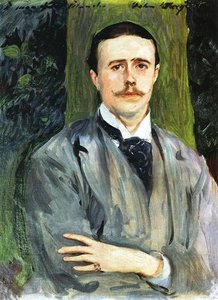
Jacques-Émile Blanche
1861 - 1942 , Franciaország
Rövid tények
- Artistic Movement Or Style: Impressionista
- Artists Or Movements Influenced By This Artist: ['Thomas Gainsborough']
- Artists Who Influenced This Artist:
- Edouard Manet
- James Whistler
- Date Of Birth: 1861 jan 1.
- Date Of Death: 1942 sep 30.
- Full Name: Jacques Émile Blanche
- Nationality: Francia
- Notable Artworks:
- Kreutzer Szonéta
- Marcel Proust portréja
- Place Of Birth: Párizs, Franciaország