Megtekintés
 Küldés
 Megosztás
 Részletek
 Útmutató

 Letöltés
 Hasonló darabok
 X-ray felvétel
 Diavetítés
 Kérdések és válaszok
 Statisztika
Henley Regatta


 Összes részlet megjelenítése
Giclée / Műnyomat
Múzeumi minőségű giclée vagy vászonnyomat, gyors gyártással és rugalmas finomítási lehetőségekkel. ( Kézzel festett másolat rendelése Áttérés digitális képre)




P118B Ft10

P118H Ft10

P118W Ft10

P438Z Ft10

P508JH Ft12

P508YH Ft12

P805H Ft10

P805Z Ft10

P919BZ Ft10

P919G Ft10

P919XJ Ft10

P959ZH Ft10

P968JZ Ft12

W106C Ft8

W218G Ft10

W218JH Ft8

W218Y Ft10

W307PJ Ft10

W316G Ft10

W316PJ Ft8

W316Y Ft10

W398PJ Ft8

W4111J Ft10

W500HY Ft15

W500JH Ft15

W692G Ft12

W849H Ft8

W940BG Ft15

W953PJ Ft8




Válasszon előre meghatározott méreteink közül, amelyek megfelelnek a műalkotás eredeti arányainak.

Írja be a keretének vagy a falának megfelelő szélességet és magasságot. A nyomatot csak le lehet vágni, soha nem tehető nagyobbá, mint az eredeti kép, így egy eltérő alakú méretnél a kép egy része elveszik. Mielőtt bármit kinyatintanánk, küldünk egy digitális próbamodellt jóváhagyásra. Az oldalon látható kép nem tartalmazza a valós levágást — ezt csak a próbamodell mutatja meg.
Világszerte történő kiszállítás területére mindössze 2 hét alatt, a szokásos 4-5 hét helyett. (11 november)

Ingyenes globális expressz szállítás

Prémium minőségű len vászon

Teljes körű szállítási biztosítás

Vámvisszatérítési Garancia

Hiteles színarányosság garancia

100 napos visszaküldési lehetőség (csak hibás termékek esetén)

100% pénzvisszatérítési garancia

Több darab vásárlásakor kedvezmény
 Az üvegkeretes opció csak 110 cm alatti méretben érhető el

Henley Regatta
Giclée / Műnyomat
Reprodukció mérete
-


Összesített ár
Ft 26351
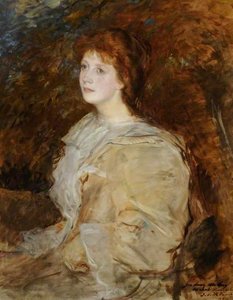
Henley Regatta: A Moment Frozen in Impressionistic Brilliance
The painting depicts Henley Royal Regatta, a prestigious rowing event held annually on the Thames since 1839, captured with remarkable precision and imbued with an atmosphere of quiet contemplation by Jacques-Émile Blanche. Executed in 1914, during a period of burgeoning artistic experimentation and social change, this artwork stands as a testament to Blanche’s mastery of Impressionistic technique—a style characterized by loose brushstrokes and a muted palette designed to convey fleeting impressions rather than photographic realism.- Subject Matter: The scene focuses on the regatta itself, showcasing boats gliding along the river's surface amidst a gathering crowd of spectators. Blanche skillfully captures the dynamism of the event while simultaneously conveying a sense of stillness and serenity through his compositional choices.
- Style & Technique: Blanche’s approach aligns perfectly with Impressionism, prioritizing light and color over detailed representation. He employs short, broken brushstrokes—a hallmark of the movement—to build up tonal variations that illuminate the textures of the boats, the water, and the clothing of the figures. The subdued hues – predominantly browns, greens, and blues – contribute to an overall mood of understated elegance.
- Historical Context: Painted during World War I, Henley Regatta served as a symbol of normalcy amidst the anxieties of the time. Blanche’s depiction reflects the desire for beauty and leisure in contrast to the grim realities of conflict, capturing a moment of respite before the storm of war descended upon Europe.
- Symbolism: The inclusion of a clock—positioned subtly near the upper left corner—adds another layer of significance. It serves as a visual reminder of time passing, emphasizing the ephemeral nature of beauty and experience – themes central to Impressionist philosophy. Blanche’s deliberate framing invites contemplation on these concepts.
- Emotional Impact: Viewing this painting evokes feelings of tranquility and nostalgia for a bygone era. Blanche's masterful rendering captures not just what was seen but also how it felt—a quiet celebration of tradition, artistry, and the enduring allure of natural beauty.
- Useful Links:
- Henley-on-Thames - Wikipedia
- Jacques-%C3%89mile Blanche - OriginalUniqueArt Artists Database
Kérdések és válaszok
Milyen színharmóniát mutat be „Henley Regatta”, Jacques-Émile Blanche alkotása?
A „Henley Regatta”, Jacques-Émile Blanche alkotása színei Softly Mixed Palette harmóniát mutatnak be. A harmónia azt írja le, hogyan kapcsolódnak egymáshoz a színek.
Mit ábrázol a „Henley Regatta”, Jacques-Émile Blanche alkotása, és milyen hangulatot áraszt?
A „Henley Regatta”, Jacques-Émile Blanche alkotása a rowing, regatta, oxfordshire, france, boats, competition, landscape elemeit ötvözi egy Elegant hangulatú környezettel.
Milyen elhelyezés és milyen térhelyiség ajánlott a(z) „Henley Regatta”, Jacques-Émile Blanche alkotása számára?
A "Henley Regatta" művet Accent célokra javasoljuk, a legalkalmasabb helyszín pedig egy Living Room.
A művész életrajza
Early Life and Artistic Beginnings
Jacques-Émile Blanche, a name synonymous with Parisian elegance and the evocative glow of Belle Époque society, was born in the heart of Paris on January 1st, 1861. He hailed from a family steeped in tradition – his father, Émile Blanche, was a distinguished pathologist, a man whose intellectual pursuits and connections subtly shaped young Jacques’s own artistic inclinations. Growing up within the affluent neighborhood of Passy, surrounded by the vibrant tapestry of Parisian high society and the influence of renowned artists, provided an unparalleled environment for his nascent talent to flourish. Unlike many aspiring painters who pursued formal training, Blanche's artistic journey began largely through observation and informal mentorship. He was fortunate enough to encounter figures like Édouard Manet, a pivotal artist whose revolutionary approach to depicting modern life would profoundly impact Blanche’s own style. These early encounters instilled in him a desire to capture the essence of his subjects – not merely their outward appearance, but also the subtle nuances of personality and emotion.A Style Forged in Observation and Impressionism
Blanche's artistic development was characterized by a remarkable self-taught approach. He eschewed traditional art academies, preferring instead to immerse himself in the Parisian art scene, absorbing techniques and philosophies from various sources. Henri Gervex and Ferdinand Jacques Humbert offered him valuable instruction, guiding his hand and shaping his understanding of composition and technique. However, it was Manet’s influence that proved most enduring. Blanche's paintings are immediately recognizable by their loose brushwork, a hallmark of Impressionism, and a deliberate restriction of color palettes – often favoring muted tones and subtle gradations to create an atmosphere of quiet contemplation. This restrained approach allowed him to focus on capturing the *feeling* of a scene or subject rather than striving for photographic realism. His portraits, in particular, are renowned for their ability to convey a sense of intimacy and psychological depth, revealing the inner lives of his subjects with remarkable sensitivity.Notable Works and Parisian Landscapes
Throughout his career, Blanche produced a diverse body of work encompassing portraiture, landscapes, and genre scenes. Some of his most celebrated paintings include “The Kreutzer Sonata,” a haunting depiction of a couple consumed by unspoken tension, and the evocative "Portrait of Henry James," which masterfully captures the author’s intellectual intensity. His series of “London Views” offers a captivating glimpse into the bustling streets and atmospheric corners of the British capital, revealing his keen eye for detail and his ability to translate urban landscapes onto canvas. These works, alongside numerous other pieces housed in prestigious collections like the Musée des Beaux-Arts in Rouen, demonstrate Blanche’s versatility and his capacity to adapt his style to different subjects and settings. His work often reflected a melancholic beauty, a characteristic that resonated deeply with audiences of the Belle Époque.Connections and Influences Beyond France
Blanche's artistic life was not confined to Paris; he cultivated strong connections within the international art community. He maintained close friendships with figures like John Singer Sargent, whose portrait of Blanche himself offers a fascinating insight into their mutual admiration. The exchange of ideas and techniques between these artists—Sargent’s meticulous realism juxtaposed with Blanche’s looser Impressionistic style—contributed to the evolution of both their artistic approaches. Furthermore, his travels to London significantly influenced his work, introducing him to new perspectives on urban life and inspiring a greater appreciation for the subtleties of light and shadow. His ability to seamlessly blend French and English influences solidified his position as a cosmopolitan artist at the forefront of European art.Legacy and Enduring Appeal
Jacques-Émile Blanche died on September 30th, 1942, in Offranville, leaving behind a legacy of over 800 paintings, drawings, and prints. His work continues to captivate audiences today with its evocative beauty, psychological depth, and subtle mastery of technique. He remains a significant figure in the history of French Impressionism, a testament to the power of observation, personal experience, and artistic independence. Blanche’s ability to capture the essence of human emotion—the quiet joys, unspoken sorrows, and fleeting moments of connection—ensures that his paintings will continue to resonate with viewers for generations to come. His art serves as a poignant reminder of the beauty and complexity of Parisian life during a transformative era.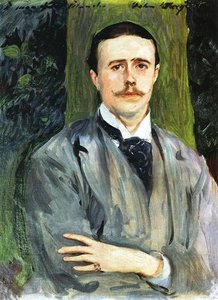
Jacques-Émile Blanche
1861 - 1942 , Franciaország
Rövid információk
- Artistic Movement Or Style: Impressionista
- Artists Or Movements Influenced By This Artist: ['Thomas Gainsborough']
- Artists Who Influenced This Artist:
- Edouard Manet
- James Whistler
- Date Of Birth: 1861 jan 1.
- Date Of Death: 1942 sep 30.
- Full Name: Jacques Émile Blanche
- Nationality: Francia
- Notable Artworks:
- Kreutzer Szonéta
- Marcel Proust portréja
- Place Of Birth: Párizs, Franciaország
Kapcsolódó cikkek

Paul Cézanne 25 Mesterműve: A Modern Művészet Úttörői | OriginalUniqueArt
Fedezze fel Paul Cézanne 25 legikonikusabb művét! Ismerje meg a posztimpresszionizmus úttörőjének festményeit, technikáját és inspirációit. Vászonképek, portrék, tájképfestmények – minden otthonba. Böngéssze gyűjteményünket a OriginalUniqueArt-on!

A fény és a szín mögött: Impresszionizmus vs. Posztimpresszionizmus a kifinomult gyűjtő számára
Mélyreható elemzés az impresszionizmus és posztimpresszionizmus közötti különbségekről a kifinomult műgyűjtők számára. Értékbecslés, befektetési tanácsok és a legnagyobb mesterek alkotásai.
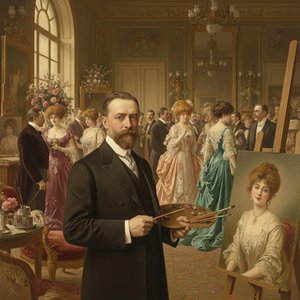
Jacques-Émile Blanche: Capturing Belle Époque Society & the Cult of Personality
Explore the captivating portraits of Jacques-Émile Blanche, a master Impressionist who captured the essence of Belle Époque society in Paris and London. Discover his unique style & lasting legacy.

A benyomásosok mesterművei: 10 ikonikus festmény a művészetben és otthonában
Fedezze fel a 10 legikonikusabb impresszionista festményt! Monet, Renoir és más mesterek művészete életre kel OriginalUniqueArt.com-on. Vászonképek, faliképek – inspirálja otthonát a benyomásosok színeivel és hangulatával! Explore the full collection online.
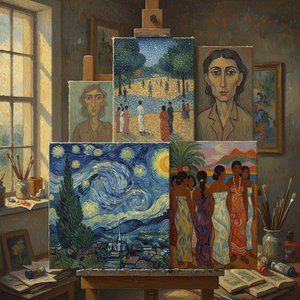
Beyond Impressionism: Exploring the Emotional Depth of Post-Impressionist Painting
Explore the profound emotional depth & innovative techniques of Post-Impressionism with OriginalUniqueArt. Discover Cézanne, Van Gogh, Gauguin & more – and their lasting impact on modern art.