A szöveg mérete

() ·

Egy Önnek készült, kézzel festett alkotás

Ecce Homo

Kézzel készített olajfestmény reprodukció

Kézzel festett olajvastú vászon, az Ön által választott méretben és keretben, művészeink készítik meglévőre. ( Váltás nyomtatványra Áttérés digitális képre)

A gyűjtemény leírása

Tintoretto remekműve, az Ecce Homo! A 16. századi olasz festészet dinamikus, drámai képe a Krisztus szenyvedéséről. Fedezd fel ezt a nagyságú művet!

A művész életrajza

Tintoretto: Avelicei mester, a drámai kompozíciók, merész festés ('Il Furioso') és innovatív fény/perspektivahasználata révén. Fedezd fel ikonikus alkotásait és örökségét!

előbb ·

1. fejezet

Mekkora méretű legyen?

Húzza a csúszkát a méret megváltoztatásához; a bal oldali kép a keret valós szélességét mutatja. Az eredeti arányok megmaradnak.

Standard méret
egyedi méretű
CM
INCH

Válasszon előre meghatározott méreteink közül, amelyek megfelelnek a műalkotás eredeti arányainak.

szélesség
magasság

Írja be a kívánt szélességet és magasságot, hogy illeszkedjen a keretéhez vagy a falához. Mivel ez kézzel festett alkotás, egy eltérő formájú méret esetén a művész akár festhet is valamivel többet a kép körül, vagy korolathat is belőle — az Ön döntésének megfelelően. A festés megkezdése előtt küldünk egy digitális tervezetet jóváhagyásra. Az oldalon látható kép nem tartalmazza a végeredményt — csak a tervezet mutatja meg a valódi eredményt.

2. fejezet

Hogyan érkezzen meg?

Válaszd ki a feszített vászon széleit

Válassza ki a keretet

Corner sample of the WhiteWrap canvas edge finish, stretched on tömörfa bars
Fehér Ft1
Corner sample of the BlurSideWrap canvas edge finish, stretched on tömörfa bars
Elmosódott szélek Ft1
Corner sample of the ExtendedWrap canvas edge finish, stretched on tömörfa bars
Kiterjesztett Ft1
Corner sample of the P118B picture frame: formázott polisztirol, 5 cm wide and 3 cm thick
P118B Ft10
Corner sample of the P118H picture frame: formázott polisztirol, 5 cm wide and 3 cm thick
P118H Ft10
Corner sample of the P118W picture frame: formázott polisztirol, 5 cm wide and 3 cm thick
P118W Ft10
Corner sample of the P438Z picture frame: formázott polisztirol, 5.5 cm wide and 3.5 cm thick
P438Z Ft10
Corner sample of the P508JH picture frame: formázott polisztirol, 7 cm wide and 3.5 cm thick
P508JH Ft12
Corner sample of the P508YH picture frame: formázott polisztirol, 7 cm wide and 3.5 cm thick
P508YH Ft12
Corner sample of the P805H picture frame: formázott polisztirol, 5 cm wide and 3.5 cm thick
P805H Ft10
Corner sample of the P805Z picture frame: formázott polisztirol, 5 cm wide and 3.5 cm thick
P805Z Ft10
Corner sample of the P919BZ picture frame: formázott polisztirol, 7 cm wide and 3.5 cm thick
P919BZ Ft10
Corner sample of the P919G picture frame: formázott polisztirol, 7 cm wide and 3.5 cm thick
P919G Ft10
Corner sample of the P919XJ picture frame: formázott polisztirol, 7 cm wide and 3.5 cm thick
P919XJ Ft10
Corner sample of the P959ZH picture frame: formázott polisztirol, 5 cm wide and 3 cm thick
P959ZH Ft10
Corner sample of the P968JZ picture frame: formázott polisztirol, 6 cm wide and 4 cm thick
P968JZ Ft12
Corner sample of the W106C picture frame: tömörfa, 5 cm wide and 3 cm thick
W106C Ft8
Corner sample of the W218G picture frame: tömörfa, 5 cm wide and 3 cm thick
W218G Ft10
Corner sample of the W218JH picture frame: tömörfa, 5 cm wide and 3 cm thick
W218JH Ft8
Corner sample of the W218Y picture frame: tömörfa, 5 cm wide and 3 cm thick
W218Y Ft10
Corner sample of the W307PJ picture frame: tömörfa, 6 cm wide and 3 cm thick
W307PJ Ft10
Corner sample of the W316G picture frame: tömörfa, 6 cm wide and 3 cm thick
W316G Ft10
Corner sample of the W316PJ picture frame: tömörfa, 6 cm wide and 3 cm thick
W316PJ Ft8
Corner sample of the W316Y picture frame: tömörfa, 6 cm wide and 3 cm thick
W316Y Ft10
Corner sample of the W398PJ picture frame: tömörfa, 5 cm wide and 3 cm thick
W398PJ Ft8
Corner sample of the W4111J picture frame: tömörfa, 6.5 cm wide and 3.5 cm thick
W4111J Ft10
Corner sample of the W500HY picture frame: tömörfa, 7 cm wide and 5 cm thick
W500HY Ft15
Corner sample of the W500JH picture frame: tömörfa, 7 cm wide and 5 cm thick
W500JH Ft15
Corner sample of the W692G picture frame: tömörfa, 8 cm wide and 4 cm thick
W692G Ft12
Corner sample of the W849H picture frame: tömörfa, 5 cm wide and 3 cm thick
W849H Ft8
Corner sample of the W940BG picture frame: tömörfa, 7.5 cm wide and 4.5 cm thick
W940BG Ft15
Corner sample of the W953PJ picture frame: tömörfa, 6 cm wide and 3.5 cm thick
W953PJ Ft8
Corner sample of the H24-GOLD picture frame: faragott fa gesszóval, 10 cm wide and 6 cm thick
H24-GOLD Ft30
Corner sample of the H24-SILVER picture frame: faragott fa gesszóval, 10 cm wide and 6 cm thick
H24-SILVER Ft30
Corner sample of the H36-GOLD picture frame: faragott fa gesszóval, 15 cm wide and 6.5 cm thick
H36-GOLD Ft45
Corner sample of the H36-SILVER picture frame: faragott fa gesszóval, 15 cm wide and 6.5 cm thick
H36-SILVER Ft45

Keretprofil: . A kerettel együtt vett teljes méret: .

3. fejezet

Ki festi, és változtatni kellene-e bármit?

Példák a módosíthatóságra: Az arc kicserélése a vásárló fotójára; háziállat hozzáadása (pl. macska kicserélése kutyára); rejtett üzenet elhelyezése a háttérben; a háttér tájéképének vagy elemeinek megváltoztatása.
A megrendelést követően a OriginalUniqueArt.com csapat e-mailt küld a vásárlónak az instrukciókkal, és biztosítja a tervezeti előnézetet

Világszerte elérhető szállítás () 3-4 hét alatt a szokásos 5 hét helyett. (5 november). A minőség nem kérdőjelezhető.

4. fejezet

Az utolsó finomhangolás

Egy felirat, mint egy múzeumban?

A gravírozott bronztábla részletei

This elegant plaque features the artist's name and the title of the artwork, finely engraved for a timeless presentation.

It is made from bronze with a refined, elegant finish. The text is precisely laser-engraved for a sharp and permanent result. Measuring 9x2 cm, the plaque is compact yet easy to read. It's built to be durable and scratch-resistant, offering a professional, museum-quality look. Mounting is simple thanks to the included adhesive backing.

Átlátszó akril tábla részletei

The plaque includes essential engraved details such as the artist's name, the title of the artwork, the date it was created, the type of media used-like oil on canvas or watercolor-a brief description of the piece, and a QR code that links to the complete artwork information.

It is crafted from clear acrylic, offering a sleek, modern appearance. The text is UV-engraved in black to ensure strong visual contrast. With a size of 10x15 cm, it ensures optimal readability. It comes equipped with two metal hooks for secure wall mounting. The plaque is designed to be weather-resistant, making it suitable for various environments, and it includes interactive features that work seamlessly with smartphone scanning.

Fekete akril tábla részletei

This elegant plaque includes engraved information such as the artist's name, the title of the artwork, the date it was created, the type of media used (like oil on canvas or watercolor), a short description of the artwork, and a QR code for quick access to more information.

The plaque itself is made from refined black acrylic with a premium finish. The text is laser-engraved in white for high contrast and readability. Its size is 10x15 cm, designed to be easy to read. It comes with two metal hooks for professional mounting. The design is sleek and fits any interior style. It is also weather-resistant and durable, with built-in digital integration for mobile compatibility.

Egy védőréteg?

Mikor lenne szüksége rá?

5. fejezet

Az Ön által megrendelt festmény

Ecce Homo

Reprodukciós technika

Reprodukció mérete

-

Kiváló mesterművész

Nagyobb részletesség, finomság és bővített gyártási idő

-

Reprodukció keretezése

-

-

A bármely oldalsó méretét túlszálaló 105 cm (kb. 41 hüvelyk) meghaladó műalkotások vagy reprodukciók esetében a keret összeszerelhető készletként, szétszerelve kerül szállításra. Ez a módszer biztosítja a biztonságos szállítást, és megakadályozza a szállítás során fellépő sérüléseket.

Szakmész összeszerelést igényel – ez nem DIY (önösszeszerelhető) termék.
A készletet egy tapasztalt keretező szakembernek kell összeszerelnie és a vásznat feszítenie kell, fa ragasztó (nem tartalmazza a csomag), vásznfeszítő fogó és szorítók használatával, amelyek a ragasztó száradásáig a keretrészeket egymáshoz vuôngjba tartják. A helytelen összeszerelés vagy a nem egyenletes vásznfeszítés maradandó károsíthatja a műalkotást, és ez nem része a garanciánknak.

  • A készlet tartalmazza az összes tömörfa rudat, pontosan méretre vágva.

  • A mellékelt csavarokkal, valamint a sarokszerekhez szükséges faütő ragasztóval kell összeszerelnie (ez nem tartalmazható a csomagban), így a keretrendezőnek külön kell beszereznie.

  • A csomag nem tartalmazza a szükséges professzionális eszközöket: egy vászonfeszítőt és klipseket a rácsok vízszintes tartásához a ragasztó megszáradásáig.

Fontos:
A sarokcsatlakozásokhoz fánylagra van szükség, a keretrudakat szorítókapcsokkal kell rögzíteni, amíg a rag teljesen meg nem szárad, a kész keretre feszített vászonhoz pedig vászonfeszítő fogat szükséges. Ezek egyike sem található meg a készletben. Kérjük, rendelés előtt győződjön meg róla, hogy rendelkezik tapasztalt keretező szakemberrel.

Névtábla

-

-

Védőréteg (Lakk)

Fényes lakk (intenzívabb színek, védelem a fény és a nedvesség hatása ellen)

-

Műalkotásom egyedi igényre szabása

Példák a módosíthatóságra: az arc kicserélése az ügyfél fotójára; háziállat hozzáadása (pl. macska helyett kutya); rejtett üzenet elhelyezése a háttérben; a háttér tájainak vagy elemeinek megváltoztatása.

-

Sürgős

Világszerte szóló szállítás () mindössze 3-4 hét alatt, a szokásos 5 hét helyett. (5 november). A minőség nem kérdőjelezhető.

-

Express szállítás

Világszerte elérhető szállítás területre 5 héten belül. (12 november).

A szállítás díja tartalmazza

Összesített ár

Ft 122650

Összesített ár Ft 122650

Az üvegkeretes opció csak 110 cm alatti méretben érhető el

Minden rendelés mellé tartalmazva

  • Ingyenes globális expressz szállítás
  • Prémium minőségű len vászon
  • Teljes körű szállítási biztosítás
  • Vámvisszatérítési Garancia
  • Hiteles színarányosság garancia
  • 100 napos visszaküldési lehetőség (csak hibás termékek esetén)
  • 100% pénzvisszatérítési garancia
  • Több darab vásárlásakor kedvezmény

Tintoretto’s *Ecce Homo*: Egy Krisztus Előadása – A Szomorúság és a Megalázás Képe

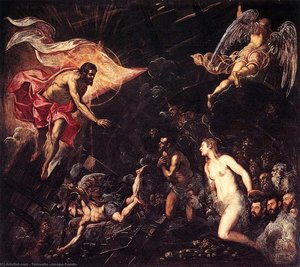
Jacopo Tintoretto, vagy ahogy a kortársai mondták, “Il Furioso” – a furiosa – 1566-ban megalkotott *Ecce Homo* (Látványos Úr) képei nem csupán egy vallási jelenet ábrázolása, hanem egy mélyen érzelmes és gondolatébresztő művészeti alkotás. A festmény, melynek a mai napig meglepően nagy formája – 285 x 400 cm – a Scuola Grande di San Rocco falán díszít, a Velencei Reneszánsz és a korai barokk stílus tökéletes találkozása. Tintoretto nem egyszerűen mutatja be Krisztust, aki Pontius Pilátus előtt áll, hanem egy olyan szituációt jeleníti meg, amelyben a remény és a kétségbeesés, a bűn és a megbocsátás, a hatalmas és a gyenge összeütköznek.

A Jelenet Szívélye és a Kompozíció Erőforrása

A festmény központi alakja Krisztus, aki a nézőszemeket közvetlenül magához vonzza. A testét a szenvedés nyomaival – a szálkával, a vérzéssel – borítja, de a tekintete nem a kétségbeesést, hanem a csendes elfogadást sugározza. Tintoretto mesterien építette ki a jelenetet egy dinamikus, piramisszerű kompozícióra, melynek csúcsa Krisztus testén nyugszik. A festő körülbelül húsz embert ábrázolt, akik közül néhányan a Pilátust és a szolgákat jelentenek, míg mások a tömeget alkotják, amelyben a kétségbeesés és a düh jelei is feltűnnek. Tintoretto nem adja meg a nézőnek a könnyen értelmezhető képet; inkább egy olyan helyzetet mutat be, ahol a bizonytalanság és a szomorúság dominál.

A Művész Stílusa és Technikája – A Velencei Reneszánsz Virágzása

Tintoretto stílusa a velencei művészet egyik legjellegzetesebb eleme. A festő energiájától, dinamizmusától és a színek használatában mutatkozó merészségtől nem lehet elszakadásni. Tintoretto a *furioso* nevet kapta, mert a festés során nem volt visszafogott. A festményen a chiaroscuro – a fény és árnyék kontrasztjának hatásos alkalmazása – kiemelkedik. A sötétek és a fények közötti játék nem csupán formákat vet fel, hanem a képi elemekben egyfajta érzelmi töltetet is helyez el. Tintoretto technikája a gyors, boldog festés jellemzője, melynek eredményeként a festményen látható a festő keze nyomát viszi magával. A festékrétegek vastagsága, az impasto hatás – ahol a festék szilárdan ragyogni kezdett – mind-mind hozzájárulnak ahhoz, hogy a festmény egyedülálló és intenzív legyen.

Szimbolizmus és Érzelmi Hatás – A Krisztus Előadása

*Ecce Homo* nem csupán egy vallási jelenet, hanem egy szimbólumok tésze is. A Krisztus testén lévő szálka a szenvedés, a halállal való összefüggést jelképezi. A nézők közötti tömeg a bűnök és a kétségbeesések tükörképe. A festmény egy olyan helyzetet mutat be, ahol az emberi természet legmélyebb kérdéseit feszegeti: a felelősség, a bűn, a megbocsátás, a halál. Tintoretto műve a szomorúság és a remény keveréke, mely mély érzelmeket vált ki a nézőből.

A Művészet Értéke – Egy Kincset a Velencei Művészségtől

Tintoretto *Ecce Homo* festménye egyedülálló műalkotás, amely a velencei művészség csúcspontjait mutatja be. A festmény mérete és ereje, a festő mestersége és a színek gazdagsága teszik ezt a művet igazában különlegesnek. Egy ilyen festmény egy otthonnak nem csupán dísztárgyat jelent, hanem egy értékes kincset – egy olyan művészeti alkotást, amely évszázadok során megőrzi szépségét és erejét.

Kérdések és válaszok

Milyen színek jellemzik a(z) „Ecce Homo”, Tintoretto alkotása alkotást?

A „Ecce Homo”, Tintoretto alkotása egy Földszínek színpalettát használ, melynek domináns színe a Espressó barna (#3e3022).

Elérhető diaporáma a(z) „Ecce Homo”, Tintoretto alkotása alkotáshoz?

A „Ecce Homo”, Tintoretto alkotása diaporámaként tekinthető a mű Diaváltás oldalán.

Mit ábrázol a "Ecce Homo"?

A „Ecce Homo”, Tintoretto alkotása alkotás témái közé tartozik a krisztus, szenyvedése, pilátusz, gyász, vallásosság, dramatika, reneszánszi, velencei. Ezek együtt foglalják össze a mű tárgyát.

Több információ erről a festményről

Megtekintés AR előnézet Váltás nyomtatványra Áttérés digitális képre Küldés
Részletek Útmutató Kedvencekhez ad Letöltés Hasonló darabok X-ray felvétel Diavetítés Kérdések és válaszok Statisztika

Számokban kifejezve

  • 1566a festés éve
  • 29választható keretek
  • standard méretek, saját arányokkal
  • 5hetek a festésre és a kézbesítésre
Tintoretto

Tintoretto

1518 - 1594, Olaszország

Gyors információk Tintoretto művészről

  • Artistic Movement Or Style: Reneszánszi, Mannerista
  • Artists Or Movements Influenced By This Artist:
    • Caravaggio
    • Barokk
  • Artists Who Influenced This Artist:
    • Tiziano
    • Michelangelo
  • Date Of Birth: 1518
  • Date Of Death: 1594
  • Full Name: Jacopo Robusti
  • Nationality: Olasz
  • Notable Artworks:
    • San Marco csodája
    • Utolsó vacsora
  • Place Of Birth: Velence, Olaszország

A művész életrajza

A Venetian Master of Drama and Light

Jacopo Tintoretto, born Jacopo Robusti in Venice around 1518, remains one of the most compelling and enigmatic figures of the High Renaissance and early Baroque periods. His very nickname, “Tintoretto” – little dyer – speaks to his family’s trade, yet it belies the immense artistry that would distinguish him from all others. Unlike many artists who benefited from structured apprenticeships, Tintoretto's path was largely self-directed, fueled by an insatiable curiosity and a relentless drive for innovation. While accounts suggest a brief and unsuccessful stint under Titian, the acknowledged master of Venetian colorism, it seems the experience proved more contentious than formative. Titian’s alleged dismissal of the young Jacopo – whether due to jealousy or artistic disagreement – spurred Tintoretto toward an independent course, one characterized by audacious experimentation and a uniquely dynamic style. He immersed himself in anatomical study, reportedly through dissection, and honed his skills by meticulously copying classical sculpture and the works of other masters. This dedication laid the foundation for a career that would redefine Venetian painting.

Forging a Distinctive Style: *Il Furioso*

Tintoretto’s artistic development was marked by an almost feverish energy, earning him another evocative nickname: *Il Furioso* – “the Furious One.” This moniker wasn't merely descriptive of his working pace but also captured the intensity and emotional charge that permeated his canvases. His early works already hinted at a departure from traditional Venetian conventions. While acknowledging Titian’s influence in color, Tintoretto gravitated towards Michelangelo’s powerful figures and dramatic compositions. He synthesized these influences into something entirely new: a style characterized by elongated forms, swirling draperies, and an innovative use of perspective that often created a sense of dizzying depth and movement. He abandoned the meticulous finish favored by his contemporaries, opting instead for a rapid, almost sketch-like brushstroke that conveyed immediacy and raw emotion. This technique, combined with his masterful manipulation of light and shadow – *chiaroscuro* – allowed him to create scenes of unparalleled drama and psychological intensity. He wasn’t simply depicting events; he was conveying their emotional core. His compositions were often asymmetrical and dynamic, filled with movement and a sense of urgency—a stark contrast to the balanced, static arrangements typical of earlier Renaissance painters.

Monumental Achievements: San Rocco and Beyond

Tintoretto's prodigious output spanned decades, encompassing religious narratives, historical allegories, and portraits. However, his most significant achievement lies in the cycle of paintings he created for the Scuola Grande di San Rocco, a Venetian confraternity dedicated to Saint Roch. Over a period of more than fifty years, Tintoretto adorned the Scuola’s halls with over sixty canvases, transforming it into a breathtaking visual testament to faith and human experience. Works like “The Last Supper,” completed late in his life, demonstrate his continued experimentation with perspective and composition. Departing from traditional depictions, Tintoretto placed the scene in a dramatically lit, architecturally unstable space, emphasizing the emotional turmoil of Christ’s final meal with his disciples. Other notable works include “The Miracle of St Mark Freeing the Slave,” a powerful display of dynamic composition and foreshortening, and numerous paintings for Venetian churches and palaces that showcase his mastery of scale and narrative storytelling. These monumental projects cemented Tintoretto's reputation as one of Venice’s most important artists. He was not merely a painter; he was a visual storyteller who understood how to harness the power of art to evoke emotion and inspire awe.

Influences and Artistic Connections

Tintoretto’s artistic journey reveals a complex interplay of influences. While deeply indebted to Titian's coloristic mastery, he also drew inspiration from Michelangelo’s dynamism and classical sculpture. The influence of Leonardo da Vinci is also evident in his meticulous anatomical studies and innovative use of perspective. However, Tintoretto was not simply imitating these masters; he was transforming their ideas into something uniquely his own. He actively sought out knowledge beyond the traditional art academies, studying anatomy through dissection – a practice considered controversial at the time – and immersing himself in classical literature and philosophy. His workshop became a hub for young artists eager to learn from his unconventional methods. His relationship with Paolo Veronese was particularly significant; they collaborated on several projects, exchanging ideas and techniques that further enriched Tintoretto’s artistic vocabulary.

Legacy and Historical Significance

Jacopo Tintoretto died in Venice in 1594, leaving behind a vast and influential body of work. He bridged the gap between the High Renaissance and the Baroque period, anticipating many of the stylistic innovations that would define the latter. His dramatic compositions, expressive brushwork, and innovative use of light and shadow profoundly influenced artists such as Caravaggio, Rembrandt, and Delacroix. He wasn’t merely a painter; he was a visual storyteller who understood how to harness the power of art to evoke emotion and inspire awe. As one of the three great Venetian painters of the 16th century – alongside Titian and Paolo Veronese – Tintoretto played a crucial role in shaping the artistic landscape of Venice during its golden age. His work reflects not only the religious fervor and political tensions of his time but also a uniquely personal vision that continues to resonate with audiences today, solidifying his place as one of history’s most important and captivating artists. His legacy is a testament to the enduring power of artistic innovation and the transformative potential of human creativity.

Gyors információk

  • Medium: Olaj vászonra
  • Year: 1566
  • Movement: Reneszánsz, Mannerizmus
  • Influences:
    • Tiziano
    • Michelangelo
  • Title: Ecce Homo