
 Előnézet
 Megosztás
 Megosztás
 Részletek
 Útmutató

 Letöltés
 Hasonló darabok
 X-ray felvétel
 Diavetítés
 Statisztika
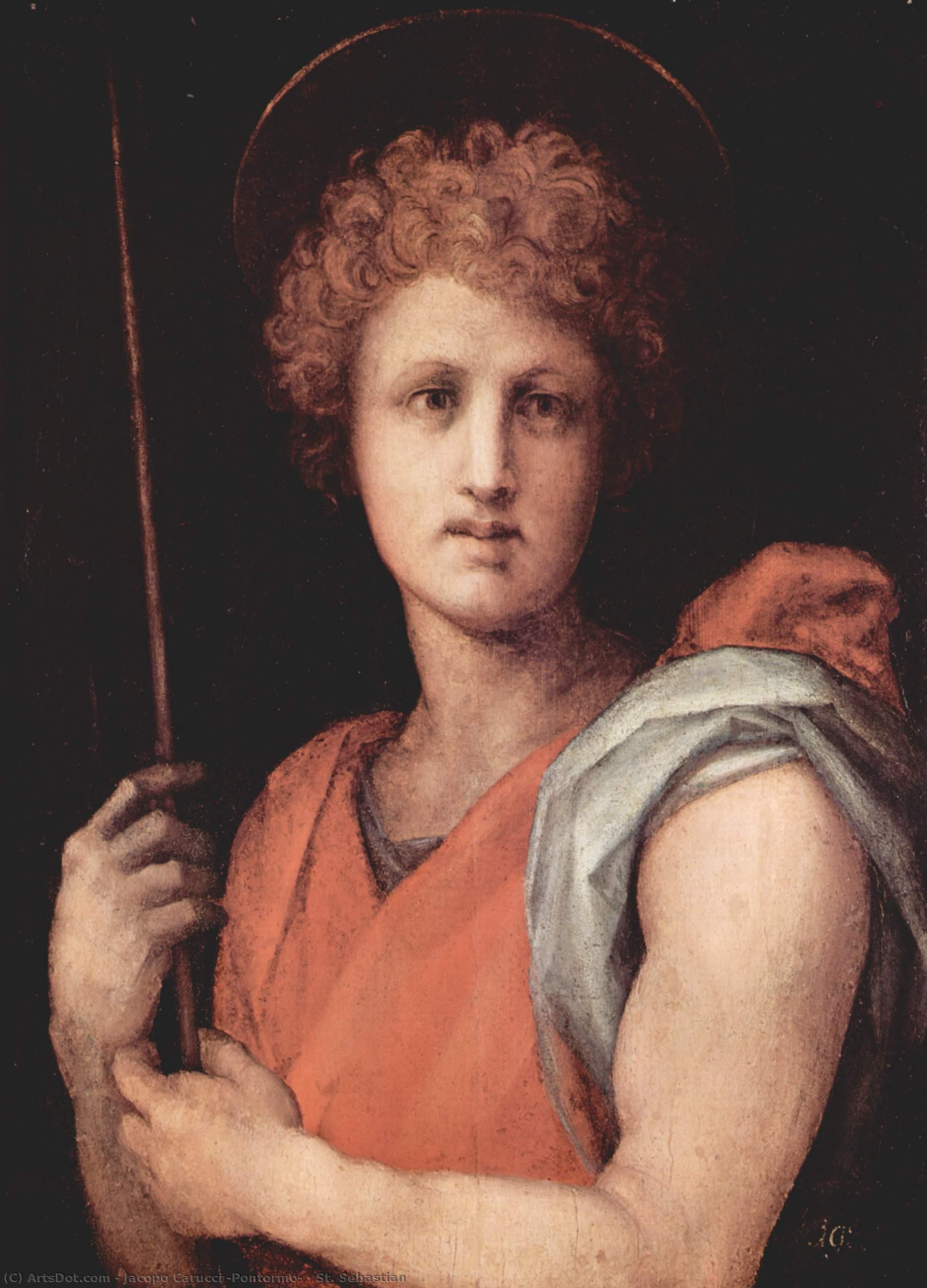
St. Sebastian


 Tovább olvasom
Giclée / Műnyomat
Múzeumi minőségű giclée vagy vászonnyomat, gyors gyártással és rugalmas finomítási lehetőségekkel. ( Kézzel festett másolat vásárlása Áttérés digitális képre)




P118B Ft10

P118H Ft10

P118W Ft10

P438Z Ft10

P508JH Ft12

P508YH Ft12

P805H Ft10

P805Z Ft10

P919BZ Ft10

P919G Ft10

P919XJ Ft10

P959ZH Ft10

P968JZ Ft12

W106C Ft8

W218G Ft10

W218JH Ft8

W218Y Ft10

W307PJ Ft10

W316G Ft10

W316PJ Ft8

W316Y Ft10

W398PJ Ft8

W4111J Ft10

W500HY Ft15

W500JH Ft15

W692G Ft12

W849H Ft8

W940BG Ft15

W953PJ Ft8




Válasszon előre meghatározott méreteink közül, amelyek megfelelnek a műalkotás eredeti arányainak.

Írja be a keretének vagy a falának megfelelő szélességet és magasságot. A nyomatot csak le lehet vágni, soha nem tehető nagyobbá, mint az eredeti kép, így egy eltérő alakú méretnél a kép egy része elveszik. Mielőtt bármit kinyatintanánk, küldünk egy digitális próbamodellt jóváhagyásra. Az oldalon látható kép nem tartalmazza a valós levágást — ezt csak a próbamodell mutatja meg.
Világszerte történő kiszállítás területére mindössze 2 hét alatt, a szokásos 4-5 hét helyett. (24 október)

Ingyenes globális expressz szállítás

Prémium minőségű len vászon

Teljes körű szállítási biztosítás

Vámvisszatérítési Garancia

Tökéletes színarányosság garancia

100 napos visszaküldési garancia (csak gyártási hibás termékek esetén)

100% pénzvisszatérítési garancia

Több darab vásárlásakor kedvezmény
 Az üvegkeretes opció csak 110 cm alatti méretben érhető el

St. Sebastian
Giclée / Műnyomat
Reprodukció méretei
-


Összesített ár
Ft 25605
A Portrait of Spiritual Anguish: Unveiling Jacopo Pontormo’s St. Sebastian
Jacopo Pontormo's 1515 depiction of Saint Sebastian is not merely a portrait; it’s an immersion into the heart of Mannerist emotion, a profound exploration of faith, suffering, and the human condition. Painted during a period of artistic upheaval—a deliberate departure from the idealized beauty of the High Renaissance—Pontormo crafted a work that anticipates the dramatic intensity of the Baroque while retaining a distinctly personal and haunting quality. The painting immediately commands attention with its stark contrast: a dark, almost impenetrable background against which the figure of St. Sebastian is rendered in rich, warm hues, creating an immediate sense of isolation and vulnerability.
The composition itself is meticulously constructed, adhering to the pyramidal structure favored by Renaissance artists but imbued with a subtle instability that speaks to the era’s fascination with ambiguity. St. Sebastian's head, centrally positioned, dominates the canvas, his gaze direct and unwavering – an invitation, perhaps, or a plea for understanding. The crossed arms, a gesture of both defense and acceptance, suggest a man caught between earthly suffering and divine grace. The halo encircling his head is not a symbol of triumphant victory but rather a quiet acknowledgment of his martyrdom, a subtle reminder of the spiritual weight he carries.
The Language of Mannerism: Color, Line, and Emotion
Pontormo’s masterful use of color is central to the painting's emotional impact. The dominant palette—deep reds, oranges, and earthy terracotta tones—evokes a sense of warmth and vitality, yet this is immediately tempered by the surrounding darkness. These warm hues are juxtaposed against cooler blues and whites in the draped fabric, creating visual tension and highlighting the figure’s isolation. The artist employs a technique known as *sfumato*, subtly blurring lines and edges to create an atmosphere of ethereal softness—a hallmark of Mannerism. Lines are deliberately soft and blended, avoiding sharp definition; this contributes significantly to the painting's overall sense of fluidity and emotional intensity.
Furthermore, Pontormo’s manipulation of light is particularly noteworthy. It isn’t a dramatic spotlight but rather a diffused illumination that seems to emanate from multiple sources, gently sculpting St. Sebastian’s form and emphasizing his face. This subtle lighting creates a sense of depth and volume while simultaneously flattening the space, drawing the viewer's attention solely to the figure himself. The textures are rendered with remarkable delicacy—the smooth skin, the flowing fabric—suggesting an almost tactile quality that invites close observation.
Symbolism and Historical Context: A Bridge Between Eras
Beyond its aesthetic qualities, St. Sebastian’s image is rich in symbolic meaning. As a martyr for his Christian faith, he represents sacrifice, endurance, and the triumph of spirit over adversity. The arrows piercing his body are not merely depictions of physical pain but potent symbols of spiritual wounds—a visual representation of the suffering endured by all believers. The painting reflects the turbulent religious climate of 16th-century Florence, a city grappling with political instability and religious reform. Pontormo’s embrace of Mannerism can be seen as a response to the perceived rigidity of the High Renaissance, a willingness to explore subjective experience and emotional intensity.
Born Jacopo Carucci in Pontorme, Tuscany, around 1494, Pontormo was a pivotal figure bridging the Renaissance and Baroque eras. His life was marked by both artistic brilliance and personal tragedy – a loss of his wife and children profoundly impacting his work. This experience undoubtedly contributed to the melancholic tone that permeates St. Sebastian, transforming it into a timeless meditation on grief, faith, and the enduring power of the human spirit.
A Timeless Masterpiece: Reproduction and Beyond
Reproductions of Jacopo Pontormo’s *St. Sebastian* offer an exceptional opportunity to experience this profoundly moving work firsthand. The meticulous detail, evocative color palette, and masterful composition are faithfully captured in high-quality reproductions, allowing viewers to appreciate the artist's genius from any vantage point. Whether adorning a grand salon or a more intimate space, this painting continues to resonate with its powerful message of resilience and spiritual depth.
Gyakran Ismételt Kérdések
Hány éves volt Pontormo, amikor megalkotta a "St. Sebastian" című alkotást?
Amikor a "St. Sebastian" alkotása 1515-ben készült, Pontormo – aki 1494-ben született – 21 éves volt.
Megtekinthetném a(z) „St. Sebastian”, Pontormo alkotása röntgensugárzásos felvételét?
A „St. Sebastian”, Pontormo alkotása X-Ray felvétel oldala egy interaktív nézegető, amely lehetővé teszi a mű alkotásának eleven optikai rétegei közötti görgetést, beleértve az röntgenszerű felvételt is.
Hová sorolható a "St. Sebastian" Pontormo életművében?
Pontormo munkásságán belül a "St. Sebastian" a Mannerist Painting stílus képét képviseli, a renaissance mannerism, emotional intensity, christian martyrdom, spiritual themes, religious iconography, symbolism rich, pontormo’s unique style, innovation” témakörével összefüggésben.
A művész életrajza
A melankolikus víziós: Jacopo Pontormo élete és öröksége
Jacopo Carucci, akiket a történelem az emlékezetes Pontormo néven ismer, egy olyan művész volt, akinek ecsetje az átmenet legmélyebb lényegét örökítette meg. Pontorme kis toszkai falujában született körülbelül 1494-ben; korai éveket magány és melankólia mély érzése határoztak meg, tulajdonságok, amelyek később páratlan pszichológiai mélységet kölcsönöztek vászonainak. Fiatal tanoncként Firenzében a változó művészeti paradigmok világában mozogott, végül a firenzei manierista mozgalom központi alakjaként emelkedett ki. Ellentétben a magasreneszánsz mestereivel, akik az egyensúlyon és a matematikai harmónián keresztül keresték a tökéletességet, Pontormo befelé tekintett, törekedve az emberi lélek zord, gyakran nyugtalanító összetettségének kifejezésére. Formálódó éveit óriások árnyékai formálták. Domenico del Pollaiuolo tanítása és Michelangelo Buonarroty monumentális hatása alatt sajátította el a reneszánsz mestertől elvárt anatomikai precizitást, mégis benne élt visszatarthatatlan vágy a valóság éppen ilyen torzítására az érzelmi hatás érdekében. Nemcsak Michelangelo szobori súlyából merített inspirációt, hanem Albrecht Dürer bonyolult, érzelmeket árasztó metszeteiből is. Az olasz formák és a északeurópai kifejező részletek ezen egyedülálló szintézise lehetővé tette számára egy olyan stílus úttörőinek való megszületését, amelyben a alakok úgy tűntek, mintha elveszítenék kötődésüket a gravitációhoz, és álarnyékos, álomszerű terekben lebegnének.A manierizmus architektúrája: Stílus és innováció
Egy Pontormo-festmény megtekintése olyan birodalomba való belépés, ahol a fizika és a perspektíva ismerős törvényei felfüggesztésre kerülnek. Művészete tudatos eltérés elődei nyugodt, perspektívus regularitásától. Remekműveiben, mint például a "Visszatérés" (Visitation) vagy a hátborzongató "Letekintés" (Deposition), megfigyelhető maniertista esztétikájának minden jellegzetessége: megnyúlt végtagok, csavarodott és természetellenes testhelyzetek, valamint vibráló, szinte savas színek palettája, amely idegen fényben csillan és ütközik egymással. A reneszánsz stabil, háromszög alakú kompozícióit felváltotta viharos, zsúfolt elrendezések, amelyek nyugtalanság tengerét és spirituális bizonytalanságot idéznek. Pontormo technikai zsenialitása abban rejlett, hogy a színeket és a formákat pszichológiai eszközként tudta alkalmazni. Alakjai gyakran bizonytalan környezetben lebegnek, súlytól megváltan, mély instabilitás érzését keltve. Ez nem csupán mesterkedés volt; tudatos kísérlet volt arra, hogy közvetítse egy olyan korszak spirituális szorongásait, amely a reneszánsz bizonyossága és a barokk közelgő drámája közé szorult. Legyen szó az "Emmauszbeli vacsorán" (Supper at Emmaus) megjelenő drámai fényről, vagy Krisztus-ábrázolása során felfedezhető éles, érzelmes intenzitásról, Pontormo minden egyes ecsetvonatral a gyász, az áldozatkészség és az isteni lényeg témáinak feltárására szolgált.Tartós nyom a művészettörténetben
Jacopo Pontormo történelmi jelentőségét nem lehet alulbecsülni. Vitalis hidat képezett, átfordítva a 15. század klasszikus ideáljait arra a kifejező, teátrális nyelvességre, amely meghatározta a 16. századi művészet jelentős részét. Hatása áradt a firenzei iskolán keresztül, alakítva olyan utódok munkásságát, mint Bronzino, és biztosítva, hogy a szépség és a mesterfogás közötti feszültség központi párbeszéd maradjon az európai festészetben. Művészete ma is tanúbizonysága az egyéni látásnak a hagyomány feletti erejének. Portréin keresztül, mint például a királyi "Cosimo I de' Medici", és mélyen szimbolikus vallásos alkotásaiban bebizonyította, hogy a művészet lehet több mint a valóság tükre; lehet abba a abgrundba nyíló ablakba, amely a tudatalatti rejtelmeit tárja fel. Bár élete gyakran övezte személyes bánat árnyéka, színeinek ragyogása és kompozícióinak összetettsége ma is lenyűgöző, minden nézőt arra hívva, hogy veszzen el a firenzei mester gyönyörű, torzított és mélyen emberi világában.
Pontormo
1494 - 1557 , Olaszország
Gyors információk
- Artistic Movement Or Style: Mannerizmus
- Artists Or Movements Influenced By This Artist:
- Michelangelo
- Rosso Fiorentino
- Artists Who Influenced This Artist:
- Leonardo da Vinci
- Andrea del Sarto
- Date Of Birth: 1494. május 24.
- Date Of Death: 1557. jan. 2.
- Full Name: Jacopo Pontormo
- Nationality: Olasz
- Notable Artworks:
- A látomás
- A feltételátadás
- Place Of Birth: Pontorme, Olaszország
Kapcsolódó cikkek

The Enduring Legacy of Oil on Canvas: Technique, History & Aesthetic Impact
Explore the rich history & techniques of oil painting – from Renaissance masters to Impressionism. Discover pigments, layering methods, and why this timeless medium endures. Expert insights for artists & art enthusiasts.

El Greco 25 Mesterműve: A Spanyol Reneszánsz Legkiemelkedőbb Alkotásai – OriginalUniqueArt.com
Fedezze fel El Greco 25 leglenyűgözőbb művészeti alkotását! Ismerje meg a spanyol reneszánsz és manierizmus mesterét, festményeinek történetét és spirituális mélységét. Luxus reprodukciók – OriginalUniqueArt.com.
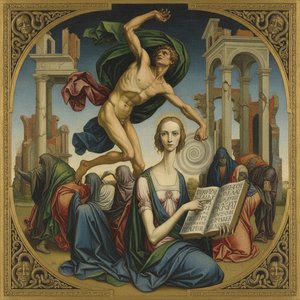
Beyond Perfection: The Dramatic Elegance and Intellectual Tension of Renaissance Mannerism
Explore the captivating world of Renaissance Mannerism. Discover how artists moved beyond High Renaissance harmony into a realm of elegant distortion, psychological tension, and dramatic beauty that bridged the gap to the Baroque era.

The Enduring Power of Painting: A Historical & Contemporary Exploration of Form and Emotion
Explore the rich history & enduring techniques of oil painting with OriginalUniqueArt. Discover masterpieces, learn about art collecting, and find authentic handmade reproductions crafted by skilled artists.

Oil on Canvas: A Historical & Technical Exploration of a Timeless Artistic Medium
Explore the rich history & enduring techniques of oil painting on canvas. Discover the science behind its longevity, conservation practices, and contemporary relevance. Expert insights for art enthusiasts.


