

 Előnézet
 Megosztás
 Megosztás
 Részletek
 Útmutató

 Letöltés
 Hasonló darabok
 X-ray felvétel
 Diavetítés
 Statisztika
St. Anthony Abbot
 Oil On Panel
- WallArt
- Renaissance Portraiture
 1519
1519- Renaissance
 78.0 x 66.0 cm
 Uffizi Képtár
 Tovább olvasom
Kézzel készített olajfestmény reprodukció
Kézzel festett olajvastú vászon, az Ön által választott méretben és keretben, művészeink készítik meglévőre. ( Váltás nyomtatványra Áttérés digitális képre)




P118B Ft10

P118H Ft10

P118W Ft10

P438Z Ft10

P508JH Ft12

P508YH Ft12

P805H Ft10

P805Z Ft10

P919BZ Ft10

P919G Ft10

P919XJ Ft10

P959ZH Ft10

P968JZ Ft12

W106C Ft8

W218G Ft10

W218JH Ft8

W218Y Ft10

W307PJ Ft10

W316G Ft10

W316PJ Ft8

W316Y Ft10

W398PJ Ft8

W4111J Ft10

W500HY Ft15

W500JH Ft15

W692G Ft12

W849H Ft8

W940BG Ft15

W953PJ Ft8




Válasszon előre meghatározott méreteink közül, amelyek megfelelnek a műalkotás eredeti arányainak.

Ön megadhat saját méreteket egy adott kerethez vagy térhez igazításhoz. Ha a kiválasztott méret nem egyezik az eredeti kép arányával, akkor a műalkotást levágjuk, vagy további kézzel festett elemekkel meghosszabbítjuk a festményt. A gyártás megkezdése előtt küldünk Önnek egy digitális előnézetet jóváhagyásra.
Kérjük, vegye figyelembe, hogy a képernyőn megjelenő előnézet nem tükrözi a tényleges vágást vagy kiterjesztést. Csak az előnézet fog pontosan mutatni a végső kompozíciót.
Bár egyedi méretek állnak rendelkezésre, javasoljuk, hogy válasszon egy méretet az előre meghatározott listából az eredeti arányok megőrzése érdekében.
A rendelést követően a OriginalUniqueArt.com csapata e-mailt küld az ügyfélnek az instrukciókért, és biztosít egy előnézeti képet (mockup).
Világszerte elérhető szállítás () 3-4 hét alatt a szokásos 5 hét helyett. (13 október). A minőség nem kérdőjelezhető.

Ingyenes globális expressz szállítás

Prémium minőségű len vászon

Teljes körű szállítási biztosítás

Vámvisszatérítési Garancia

Tökéletes színarányosság garancia

100 napos visszaküldési garancia (csak gyártási hibás termékek esetén)

100% pénzvisszatérítési garancia

Több darab vásárlásakor kedvezmény
 Az üvegkeretes opció csak 110 cm alatti méretben érhető el

St. Anthony Abbot
Reprodukciós technika
Reprodukció méretei
-


Összesített ár
Ft 94012
A Renaissance Reverie: The Soul of Pontormo’s St. Anthony Abbot
In the quietude of a Florentine studio around 1519, Jacopo Carucci—the master known to history as Pontormo—captured a moment of profound spiritual stillness that continues to resonate centuries later. His depiction of St. Anthony Abbot is far more than a mere portrait of a desert saint; it is a window into the burgeoning Mannerist movement, where the serene balance of the High Renaissance began to yield to a more complex, psychological intensity. As one gazes upon this work, there is an immediate sense of encountering a soul in contemplation, a figure emerging from a muted, greenish-yellow void to offer a glimpse of divine light.
The painting serves as a masterful bridge between eras. While the anatomical precision and sculptural presence of the subject echo the monumental influence of Michelangelo, Pontormo introduces an emotional depth that anticipates the dramatic tension of the Baroque. The saint is rendered with a striking realism; his weathered face, the texture of his long, flowing beard, and the heavy drape of his dark, ascetic robes all speak to a life of rigorous devotion and solitude. This meticulous attention to detail does not merely serve to document the physical form but to ground the spiritual subject in a palpable, human reality.
The Language of Light and Symbolism
Technique and symbolism are inextricably linked in this evocative composition. Pontormo employs chiaroscuro with surgical precision, utilizing a light source that strikes the figure from the left to carve his features out of the shadows. This play of light and dark does more than create a three-dimensional illusion; it acts as a metaphor for the saint's spiritual journey through the darkness of temptation toward the clarity of faith. The subtle use of shadow on the right side of the face adds a layer of mystery, suggesting the internal struggles inherent in the monastic life.
Central to the painting’s narrative is the scroll held firmly in St. Anthony's hand. Upon it, the Latin inscription "EGO SUM LUX MUNDI"—I am the light of the world—serves as a powerful theological anchor. Though these words are attributed to Christ, their presence in the hands of the Abbot connects the saint to the divine essence, reinforcing his role as a beacon of spiritual truth. The muted, atmospheric background, devoid of distracting landscapes, ensures that the viewer’s focus remains locked onto this sacred message and the luminous countenance of the saint himself.
An Enduring Legacy for the Discerning Collector
For the art lover or the interior designer, a reproduction of Pontormo’s St. Anthony Abbot offers much more than aesthetic beauty; it provides an atmosphere of contemplative gravity. The painting's sophisticated palette—dominated by earthy tones, deep shadows, and that singular, haunting greenish-yellow hue—makes it a versatile centerpiece for spaces that value historical depth and intellectual character. It is a piece that invites long periods of study, rewarding the observer with new layers of emotional complexity upon every viewing.
Whether placed in a private library, a formal study, or a curated gallery setting, this work brings with it the weight of Florentine history and the melancholic beauty of the Mannerist vision. To possess such a piece is to invite the spirit of Pontormo into one's environment—a master who dared to look inward and capture the turbulent, beautiful complexity of the human soul through the medium of oil and light.
Gyakran Ismételt Kérdések
Milyen technika és stílus jellemzi „St. Anthony Abbot”, Pontormo alkotása alkotást?
A "St. Anthony Abbot" alkotásban a Oil On Panel technika találkozik a Renaissance Portraiture irányzattal.
A Pontormo alkotása, a "St. Anthony Abbot", a jogi szabadhasználatban (public domain) áll-e, és miért?
A „St. Anthony Abbot”, Pontormo alkotása a joghallgatói schützenesség körébe tartozik – a szerzői jog lejártt állapotban van. A szerzői jogi védelem időtartama a művész halálától számítódik, amely 1557 évben történt.
A dátum alapján St. Anthony Abbot melyik szakaszába tartozik Pontormo pályájának?
A "St. Anthony Abbot", amely 1519 évben készült, Pontormo pályájának Mature Renaissance szakaszába tartozik.
Hogyan javasolt a(z) "St. Anthony Abbot" kinyomtatása – milyen méretben, milyen elrendezésben?
Medium méret, Portrait elrendezés: ez a javasolt nyomtatási beállítás a(z) „St. Anthony Abbot”, Pontormo alkotása alkotáshoz.
Megrendelhető-e a "St. Anthony Abbot" olajfestmény másolata?
A „St. Anthony Abbot”, Pontormo alkotása kézzel festett másolataival a ez a weboldal oldalon találkozhat: kézzel festett olajfesték reprodukció lino vászonon, megrendelve a ez az oldal felületén.
Hogyan tekinthetném meg a(t) „St. Anthony Abbot”, Pontormo alkotása alkotást diaváltogatással?
A „St. Anthony Abbot”, Pontormo alkotása diaporámaként tekinthető a mű Diaváltás oldalán.
Milyen érzelmet közvetít a Renaissance Portraiture korszakból származó "St. Anthony Abbot" című alkotás?
A Renaissance Portraiture irányzaton belül, a "St. Anthony Abbot" egy Calm hangulatban készült.
Melyik helyiségbe illik jól a "St. Anthony Abbot" reprodukciója az otthonunkban?
A „St. Anthony Abbot”, Pontormo alkotása ajánlott egy Living Room számára. Ez a javaslat a mű témáján, színein és hangulatán alapul.
A művész életrajza
A melankolikus víziós: Jacopo Pontormo élete és öröksége
Jacopo Carucci, akiket a történelem az emlékezetes Pontormo néven ismer, egy olyan művész volt, akinek ecsetje az átmenet legmélyebb lényegét örökítette meg. Pontorme kis toszkai falujában született körülbelül 1494-ben; korai éveket magány és melankólia mély érzése határoztak meg, tulajdonságok, amelyek később páratlan pszichológiai mélységet kölcsönöztek vászonainak. Fiatal tanoncként Firenzében a változó művészeti paradigmok világában mozogott, végül a firenzei manierista mozgalom központi alakjaként emelkedett ki. Ellentétben a magasreneszánsz mestereivel, akik az egyensúlyon és a matematikai harmónián keresztül keresték a tökéletességet, Pontormo befelé tekintett, törekedve az emberi lélek zord, gyakran nyugtalanító összetettségének kifejezésére. Formálódó éveit óriások árnyékai formálták. Domenico del Pollaiuolo tanítása és Michelangelo Buonarroty monumentális hatása alatt sajátította el a reneszánsz mestertől elvárt anatomikai precizitást, mégis benne élt visszatarthatatlan vágy a valóság éppen ilyen torzítására az érzelmi hatás érdekében. Nemcsak Michelangelo szobori súlyából merített inspirációt, hanem Albrecht Dürer bonyolult, érzelmeket árasztó metszeteiből is. Az olasz formák és a északeurópai kifejező részletek ezen egyedülálló szintézise lehetővé tette számára egy olyan stílus úttörőinek való megszületését, amelyben a alakok úgy tűntek, mintha elveszítenék kötődésüket a gravitációhoz, és álarnyékos, álomszerű terekben lebegnének.A manierizmus architektúrája: Stílus és innováció
Egy Pontormo-festmény megtekintése olyan birodalomba való belépés, ahol a fizika és a perspektíva ismerős törvényei felfüggesztésre kerülnek. Művészete tudatos eltérés elődei nyugodt, perspektívus regularitásától. Remekműveiben, mint például a "Visszatérés" (Visitation) vagy a hátborzongató "Letekintés" (Deposition), megfigyelhető maniertista esztétikájának minden jellegzetessége: megnyúlt végtagok, csavarodott és természetellenes testhelyzetek, valamint vibráló, szinte savas színek palettája, amely idegen fényben csillan és ütközik egymással. A reneszánsz stabil, háromszög alakú kompozícióit felváltotta viharos, zsúfolt elrendezések, amelyek nyugtalanság tengerét és spirituális bizonytalanságot idéznek. Pontormo technikai zsenialitása abban rejlett, hogy a színeket és a formákat pszichológiai eszközként tudta alkalmazni. Alakjai gyakran bizonytalan környezetben lebegnek, súlytól megváltan, mély instabilitás érzését keltve. Ez nem csupán mesterkedés volt; tudatos kísérlet volt arra, hogy közvetítse egy olyan korszak spirituális szorongásait, amely a reneszánsz bizonyossága és a barokk közelgő drámája közé szorult. Legyen szó az "Emmauszbeli vacsorán" (Supper at Emmaus) megjelenő drámai fényről, vagy Krisztus-ábrázolása során felfedezhető éles, érzelmes intenzitásról, Pontormo minden egyes ecsetvonatral a gyász, az áldozatkészség és az isteni lényeg témáinak feltárására szolgált.Tartós nyom a művészettörténetben
Jacopo Pontormo történelmi jelentőségét nem lehet alulbecsülni. Vitalis hidat képezett, átfordítva a 15. század klasszikus ideáljait arra a kifejező, teátrális nyelvességre, amely meghatározta a 16. századi művészet jelentős részét. Hatása áradt a firenzei iskolán keresztül, alakítva olyan utódok munkásságát, mint Bronzino, és biztosítva, hogy a szépség és a mesterfogás közötti feszültség központi párbeszéd maradjon az európai festészetben. Művészete ma is tanúbizonysága az egyéni látásnak a hagyomány feletti erejének. Portréin keresztül, mint például a királyi "Cosimo I de' Medici", és mélyen szimbolikus vallásos alkotásaiban bebizonyította, hogy a művészet lehet több mint a valóság tükre; lehet abba a abgrundba nyíló ablakba, amely a tudatalatti rejtelmeit tárja fel. Bár élete gyakran övezte személyes bánat árnyéka, színeinek ragyogása és kompozícióinak összetettsége ma is lenyűgöző, minden nézőt arra hívva, hogy veszzen el a firenzei mester gyönyörű, torzított és mélyen emberi világában.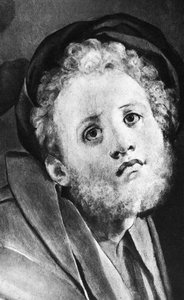
Pontormo
1494 - 1557 , Olaszország
Gyors információk
- Artistic Movement Or Style: Mannerizmus
- Artists Or Movements Influenced By This Artist:
- Michelangelo
- Rosso Fiorentino
- Artists Who Influenced This Artist:
- Leonardo da Vinci
- Andrea del Sarto
- Date Of Birth: 1494. május 24.
- Date Of Death: 1557. jan. 2.
- Full Name: Jacopo Pontormo
- Nationality: Olasz
- Notable Artworks:
- A látomás
- A feltételátadás
- Place Of Birth: Pontorme, Olaszország
Kapcsolódó cikkek
Discover the Divine: Inspiring Saint Anthony Artworks to Elevate Your Home Decor
Transform your home with the profound beauty of Saint Anthony artworks. Explore exquisite Baroque reproductions by Murillo and Zurbarán, hand-painted on 100% cotton canvas to bring divine serenity and timeless elegance to your interior design.
Jacopo Tintoretto 25 Mesterműve: A Velencei Dráma és Fény Világa | OriginalUniqueArt
Fedezze fel Jacopo Tintoretto 25 legpárásabb műalkotását! A velencei reneszánsz drámája és a barokk fények világa. Vásároljon luxus minőségű reprodukciókat, inspirálja otthonát OriginalUniqueArt-on. Explore the full collection online!

Jacopo Pontormo: A Bridge Between Renaissance Tradition & Mannerist Emotion
Explore the captivating world of Jacopo Pontormo, a pivotal Italian Mannerist painter. Discover his unique style, influences & masterpieces – and find museum-quality reproductions at OriginalUniqueArt.
El Greco 25 Mesterműve: A Spanyol Reneszánsz Legkiemelkedőbb Alkotásai – OriginalUniqueArt.com
Fedezze fel El Greco 25 leglenyűgözőbb művészeti alkotását! Ismerje meg a spanyol reneszánsz és manierizmus mesterét, festményeinek történetét és spirituális mélységét. Luxus reprodukciók – OriginalUniqueArt.com.
Jacopo Bassano: A Venetian Master of Color, Family & the Renaissance Landscape
Explore the life & art of Jacopo Bassano, a Venetian master renowned for his vibrant colorism and innovative religious scenes. Discover his family legacy & enduring influence on Renaissance painting with OriginalUniqueArt.


