
 Megtekintés
 Küldés
 Megosztás
 Részletek
 Útmutató

 Letöltés
 Hasonló darabok
 X-ray felvétel
 Diavetítés
 Kérdések és válaszok
 Statisztika
Alessandro de' Medici


 Összes részlet megjelenítése
Giclée / Műnyomat
Múzeumi minőségű giclée vagy vászonnyomat, gyors gyártással és rugalmas finomítási lehetőségekkel. ( Kézzel festett másolat rendelése Áttérés digitális képre)




P118B Ft10

P118H Ft10

P118W Ft10

P438Z Ft10

P508JH Ft12

P508YH Ft12

P805H Ft10

P805Z Ft10

P919BZ Ft10

P919G Ft10

P919XJ Ft10

P959ZH Ft10

P968JZ Ft12

W106C Ft8

W218G Ft10

W218JH Ft8

W218Y Ft10

W307PJ Ft10

W316G Ft10

W316PJ Ft8

W316Y Ft10

W398PJ Ft8

W4111J Ft10

W500HY Ft15

W500JH Ft15

W692G Ft12

W849H Ft8

W940BG Ft15

W953PJ Ft8




Válasszon előre meghatározott méreteink közül, amelyek megfelelnek a műalkotás eredeti arányainak.

Írja be a keretének vagy a falának megfelelő szélességet és magasságot. A nyomatot csak le lehet vágni, soha nem tehető nagyobbá, mint az eredeti kép, így egy eltérő alakú méretnél a kép egy része elveszik. Mielőtt bármit kinyatintanánk, küldünk egy digitális próbamodellt jóváhagyásra. Az oldalon látható kép nem tartalmazza a valós levágást — ezt csak a próbamodell mutatja meg.
Világszerte történő kiszállítás területére mindössze 2 hét alatt, a szokásos 4-5 hét helyett. (8 november)

Ingyenes globális expressz szállítás

Prémium minőségű len vászon

Teljes körű szállítási biztosítás

Vámvisszatérítési Garancia

Hiteles színarányosság garancia

100 napos visszaküldési lehetőség (csak hibás termékek esetén)

100% pénzvisszatérítési garancia

Több darab vásárlásakor kedvezmény
 Az üvegkeretes opció csak 110 cm alatti méretben érhető el

Alessandro de' Medici
Giclée / Műnyomat
Reprodukció mérete
-


Összesített ár
Ft 26415
The Soul Beneath the Crown: A Study in Mannerist Melancholy
In the quiet, tension-filled corridors of 16th-century Florence, a new kind of portraiture began to emerge—one that sought not to flatter the sitter with outward glory, but to expose the profound psychological tremors beneath their skin. Jacopo Carucci, known more evocatively as Pontormo, achieved this feat masterfully in his 1535 masterpiece, Alessandro de' Medici. This is not merely a record of a ruler’s likeness; it is an intimate encounter with a soul caught in the crosswinds of political instability and personal introspection. As one gazes upon the face of the first Duke of Florence, there is an immediate sense of being drawn into a private moment of contemplation, where the weight of a turbulent reign is visible in the very shadows of the eyes.
The composition eschews the grand, sweeping landscapes and opulent backdrops typical of High Renaissance portraiture. Instead, Pontormo employs a deliberate simplicity, focusing the viewer’s entire attention on the upper torso and the hauntingly expressive face of Alessandro. By stripping away the distractions of worldly wealth, the artist forces an encounter with the subject's humanity. The minimal background serves to isolate the Duke, creating a vacuum of space that amplifies his sense of solitude. This stylistic choice is quintessential to the Mannerist movement, where the goal was to move beyond mere anatomical accuracy toward a more heightened, expressive, and often unsettling emotional truth.
Technique and the Language of Light
To behold this work is to witness the exquisite technical prowess of Pontormo’s brush. Utilizing oil on canvas, the artist layered pigments with a meticulous sensitivity that allows for breathtaking tonal gradations. The lighting is soft, almost diffused, as if filtered through the heavy atmosphere of a Tuscan twilight. This gentle illumination does not strike the subject with dramatic force; rather, it caresses the contours of the face, creating subtle transitions between light and shadow that lend a startling three-dimensional vitality to the skin. Such mastery of sfumato and tonal modulation allows the viewer to perceive the slight tension in the brow and the reflective depth within the gaze.
The color palette is a sophisticated arrangement of muted earth tones—deep browns, creamy highlights, and somber blacks, punctuated by subtle, bruised reds. These colors do not shout; they whisper of gravity and importance. The textures, though appearing smooth to the eye, possess an underlying complexity that suggests the heavy, fine fabrics of ducal attire. For the discerning collector or interior designer, this painting offers a profound sense of gravitas. It is a piece that does not demand attention through garishness but commands it through its quiet, undeniable presence, making it an ideal centerpiece for spaces designed for reflection, study, or sophisticated conversation.
A Legacy of Emotional Resonance
Beyond the technical brilliance lies the historical and symbolic heartbeat of the piece. Alessandro de' Medici lived a life defined by transition and uncertainty, and Pontormo captures this zeitgeist with uncanny precision. The elongated forms and slightly distorted perspectives characteristic of Mannerism serve as visual metaphors for a world where the stable proportions of the Renaissance were fracturing. There is an inherent ambiguity in the subject’s expression—is it pride, or is it sorrow? Is it the composure of a leader, or the mask of a man burdened by his station?
This ambiguity is precisely what gives the portrait its enduring power. It invites the viewer to participate in the interpretation, making every encounter with the artwork a new discovery. For those seeking to adorn their homes or galleries with works of significant intellectual and emotional depth, a high-quality reproduction of this Pontormo masterpiece offers more than just aesthetic beauty; it offers a window into the complexities of the human condition. It is an invitation to dwell in the presence of greatness, even in its most vulnerable and melancholic moments.
Kérdések és válaszok
Milyen az „Alessandro de' Medici”, Pontormo alkotása általános hangulata?
„Alessandro de' Medici”, Pontormo alkotása művészeti alkotásának összhangulata Dramatic. Ez az érzet foglalja össze a mű általános atmoszféráját.
Elérhető diaporáma a(z) „Alessandro de' Medici”, Pontormo alkotása alkotáshoz?
A "Alessandro de' Medici" diaporámája megtekinthető a mű Diaváltás oldalán.
Mik a „Alessandro de' Medici” mű másolati jogai a Chicagói Művészeti Intézet gyűjteményében?
A Chicagói Művészeti Intézet gyűjteményében található „Alessandro de' Medici”, Pontormo alkotása közösségi tulajdon – a szerzői jog lejártt státuszú. Ez a státusz határozza meg, hogy a kép másolható-e.
A művész életrajza
A melankolikus víziós: Jacopo Pontormo élete és öröksége
Jacopo Carucci, akiket a történelem az emlékezetes Pontormo néven ismer, egy olyan művész volt, akinek ecsetje az átmenet legmélyebb lényegét örökítette meg. Pontorme kis toszkai falujában született körülbelül 1494-ben; korai éveket magány és melankólia mély érzése határoztak meg, tulajdonságok, amelyek később páratlan pszichológiai mélységet kölcsönöztek vászonainak. Fiatal tanoncként Firenzében a változó művészeti paradigmok világában mozogott, végül a firenzei manierista mozgalom központi alakjaként emelkedett ki. Ellentétben a magasreneszánsz mestereivel, akik az egyensúlyon és a matematikai harmónián keresztül keresték a tökéletességet, Pontormo befelé tekintett, törekedve az emberi lélek zord, gyakran nyugtalanító összetettségének kifejezésére. Formálódó éveit óriások árnyékai formálták. Domenico del Pollaiuolo tanítása és Michelangelo Buonarroty monumentális hatása alatt sajátította el a reneszánsz mestertől elvárt anatomikai precizitást, mégis benne élt visszatarthatatlan vágy a valóság éppen ilyen torzítására az érzelmi hatás érdekében. Nemcsak Michelangelo szobori súlyából merített inspirációt, hanem Albrecht Dürer bonyolult, érzelmeket árasztó metszeteiből is. Az olasz formák és a északeurópai kifejező részletek ezen egyedülálló szintézise lehetővé tette számára egy olyan stílus úttörőinek való megszületését, amelyben a alakok úgy tűntek, mintha elveszítenék kötődésüket a gravitációhoz, és álarnyékos, álomszerű terekben lebegnének.A manierizmus architektúrája: Stílus és innováció
Egy Pontormo-festmény megtekintése olyan birodalomba való belépés, ahol a fizika és a perspektíva ismerős törvényei felfüggesztésre kerülnek. Művészete tudatos eltérés elődei nyugodt, perspektívus regularitásától. Remekműveiben, mint például a "Visszatérés" (Visitation) vagy a hátborzongató "Letekintés" (Deposition), megfigyelhető maniertista esztétikájának minden jellegzetessége: megnyúlt végtagok, csavarodott és természetellenes testhelyzetek, valamint vibráló, szinte savas színek palettája, amely idegen fényben csillan és ütközik egymással. A reneszánsz stabil, háromszög alakú kompozícióit felváltotta viharos, zsúfolt elrendezések, amelyek nyugtalanság tengerét és spirituális bizonytalanságot idéznek. Pontormo technikai zsenialitása abban rejlett, hogy a színeket és a formákat pszichológiai eszközként tudta alkalmazni. Alakjai gyakran bizonytalan környezetben lebegnek, súlytól megváltan, mély instabilitás érzését keltve. Ez nem csupán mesterkedés volt; tudatos kísérlet volt arra, hogy közvetítse egy olyan korszak spirituális szorongásait, amely a reneszánsz bizonyossága és a barokk közelgő drámája közé szorult. Legyen szó az "Emmauszbeli vacsorán" (Supper at Emmaus) megjelenő drámai fényről, vagy Krisztus-ábrázolása során felfedezhető éles, érzelmes intenzitásról, Pontormo minden egyes ecsetvonatral a gyász, az áldozatkészség és az isteni lényeg témáinak feltárására szolgált.Tartós nyom a művészettörténetben
Jacopo Pontormo történelmi jelentőségét nem lehet alulbecsülni. Vitalis hidat képezett, átfordítva a 15. század klasszikus ideáljait arra a kifejező, teátrális nyelvességre, amely meghatározta a 16. századi művészet jelentős részét. Hatása áradt a firenzei iskolán keresztül, alakítva olyan utódok munkásságát, mint Bronzino, és biztosítva, hogy a szépség és a mesterfogás közötti feszültség központi párbeszéd maradjon az európai festészetben. Művészete ma is tanúbizonysága az egyéni látásnak a hagyomány feletti erejének. Portréin keresztül, mint például a királyi "Cosimo I de' Medici", és mélyen szimbolikus vallásos alkotásaiban bebizonyította, hogy a művészet lehet több mint a valóság tükre; lehet abba a abgrundba nyíló ablakba, amely a tudatalatti rejtelmeit tárja fel. Bár élete gyakran övezte személyes bánat árnyéka, színeinek ragyogása és kompozícióinak összetettsége ma is lenyűgöző, minden nézőt arra hívva, hogy veszzen el a firenzei mester gyönyörű, torzított és mélyen emberi világában.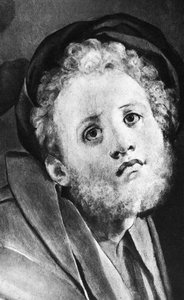
Pontormo
1494 - 1557 , Olaszország
Rövid információk
- Artistic Movement Or Style: Mannerizmus
- Artists Or Movements Influenced By This Artist:
- Michelangelo
- Rosso Fiorentino
- Artists Who Influenced This Artist:
- Leonardo da Vinci
- Andrea del Sarto
- Date Of Birth: 1494. május 24.
- Date Of Death: 1557. jan. 2.
- Full Name: Jacopo Pontormo
- Nationality: Olasz
- Notable Artworks:
- A látomás
- A feltételátadás
- Place Of Birth: Pontorme, Olaszország
Kapcsolódó cikkek

Rólunk
Fedezze fel történetünket! A világ legjobb művészetét hozzuk az életébe szakértő válogatással, egyedi alkotásokkal és ingyenes betekintésekkel. Magánszemélyek és vállalkozások számára is elismert 2000 óta.

Goya Mesterművei: A Spanyol Lélek 25 Legikonikus Képe – OriginalUniqueArt
Fedezze fel Goya 25 leglenyűgözőbb mesterművét! Ismerje meg a spanyol festő életművét, portréit és ikonikus képeit. Vásároljon prémium minőségű reprodukciókat a OriginalUniqueArt.com-on, és teremtsen egyedi otthoni dekorációt klasszikus művészettel! Explore the full collection online.

The Enduring Legacy of Fine Art Prints: Technique, History & Aesthetic Impact
Explore the rich history & techniques of fine art prints. Discover investment potential, assess authenticity, and learn how to preserve your collection with expert guidance. Trusted insights for discerning collectors.

Jacopo Pontormo: A Bridge Between Renaissance Tradition & Mannerist Emotion
Explore the captivating world of Jacopo Pontormo, a pivotal Italian Mannerist painter. Discover his unique style, influences & masterpieces – and find museum-quality reproductions at OriginalUniqueArt.

Giclée Prints: Archival Quality & Aesthetic Nuances for the Discerning Collector
Explore the world of giclée prints with OriginalUniqueArt. Learn about archival quality, aesthetic nuances & investment potential. Expert guidance for discerning art collectors seeking museum-quality reproductions and lasting value.


