

 Előnézet
 Megosztás
 Megosztás
 Részletek
 Útmutató

 Letöltés
 Hasonló darabok
 X-ray felvétel
 Diavetítés
 Statisztika
Tombstones


 Tovább olvasom
Kézzel készített olajfestmény reprodukció
Kézzel festett olajvastú vászon, az Ön által választott méretben és keretben, művészeink készítik meglévőre. ( Váltás nyomtatványra Áttérés digitális képre)




P118B $10

P118H $10

P118W $10

P438Z $10

P508JH $12

P508YH $12

P805H $10

P805Z $10

P919BZ $10

P919G $10

P919XJ $10

P959ZH $10

P968JZ $12

W106C $8

W218G $10

W218JH $8

W218Y $10

W307PJ $10

W316G $10

W316PJ $8

W316Y $10

W398PJ $8

W4111J $10

W500HY $15

W500JH $15

W692G $12

W849H $8

W940BG $15

W953PJ $8




Válasszon előre meghatározott méreteink közül, amelyek megfelelnek a műalkotás eredeti arányainak.

Ön megadhat saját méreteket egy adott kerethez vagy térhez igazításhoz. Ha a kiválasztott méret nem egyezik az eredeti kép arányával, akkor a műalkotást levágjuk, vagy további kézzel festett elemekkel meghosszabbítjuk a festményt. A gyártás megkezdése előtt küldünk Önnek egy digitális előnézetet jóváhagyásra.
Kérjük, vegye figyelembe, hogy a képernyőn megjelenő előnézet nem tükrözi a tényleges vágást vagy kiterjesztést. Csak az előnézet fog pontosan mutatni a végső kompozíciót.
Bár egyedi méretek állnak rendelkezésre, javasoljuk, hogy válasszon egy méretet az előre meghatározott listából az eredeti arányok megőrzése érdekében.
A rendelést követően a OriginalUniqueArt.com csapata e-mailt küld az ügyfélnek az instrukciókért, és biztosít egy előnézeti képet (mockup).
Világszerte elérhető szállítás () 3-4 hét alatt a szokásos 5 hét helyett. (27 szeptember). A minőség nem kérdőjelezhető.

Ingyenes globális expressz szállítás

Prémium minőségű len vászon

Teljes körű szállítási biztosítás

Vámvisszatérítési Garancia

Tökéletes színarányosság garancia

100 napos visszaküldési garancia (csak gyártási hibás termékek esetén)

100% pénzvisszatérítési garancia

Több darab vásárlásakor kedvezmény
 Az üvegkeretes opció csak 110 cm alatti méretben érhető el

Tombstones
Reprodukciós technika
Reprodukció méretei
-


Összesített ár
$ 400
A Poignant Meditation on Mortality and Community
In the somber, evocative landscape of Jacob Lawrence’s 1942 masterpiece, Tombstones, we are invited into a profound visual dialogue between life and death. Painted during the turbulent era following Pearl Harbor, this work serves as much more than a mere depiction of a graveyard; it is a soulful testament to the collective experience of African Americans in Harlem. Lawrence, a master of narrative storytelling, utilizes his signature dynamic cubism to weave a tapestry of remembrance that feels both deeply personal and universally resonant. The scene unfolds with a sense of quiet dignity, where the presence of crosses and headstones does not evoke terror, but rather a meditative stillness—a communal space where memory is held sacred amidst the shifting tides of history.
The composition is masterfully structured to guide the viewer through a cycle of existence. A central staircase dominates the frame, acting as a powerful metaphor for the human journey; its ascent suggests aspiration and the upward reach of the spirit, while the descent reminds us of the inevitable return to the earth. Lawrence employs a flattened perspective that eschews traditional depth in favor of a rhythmic, layered arrangement. Figures are positioned throughout this architectural landscape—some ascending toward the light of upper windows, others lingering near the gravesites below—creating a sense of a community bound together by shared history and the shared reality of loss.
The Language of Line and Earthy Tones
Technically, Tombstones is a triumph of precision and restraint. Executed in tempera, the artwork relies on the deliberate application of color blocking and sharp, defining lines to construct its world. Lawrence avoids the distraction of heavy textures or realistic shading, opting instead for a geometric clarity that lends the piece an enduring, monumental quality. The lines that delineate the stair railings, the building's silhouette, and the very tombstones themselves are rendered with an unwavering certainty, providing a sense of structural order to the complex emotional narrative.
The color palette is intentionally muted, grounded in an earthy spectrum of browns, deep greens, ochre yellows, and somber blues. These tones evoke the soil and the weathered stone of a memorial site, reinforcing the theme of mortality. Yet, within this subdued field, Lawrence introduces subtle contrasts that breathe life into the composition, ensuring that the eye remains engaged by the interplay of light and shadow across the flattened planes. For the collector or interior designer, this palette offers a sophisticated versatility, providing a focal point that commands attention through its tonal depth and historical weight rather than through garishness.
A Timeless Legacy for the Modern Collector
To possess a reproduction of Tombstones is to hold a piece of American Social Realism. Lawrence’s ability to blend the avant-garde techniques of modernism with the urgent social realities of his time creates an artwork that remains strikingly contemporary. The painting does not merely depict a moment in 1942; it captures the eternal rhythm of community, resilience, and the cyclical nature of life. It is a piece that invites long periods of contemplation, making it an ideal acquisition for those seeking to infuse their spaces with intellectual depth and emotional resonance.
Whether displayed in a curated gallery setting or as a cornerstone of a thoughtfully designed residential interior, this work serves as a bridge between the past and the present. It offers a window into the heart of Harlem and the enduring strength of the human spirit, making it an incomparable choice for art lovers who value works that possess both aesthetic mastery and a profound, lingering soul.
A művész életrajza
A Life Painted in Story: The World of Jacob Lawrence
Jacob Armstead Lawrence, born September 7, 1917, in Atlantic City, New Jersey, emerged as one of the most significant American artists of the 20th century. His life story is inextricably woven into his art—a powerful narrative shaped by the realities of being African-American during a period of profound social change. Following his parents’ divorce in 1924, Lawrence experienced a childhood marked by movement and adaptation, spending time in foster care in Philadelphia before ultimately finding a home with his mother in Harlem during the vibrant years of the Harlem Renaissance. This immersion into the cultural heart of Black America would become the wellspring of his artistic vision—a deep connection to community, history, and the enduring spirit of his people. It was within the bustling streets and communal spaces of Harlem that Lawrence first encountered art, attending classes at Utopia Children’s House and later studying under Charles Alston at the Harlem Art Workshop—a formative experience that instilled in him a commitment to visual storytelling and a unique approach to representation.Dynamic Cubism: A Style Born of Experience
Lawrence didn't simply adopt artistic styles; he forged his own, famously describing it as “dynamic cubism.” This wasn’t an imitation of the European avant-garde—the movements dominating Paris at the time—but rather a unique synthesis of modernist principles and the lived experiences of his community. Influenced by the bold colors and flattened forms of African sculpture – objects that spoke volumes through their simplicity and symbolic power – and Mexican muralists like Diego Rivera and José Clemente Orozco, who prioritized narrative and social commentary in their monumental works, Lawrence developed a visual language that was both strikingly modern and deeply rooted in Black culture. His paintings are characterized by strong, simplified shapes—often geometric and deliberately abstracted—vibrant color palettes that pulsate with energy, and a deliberate rejection of traditional perspective. He wasn’t interested in creating photographic realism; instead, he sought to distill the essence of his subjects, capturing their emotions and experiences with remarkable immediacy. This approach wasn't merely aesthetic; it served to emphasize the emotional weight of his subjects and create a sense of accessibility—making complex narratives understandable and engaging for a wide audience. Lawrence’s work can be seen as a bridge between the formal experimentation of European modernism and the powerful storytelling traditions of African art.Chronicling History & Everyday Life
Lawrence's artistic output is remarkable for its breadth and thematic consistency. He didn’t focus on isolated portraits or landscapes; instead, he created sweeping series that tackled monumental historical events and the nuances of everyday Black life. His breakthrough came with *The Migration Series*, a powerful sequence of sixty panels depicting the Great Migration—the mass movement of African Americans from the rural South to the industrial North in search of opportunity and escape from Jim Crow segregation. This ambitious project, begun in 1940-41, catapulted Lawrence to national recognition, earning him accolades and securing his place as a leading voice in American art. The panels aren’t simply historical records; they are infused with emotion—depicting the hopes, fears, and struggles of those who embarked on this transformative journey. The series is notable for its use of captions – short, evocative phrases that provide context and deepen the narrative. Alongside the panels, Lawrence also created a series titled *The Life of Frederick Douglass*, exploring the life and legacy of the abolitionist leader; another focused on Harriet Tubman, highlighting her courageous role in the Underground Railroad. Beyond these grand historical cycles, Lawrence found beauty and significance in the ordinary: scenes of barbershops, diners, and domestic life became canvases for exploring themes of community, resilience, and identity—capturing the vibrant textures of Harlem’s social fabric. Bar and Grill, a stark depiction of segregation within a New Orleans café, exemplifies his ability to distill complex social realities into potent visual statements. Similarly, Victory and Defeat, with its imposing wall of cannonballs, commemorates the pivotal siege of Yorktown, Virginia, offering a nuanced reflection on American history.Legacy & Enduring Influence
Jacob Lawrence’s impact extends far beyond his impressive body of work. He was not only an artist but also a dedicated educator, teaching at institutions like Black Mountain College and the University of Washington for sixteen years. Through his teaching, he nurtured generations of artists, encouraging them to find their own voices and explore themes relevant to their experiences. Lawrence paved the way for countless African-American artists who followed—challenging prevailing norms and expanding the boundaries of American art. His work continues to resonate today, prompting critical conversations about race, history, and social justice. Featured in prominent museums such as the Smithsonian American Art Museum and the University of Washington’s collection, his paintings serve as enduring testaments to the power of art to illuminate the human condition and inspire change. He left behind a legacy not just of beautiful images but of courageous storytelling—a visual chronicle of a people's journey toward freedom and self-determination. His work remains a vital contribution to American art history, reminding us of the importance of diverse voices and perspectives in shaping our cultural landscape.
Jacob Lawrence
1917 - 2000 , Egyesült Államok
Gyors információk
- Artistic Movement Or Style: Dinamikus kubizmus
- Artists Or Movements Influenced By This Artist: ['Afrikai művészek']
- Date Of Birth: 1917. szeptember 7.
- Date Of Death: 2000. június 9.
- Full Name: Jacob Armstead Lawrence
- Nationality: Amerikai
- Notable Artworks:
- Vándorlás sorozata
- Győzelem és vereség
- Place Of Birth: Atlantic City, USA
Kapcsolódó cikkek
A 10 legikonikusabb festmény az otthoni galériádhoz – Élvezd a művészetet nappalidban!
Fedezze fel a 10 legikonikusabb festményt, melyek nappaliját művészeti galériává varázsolják! Ismerje meg Van Gogh, Leonardo da Vinci és Rembrandt remekműveit. Vászonképek, reprodukciók – inspirálódjon otthon dekorációjához a OriginalUniqueArt.com-on!
Transforming Spaces: A Comprehensive Exploration of Wall Decor Through Art History & Contemporary Practice
Explore the art of transforming spaces with our comprehensive guide to wall decor. From historical movements to contemporary trends, discover how to curate impactful interiors and commission bespoke artwork for a truly personalized aesthetic.
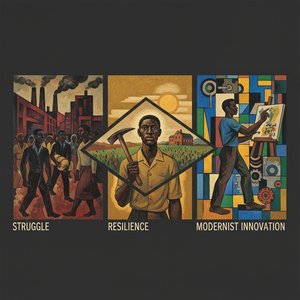
Jacob Lawrence: Narratives of Struggle, Resilience & Modernist Innovation
Explore the powerful narratives of Jacob Lawrence, a pivotal African American artist of the Harlem Renaissance. Discover his iconic 'Migration Series,' dynamic cubism style, and lasting impact on American art history.

A falfestés reneszánsza: Miért a falmurálisok a luxus új kifejezésmódjai
Fedezze fel a luxus falmurálisok világát! Egyedi tervezésű, kézműves falfestmények hoteleknek és igényes otthonoknak. Prémium minőség, történelmi stílusok és modern megoldások.
Cubist Expression: A Professional Guide to Integrating Geometric Abstraction into Modern Hospitality Design
Elevate hospitality interiors with Cubist art. Our expert guide explores integrating geometric abstraction into hotel design through high-quality, large-scale oil reproductions and custom multi-panel commissions tailored for professional designers and procurement managers.