

 Előnézet
 Megosztás
 Megosztás
 Részletek
 Útmutató

 Letöltés
 Hasonló darabok
 X-ray felvétel
 Diavetítés
 Statisztika
The King Drinks
 Oil On Canvas
- WallArt
- Baroque
 Early Modern
 156.0 x 210.0 cm
 Musées Royaux des Beaux-Arts
 Tovább olvasom
Vásároljon nagy felbontású, javított digitális képet, amely minőségében messze felülmúlja az online előnézetet.
Minden fájlt szakembereink a legmodernebb eszközök és precíz, kézi retusálás segítségével készítenek el aprólékosan. Gondoskodunk arról, hogy minden kép kivételes tisztasággal, pontos színhelyességgel és részletgazdag finomsággal rendelkezzen.
A végleges fájl 72 órán belül e-mailben megérkezik, professzionális, szerkesztői és nyomtatási környezetbe optimalizálva az azonnali használathoz. Ez ugyanaz a minőség, amelyben a legmeghatározóbb tervezőstúdiók, kiadók és galériák is megbízhatnak.
Digitális kép
Töltsön le nagy felbontású fájlt személyes kiállításokhoz, nyomtatáshoz és kreatív projektekhez. ( Váltás nyomtatványra Kézzel festett másolat vásárlása)
Minden digitális kép rendeléséhez tartozó extrák
Szakértői digitális kézbesítés, garantáltan
Amikor a OriginalUniqueArt.com szolgáltatást választja, nem csupán egy képet kap – professzionálisan felmagasított digitális műalkotást kap, amely precizitással készült, és amelyet megelégsedési gwarancia tesz biztoslássá. Az alábbiakban automatikusan minden benne 】

Gyors e-mail teslimítés
A nagy felbontású digitális képmásolatát a megrendelést követő 72 órán belül e-mailben elküldjük Önnek – azonnal használható formátumban.

MI-alapú digitális képjavítás
Műve professzionális módon kerül optimalizálásra fejlett mesterséges intelligencia eszközök és manuális szerkesztés segítségével, biztosítva a maximális részletességet, tisztaságot és színpontosságot.

Örök életű ingyenes újradatás
Véletlenül törölted vagy elvesztetted a fájlodat? Ne aggódj – bármikor ingyen újra megküldjük neked.

Nincs importköltség – soha
Élvezze műalkotásait azonnal, vám, illeték vagy szállítási költség nélkül – a digitális letöltések mindig adamentesek.

Színpontosság garantálása
Professzionális eszközök és színkezelés segítségével garantáljuk, hogy digitális képe a lehető legpontosabban tükrözze az eredeti színeket.

100 napos elégedettségi garancia
Ha nemມີ elégedett a digitális képével, 100 napon belül felülvizsgáljuk vagy 100% visszatérítjük az amountot – kérdés बिना.

100% Pénzvisszatérítési garancia
Nem tetszett a vásárlás? 100 napon belül teljes visszatérítést garantálunk a digitális fájl megvételétől számítva – kérdés nélkül.

Tömegrendelési kedvezmények
Vásároljon 3 képet, spóroljon 10%-et - Vásároljon 5-öt, spóroljon 15%-et - Vásároljon 10+ képet, spóroljon 20%-at. Kiváló kreatív projektekhez, galériákhoz és ügynökségekhez.
A Riotous Tableau of Flemish Revelry
Step into the heart of a seventeenth-century celebration with Jacob Jordaens’ “The King Drinks,” a monumental masterpiece that serves as a visceral window into the exuberant spirit of the Flemish Baroque. Completed around 1640, this painting is far more than a mere depiction of a feast; it is a sensory explosion that captures the chaotic, joyful energy of the Twelfth Night festivities. As the viewer’s eye wanders through the densely populated scene, they are immediately swept up in the momentum of a crowd engaged in the boisterous traditions of the era. The composition centers on the pivotal moment of the holiday: the crowning of the guest who has discovered the hidden bean within his festive tart. This single act of chance transforms an ordinary gathering into a theatrical event, establishing a hierarchy of merriment where social status is momentarily suspended in favor of shared indulgence.
Jordaens masterfully orchestrates a sense of movement that feels almost palpable. The low viewpoint invites us to sit at the very edge of the table, making us participants rather than mere observers. Around this central axis, figures of varying ages and social standings collide in a dance of conviviality. There is an unmistakable tension between the structured tradition of the ceremony and the unbridled hedonism of the guests. Through the clever arrangement of overlapping forms and a dynamic, low-angle perspective, Jordaens creates a sense of depth that draws the soul into the room, mirroring the immersive, overwhelming nature of a true Baroque celebration.
The Mastery of Light and Texture
Technically, “The King Drinks” is a triumph of oil on canvas, showcasing the artist's ability to manipulate light and shadow to sculpt emotion. Employing a sophisticated use of chiaroscuro, Jordaens creates stark, dramatic contrasts that illuminate key figures while allowing others to recede into the warm, atmospheric shadows of the room. This interplay of light does more than just define form; it heightens the theatricality of the scene, casting a golden, flickering glow over the abundance of food and drink that litters the table.
For the discerning collector or interior designer, the painting’s tactile quality is perhaps its most captivating feature. Jordaens’ brushwork, while loose and expressive enough to convey the frantic energy of the feast, possesses a meticulous attention to detail when it matters most. One can almost feel the weight of the opulent silks, the heavy texture of the velvets, and the smooth, luminous sheen of skin tones under the candlelight. The rich, warm palette—dominated by deep reds, burnished golds, and earthy browns—lends the work an inherent sense of luxury and warmth, making it a profound statement piece capable of anchoring a room with its historical gravity and aesthetic richness.
A Legacy of Abundance and Human Emotion
Beyond its visual splendor, the artwork carries deep symbolic weight, reflecting the broader themes of the Flemish Baroque movement. The sheer abundance of the feast serves as an allegory for wealth, power, and the bountiful nature of life in Flanders. Yet, beneath the surface of this celebration lies a subtle meditation on the fleeting nature of earthly pleasures. The very intensity of the revelry—the laughter, the drinking, and the sensory excess—serves as a poignant reminder of the ephemeral moment, a common motif in art of this period that encourages viewers to find beauty in the present.
To possess a reproduction of such a work is to bring a piece of history’s most vibrant era into a modern space. It evokes an atmosphere of sophisticated decadence and timeless joy. Whether placed in a grand gallery or a curated private study, “The King Drinks” continues to resonate with its profound emotional impact, offering a window into the human condition that celebrates our shared capacity for delight, community, and the enduring magic of tradition.
Gyakran Ismételt Kérdések
Mennyire erős a kontraszt a(z) „The King Drinks”, Jordaens alkotása alkotásban?
A „The King Drinks”, Jordaens alkotása kontrasztszintje Statement.
Milyen hangulatot árasztana egy „The King Drinks”, Jordaens alkotása reprodukció egy szobában?
A „The King Drinks”, Jordaens alkotása Dramatic hangulatot áraszt, és egy Living Room helyiségbe ajánlott. A hangulat az az érzés, amelyet a mű közvetít a környezetében lévő tér felé.
Milyen nyomtatási méretet javasolunk a(z) „The King Drinks”, Jordaens alkotása alkotáshoz?
A "The King Drinks" alkotás esetében a Large nyomtatási méret javasolt. Ugyanakkor ugyanazon arányokban elérhető egyéb méretű változat is.
Hová sorolható a "The King Drinks" Jordaens ismétlődő témái közé?
Jordaens ismétlődő témái közé tartozik a rubens' influence, chiaroscuro, northern italian painters", caravaggio, moral transgression, indulgence", wealth & power display, "genre scene; a „The King Drinks” fókuszál a baroque feast, revelry, indulgence, opulence, excess, drinking scene, king figure, sensuality témakörre.
Ki a "The King Drinks" alkotója?
A "The King Drinks" alkotója Jordaens. A mű Jordaens nevére van katalógusozva.
Megrendelhető-e a "The King Drinks" olajfestmény másolata?
A „The King Drinks”, Jordaens alkotása kézzel festett reprodukcióját közvetlenül a ez az oldal oldalon is megrendelheti: kézzel festett olajfesték reprodukció lino vászonon, egyedi igényre készítve.
Elérhető-e a "The King Drinks" minőségi nyomtatványként?
A "The King Drinks" elérhető minőségi giclée nyomat pamutvászonon vagy archiváló vászonpapíron formátumban. A rendeléseket a ez az oldal oldalon lehet leadni, a kívánt méretben.
Művész életrajza
A Flemish Master of Life’s Abundance: Jacob Jordaens
Jacob Jordaens, a name synonymous with the vibrant heart of 17th-century Flanders, was more than just a painter; he was a chronicler of everyday life, a master of capturing the boisterous joy and subtle complexities of the human experience. Born in Antwerp in 1593 into a prosperous linen merchant family, Jordaens’s artistic journey began not with formal training in Italy – a common path for many Flemish artists at the time – but within the walls of his own home under the tutelage of Adam van Noort, a respected painter and, crucially, the master of Peter Paul Rubens. This grounding in meticulous technique and compositional understanding formed the bedrock of Jordaens’s distinctive style, one that ultimately diverged significantly from its influences while retaining their essence.- Early Influences: Van Noort's workshop provided a crucial foundation, exposing Jordaens to the techniques of oil painting and tapestry design – skills he would later utilize in his own prolific output.
- Marriage and Family: In 1616, he married Katharina van Noort, Adam’s daughter, solidifying his connection to the established Antwerp art world and beginning a family life that would continue until his death.
- Guild Membership & Early Works: Jordaens joined the Guild of St. Luke in 1616, marking his official entry into the professional art community. His early works often focused on watercolor designs for tapestries, demonstrating his versatility and technical skill.
The Painter of Peasant Revelry and Baroque Grandeur
Jordaens’s artistic output was remarkably diverse, encompassing a wide range of subjects – religious narratives, mythological scenes, allegorical compositions, and, most famously, genre paintings brimming with life. However, it is his depictions of peasant festivals and tavern scenes that have cemented his place in art history. These aren't simply celebrations of merriment; they are imbued with subtle moralizing undertones, reflecting the complex relationship between indulgence and restraint prevalent in 17th-century society. Paintings like *The King Drinks* (also known as the Feast of the Bean King) exemplify this characteristic style: crowded compositions filled with robust figures engaged in lively revelry, rendered in warm, glowing colors and dramatic chiaroscuro – a technique borrowed from Caravaggio but adapted to his own unique vision. The scenes radiate an uninhibited joy in earthly pleasures, yet they also subtly remind viewers of the potential consequences of excess.- Key Works: *The King Drinks*, *The Satyr and the Peasant*, *Prometheus Bound* are among his most celebrated works, showcasing his ability to capture both the exuberance and underlying complexity of human behavior.
- Moral Ambiguity: Jordaens’s paintings often present a nuanced view of morality, suggesting that pleasure and restraint can coexist within the same scene.
Influences and a Distinct Artistic Voice
Despite eschewing the traditional Italian pilgrimage for artistic training, Jordaens was deeply influenced by the masters of his time. He studied prints and copies of works by Jacopo Bassano, Paolo Veronese, and, most significantly, Caravaggio – artists whose dramatic use of light and shadow profoundly impacted his own style. However, Jordaens didn’t simply imitate these influences; he synthesized them with his own Flemish sensibilities, creating a style that was uniquely his own. He differed from Rubens and Van Dyck in his preference for realism over idealism, embracing a more direct and unrefined approach to depicting the human form. His figures are often substantial, even corpulent, their faces flushed with health and vitality – a stark contrast to the idealized forms favored by some of his contemporaries. This commitment to naturalism, combined with his masterful command of color and composition, set him apart from his peers and established him as a leading figure in Flemish Baroque painting.- Caravaggio’s Influence: Jordaens' use of dramatic lighting and tenebrism is a clear testament to Caravaggio's impact on his work.
- Flemish Realism: He retained the core elements of Flemish realism, prioritizing honest depictions of everyday life over idealized representations.
Legacy and Enduring Impact
Throughout his long and prolific career, Jordaens trained numerous pupils – fifteen were officially recorded by the Guild of St. Luke between 1621 and 1667— ensuring the continuation of his artistic legacy. His influence can be seen in the work of later artists like Jan Steen, who shared his penchant for depicting lively genre scenes. Beyond his direct impact on other painters, Jordaens’s classically inspired peasant themes had a lasting effect on the art world, challenging traditional hierarchies and celebrating the dignity of everyday life. Even today, his paintings continue to captivate audiences with their energy, vitality, and honest portrayal of human experience. His ability to blend realism with allegory, sensuality with morality, and grandeur with intimacy makes him one of the most compelling and enduring figures of the Baroque period. Discover more of Jordaens’ masterpieces and explore the rich artistic landscape of the Baroque era through resources available online, including detailed databases of his works and insightful analyses of his life and art.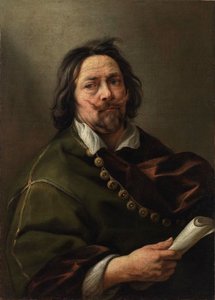
Jordaens
1593 - 1678 , Belgium
Rövid tények
- Artistic Movement Or Style: Barokk
- Artists Or Movements Influenced By This Artist: ['Peter Paul Rubens']
- Artists Who Influenced This Artist: ['Adam van Noort']
- Date Of Birth: 1593. május 19.
- Date Of Death: 1678. október 18.
- Full Name: Jacob Jordaens
- Nationality: Flamand
- Notable Artworks:
- A pásztorok imádása
- Argus és Merkur
- Place Of Birth: Antwerpen, Belgium