
 Megtekintés
 Küldés
 Megosztás
 Részletek
 Útmutató

 Letöltés
 Hasonló darabok
 X-ray felvétel
 Diavetítés
 Q&A
Q&A Statisztika
Psyche comforted by Pan


 Összes részlet megjelenítése
Giclée / Műnyomat
Múzeumi minőségű giclée vagy vászonnyomat, gyors gyártással és rugalmas finomítási lehetőségekkel. ( Kézzel festett másolat rendelése Áttérés digitális képre)




P118B Ft10

P118H Ft10

P118W Ft10

P438Z Ft10

P508JH Ft12

P508YH Ft12

P805H Ft10

P805Z Ft10

P919BZ Ft10

P919G Ft10

P919XJ Ft10

P959ZH Ft10

P968JZ Ft12

W106C Ft8

W218G Ft10

W218JH Ft8

W218Y Ft10

W307PJ Ft10

W316G Ft10

W316PJ Ft8

W316Y Ft10

W398PJ Ft8

W4111J Ft10

W500HY Ft15

W500JH Ft15

W692G Ft12

W849H Ft8

W940BG Ft15

W953PJ Ft8




Válasszon előre meghatározott méreteink közül, amelyek megfelelnek a műalkotás eredeti arányainak.

Írja be a keretének vagy a falának megfelelő szélességet és magasságot. A nyomatot csak le lehet vágni, soha nem tehető nagyobbá, mint az eredeti kép, így egy eltérő alakú méretnél a kép egy része elveszik. Mielőtt bármit kinyatintanánk, küldünk egy digitális próbamodellt jóváhagyásra. Az oldalon látható kép nem tartalmazza a valós levágást — ezt csak a próbamodell mutatja meg.
Világszerte történő kiszállítás területére mindössze 2 hét alatt, a szokásos 4-5 hét helyett. (1 november)

Ingyenes globális expressz szállítás

Prémium minőségű len vászon

Teljes körű szállítási biztosítás

Vámvisszatérítési Garancia

Hiteles színarányosság garancia

100 napos visszaküldési lehetőség (csak hibás termékek esetén)

100% pénzvisszatérítési garancia

Több darab vásárlásakor kedvezmény
 Az üvegkeretes opció csak 110 cm alatti méretben érhető el

Psyche comforted by Pan
Giclée / Műnyomat
Reprodukció mérete
-


Összesített ár
Ft 26198
A Sanctuary of Myth: The Tender Reunion of Psyche and Cupid
In the grand tapestry of the Flemish Baroque, few moments capture the delicate intersection of divine drama and earthly solace as poignantly as Jacob Jordaens’ “Psyche comforted by Pan.” Painted in 1640, this masterpiece serves as a breathtaking window into a world where the boundaries between the mortal and the mythological blur. The scene unfolds with an intimate grace, recounting the arduous journey of Psyche and her lover, Eros (Cupid). Having endured profound separation and trials imposed by the gods, the painting captures a pivotal moment of respite. As Psyche leans into the protective presence of Pan, the god of the wild, there is a palpable sense of relief—a quiet, breathless pause in the midst of an epic struggle. It is a narrative that transcends its ancient Greek origins to speak directly to the universal human experience of seeking refuge in times of vulnerability.
The composition is a masterclass in emotional architecture. Jordaens does not merely present figures; he orchestrates a symphony of touch and gaze. The positioning of Pan provides a grounding, earthy stability to the scene, acting as a pillar of strength for the ethereal Psyche. Meanwhile, the gentle placement of Cupid’s hand upon her shoulder serves as a divine seal of reassurance, promising that their love is destined to prevail. This subtle interplay of characters creates a layered emotional depth, inviting the viewer to move beyond simple observation and into a state of shared empathy with the subjects on the canvas.
Baroque Mastery: Light, Shadow, and the Flesh
To behold this work is to witness the technical zenith of the Antwerp School. Jordaens, a contemporary of Rubens, utilized the disegno technique to achieve a level of realism that feels almost tactile. Through the meticulous application of oil on canvas, he layered translucent glazes to breathe life into the skin tones, creating a luminous quality that seems to radiate from within the figures themselves. The artist’s command of chiaroscuro—the dramatic tension between deep shadow and brilliant light—is nothing short of transformative. This technique does more than just define form; it sculpts the very emotions of the characters, casting certain features into soft mystery while highlighting the tender expressions of comfort and devotion.
Beyond the central figures, Jordaens weaves an immersive environment that enhances the painting's atmospheric weight. The distant foliage and rugged landscape are not merely backdrops but essential components of the story’s soul, grounding the mythological event in a tangible, natural world. For the discerning collector or interior designer, this piece offers a profound sense of depth and texture. The way the light catches the flowing robes of Psyche and the muscularity of Pan creates a visual richness that can anchor a room, providing both a sophisticated focal point and a source of contemplative beauty.
An Eternal Legacy for the Modern Collector
For those looking to infuse their living spaces with historical significance and emotional resonance, "Psyche comforted by Pan" offers an unparalleled opportunity. This is not merely a decorative element; it is a conversation piece that brings the grandeur of the 17th century into the contemporary era. The painting’s ability to balance the boisterous energy characteristic of Jordaens' style with a profound, quiet intimacy makes it a versatile treasure for any high-end collection.
Whether displayed in a sunlit gallery or a moody, classically appointed study, a high-quality reproduction of this work serves as a testament to the enduring power of the Baroque spirit. It invites the viewer to reflect on themes of resilience, the sanctity of love, and the beauty found in moments of stillness. To possess such an image is to hold a fragment of history that continues to pulse with life, offering a timeless inspiration that resonates far beyond the edges of the frame.
Kérdések és válaszok
Milyen orientációjú a „Psyche comforted by Pan”, Jordaens alkotása?
A "Psyche comforted by Pan" formátuma Landscape. Ez hasznos, amikor tervezünk, hogy a reprodukciót hová helyezzük el.
A dátum alapján Psyche comforted by Pan Jordaens pályájának melyik szakaszába tartozik?
A "Psyche comforted by Pan", amely 1640 évben készült, Jordaens pályájának Mature Period szakaszába tartozik.
Milyen érzelmet közvetít a „Psyche comforted by Pan”, Jordaens alkotása?
A "Psyche comforted by Pan" egy Comforting érzetet kelt. Az érzelmi hangulat azt az impressziót írja le, amelyet a mű közvetít.
A művész életrajza
A Flemish Master of Life’s Abundance: Jacob Jordaens
Jacob Jordaens, a name synonymous with the vibrant heart of 17th-century Flanders, was more than just a painter; he was a chronicler of everyday life, a master of capturing the boisterous joy and subtle complexities of the human experience. Born in Antwerp in 1593 into a prosperous linen merchant family, Jordaens’s artistic journey began not with formal training in Italy – a common path for many Flemish artists at the time – but within the walls of his own home under the tutelage of Adam van Noort, a respected painter and, crucially, the master of Peter Paul Rubens. This grounding in meticulous technique and compositional understanding formed the bedrock of Jordaens’s distinctive style, one that ultimately diverged significantly from its influences while retaining their essence.- Early Influences: Van Noort's workshop provided a crucial foundation, exposing Jordaens to the techniques of oil painting and tapestry design – skills he would later utilize in his own prolific output.
- Marriage and Family: In 1616, he married Katharina van Noort, Adam’s daughter, solidifying his connection to the established Antwerp art world and beginning a family life that would continue until his death.
- Guild Membership & Early Works: Jordaens joined the Guild of St. Luke in 1616, marking his official entry into the professional art community. His early works often focused on watercolor designs for tapestries, demonstrating his versatility and technical skill.
The Painter of Peasant Revelry and Baroque Grandeur
Jordaens’s artistic output was remarkably diverse, encompassing a wide range of subjects – religious narratives, mythological scenes, allegorical compositions, and, most famously, genre paintings brimming with life. However, it is his depictions of peasant festivals and tavern scenes that have cemented his place in art history. These aren't simply celebrations of merriment; they are imbued with subtle moralizing undertones, reflecting the complex relationship between indulgence and restraint prevalent in 17th-century society. Paintings like *The King Drinks* (also known as the Feast of the Bean King) exemplify this characteristic style: crowded compositions filled with robust figures engaged in lively revelry, rendered in warm, glowing colors and dramatic chiaroscuro – a technique borrowed from Caravaggio but adapted to his own unique vision. The scenes radiate an uninhibited joy in earthly pleasures, yet they also subtly remind viewers of the potential consequences of excess.- Key Works: *The King Drinks*, *The Satyr and the Peasant*, *Prometheus Bound* are among his most celebrated works, showcasing his ability to capture both the exuberance and underlying complexity of human behavior.
- Moral Ambiguity: Jordaens’s paintings often present a nuanced view of morality, suggesting that pleasure and restraint can coexist within the same scene.
Influences and a Distinct Artistic Voice
Despite eschewing the traditional Italian pilgrimage for artistic training, Jordaens was deeply influenced by the masters of his time. He studied prints and copies of works by Jacopo Bassano, Paolo Veronese, and, most significantly, Caravaggio – artists whose dramatic use of light and shadow profoundly impacted his own style. However, Jordaens didn’t simply imitate these influences; he synthesized them with his own Flemish sensibilities, creating a style that was uniquely his own. He differed from Rubens and Van Dyck in his preference for realism over idealism, embracing a more direct and unrefined approach to depicting the human form. His figures are often substantial, even corpulent, their faces flushed with health and vitality – a stark contrast to the idealized forms favored by some of his contemporaries. This commitment to naturalism, combined with his masterful command of color and composition, set him apart from his peers and established him as a leading figure in Flemish Baroque painting.- Caravaggio’s Influence: Jordaens' use of dramatic lighting and tenebrism is a clear testament to Caravaggio's impact on his work.
- Flemish Realism: He retained the core elements of Flemish realism, prioritizing honest depictions of everyday life over idealized representations.
Legacy and Enduring Impact
Throughout his long and prolific career, Jordaens trained numerous pupils – fifteen were officially recorded by the Guild of St. Luke between 1621 and 1667— ensuring the continuation of his artistic legacy. His influence can be seen in the work of later artists like Jan Steen, who shared his penchant for depicting lively genre scenes. Beyond his direct impact on other painters, Jordaens’s classically inspired peasant themes had a lasting effect on the art world, challenging traditional hierarchies and celebrating the dignity of everyday life. Even today, his paintings continue to captivate audiences with their energy, vitality, and honest portrayal of human experience. His ability to blend realism with allegory, sensuality with morality, and grandeur with intimacy makes him one of the most compelling and enduring figures of the Baroque period. Discover more of Jordaens’ masterpieces and explore the rich artistic landscape of the Baroque era through resources available online, including detailed databases of his works and insightful analyses of his life and art.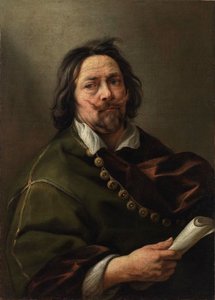
Jordaens
1593 - 1678 , Belgium
Rövid információk
- Artistic Movement Or Style: Barokk
- Artists Or Movements Influenced By This Artist: ['Peter Paul Rubens']
- Artists Who Influenced This Artist: ['Adam van Noort']
- Date Of Birth: 1593. május 19.
- Date Of Death: 1678. október 18.
- Full Name: Jacob Jordaens
- Nationality: Flamand
- Notable Artworks:
- A pásztorok imádása
- Argus és Merkur
- Place Of Birth: Antwerpen, Belgium
Kapcsolódó cikkek

The Dramatic Flourish: Exploring the Baroque Movement's Enduring Legacy in Art History
Explore the dramatic world of Baroque art! Discover iconic artists like Caravaggio & Rubens, defining techniques, and its lasting impact on art history. Expert insights for collectors & enthusiasts at OriginalUniqueArt.
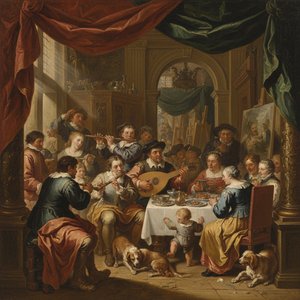
Jacob Jordaens: Baroque Dynamism & Genre Innovation of the Antwerp School
Discover Jacob Jordaens, a leading Flemish Baroque painter renowned for his dynamic compositions & realistic genre scenes. Explore his life, art, and lasting influence with OriginalUniqueArt.

Mastering Drama and Light: A Definitive Guide to the Flemish Baroque Art Movement
Explore the dramatic brilliance of the Flemish Baroque movement. Discover how masters like Peter Paul Rubens utilized chiaroscuro and dynamic composition to redefine art history through light, shadow, and unparalleled emotion.

Barokk dráma: A nagyság és az érzelem bevonása a kortárs belső terekbe
Fedezze fel a barokk stílus nagyságát és drámáját! Ismerje meg a belsőépítészet jellegzetességeit, inspirálódjon híres enteriőrökből, és valósítsa meg álmai luxus otthonát szakértő útmutatásunkkal.

The Visceral Stage: Exploring Dramatic Narratives & Emotional Intensity in Baroque Art
Explore the dramatic world of Baroque art! Discover iconic masters like Caravaggio & Rembrandt, their techniques, and the movement's lasting impact. Expert insights for collectors & enthusiasts at OriginalUniqueArt.


