
 Megtekintés
 Küldés
 Megosztás
 Részletek
 Útmutató

 Letöltés
 Hasonló darabok
 X-ray felvétel
 Diavetítés
 Kérdések és válaszok
 Statisztika
Pan playing the flute


 Összes részlet megjelenítése
Giclée / Műnyomat
Múzeumi minőségű giclée vagy vászonnyomat, gyors gyártással és rugalmas finomítási lehetőségekkel. ( Kézzel festett másolat rendelése Áttérés digitális képre)




P118B Ft10

P118H Ft10

P118W Ft10

P438Z Ft10

P508JH Ft12

P508YH Ft12

P805H Ft10

P805Z Ft10

P919BZ Ft10

P919G Ft10

P919XJ Ft10

P959ZH Ft10

P968JZ Ft12

W106C Ft8

W218G Ft10

W218JH Ft8

W218Y Ft10

W307PJ Ft10

W316G Ft10

W316PJ Ft8

W316Y Ft10

W398PJ Ft8

W4111J Ft10

W500HY Ft15

W500JH Ft15

W692G Ft12

W849H Ft8

W940BG Ft15

W953PJ Ft8




Válasszon előre meghatározott méreteink közül, amelyek megfelelnek a műalkotás eredeti arányainak.

Írja be a keretének vagy a falának megfelelő szélességet és magasságot. A nyomatot csak le lehet vágni, soha nem tehető nagyobbá, mint az eredeti kép, így egy eltérő alakú méretnél a kép egy része elveszik. Mielőtt bármit kinyatintanánk, küldünk egy digitális próbamodellt jóváhagyásra. Az oldalon látható kép nem tartalmazza a valós levágást — ezt csak a próbamodell mutatja meg.
Világszerte történő kiszállítás területére mindössze 2 hét alatt, a szokásos 4-5 hét helyett. (9 november)

Ingyenes globális expressz szállítás

Prémium minőségű len vászon

Teljes körű szállítási biztosítás

Vámvisszatérítési Garancia

Hiteles színarányosság garancia

100 napos visszaküldési lehetőség (csak hibás termékek esetén)

100% pénzvisszatérítési garancia

Több darab vásárlásakor kedvezmény
 Az üvegkeretes opció csak 110 cm alatti méretben érhető el

Pan playing the flute
Giclée / Műnyomat
Reprodukció mérete
-


Összesített ár
Ft 26397
A Celebration of Rustic Joy: Jacob Jordaens’ “Pan Playing the Flute”
Jacob Jordaens' "Pan Playing the Flute," painted in 1678, is more than just a depiction of a man playing an instrument; it’s a vibrant snapshot of Flemish life during the late Baroque period. This captivating work, brimming with earthy realism and a palpable sense of merriment, offers a rare glimpse into the world as seen through the eyes of one of Flanders' most significant artists. Jordaens, deeply rooted in his Antwerp surroundings, eschewed the fashionable Italianate trends of his time, instead choosing to celebrate the simple pleasures and unvarnished truths of everyday existence – a decision that cemented his reputation as “The Painter of Peasant Revelry.” The painting’s immediate appeal lies in its subject: a naked Pan, the Greek god of the wild, lost in the joyous act of playing his flute. This figure, rendered with remarkable detail and a touch of mischievous humor, immediately draws the viewer into a scene of uninhibited delight.
A Masterclass in Baroque Realism
Jordaens’ technical skill is immediately apparent in the meticulous rendering of textures – the rough linen of Pan's loincloth, the smooth curve of his flute, and the subtle variations in skin tone. His brushwork is loose yet controlled, creating a sense of movement and spontaneity that contributes significantly to the painting’s lively atmosphere. The artist employs a technique known as *alla prima*, or ‘at first sight,’ which means he applied paint directly to the canvas with minimal layering, resulting in a rich, vibrant surface. This approach, favored by Rubens himself – Jordaens' former master – is evident in the luminous quality of the light and the dynamic interplay of shadows. The composition itself is carefully constructed, utilizing diagonal lines to guide the eye across the scene and creating a sense of depth and perspective that was highly valued during the Baroque period.
Symbolism and Context: A Flemish Feast
“Pan Playing the Flute” isn’t simply a portrait; it's imbued with symbolic meaning rooted in classical mythology and Flemish social customs. Pan, representing nature and rustic joy, embodies a rejection of courtly refinement in favor of a more primal connection to the earth. The presence of two additional figures – one on the left and another on the right – adds layers of complexity. These individuals, likely friends or companions, further amplify the sense of communal revelry. The painting’s creation in 1678, at the very end of Jordaens' life, is particularly poignant. It reflects a desire to capture a fleeting moment of happiness and connection before his own passing, aligning with the Baroque fascination with mortality and the transience of earthly pleasures. The work speaks to the values of the Antwerp art world – a celebration of human experience in all its forms.
Emotional Impact and Artistic Legacy
The enduring appeal of “Pan Playing the Flute” lies not only in Jordaens’ masterful technique but also in its ability to evoke a powerful emotional response. The painting's inherent joy, combined with the figure of Pan’s carefree expression, invites viewers to share in his moment of blissful abandon. Jordaens’ work has had a lasting impact on art history, influencing generations of artists who sought to capture the essence of human experience with honesty and passion. Today, this reproduction offers an opportunity to own a piece of this artistic legacy – a testament to Jordaens' genius and a celebration of the simple joys of life.
Kérdések és válaszok
Hol javasolt a(z) "Pan playing the flute" Portrait formátumú alkotás kihelyezését?
A Portrait formájú, a „Pan playing the flute” című alkotás reprodukcióját egy Living Room számára javasoljuk.
Honnan érkeznek a „Pan playing the flute”, Jordaens alkotása látogatói?
A „Pan playing the flute”, Jordaens alkotása Statisztikák oldala a nyilvános látogatási statisztikákat mutatja be: az alkotás havi látogatottságát, összehasonlításban a művész legnézettebb alkotásaival, valamint a látogatók származási helyét.
Milyen technikával és milyen stílusban készült a "Pan playing the flute"?
A "Pan playing the flute" alkotásban a Oil technika találkozik a Baroque irányzattal.
A művész életrajza
A Flemish Master of Life’s Abundance: Jacob Jordaens
Jacob Jordaens, a name synonymous with the vibrant heart of 17th-century Flanders, was more than just a painter; he was a chronicler of everyday life, a master of capturing the boisterous joy and subtle complexities of the human experience. Born in Antwerp in 1593 into a prosperous linen merchant family, Jordaens’s artistic journey began not with formal training in Italy – a common path for many Flemish artists at the time – but within the walls of his own home under the tutelage of Adam van Noort, a respected painter and, crucially, the master of Peter Paul Rubens. This grounding in meticulous technique and compositional understanding formed the bedrock of Jordaens’s distinctive style, one that ultimately diverged significantly from its influences while retaining their essence.- Early Influences: Van Noort's workshop provided a crucial foundation, exposing Jordaens to the techniques of oil painting and tapestry design – skills he would later utilize in his own prolific output.
- Marriage and Family: In 1616, he married Katharina van Noort, Adam’s daughter, solidifying his connection to the established Antwerp art world and beginning a family life that would continue until his death.
- Guild Membership & Early Works: Jordaens joined the Guild of St. Luke in 1616, marking his official entry into the professional art community. His early works often focused on watercolor designs for tapestries, demonstrating his versatility and technical skill.
The Painter of Peasant Revelry and Baroque Grandeur
Jordaens’s artistic output was remarkably diverse, encompassing a wide range of subjects – religious narratives, mythological scenes, allegorical compositions, and, most famously, genre paintings brimming with life. However, it is his depictions of peasant festivals and tavern scenes that have cemented his place in art history. These aren't simply celebrations of merriment; they are imbued with subtle moralizing undertones, reflecting the complex relationship between indulgence and restraint prevalent in 17th-century society. Paintings like *The King Drinks* (also known as the Feast of the Bean King) exemplify this characteristic style: crowded compositions filled with robust figures engaged in lively revelry, rendered in warm, glowing colors and dramatic chiaroscuro – a technique borrowed from Caravaggio but adapted to his own unique vision. The scenes radiate an uninhibited joy in earthly pleasures, yet they also subtly remind viewers of the potential consequences of excess.- Key Works: *The King Drinks*, *The Satyr and the Peasant*, *Prometheus Bound* are among his most celebrated works, showcasing his ability to capture both the exuberance and underlying complexity of human behavior.
- Moral Ambiguity: Jordaens’s paintings often present a nuanced view of morality, suggesting that pleasure and restraint can coexist within the same scene.
Influences and a Distinct Artistic Voice
Despite eschewing the traditional Italian pilgrimage for artistic training, Jordaens was deeply influenced by the masters of his time. He studied prints and copies of works by Jacopo Bassano, Paolo Veronese, and, most significantly, Caravaggio – artists whose dramatic use of light and shadow profoundly impacted his own style. However, Jordaens didn’t simply imitate these influences; he synthesized them with his own Flemish sensibilities, creating a style that was uniquely his own. He differed from Rubens and Van Dyck in his preference for realism over idealism, embracing a more direct and unrefined approach to depicting the human form. His figures are often substantial, even corpulent, their faces flushed with health and vitality – a stark contrast to the idealized forms favored by some of his contemporaries. This commitment to naturalism, combined with his masterful command of color and composition, set him apart from his peers and established him as a leading figure in Flemish Baroque painting.- Caravaggio’s Influence: Jordaens' use of dramatic lighting and tenebrism is a clear testament to Caravaggio's impact on his work.
- Flemish Realism: He retained the core elements of Flemish realism, prioritizing honest depictions of everyday life over idealized representations.
Legacy and Enduring Impact
Throughout his long and prolific career, Jordaens trained numerous pupils – fifteen were officially recorded by the Guild of St. Luke between 1621 and 1667— ensuring the continuation of his artistic legacy. His influence can be seen in the work of later artists like Jan Steen, who shared his penchant for depicting lively genre scenes. Beyond his direct impact on other painters, Jordaens’s classically inspired peasant themes had a lasting effect on the art world, challenging traditional hierarchies and celebrating the dignity of everyday life. Even today, his paintings continue to captivate audiences with their energy, vitality, and honest portrayal of human experience. His ability to blend realism with allegory, sensuality with morality, and grandeur with intimacy makes him one of the most compelling and enduring figures of the Baroque period. Discover more of Jordaens’ masterpieces and explore the rich artistic landscape of the Baroque era through resources available online, including detailed databases of his works and insightful analyses of his life and art.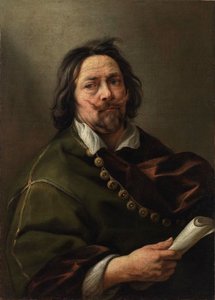
Jordaens
1593 - 1678 , Belgium
Rövid információk
- Artistic Movement Or Style: Barokk
- Artists Or Movements Influenced By This Artist: ['Peter Paul Rubens']
- Artists Who Influenced This Artist: ['Adam van Noort']
- Date Of Birth: 1593. május 19.
- Date Of Death: 1678. október 18.
- Full Name: Jacob Jordaens
- Nationality: Flamand
- Notable Artworks:
- A pásztorok imádása
- Argus és Merkur
- Place Of Birth: Antwerpen, Belgium
Kapcsolódó cikkek

The Enduring Legacy of Fine Art Prints: Technique, History & Aesthetic Impact
Explore the rich history & techniques of fine art prints. Discover investment potential, assess authenticity, and learn how to preserve your collection with expert guidance. Trusted insights for discerning collectors.

Giclée Prints: Archival Quality & Aesthetic Nuances for the Discerning Collector
Explore the world of giclée prints with OriginalUniqueArt. Learn about archival quality, aesthetic nuances & investment potential. Expert guidance for discerning art collectors seeking museum-quality reproductions and lasting value.

Mastering Drama and Light: A Definitive Guide to the Flemish Baroque Art Movement
Explore the dramatic brilliance of the Flemish Baroque movement. Discover how masters like Peter Paul Rubens utilized chiaroscuro and dynamic composition to redefine art history through light, shadow, and unparalleled emotion.
Játékos Hangulatok a Képzőművészetben: 10 Mestermű, Amik Megragadják a Vidámságot | OriginalUniqueArt
Fedezze fel a 10 legikonikusabb játékos hangulatú műalkotást! Monet, Picasso, Matisse és más mesterek színes világa várja. Művészettörténet, inspiráló dekorációk és prémium minőségű reprodukciók – mindez a OriginalUniqueArt.com-on. Explore the full collection online!
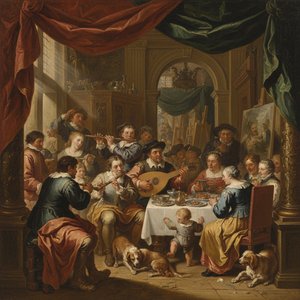
Jacob Jordaens: Baroque Dynamism & Genre Innovation of the Antwerp School
Discover Jacob Jordaens, a leading Flemish Baroque painter renowned for his dynamic compositions & realistic genre scenes. Explore his life, art, and lasting influence with OriginalUniqueArt.


