

 Megtekintés
 Küldés
 Megosztás
 Részletek

 Letöltés
 Hasonló darabok
 X-ray felvétel
 Diavetítés
Bacchus and Ariadne
 Oil On Canvas
- WallArt
- Flemish Baroque
 1648
1648 121.0 x 127.0 cm
 Összes részlet megjelenítése
Giclée / Műnyomat
Múzeumi minőségű giclée vagy vászonnyomat, gyors gyártással és rugalmas finomítási lehetőségekkel. ( Kézzel festett másolat rendelése Kép letöltése)




P118B $10

P118H $10

P118W $10

P438Z $10

P508JH $12

P508YH $12

P805H $10

P805Z $10

P919BZ $10

P919G $10

P919XJ $10

P959ZH $10

P968JZ $12

W106C $8

W218G $10

W218JH $8

W218Y $10

W307PJ $10

W316G $10

W316PJ $8

W316Y $10

W398PJ $8

W4111J $10

W500HY $15

W500JH $15

W692G $12

W849H $8

W940BG $15

W953PJ $8




Válasszon előre meghatározott méreteink közül, amelyek megfelelnek a műalkotás eredeti arányainak.

Megadhat saját méreteket is egy konkrét kerethez vagy helyszínhez igazítva. Amennyiben a kiválasztott méret nem egyezik az eredeti kép arányokkal, a műalkotást le fogjuk vágni, vagy kiegészítjük a képet tükrözött vagy egyszínű szélekkel. A gyártás megkezdése előtt egy digitális tervezetet küldünk jóváhagyásra.
Kérjük, vegye figyelembe, hogy a képernyőn látható előnézet nem tükrözi a tényleges levágást vagy kiegészítést. Csak a tervezet mutatja pontosan a végső kompozíciót.
Bár az egyedi méretek is elérhetőek, az eredeti arányok megőrzése érdekében azt javasoljuk, hogy válasszon a előre meghatározott listából származó méretet.
Világszerte történő kiszállítás területére mindössze 2 hét alatt, a szokásos 4-5 hét helyett. (21 augusztus)

Ingyenes globális expressz szállítás

Prémium minőségű len vászon

Teljes körű szállítási biztosítás

Vámvisszatérítési Garancia

Hiteles színpontosság garancia

60 napos visszaküldési lehetőség (csak hibás termékek esetén)

100% pénzvisszatérítési garancia

Több darab vásárlása esetén kedvezmény
 Az üvegkeretes opció csak 110 cm alatti méretben érhető el

Bacchus and Ariadne
Giclée / Műnyomat
Reprodukció mérete
-


Összesített ár
$ 80
Gyűjthető leírása
A Baroque Symphony of Joy and Loss: Jacob Jordaens’ “Bacchus and Ariadne”
Jacob Jordaens' "Bacchus and Ariadne," painted in 1648, is not merely a depiction of mythological figures; it’s an immersive experience of baroque drama, overflowing with life, sensuality, and a poignant undercurrent of melancholy. This monumental canvas, measuring 121 x 127 cm, transports the viewer to a moment of ecstatic abandon – the aftermath of Theseus' victory over the Minotaur, where Ariadne, abandoned by her hero, is joined in revelry by Dionysus (Bacchus), god of wine and ecstasy. Jordaens, a key figure in the Flemish Baroque movement, masterfully captures the dynamism and emotional intensity that defined this era, creating an artwork that continues to resonate with its raw power and captivating beauty.
A Masterclass in Baroque Technique
- Compositional Brilliance: Jordaens employs a complex, multi-layered composition typical of the baroque style. Figures are arranged not just for visual appeal but to create a sense of movement and depth, drawing the eye across the canvas with an almost dizzying effect.
- Dramatic Lighting: The use of chiaroscuro – the dramatic contrast between light and dark – is central to Jordaens’ technique. Light pools strategically illuminate key figures, highlighting their expressions and gestures while casting others in shadow, intensifying the scene's emotional impact.
- Rich Palette: The painting boasts a rich, saturated palette of reds, golds, and browns, reflecting the opulent nature of the subject matter and contributing to its overall sense of grandeur. Jordaens’ masterful handling of color creates a vibrant and tactile surface.
Symbolism and Mythological Narrative
The scene is steeped in classical mythology, drawing upon Greek legends that explored themes of love, loss, and the fleeting nature of pleasure. Ariadne, depicted as a beautiful nude figure, represents both vulnerability and resilience – abandoned by her lover but embracing the intoxicating joy offered by Dionysus. Bacchus, with his crown and playful demeanor, embodies unrestrained ecstasy and the transformative power of wine. The presence of the discarded armor and weapons underscores the transition from heroic combat to sensual indulgence. The inclusion of the tree in the background adds a natural element, grounding the fantastical scene and hinting at themes of fertility and rebirth.
Emotional Resonance and Historical Context
Painted during a period of significant artistic innovation in Antwerp, “Bacchus and Ariadne” reflects Jordaens’ commitment to portraying human emotion with unflinching honesty. His work stands apart from the idealized depictions favored by some of his contemporaries, embracing instead a more earthy and relatable realism. The painting's creation coincided with a flourishing of Flemish art, influenced by the artistic developments in Italy but firmly rooted in its own unique cultural identity. Jordaens’ ability to capture both the physical beauty and psychological complexity of his subjects cemented his reputation as one of the most important artists of the Baroque era. The work speaks to themes of human desire, fleeting joy, and the inevitable sorrow that accompanies it – emotions that have captivated audiences for centuries.
A művész életrajza
A Flemish Master of Life’s Abundance: Jacob Jordaens
Jacob Jordaens, a name synonymous with the vibrant heart of 17th-century Flanders, was more than just a painter; he was a chronicler of everyday life, a master of capturing the boisterous joy and subtle complexities of the human experience. Born in Antwerp in 1593 into a prosperous linen merchant family, Jordaens’s artistic journey began not with formal training in Italy – a common path for many Flemish artists at the time – but within the walls of his own home under the tutelage of Adam van Noort, a respected painter and, crucially, the master of Peter Paul Rubens. This grounding in meticulous technique and compositional understanding formed the bedrock of Jordaens’s distinctive style, one that ultimately diverged significantly from its influences while retaining their essence.- Early Influences: Van Noort's workshop provided a crucial foundation, exposing Jordaens to the techniques of oil painting and tapestry design – skills he would later utilize in his own prolific output.
- Marriage and Family: In 1616, he married Katharina van Noort, Adam’s daughter, solidifying his connection to the established Antwerp art world and beginning a family life that would continue until his death.
- Guild Membership & Early Works: Jordaens joined the Guild of St. Luke in 1616, marking his official entry into the professional art community. His early works often focused on watercolor designs for tapestries, demonstrating his versatility and technical skill.
The Painter of Peasant Revelry and Baroque Grandeur
Jordaens’s artistic output was remarkably diverse, encompassing a wide range of subjects – religious narratives, mythological scenes, allegorical compositions, and, most famously, genre paintings brimming with life. However, it is his depictions of peasant festivals and tavern scenes that have cemented his place in art history. These aren't simply celebrations of merriment; they are imbued with subtle moralizing undertones, reflecting the complex relationship between indulgence and restraint prevalent in 17th-century society. Paintings like *The King Drinks* (also known as the Feast of the Bean King) exemplify this characteristic style: crowded compositions filled with robust figures engaged in lively revelry, rendered in warm, glowing colors and dramatic chiaroscuro – a technique borrowed from Caravaggio but adapted to his own unique vision. The scenes radiate an uninhibited joy in earthly pleasures, yet they also subtly remind viewers of the potential consequences of excess.- Key Works: *The King Drinks*, *The Satyr and the Peasant*, *Prometheus Bound* are among his most celebrated works, showcasing his ability to capture both the exuberance and underlying complexity of human behavior.
- Moral Ambiguity: Jordaens’s paintings often present a nuanced view of morality, suggesting that pleasure and restraint can coexist within the same scene.
Influences and a Distinct Artistic Voice
Despite eschewing the traditional Italian pilgrimage for artistic training, Jordaens was deeply influenced by the masters of his time. He studied prints and copies of works by Jacopo Bassano, Paolo Veronese, and, most significantly, Caravaggio – artists whose dramatic use of light and shadow profoundly impacted his own style. However, Jordaens didn’t simply imitate these influences; he synthesized them with his own Flemish sensibilities, creating a style that was uniquely his own. He differed from Rubens and Van Dyck in his preference for realism over idealism, embracing a more direct and unrefined approach to depicting the human form. His figures are often substantial, even corpulent, their faces flushed with health and vitality – a stark contrast to the idealized forms favored by some of his contemporaries. This commitment to naturalism, combined with his masterful command of color and composition, set him apart from his peers and established him as a leading figure in Flemish Baroque painting.- Caravaggio’s Influence: Jordaens' use of dramatic lighting and tenebrism is a clear testament to Caravaggio's impact on his work.
- Flemish Realism: He retained the core elements of Flemish realism, prioritizing honest depictions of everyday life over idealized representations.
Legacy and Enduring Impact
Throughout his long and prolific career, Jordaens trained numerous pupils – fifteen were officially recorded by the Guild of St. Luke between 1621 and 1667— ensuring the continuation of his artistic legacy. His influence can be seen in the work of later artists like Jan Steen, who shared his penchant for depicting lively genre scenes. Beyond his direct impact on other painters, Jordaens’s classically inspired peasant themes had a lasting effect on the art world, challenging traditional hierarchies and celebrating the dignity of everyday life. Even today, his paintings continue to captivate audiences with their energy, vitality, and honest portrayal of human experience. His ability to blend realism with allegory, sensuality with morality, and grandeur with intimacy makes him one of the most compelling and enduring figures of the Baroque period. Discover more of Jordaens’ masterpieces and explore the rich artistic landscape of the Baroque era through resources available online, including detailed databases of his works and insightful analyses of his life and art.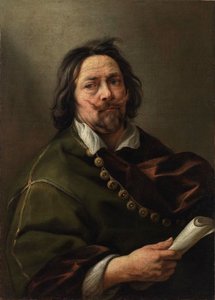
Jordaens
1593 - 1678 , Belgium
A művészről röviden
- Artistic Movement Or Style: Barokk
- Artists Or Movements Influenced By This Artist: ['Peter Paul Rubens']
- Artists Who Influenced This Artist: ['Adam van Noort']
- Date Of Birth: 1593. május 19.
- Date Of Death: 1678. október 18.
- Full Name: Jacob Jordaens
- Nationality: Flamand
- Notable Artworks:
- A pásztorok imádása
- Argus és Merkur
- Place Of Birth: Antwerpen, Belgium
Kapcsolódó cikkek
Giclée Prints: Archival Quality & Aesthetic Nuances for the Discerning Collector
Explore the world of giclée prints with OriginalUniqueArt. Learn about archival quality, aesthetic nuances & investment potential. Expert guidance for discerning art collectors seeking museum-quality reproductions and lasting value.
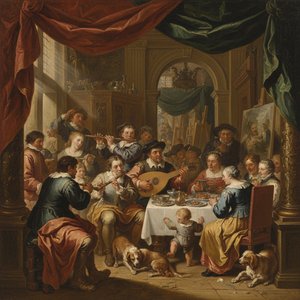
Jacob Jordaens: Baroque Dynamism & Genre Innovation of the Antwerp School
Discover Jacob Jordaens, a leading Flemish Baroque painter renowned for his dynamic compositions & realistic genre scenes. Explore his life, art, and lasting influence with OriginalUniqueArt.

The Enduring Legacy of Fine Art Prints: Technique, History & Aesthetic Impact
Explore the rich history & techniques of fine art prints. Discover investment potential, assess authenticity, and learn how to preserve your collection with expert guidance. Trusted insights for discerning collectors.

Mastering Drama and Light: A Definitive Guide to the Flemish Baroque Art Movement
Explore the dramatic brilliance of the Flemish Baroque movement. Discover how masters like Peter Paul Rubens utilized chiaroscuro and dynamic composition to redefine art history through light, shadow, and unparalleled emotion.

Barokk dráma: A nagyság és az érzelem bevonása a kortárs belső terekbe
Fedezze fel a barokk stílus nagyságát és drámáját! Ismerje meg a belsőépítészet jellegzetességeit, inspirálódjon híres enteriőrökből, és valósítsa meg álmai luxus otthonát szakértő útmutatásunkkal.



