
 Megtekintés
 Küldés
 Megosztás
 Részletek
 Útmutató

 Letöltés
 Hasonló darabok
 X-ray felvétel
 Diavetítés
 Kérdések és válaszok
 Statisztika
Wheat Fields

- 100.0 x 130.0 cm


 Összes részlet megjelenítése
Giclée / Műnyomat
Múzeumi minőségű giclée vagy vászonnyomat, gyors gyártással és rugalmas finomítási lehetőségekkel. ( Kézzel festett másolat rendelése Áttérés digitális képre)




P118B Ft10

P118H Ft10

P118W Ft10

P438Z Ft10

P508JH Ft12

P508YH Ft12

P805H Ft10

P805Z Ft10

P919BZ Ft10

P919G Ft10

P919XJ Ft10

P959ZH Ft10

P968JZ Ft12

W106C Ft8

W218G Ft10

W218JH Ft8

W218Y Ft10

W307PJ Ft10

W316G Ft10

W316PJ Ft8

W316Y Ft10

W398PJ Ft8

W4111J Ft10

W500HY Ft15

W500JH Ft15

W692G Ft12

W849H Ft8

W940BG Ft15

W953PJ Ft8




Válasszon előre meghatározott méreteink közül, amelyek megfelelnek a műalkotás eredeti arányainak.

Írja be a keretének vagy a falának megfelelő szélességet és magasságot. A nyomatot csak le lehet vágni, soha nem tehető nagyobbá, mint az eredeti kép, így egy eltérő alakú méretnél a kép egy része elveszik. Mielőtt bármit kinyatintanánk, küldünk egy digitális próbamodellt jóváhagyásra. Az oldalon látható kép nem tartalmazza a valós levágást — ezt csak a próbamodell mutatja meg.
Világszerte történő kiszállítás területére mindössze 2 hét alatt, a szokásos 4-5 hét helyett. (11 november)

Ingyenes globális expressz szállítás

Prémium minőségű len vászon

Teljes körű szállítási biztosítás

Vámvisszatérítési Garancia

Hiteles színarányosság garancia

100 napos visszaküldési lehetőség (csak hibás termékek esetén)

100% pénzvisszatérítési garancia

Több darab vásárlásakor kedvezmény
 Az üvegkeretes opció csak 110 cm alatti méretben érhető el

Wheat Fields
Giclée / Műnyomat
Reprodukció mérete
-


Összesített ár
Ft 26351
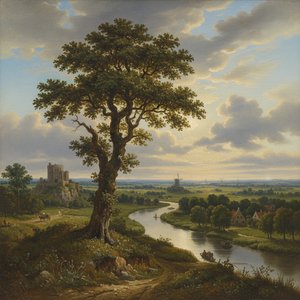
Jacob van Ruisdael’s “Wheat Fields”: A Symphony of Light and Landscape
“Wheat Fields,” painted circa 1670 by Jacob Jansz van Ruisdael, stands as arguably the most arresting depiction of Dutch pastoralism from the Golden Age. More than just a scenic vista, it's a masterful orchestration of atmospheric perspective and compositional dynamism—a painting that continues to resonate with viewers centuries later. Examining its intricacies reveals not only Van Ruisdael’s technical prowess but also his profound understanding of conveying emotion through visual language.A Masterclass in Atmospheric Perspective
Van Ruisdael's signature style is characterized by a deliberate flattening of depth, achieved through subtle gradations of color and tonal variation. The distant wheat field recedes into hazy blues and greens—a technique known as atmospheric perspective—creating an illusion of vastness and conveying the serenity of rural life. Unlike many contemporaries who prioritized detailed realism, Ruisdael prioritized capturing the essence of a landscape rather than meticulously recreating every blade of grass. This approach aligns perfectly with the prevailing philosophical currents of the time, where contemplation and reflection on nature held considerable sway. The artist skillfully uses light—particularly diffused sunlight filtering through clouds—to sculpt the forms of the field and its inhabitants, imbuing the scene with an ethereal quality.Compositional Drama: Figures Amidst Vastness
The inclusion of two figures—a man carrying a bag and a woman accompanied by a child—adds a crucial element of narrative complexity to the landscape. Their placement at the forefront draws the eye inward, anchoring the viewer’s gaze amidst the expansive expanse of wheat and sky. The figures aren't merely decorative additions; they serve as symbols of human presence within the natural world, prompting contemplation about our relationship with the environment. Furthermore, Van Ruisdael employs a dynamic diagonal line that bisects the canvas, guiding the eye across the scene and enhancing its visual impact. This compositional device contributes to the painting’s dramatic tension—the subtle interplay between light and shadow emphasizing the contours of the landscape and the figures alike.Symbolism Rooted in Dutch Identity
“Wheat Fields” embodies the spirit of the Dutch Golden Age, reflecting a fascination with idealized representations of national identity. The wheat field itself symbolizes fertility and prosperity—themes central to Dutch agricultural traditions and economic success during this period. The inclusion of livestock reinforces these associations, grounding the scene in tangible realities while simultaneously elevating it to a realm of symbolic significance. Van Ruisdael’s depiction of the sky—dominated by swirling clouds illuminated by sunlight—suggests both beauty and vulnerability—a motif that resonates with broader anxieties about the unpredictable forces of nature.Emotional Resonance: Tranquility and Reflection
Ultimately, “Wheat Fields” succeeds in evoking a profound sense of tranquility and contemplation. The muted palette—primarily blues, greens, and browns—creates an atmosphere of calm repose, inviting viewers to immerse themselves in the stillness of the countryside. Yet, beneath this surface serenity lies a subtle undercurrent of drama—the interplay of light and shadow hinting at hidden complexities. As Gavin Finney eloquently describes it, Ruisdael “picks the moment you’d want to press the shutter on a camera,” capturing not just what is seen but also what is felt—a testament to Van Ruisdael's ability to transform visual observation into emotionally resonant art.- Artist: Jacob Jansz van Ruisdael
- Date: Circa 1670
- Medium: Oil on Canvas
- Dimensions: 39 3/8 x 51 1/4 in. (100 x 130.2 cm)
Kérdések és válaszok
Milyen hangulatot áraszt egy enteriőrben „Wheat Fields”, Jacob van Ruisdael alkotása?
A „Wheat Fields”, Jacob van Ruisdael alkotása Serene hangulatot áraszt, és egy Living Room helyiségbe ajánlott. A hangulat az az érzés, amelyet a mű közvetít a környezetében lévő tér felé.
Hogyan tölthetem le a(z) „Wheat Fields”, Jacob van Ruisdael alkotása képét?
A "Wheat Fields" letölthető változatként is elérhető: a mű Letöltés oldala magas felbontású digitális kép letöltése lehetőséget kínál.
Mekkora a fényerke „Wheat Fields”, Jacob van Ruisdael alkotása alkotásnak?
A „Wheat Fields”, Jacob van Ruisdael alkotása fényerőségi értéke Gentle Luminance.
A művész életrajza
Korai Évek és Kezdeti Pályafutás
Jacob Isaackszoon van Ruisdael, a holland aranykor egyik legkiemelkedőbb tájképfestője 1628-ban született Haarlemben. Családja művészlelkű volt, apja egy festő és kereskedő, aki jelentős szerepet játszott fia művészi nevelésében. Ruisdael korán megmutatta tehetségét a rajzolás iránt, és hamar elsajátította a tájképfestészet alapjait. Fiatal éveiben Hendrick Vroom festő befolyása érezhető munkáin, aki a holland tájak részletes ábrázolásában volt mester. A 17. század közepén Ruisdael Haarlemben kezdte pályafutását, ahol gyorsan elismerték egyedi stílusáért és a természet iránti különleges érzékenységéért.
Művészeti Stílus és Jelentősége
Ruisdael művészete rendkívüli sokszínűség jellemzi, amelyben a holland tájak széles skálája jelenik meg. 1646-tól kezdve festett lenyűgöző vidéki jeleneteket, amelyek később heroikusabb jelleget öltöttek németországi utazása (1650) után. Később, amikor Amszterdamban élt és dolgozott, városi panorámákat és tengerképeket alkotott, melyeken gyakran az ég uralta a vásznat – akár annak kétharmadát is. Ruisdael festményei nem csupán tájak ábrázolásai; azok a holland aranykor szellemiségének tükörképei, amelyekben a természet nagysága és a mindennapi élet harmóniája ötvöződik.
Fejlődése és Technikája
Ruisdael festészeti stílusa folyamatosan fejlődött. Kezdeti munkáiban a részletek kidolgozása dominált, míg később egyre inkább a fény és az atmoszféra ábrázolására koncentrált. Különösen mesterien kezelte a fényt, amely festményeinek életet adott és különleges hangulatot teremtett. A horizontális kompozíciók használata, a felhők dinamikus ábrázolása és a vízfelületek tükröződései mind hozzájárultak műveinek egyedi jellegéhez. A szélmalmok, templomtornyok és fák részletes ábrázolása
Ruisdael festményeinek védjegyévé vált.Legfontosabb Művei
- Sziklás és hegyes táj vízeséssel – ez a festmény Ruisdael fénykezelésének és kompozíciós mesterségének remek példája.
- Haarlem látképe fehérítő területekkel – ezen a képen Ruisdael tökéletesen megragadta a holland táj esszenciáját.
- A Dam és a Damrak látképe Amszterdamban – ez a festmény Ruisdael városi tájképfestészetének kiemelkedő alkotása.
Hatás és Örökség
Ruisdael hatása a tájképfestészet hagyományaira mélyreható volt. Művei inspirálták az angol romantikusokat, a francia Barbizon iskolát és az amerikai Hudson River School festőit is. Generációk holland tájképfestői számára szolgált példaként. Ruisdael munkássága ma is élénken hat, és művei értékes részét képezik számos magángyűjteménynek és múzeumnak szerte a világon, mint például a londoni National Gallery, az amszterdami Rijksmuseum és a szentpétervári Hermitage Museum.

Jacob van Ruisdael
1628 - 1682 , Hollandia
Rövid információk
- Artistic Movement Or Style: Holland aranykor
- Artists Or Movements Influenced By This Artist:
- Angol romantikusok
- Barbizon iskola
- Hudson River School
- Artists Who Influenced This Artist:
- Cornelis Vroom
- Allart van Everdingen
- Date Of Birth: 1628
- Date Of Death: 1682
- Full Name: Jacob Isaakszoon Van Ruisdael
- Nationality: Holland
- Notable Artworks:
- Glade in a Wood
- Landscape with a Village in the Distance
- The Thicket
- The Cloister
- Rough Sea at a Jetty
- Two Watermills and an Open Sluice
- Landscape with a Traveller
- Countryside
- Edge of a Forest with a Grainfield
- Woodland Scene with Lake
- The Forest Stream
- Waterfall in a Rocky Landscape
- Landscape with Shepherds and Peasants
- Grainfields
- An Extensive Landscape with a Ruined Castle
- Landscape with Church and Village
- The Waterfall
- Landscape with Waterfall
- The Windmill at Wijk bij Duurstede
- Landscape with Ruined Castle and Church
- Winter Landscape
- Wheat Fields
- The Breakwater
- Mountain Torrent
- Chapel by a Waterfall
- Beach View
- View of Haarlem with Bleaching Grounds
- View of the Dam and the Damrak
- Place Of Birth: Haarlem, Hollandia
Kapcsolódó cikkek

The Golden Harvest: Examining Vincent van Gogh’s Wheat Field Landscapes from Saint-Rémy
Explore the vibrant textures and colors of Van Gogh's Saint-Rémy wheat fields. Dive into this expert analysis of Post-Impressionist mastery.
Jacob van Ruisdael: Master of Dutch Landscape & the Evocation of National Identity
Explore the life & work of Jacob van Ruisdael, the preeminent Dutch landscape painter. Discover his technical brilliance, symbolic depth, and lasting influence on art history. Learn about collecting Ruisdael's masterpieces.

Dutch Golden Age Landscapes: The Art of Atmospheric Realism and the Pastoral Ideal
Explore the mastery of Dutch Golden Age landscapes and atmospheric realism. Discover the secrets of these 17th-century masters now.

Jan van Goyen: Master of Dutch Landscape & Atmospheric Perspective
Discover Jan van Goyen, the master of Dutch landscape painting. Explore his subtle technique, atmospheric realism & lasting influence on art history. Learn about this 17th-century pioneer at OriginalUniqueArt.

A Hollandi Barokk 10 Mesterműve: Festmények, Amelyek Megváltoztatták a Világot | OriginalUniqueArt
Fedezze fel a holland barokk 10 legikonikusabb műalkotását! Rembrandt, Vermeer és más mesterek festményeinek története, technikája és időtálló szépsége. Művészeti reprodukciók prémium minőségben – OriginalUniqueArt.com.


