

 Előnézet
 Megosztás
 Megosztás
 Részletek
 Útmutató

 Letöltés
 Hasonló darabok
 X-ray felvétel
 Diavetítés
 Statisztika
The Waterfall
 Oil On Canvas
- WallArt
- Dutch Golden Age
 1665
1665- Renaissance
 100.0 x 87.0 cm
 Staatliche Museen Kassel
 Tovább olvasom
Giclée / Műnyomat
Múzeumi minőségű giclée vagy vászonnyomat, gyors gyártással és rugalmas finomítási lehetőségekkel. ( Kézzel festett másolat vásárlása Áttérés digitális képre)




P118B Ft10

P118H Ft10

P118W Ft10

P438Z Ft10

P508JH Ft12

P508YH Ft12

P805H Ft10

P805Z Ft10

P919BZ Ft10

P919G Ft10

P919XJ Ft10

P959ZH Ft10

P968JZ Ft12

W106C Ft8

W218G Ft10

W218JH Ft8

W218Y Ft10

W307PJ Ft10

W316G Ft10

W316PJ Ft8

W316Y Ft10

W398PJ Ft8

W4111J Ft10

W500HY Ft15

W500JH Ft15

W692G Ft12

W849H Ft8

W940BG Ft15

W953PJ Ft8




Válasszon előre meghatározott méreteink közül, amelyek megfelelnek a műalkotás eredeti arányainak.

Írja be a keretének vagy a falának megfelelő szélességet és magasságot. A nyomatot csak le lehet vágni, soha nem tehető nagyobbá, mint az eredeti kép, így egy eltérő alakú méretnél a kép egy része elveszik. Mielőtt bármit kinyatintanánk, küldünk egy digitális próbamodellt jóváhagyásra. Az oldalon látható kép nem tartalmazza a valós levágást — ezt csak a próbamodell mutatja meg.
Világszerte történő kiszállítás területére mindössze 2 hét alatt, a szokásos 4-5 hét helyett. (24 október)

Ingyenes globális expressz szállítás

Prémium minőségű len vászon

Teljes körű szállítási biztosítás

Vámvisszatérítési Garancia

Tökéletes színarányosság garancia

100 napos visszaküldési garancia (csak gyártási hibás termékek esetén)

100% pénzvisszatérítési garancia

Több darab vásárlásakor kedvezmény
 Az üvegkeretes opció csak 110 cm alatti méretben érhető el

The Waterfall
Giclée / Műnyomat
Reprodukció méretei
-


Összesített ár
Ft 25605
A Masterpiece of Dutch Serenity: "The Waterfall" by Jacob Isaackszoon van Ruysdael
Jacob Isaackszoon van Ruysdael’s “The Waterfall,” painted in 1665, is more than just a depiction of a natural scene; it's a profound meditation on tranquility and observation – hallmarks of the Dutch Golden Age. Measuring an impressive 100 x 87 cm, this artwork transports the viewer to a moment of serene contemplation, capturing the essence of a landscape that was rapidly becoming central to Dutch artistic expression. Housed within the Staatliche Museen in Kassel, Germany, “The Waterfall” represents a pivotal work by a man who fundamentally shaped the definition of landscape painting and remains a cornerstone of Dutch art history.
Technical Brilliance: The Art of Atmospheric Depth
- Oil on Canvas: Executed with meticulous detail in oil on canvas, Ruysdael’s technique is immediately arresting. He demonstrates an unparalleled command of light and shadow, skillfully rendering the cascading water with a dynamic sense of movement.
- Reflections and Illusion: The shimmering reflections across the wet rocks are not merely decorative; they're a masterful illusion of depth, drawing the viewer into the heart of the scene. This technique was revolutionary for its time, pushing the boundaries of what was possible in oil painting.
- Layered Brushstrokes: Noticeable upon close inspection, the layering of brushstrokes contributes to the painting’s textural richness – from the rough texture of the cliff face to the delicate foliage surrounding the waterfall. This deliberate approach adds a remarkable sense of realism and tactile quality.
- Atmospheric Perspective: Ruysdael's use of atmospheric perspective—the subtle blurring of distant elements—is particularly noteworthy, creating a believable sense of space and distance that was groundbreaking for its time.
A Window into 17th-Century Dutch Life
“The Waterfall” transcends the purely aesthetic; it’s a snapshot of 17th-century Dutch life, offering a glimpse into rural existence and the values of the era. The small village nestled amongst the hills speaks to the importance of agriculture and community, while the church steeple rising above the rooftops underscores the profound influence of faith. This detail elevates the painting beyond a simple landscape, transforming it into a narrative window onto a bygone world.
Symbolism and Emotional Impact
The composition itself is carefully balanced, guiding the eye through the scene from the foreground waterfall to the distant village, reinforcing the painting’s inherent harmony. The overcast sky hints at a sense of quiet contemplation, while the sheer power of the falling water evokes both awe and a feeling of vulnerability. Ruysdael's ability to capture such nuanced emotions within a landscape is a testament to his artistic genius. The artwork continues to resonate with viewers today, offering a moment of respite and reminding us of the enduring beauty of nature.
Provenance and Significance
Created in 1665, “The Waterfall” stands as a prime example of Ruysdael’s artistic evolution. Initially known for his depictions of Dutch countryside scenes, he later incorporated elements of German influence after his travels, broadening his stylistic range. This painting exemplifies his mastery and secures its place as a foundational work within the history of landscape art, offering a tangible connection to the vibrant cultural landscape of the Dutch Golden Age.
Gyakran Ismételt Kérdések
Milyen technikával készült a "The Waterfall"?
Jacob Isaaksz. Van Ruisdael a Oil On Canvas technikát alkalmazta a "The Waterfall" alkotáshoz. A technika határozza meg az eredeti mű anyagösszetételt.
Mikor készült a "The Waterfall", és mely művészeti irányba tartozik?
A „The Waterfall”, Jacob Isaaksz. Van Ruisdael alkotása alkotás 1665-ból származik, és a Dutch Golden Age stílushoz tartozik.
Teljes képernyős diaporámaként is megtekinthető a "The Waterfall"?
A „The Waterfall”, Jacob Isaaksz. Van Ruisdael alkotása diaporámaként tekinthető a mű Diaváltás oldalán.
A művész életrajza
Korai Évek és Kezdeti Pályafutás
Jacob Isaackszoon van Ruisdael, a holland aranykor egyik legkiemelkedőbb tájképfestője 1628-ban született Haarlemben. Családja művészlelkű volt, apja egy festő és kereskedő, aki jelentős szerepet játszott fia művészi nevelésében. Ruisdael korán megmutatta tehetségét a rajzolás iránt, és hamar elsajátította a tájképfestészet alapjait. Fiatal éveiben Hendrick Vroom festő befolyása érezhető munkáin, aki a holland tájak részletes ábrázolásában volt mester. A 17. század közepén Ruisdael Haarlemben kezdte pályafutását, ahol gyorsan elismerték egyedi stílusáért és a természet iránti különleges érzékenységéért.
Művészeti Stílus és Jelentősége
Ruisdael művészete rendkívüli sokszínűség jellemzi, amelyben a holland tájak széles skálája jelenik meg. 1646-tól kezdve festett lenyűgöző vidéki jeleneteket, amelyek később heroikusabb jelleget öltöttek németországi utazása (1650) után. Később, amikor Amszterdamban élt és dolgozott, városi panorámákat és tengerképeket alkotott, melyeken gyakran az ég uralta a vásznat – akár annak kétharmadát is. Ruisdael festményei nem csupán tájak ábrázolásai; azok a holland aranykor szellemiségének tükörképei, amelyekben a természet nagysága és a mindennapi élet harmóniája ötvöződik.
Fejlődése és Technikája
Ruisdael festészeti stílusa folyamatosan fejlődött. Kezdeti munkáiban a részletek kidolgozása dominált, míg később egyre inkább a fény és az atmoszféra ábrázolására koncentrált. Különösen mesterien kezelte a fényt, amely festményeinek életet adott és különleges hangulatot teremtett. A horizontális kompozíciók használata, a felhők dinamikus ábrázolása és a vízfelületek tükröződései mind hozzájárultak műveinek egyedi jellegéhez. A szélmalmok, templomtornyok és fák részletes ábrázolása
Ruisdael festményeinek védjegyévé vált.Legfontosabb Művei
- Sziklás és hegyes táj vízeséssel – ez a festmény Ruisdael fénykezelésének és kompozíciós mesterségének remek példája.
- Haarlem látképe fehérítő területekkel – ezen a képen Ruisdael tökéletesen megragadta a holland táj esszenciáját.
- A Dam és a Damrak látképe Amszterdamban – ez a festmény Ruisdael városi tájképfestészetének kiemelkedő alkotása.
Hatás és Örökség
Ruisdael hatása a tájképfestészet hagyományaira mélyreható volt. Művei inspirálták az angol romantikusokat, a francia Barbizon iskolát és az amerikai Hudson River School festőit is. Generációk holland tájképfestői számára szolgált példaként. Ruisdael munkássága ma is élénken hat, és művei értékes részét képezik számos magángyűjteménynek és múzeumnak szerte a világon, mint például a londoni National Gallery, az amszterdami Rijksmuseum és a szentpétervári Hermitage Museum.

Jacob Isaaksz. Van Ruisdael
1628 - 1682 , Hollandia
Gyors információk
- A Művészetére Hatott:
- Angol romantikusok
- Barbizon iskola
- Halálozási Dátum: 1682
- Hatásolt Művészek: ['Hendrick Vroom']
- Jelentős Művek:
- View of Haarlem
- Waterfall landscape
- Amsterdam cityscape
- Művészeti Stílus: Holland aranykor
- Nemzetiség: Holland
- Születési Dátum: 1628
- Születési Hely: Haarlem, Hollandia
- Teljes Név: Jacob Isaackszoon van Ruisdael
Kapcsolódó cikkek

A Hollandi Aranykor 10 Mesterműve: Festmények, Amelyek Megváltoztatták a Világot | OriginalUniqueArt.com
Fedezze fel a Hollandi Aranykor 10 legikonikusabb műalkotását! Rembrandt, Vermeer és más mesterek festményeinek történeteit olvassa el. Barokk stílus, klasszikus művészet – inspirálódjon otthon dekorációjához a OriginalUniqueArt.com-on! Fedezze fel a teljes gyűjteményt online.

Rembrandt legikonikusabb művei: 25 mestermű a vászonon – OriginalUniqueArt
Fedezze fel Rembrandt van Rijn 25 legikonikusabb művét! Barokk portrék, bibliai jelenetek és önarcképek a Holland aranykorból. Művészeti reprodukciók prémium minőségben – OriginalUniqueArt. Explore the full collection online!
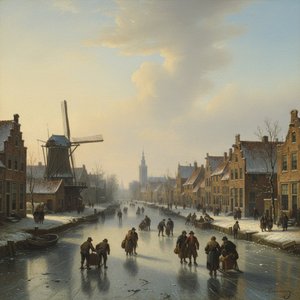
Charles Leickert: Capturing the Dutch Golden Age Light – A Comprehensive Study of Technique, Context, and Legacy
Explore the captivating winter landscapes of Charles Leickert, a master of Dutch Golden Age light & atmosphere. Discover his techniques, symbolism, and lasting legacy – a comprehensive study for art enthusiasts and collectors.

Golden Light & Dutch Skies: Bringing the Magic of Dutch Golden Age Landscapes into Your Home
Transform your home with the breathtaking light of Dutch Golden Age landscapes. Discover how hand-painted oil reproductions of masterworks like Ruisdael and Vermeer bring timeless elegance, atmosphere, and soulful texture to modern interiors. Elevate your space with museum-quality art.

Golden Light & Dutch Skies: The Timeless Magic of Dutch Golden Age Landscapes
Discover the breathtaking beauty of Dutch Golden Age landscapes. Explore the mastery of light, chiaroscuro, and 17th-century realism through an expert art history lens, celebrating the enduring legacy of the Dutch Masters for discerning collectors and art lovers.


