
 Megtekintés
 Küldés
 Megosztás
 Részletek
 Útmutató

 Letöltés
 Hasonló darabok
 X-ray felvétel
 Diavetítés
 Kérdések és válaszok
 Statisztika
Grainfields

- 47.0 x 57.0 cm


 Összes részlet megjelenítése
Giclée / Műnyomat
Múzeumi minőségű giclée vagy vászonnyomat, gyors gyártással és rugalmas finomítási lehetőségekkel. ( Kézzel festett másolat rendelése Áttérés digitális képre)




P118B Ft10

P118H Ft10

P118W Ft10

P438Z Ft10

P508JH Ft12

P508YH Ft12

P805H Ft10

P805Z Ft10

P919BZ Ft10

P919G Ft10

P919XJ Ft10

P959ZH Ft10

P968JZ Ft12

W106C Ft8

W218G Ft10

W218JH Ft8

W218Y Ft10

W307PJ Ft10

W316G Ft10

W316PJ Ft8

W316Y Ft10

W398PJ Ft8

W4111J Ft10

W500HY Ft15

W500JH Ft15

W692G Ft12

W849H Ft8

W940BG Ft15

W953PJ Ft8




Válasszon előre meghatározott méreteink közül, amelyek megfelelnek a műalkotás eredeti arányainak.

Írja be a keretének vagy a falának megfelelő szélességet és magasságot. A nyomatot csak le lehet vágni, soha nem tehető nagyobbá, mint az eredeti kép, így egy eltérő alakú méretnél a kép egy része elveszik. Mielőtt bármit kinyatintanánk, küldünk egy digitális próbamodellt jóváhagyásra. Az oldalon látható kép nem tartalmazza a valós levágást — ezt csak a próbamodell mutatja meg.
Világszerte történő kiszállítás területére mindössze 2 hét alatt, a szokásos 4-5 hét helyett. (12 november)

Ingyenes globális expressz szállítás

Prémium minőségű len vászon

Teljes körű szállítási biztosítás

Vámvisszatérítési Garancia

Hiteles színarányosság garancia

100 napos visszaküldési lehetőség (csak hibás termékek esetén)

100% pénzvisszatérítési garancia

Több darab vásárlásakor kedvezmény
 Az üvegkeretes opció csak 110 cm alatti méretben érhető el

Grainfields
Giclée / Műnyomat
Reprodukció mérete
-


Összesített ár
Ft 26351
A Moment Frozen in Time: Exploring Jacob van Ruisdael’s “Grainfields”
Jacob van Ruisdael's "Grainfields," painted around 1665, isn’t merely a depiction of a rural Dutch landscape; it’s a profound meditation on the relationship between humanity and nature, a quiet drama unfolding beneath an expansive sky. This remarkable work, now housed within the Metropolitan Museum of Art in New York, offers a glimpse into the heart of the Dutch Golden Age – a period defined by burgeoning prosperity, artistic innovation, and a deep appreciation for the beauty of the natural world. Ruisdael, considered the pre-eminent landscape painter of his era, masterfully captures not just the visual elements of the scene but also an underlying sense of serenity and timelessness that continues to resonate with viewers today.The Canvas as Window: Composition and Technique
Ruisdael’s genius lies in his ability to create a remarkably immersive experience within the confines of a canvas. The composition is deceptively simple, yet profoundly effective. A gently sloping road, barely discernible amidst the undulating grainfields, draws the eye into the heart of the scene. Two figures – likely laborers tending their harvest – stand at the field’s edge, small and unassuming against the vastness of the landscape. Their presence isn't intrusive; rather, they serve as anchors, grounding us in this world while simultaneously emphasizing its scale and solitude. The artist employs a technique characterized by subtle gradations of light and shadow, creating an atmospheric depth that is both realistic and dreamlike. Notice how he uses broken brushstrokes to suggest the texture of the earth, the rustle of the grain, and the hazy distance of the horizon. Crucially, Ruisdael’s decision to dominate the composition with the sky – occupying nearly two-thirds of the canvas – elevates the scene beyond a simple depiction of farmland. It imbues the landscape with a sense of grandeur and spiritual significance, echoing the vastness of God's creation.Echoes of History: Context and Influences
To understand “Grainfields,” it’s essential to consider its historical context. The Dutch Golden Age witnessed an unprecedented economic boom fueled by trade and agriculture. Landscapes like this one weren’t simply decorative; they reflected a national identity deeply rooted in the land. Ruisdael, influenced by earlier landscape painters such as Cornelis Vroom and Allart van Everdingen, built upon established traditions while forging his own distinctive style. His trip to Germany in 1650 exposed him to new artistic influences, particularly the dramatic lighting and atmospheric perspective of Northern European masters. The painting also reflects a broader shift in Dutch society – a growing interest in secular subjects alongside traditional religious themes. The focus on everyday life, as depicted here, signaled a move away from solely didactic art towards works that celebrated beauty and offered moments of contemplation.Symbolism and Emotional Resonance
Beyond its technical brilliance, “Grainfields” is rich in symbolic meaning. The figures at the edge of the field represent humanity’s connection to the land – a relationship built on labor, resilience, and an understanding of nature's rhythms. The windmill, a ubiquitous symbol of Dutch ingenuity and prosperity, stands as a testament to human adaptation and mastery over the environment. However, there is also a sense of melancholy in the scene, perhaps reflecting the hardships of rural life or the fleeting nature of time. The overcast sky hints at an impending storm, suggesting that even in this seemingly idyllic landscape, forces beyond our control are always present. Ultimately, “Grainfields” evokes a feeling of quiet contemplation – a reminder to appreciate the beauty and fragility of the natural world and to find solace in its enduring presence.Bringing Ruisdael Home: Reproductions and Interior Design
Reproductions of "Grainfields" offer a remarkable opportunity to bring this iconic work into your home or office. When selecting a print, consider the quality of the reproduction – seek out options that accurately capture the subtle nuances of Ruisdael’s brushwork and atmospheric effects. The painting's muted palette—dominated by earthy browns, greens, and grays—works beautifully in a variety of interior settings. It complements both rustic and contemporary styles, adding a touch of timeless elegance and contemplative serenity to any space. Whether displayed as a statement piece or incorporated into a larger gallery wall, “Grainfields” is sure to become a cherished focal point, inviting viewers to pause, reflect, and connect with the enduring beauty of the Dutch countryside.Kérdések és válaszok
Mennyire fényes „Grainfields”, Jacob van Ruisdael alkotása?
A „Grainfields”, Jacob van Ruisdael alkotása alkotás Soft Shadow fényerőséggel rendelkezik. A fényerő azt mutatja meg, hogy a színek mennyire tűnnek visszafényesnek.
Ki készítette a(t) "Grainfields"-t, és melyik évben?
A "Grainfields" alkotója Jacob van Ruisdael, a mű pedig 1665 származik.
Hol javasolt a(z) "Grainfields" Landscape formátumú alkotás kihelyezését?
A „Grainfields”, Jacob van Ruisdael alkotása Landscape formátumú alkotása egy Living Room számára ajánlott. A formátum és a tér együtt segítik a reprodukció elhelyezését.
A művész életrajza
Korai Évek és Kezdeti Pályafutás
Jacob Isaackszoon van Ruisdael, a holland aranykor egyik legkiemelkedőbb tájképfestője 1628-ban született Haarlemben. Családja művészlelkű volt, apja egy festő és kereskedő, aki jelentős szerepet játszott fia művészi nevelésében. Ruisdael korán megmutatta tehetségét a rajzolás iránt, és hamar elsajátította a tájképfestészet alapjait. Fiatal éveiben Hendrick Vroom festő befolyása érezhető munkáin, aki a holland tájak részletes ábrázolásában volt mester. A 17. század közepén Ruisdael Haarlemben kezdte pályafutását, ahol gyorsan elismerték egyedi stílusáért és a természet iránti különleges érzékenységéért.
Művészeti Stílus és Jelentősége
Ruisdael művészete rendkívüli sokszínűség jellemzi, amelyben a holland tájak széles skálája jelenik meg. 1646-tól kezdve festett lenyűgöző vidéki jeleneteket, amelyek később heroikusabb jelleget öltöttek németországi utazása (1650) után. Később, amikor Amszterdamban élt és dolgozott, városi panorámákat és tengerképeket alkotott, melyeken gyakran az ég uralta a vásznat – akár annak kétharmadát is. Ruisdael festményei nem csupán tájak ábrázolásai; azok a holland aranykor szellemiségének tükörképei, amelyekben a természet nagysága és a mindennapi élet harmóniája ötvöződik.
Fejlődése és Technikája
Ruisdael festészeti stílusa folyamatosan fejlődött. Kezdeti munkáiban a részletek kidolgozása dominált, míg később egyre inkább a fény és az atmoszféra ábrázolására koncentrált. Különösen mesterien kezelte a fényt, amely festményeinek életet adott és különleges hangulatot teremtett. A horizontális kompozíciók használata, a felhők dinamikus ábrázolása és a vízfelületek tükröződései mind hozzájárultak műveinek egyedi jellegéhez. A szélmalmok, templomtornyok és fák részletes ábrázolása
Ruisdael festményeinek védjegyévé vált.Legfontosabb Művei
- Sziklás és hegyes táj vízeséssel – ez a festmény Ruisdael fénykezelésének és kompozíciós mesterségének remek példája.
- Haarlem látképe fehérítő területekkel – ezen a képen Ruisdael tökéletesen megragadta a holland táj esszenciáját.
- A Dam és a Damrak látképe Amszterdamban – ez a festmény Ruisdael városi tájképfestészetének kiemelkedő alkotása.
Hatás és Örökség
Ruisdael hatása a tájképfestészet hagyományaira mélyreható volt. Művei inspirálták az angol romantikusokat, a francia Barbizon iskolát és az amerikai Hudson River School festőit is. Generációk holland tájképfestői számára szolgált példaként. Ruisdael munkássága ma is élénken hat, és művei értékes részét képezik számos magángyűjteménynek és múzeumnak szerte a világon, mint például a londoni National Gallery, az amszterdami Rijksmuseum és a szentpétervári Hermitage Museum.

Jacob van Ruisdael
1628 - 1682 , Hollandia
Rövid információk
- Artistic Movement Or Style: Holland aranykor
- Artists Or Movements Influenced By This Artist:
- Angol romantikusok
- Barbizon iskola
- Hudson River School
- Artists Who Influenced This Artist:
- Cornelis Vroom
- Allart van Everdingen
- Date Of Birth: 1628
- Date Of Death: 1682
- Full Name: Jacob Isaakszoon Van Ruisdael
- Nationality: Holland
- Notable Artworks:
- Glade in a Wood
- Landscape with a Village in the Distance
- The Thicket
- The Cloister
- Rough Sea at a Jetty
- Two Watermills and an Open Sluice
- Landscape with a Traveller
- Countryside
- Edge of a Forest with a Grainfield
- Woodland Scene with Lake
- The Forest Stream
- Waterfall in a Rocky Landscape
- Landscape with Shepherds and Peasants
- Grainfields
- An Extensive Landscape with a Ruined Castle
- Landscape with Church and Village
- The Waterfall
- Landscape with Waterfall
- The Windmill at Wijk bij Duurstede
- Landscape with Ruined Castle and Church
- Winter Landscape
- Wheat Fields
- The Breakwater
- Mountain Torrent
- Chapel by a Waterfall
- Beach View
- View of Haarlem with Bleaching Grounds
- View of the Dam and the Damrak
- Place Of Birth: Haarlem, Hollandia
Kapcsolódó cikkek

A Hollandi Aranykor 10 Mesterműve: Festmények, Amelyek Megváltoztatták a Világot | OriginalUniqueArt.com
Fedezze fel a Hollandi Aranykor 10 legikonikusabb műalkotását! Rembrandt, Vermeer és más mesterek festményeinek történeteit olvassa el. Barokk stílus, klasszikus művészet – inspirálódjon otthon dekorációjához a OriginalUniqueArt.com-on! Fedezze fel a teljes gyűjteményt online.

Golden Light & Dutch Skies: The Timeless Magic of Dutch Golden Age Landscapes
Discover the breathtaking beauty of Dutch Golden Age landscapes. Explore the mastery of light, chiaroscuro, and 17th-century realism through an expert art history lens, celebrating the enduring legacy of the Dutch Masters for discerning collectors and art lovers.
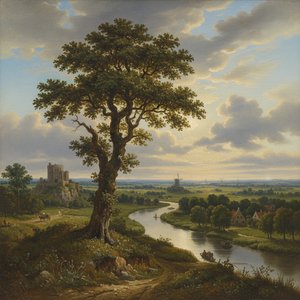
Jacob van Ruisdael: Master of Dutch Landscape & the Evocation of National Identity
Explore the life & work of Jacob van Ruisdael, the preeminent Dutch landscape painter. Discover his technical brilliance, symbolic depth, and lasting influence on art history. Learn about collecting Ruisdael's masterpieces.
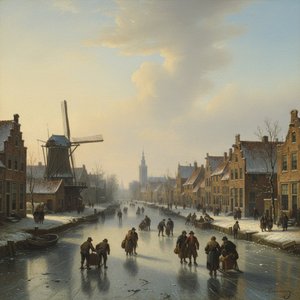
Charles Leickert: Capturing the Dutch Golden Age Light – A Comprehensive Study of Technique, Context, and Legacy
Explore the captivating winter landscapes of Charles Leickert, a master of Dutch Golden Age light & atmosphere. Discover his techniques, symbolism, and lasting legacy – a comprehensive study for art enthusiasts and collectors.

Golden Light & Dutch Skies: Bringing the Magic of Dutch Golden Age Landscapes into Your Home
Transform your home with the breathtaking light of Dutch Golden Age landscapes. Discover how hand-painted oil reproductions of masterworks like Ruisdael and Vermeer bring timeless elegance, atmosphere, and soulful texture to modern interiors. Elevate your space with museum-quality art.


