

 Megtekintés
 Küldés
 Megosztás
 Részletek

 Letöltés
 Hasonló darabok
 X-ray felvétel
 Diavetítés
Pumps


 Összes részlet megjelenítése
Kézzel készített olajfestmény reprodukció
Kézzel festett olajvastú vászon, az Ön által választott méretben és keretben, művészeink készítik meglévőre. ( Nyomat rendelése Kép letöltése)




































Válasszon előre meghatározott méreteink közül, amelyek megfelelnek a műalkotás eredeti arányainak.

Ön megadhat saját méreteket egy adott kerethez vagy térhez igazításhoz. Ha a kiválasztott méret nem egyezik az eredeti kép arányával, akkor a műalkotást levágjuk, vagy további kézzel festett elemekkel meghosszabbítjuk a festményt. A gyártás megkezdése előtt küldünk Önnek egy digitális előnézetet jóváhagyásra.
Kérjük, vegye figyelembe, hogy a képernyőn megjelenő előnézet nem tükrözi a tényleges vágást vagy kiterjesztést. Csak az előnézet fog pontosan mutatni a végső kompozíciót.
Bár egyedi méretek állnak rendelkezésre, javasoljuk, hogy válasszon egy méretet az előre meghatározott listából az eredeti arányok megőrzése érdekében.
A rendelést követően a OriginalUniqueArt.com csapata e-mailt küld az ügyfélnek az instrukciókért, és biztosít egy előnézeti képet (mockup).
Világszerte elérhető szállítás () 3-4 hét alatt a szokásos 5 hét helyett. (24 augusztus). A minőség nem kérdőjelezhető.

Ingyenes globális expressz szállítás

Prémium minőségű len vászon

Teljes körű szállítási biztosítás

Vámvisszatérítési Garancia

Hiteles színpontosság garancia

60 napos visszaküldési lehetőség (csak hibás termékek esetén)

100% pénzvisszatérítési garancia

Több darab vásárlása esetén kedvezmény
 Az üvegkeretes opció csak 110 cm alatti méretben érhető el

Pumps
Reprodukciós technika
Reprodukció mérete
-


Összesített ár
$ 300
A műalkotás leírása
A művész életrajza
Pietro Vannucci: The Quiet Genius of Perugia
Perugia, a city nestled in the heart of Umbria, Italy—a region often overshadowed by its more flamboyant neighbors like Florence and Rome—holds within its ancient walls the story of an artist whose influence resonated far beyond its borders. Pietro Vannucci, known to the world as Perugino, was not a man of dramatic pronouncements or revolutionary techniques; rather, he possessed a remarkable ability to capture serenity, grace, and a profound sense of space – qualities that would profoundly shape the artistic landscape of the High Renaissance. Born around 1450 in Città della Pieve, a small town renowned for its ceramics, Perugino’s early life was steeped in the traditions of Umbrian art, a style characterized by its luminous colors and focus on religious subjects. His apprenticeship within Perugia's artistic workshops provided him with a solid foundation, exposing him to the techniques of his time and fostering a keen eye for detail.Early Influences and Artistic Development
Perugino’s formative years were marked by exposure to several prominent artists, each contributing to his evolving style. He initially worked under Piero della Francesca in Arezzo, absorbing the master's meticulous attention to perspective and his masterful use of light and shadow. This experience instilled in him a deep appreciation for clarity and order—a hallmark of his later work. Subsequently, he served as a pupil of Andrea Verrocchio in Florence, a workshop renowned for its diverse array of talents, including Leonardo da Vinci. Working alongside such luminaries undoubtedly broadened Perugino’s artistic horizons, exposing him to innovative approaches to composition and technique. However, it was in Perugia itself that Perugino truly blossomed, establishing his own workshop and developing a distinctive style—one often described as “Umbrian.” This style prioritized a sense of calm and dignity, eschewing the dramatic gestures and intense emotions favored by some of his contemporaries.The Sistine Chapel and the Rise to Prominence
Perugino’s reputation soared dramatically in 1481 when he was summoned to Rome to contribute to the decoration of the Sistine Chapel. Commissioned alongside Botticelli, Ghirlandaio, and Lippi, Perugino undertook the monumental task of painting the walls of this iconic space. His contribution—the “Charge to St. Peter”—is a masterpiece of compositional balance and serene beauty. The scene depicts Jesus delivering the keys to the kingdom to his apostle, surrounded by the other apostles in an architectural setting that evokes both earthly grandeur and spiritual significance. This work established Perugino as one of the leading artists of his generation, solidifying his position within the Roman artistic elite.A Legacy Shaped by Raphael
Perhaps the most enduring aspect of Perugino’s legacy lies in his profound influence on another artist—Raphael Sanzio. The young Raphael spent several years working in Perugino's workshop, absorbing not only technical skills but also the master’s aesthetic sensibilities. The similarities between their works are striking, particularly in paintings such as “The Marriage of the Virgin,” where Raphael directly emulates Perugino’s compositional techniques and use of light. While Raphael ultimately surpassed his teacher in terms of innovation and expressive power, it is undeniable that Perugino laid the groundwork for Raphael's artistic development. Perugino’s emphasis on clarity, grace, and a harmonious balance of form and color profoundly shaped Raphael’s style, ensuring that Perugino’s influence would continue to resonate through the centuries.Later Years and Enduring Significance
Despite his earlier prominence, Perugino's later years were marked by relative obscurity. He continued to work diligently, producing a wealth of altarpieces and frescoes for churches throughout Umbria and beyond. He died in 1523, succumbing to the plague that ravaged Italy at the time. Yet, it was not until the 19th century—thanks largely to the efforts of art historians like Ruskin—that Perugino’s genius was fully recognized. His paintings were rediscovered and celebrated for their quiet beauty, their masterful use of perspective, and their profound sense of serenity. Today, Perugino is remembered as a pivotal figure in the transition from the Early Renaissance to the High Renaissance, a testament to the enduring power of understated elegance and a master whose legacy continues to inspire artists and captivate viewers alike. His work stands as a reminder that true artistic greatness often resides not in dramatic displays but in the quiet perfection of form and color.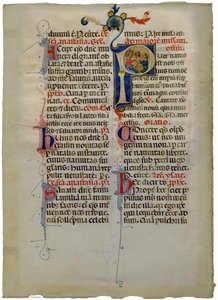
italian (perugia)
Italy
A művészről röviden
- Artistic Movement Or Style: Umbrian Renaissance
- Artists Or Movements Influenced By This Artist:
- Raphael Sanzio
- Renaissance art
- Artists Who Influenced This Artist:
- Piero della Francesca
- Andrea Verrocchio
- Date Of Birth: c. 1450
- Date Of Death: 1523
- Full Name: Pietro Vannucci (Perugino)
- Nationality: Italian
- Notable Artworks:
- Dominican Missal Leaf
- Marriage of the Virgin
- Place Of Birth: Città della Pieve, Italy

