
 Megtekintés
 Küldés
 Megosztás
 Részletek
 Útmutató

 Letöltés
 Hasonló darabok
 X-ray felvétel
 Diavetítés
 Q&A
Q&A Statisztika
Orphans

 Összes részlet megjelenítése
Az ezen az oldalon megjelenített műalkotások szerzői jogi védelem alatt állnak, ami azt jelenti, hogy törvényileg nem készíthetünk és nem adhatunk el belőlük pontos másolatokat. Ez a védelem olyan nemzetközi megállapodások alapján érvényesül, mint például a Berni Egyezmény és a nemzeti jogszabályok által, beleértve azokat is, amelyeket meghatározott Az USA szerzői jogi törvénye – 17. cím.
Ez a módszer teljes mértékben megfelel a szerzői jogi szabályozásnak, mivel nem tartalmazza a védett műalkotás másolását vagy duplikálását. Ehelyett ez egy kreatív újinterpretáció – egy új festmény, amely az eredetivel való összefüggései miatt hatással van rá, de nem az az.
Giclée / Műnyomat
Múzeumi minőségű giclée vagy vászonnyomat, gyors gyártással és rugalmas finomítási lehetőségekkel. ( Kézzel festett másolat rendelése Áttérés digitális képre)




































Válasszon előre meghatározott méreteink közül, amelyek megfelelnek a műalkotás eredeti arányainak.

Írja be a keretének vagy a falának megfelelő szélességet és magasságot. A nyomatot csak le lehet vágni, soha nem tehető nagyobbá, mint az eredeti kép, így egy eltérő alakú méretnél a kép egy része elveszik. Mielőtt bármit kinyatintanánk, küldünk egy digitális próbamodellt jóváhagyásra. Az oldalon látható kép nem tartalmazza a valós levágást — ezt csak a próbamodell mutatja meg.
Világszerte történő kiszállítás területére mindössze 2 hét alatt, a szokásos 4-5 hét helyett. (1 november)

Ingyenes globális expressz szállítás

Prémium minőségű len vászon

Teljes körű szállítási biztosítás

Vámvisszatérítési Garancia

Hiteles színarányosság garancia

100 napos visszaküldési lehetőség (csak hibás termékek esetén)

100% pénzvisszatérítési garancia

Több darab vásárlásakor kedvezmény
 Az üvegkeretes opció csak 110 cm alatti méretben érhető el

Orphans
Giclée / Műnyomat
Reprodukció mérete
-


Összesített ár
Ft 26198
A művész életrajza
István Csók ragyogó öröksége
Lépni Csók István világába olyan birodalomba való belépés, ahol a romantikus dráma és az impresszionista nyugalom határai egyetlen, lélegzetelállító vízióvá olvadnak össze. 1865-ben, Magyarország békés tájain, Sáregresen született, korai éveit a transzdanubiai alföld buja, zöld környezete formálta. Gyermekkorában gyakran merült el álmodozásban a zúgó patakok partjain és a vitézek sorsa után kélő vitézi fák, a síngerek árnyékában; ez a formálódó élmény később mély érzékenységgé vált a természet iránt. Bár útja nem volt mentes a nehézségektől – gyermekkorának törékeny egészsége és akadémiai lázadó szelleme miatt –, sorsa elkerülhetetlenül a pincét és az ecsetthez kötődött. 1882-re bekerült a budapesti Modelrajzi Iskolába, ezzel megkezdődve az a hivatalos utazás, amely végül Magyarország klasszikus hagyományaitól Európa avantgárd szívéig vezette őt.
Csók stílusának fejlődése a művészeti migráció és a stilisztikai metamorfózis lenyűgöző narratívája. A mesterek, mint Székely Bertalan által átvett korai képzése olyan alapokat teremtett benne, amelyek a magyar romantizmus jegyeit hordozták: érzelmileg töltött történeteket és egyfajta drámai súlyt. Az igazi fordulópont azonban 1896-ban következett be, amikor Csók Párizsba költözött. A kor vibráló művészeti lelkesedésében merülve találkozott Claude Monet és Pierre-Auguste Renoir forradalmi technikáival. Ez a találkozás katalizátorként működött, távolítva őt a merev realizmustól egy fluidabb, atmoszférikusabb irány felé. Megkezdte befogadni az impresszionizmus fényimádatát, laza ecsetvonatokat és vibráló, pulzáló színeket használva, hogy megörökítse egyetlen pillanat ephemerikus minőségeit.
A fény és a téma szimfóniája
Csók életműve egy sokszínű kendő, amely ötvözi az aktstudieket, az intime portrékat és a hatalmas tájképeket, ám legmaradandó hozzájárulása a művészettörténethez a Balaton régiójának iránti áldozatkészségében rejlik. Ezekben a művekben mesteri egyensúlyt sikerült kialakítania a nyugalom és a dinamika között. Vászai ablakként szolgálnak a tó változó hangulataira, megörökítve mindent a napfelkelte lágy, perlesz és aranyló árnyalataitól a déli fény harsány csillogásáig, az alkonyat melankolikus árnyékaiig. Szemein keresztül a víz sosem statikus; élő, lélegző lény, amely a magyar táj lelkiismeretét tükrözi.
A tájképek túlmutatva is Csók egyedülálló képességgel rendelkezett, hogy alakjaiba mély pszichológiai rétegeket szőssen. Portréi és aktstudiei gyakran túlmutatnak a puszta ábrázoláson, érintve az otthonosság, a magány és a természet ölelésének témáit. Tekintsünk át néhány kiemelkedő alkotását:
- Viragszedő: A fiatalság és a természet vibráló ünneplése, ahol egy fiatal nőt virágok között ábrázolnak, jelenléte tökéletesen harmonizálva a flóra impresszionista textúrájával.
- Alvó Shokatz asszony: A derűs otthonosság mesterműve, amely bátor színeket és texturált impasztót használ a csendes, békés pihenés érzékének kiváltására.
- Árva gyerekek: Egy komorabb irányvonal, ahol fakó tónusok és laza ecsetvonatok melankolikus kontemplációt és az emberi tapasztalat súlyát teremtik.
- Báthory Erzsébet: Drámai utalás romantikus gyökereire, egy kaotikus és gazdag részletű történelmi jelenet, amely demonstrates a narratív feszültség feletti uralmát.
Történelmi jelentőség és maradandó szellem
István Csók jelentősége messze túlmutat festményei esztétikai élményén; ő létfontosságú hídként szolgált a magyar művészet traditionalista múltja és modern kora között. Képes volt összeegyeztetni a romantika érzelmi intenzitását az impresszionizmus fényvezérelt innovációival, így képes maradt relevánsis és népszerű alak maradni a hatalmas történelmi változások korszakában is. Értékét Magyarország legmagasabb kulturális intézményei is igazolták, legkiemelkedebben azáltal, hogy két külön alkalommal elnyerte a Kossuth-díjat – egy ritka kitüntetés, amely nemzeti kincs státuszát is megszilárdította.
Visszatekintve életére, amely a 19. százor végétől a 20. század közepéig nyúlt, egy olyan művészt látunk, aki sosem hagyta abba a fejlődést. Későbbi éveiben is munkássága tükrözte körülötte lévő változó világ mély elkötelezettségét. Autobiográfiai jegyzésein keresztül, mint például az Emlékezéseim, egy olyan ember gondolkodásának ablakát nyitva hagyta, aki a tó csillogásában szépséget, a fény remegésében pedig drámát látott. Napjainkban Csók a magyar impresszionizmus alapköve marad, minden nézőt arra hívva, hogy fedezze újra a természet világának időtlen varázsát evocatív és ragyogó lencséjén keresztül.

Csók István
1865 - 1961
Rövid információk
- Ezt A Művészt Befolyásoló Művészek:
- Gustave Moreau
- Jean Renoir
- Halál Dátuma: 1961. február 1.
- Jelentős Művek:
- Erzsébet Báthory
- Viragszedő
- Alvó Shokatz asszony
- Művészeti Irány Vagy Stílus: Impressionizmus
- Nemzetiség: Magyar
- Születési Dátum: 1865. február 13.
- Születési Hely: Sárgúzgabornya, Magyarország
- Teljes Név: Csók István
Kapcsolódó cikkek
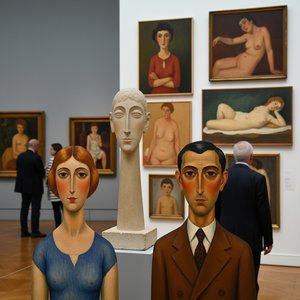
Amedeo Modigliani 25 Mesterműve: Lélek és Forma a Vásznon – OriginalUniqueArt.com
Fedezze fel Amedeo Modigliani 25 legikonikusabb művét! Mélyreható történetek, elemzések és a modern művészet remeklői. Portrék, aktok, expresszionizmus – inspiráló festmények otthonába. OriginalUniqueArt.com: minőségi reprodukciók és dekoráció.

Renoir Mesterek: A 25 Leglenyűgözőbb Kép a Francia Impresszionizmus Gyöngyszemeiből | OriginalUniqueArt
Fedezze fel Pierre-Auguste Renoir 25 legszebb művét! Ismerje meg az impresszionizmus gyöngyszemeit, a színek és fény játékát. Vásároljon exkluzív Renoir reprodukciókat otthonába a OriginalUniqueArt.com kínálatából – minőségi faliképek és inspiráló dekoráció.
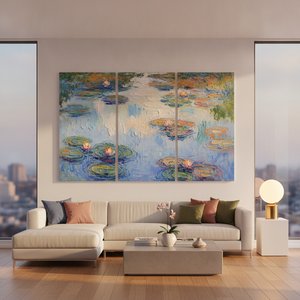
Modern Soul, Timeless Light: Bringing the Magic of Impressionist Masterpieces into Contemporary Interiors
Discover how to infuse contemporary spaces with the luminous magic of Impressionism. From Monet's light to Renoir's warmth, learn expert tips for styling hand-painted masterpieces and custom art reproductions in your modern home.

Impressionistic Realism's Finest: 10 Masterpieces for Your Home | OriginalUniqueArt
Journey through Impressionistic Realism with 10 iconic masterpieces by Monet, Renoir & Van Gogh. Explore art history, techniques & find museum-quality reproductions for your home at OriginalUniqueArt.com. Discover all masterpieces online!
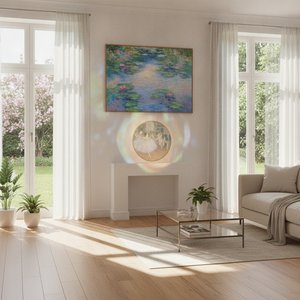
Painting with Light: How Impressionist Masterpieces Transform Your Home's Mood
Discover how Impressionist masterpieces transform your home's mood. Explore the luminous beauty of Monet and Renoir through our exquisite, hand-painted oil reproductions designed to bring light, warmth, and timeless elegance to your living space.