

 Megtekintés
 Küldés
 Megosztás
 Részletek
 Útmutató

 Letöltés
 Hasonló darabok
 X-ray felvétel
 Diavetítés
 Statisztika
Fires


 Összes részlet megjelenítése
Giclée / Műnyomat
Múzeumi minőségű giclée vagy vászonnyomat, gyors gyártással és rugalmas finomítási lehetőségekkel. ( Kézzel festett másolat rendelése Áttérés digitális képre)




P118B Ft10

P118H Ft10

P118W Ft10

P438Z Ft10

P508JH Ft12

P508YH Ft12

P805H Ft10

P805Z Ft10

P919BZ Ft10

P919G Ft10

P919XJ Ft10

P959ZH Ft10

P968JZ Ft12

W106C Ft8

W218G Ft10

W218JH Ft8

W218Y Ft10

W307PJ Ft10

W316G Ft10

W316PJ Ft8

W316Y Ft10

W398PJ Ft8

W4111J Ft10

W500HY Ft15

W500JH Ft15

W692G Ft12

W849H Ft8

W940BG Ft15

W953PJ Ft8




Válasszon előre meghatározott méreteink közül, amelyek megfelelnek a műalkotás eredeti arányainak.

Írja be a keretének vagy a falának megfelelő szélességet és magasságot. A nyomatot csak le lehet vágni, soha nem tehető nagyobbá, mint az eredeti kép, így egy eltérő alakú méretnél a kép egy része elveszik. Mielőtt bármit kinyatintanánk, küldünk egy digitális próbamodellt jóváhagyásra. Az oldalon látható kép nem tartalmazza a valós levágást — ezt csak a próbamodell mutatja meg.
Világszerte történő kiszállítás területére mindössze 2 hét alatt, a szokásos 4-5 hét helyett. (26 október)

Ingyenes globális expressz szállítás

Prémium minőségű len vászon

Teljes körű szállítási biztosítás

Vámvisszatérítési Garancia

Hiteles színarányosság garancia

100 napos visszaküldési lehetőség (csak hibás termékek esetén)

100% pénzvisszatérítési garancia

Több darab vásárlásakor kedvezmény
 Az üvegkeretes opció csak 110 cm alatti méretben érhető el

Fires
Giclée / Műnyomat
Reprodukció mérete
-


Összesített ár
Ft 25681
A Tranquil Landscape Ablaze: Exploring Levitan's "Fires"
Isaak Ilyich Levitan’s “Fires,” painted in 1885, offers a captivating glimpse into the soul of the Russian countryside. This landscape painting depicts a serene field punctuated by small, flickering fires under an overcast sky – a scene that simultaneously evokes tranquility and a subtle sense of mystery. The composition is masterfully arranged to draw the viewer's eye across the expansive vista, from the foreground’s warm glow to the distant horizon line formed by a row of trees. Two figures are subtly integrated into the landscape, adding a touch of human presence without disrupting the overall feeling of solitude and contemplation.Impressionistic Technique & Atmospheric Mastery
“Fires” is a prime example of Levitan’s signature Impressionistic style. He eschews sharp lines in favor of loose, expressive brushwork that captures the fleeting effects of light and atmosphere. The visible strokes create a textured surface, lending depth and visual interest to the canvas. The color palette – dominated by muted greens, blues, and browns – is beautifully contrasted with the warm oranges and yellows emanating from the fires. This interplay of cool and warm tones creates a harmonious balance while highlighting the focal point of the burning embers. The diffused lighting, characteristic of an overcast day, softens the scene and contributes to its overall sense of quietude. Levitan’s skillful use of perspective through size diminution further enhances the illusion of depth, drawing the viewer into the heart of the landscape.Historical Context & Levitan's Artistic Journey
Born in Kyiv in 1860, Isaak Ilyich Levitan was a pivotal figure in Russian landscape painting. He studied at the Moscow School of Painting, Sculpture and Architecture, where he was profoundly influenced by Alexei Savrasov, who instilled in him a deep appreciation for capturing the subtle nuances of nature. Levitan moved away from purely realistic depictions to focus on conveying mood and emotion through his landscapes – a groundbreaking approach that established him as a leading figure in Russian art. “Fires,” created during a period of artistic exploration, exemplifies this shift towards lyrical and emotionally resonant portrayals of the natural world.Symbolism & Emotional Resonance
Beyond its aesthetic beauty, "Fires" invites contemplation on deeper symbolic meanings. The fires themselves can be interpreted in multiple ways – as symbols of warmth and renewal amidst a cool landscape, or perhaps hinting at a more ambiguous sense of destruction or transformation. The solitary figures within the scene reinforce the themes of solitude and quiet reflection. The overall atmosphere evokes a feeling of peaceful melancholy, inviting viewers to connect with their own emotions and experiences while immersed in the beauty of the Russian countryside. Levitan’s ability to imbue his landscapes with such profound emotional depth is what truly sets him apart as a master of mood-based painting.Kérdések és válaszok
Miért van az, hogy a "Fires" szerzői jogi állapota ilyen?
Isaak Ilyich Levitan alkotása, a "Fires", közösségi tulajdon – a szerzői jog lejártt státuszban van. A szerzői jogi védelem a művész halálától számítod, Isaak Ilyich Levitan pedig 1900 évben hunyt meg.
Megtekinthetném a(z) „Fires”, Isaak Ilyich Levitan alkotása röntgensugárzásos felvételét?
A „Fires” rétegről rétegre vizsgálható a mű alkotásának X-ray felvétel oldalán, amely egy restaurátori fényasztal alapján készült interaktív néző, és tizenegyi optikai rétegben mutatja be a képet.
Megtekinthető a „Fires”, Isaak Ilyich Levitan alkotása alkotás rendelés előtt?
A „Fires” Előnézet oldalán megtekintheti a művészeti alkotást megrendelés előtt.
A művész életrajza
A Symphony of the Russian Soul: The Life and Art of Isaak Ilyich Levitan
Isaak Ilyich Levitan, a name synonymous with the evocative power of Russian landscape painting, was more than just a chronicler of nature; he was a poet of the land, a translator of its moods into visual form. Born in 1860 in Kibarty (present-day Lithuania) to a Jewish family who later settled in Moscow, Levitan’s life was marked by both profound hardship and an unwavering dedication to his art. The early loss of his mother and father cast a long shadow, instilling within him a sensitivity that would permeate his canvases with a melancholic beauty. This sense of longing, coupled with the restrictions imposed upon Jewish communities in Tsarist Russia, fueled a desire to find solace and expression in the natural world. He entered the Moscow School of Painting, Sculpture and Architecture in 1873, where he came under the tutelage of Alexei Savrasov, whose influence would prove pivotal in shaping Levitan’s artistic vision. It was Savrasov who nurtured his student's innate ability to capture not merely the appearance of nature, but its very essence—its atmosphere, its emotional resonance.The Early Years and a Difficult Path
Levitan’s childhood was far from idyllic. His father, Ilya Levitan, worked as a railroad employee, struggling to provide for his family after his wife died when Isaac was just fifteen years old. Two years later, his father succumbed to illness, leaving the young artist orphaned and facing immense poverty. These early hardships profoundly shaped his artistic sensibility, imbuing his work with a deep sense of melancholy and introspection. Despite these challenges, Levitan’s exceptional talent earned him a scholarship to the Moscow School of Painting, Sculpture and Architecture in 1873. There, he studied under Alexei Savrasov, whose emphasis on capturing the *feeling* of nature—its atmosphere, light, and emotional impact—proved particularly influential. He also benefited from instruction from Vasily Perov and Vasily Polenov, artists known for their realism and social commentary. The restrictions placed upon Jewish communities in Russia at the time further complicated his life, adding a layer of social constraint to his artistic pursuits.The Birth of a ‘Mood Landscape’
Levitan quickly distinguished himself as an artist capable of conveying profound emotion through landscape. He wasn't interested in topographical accuracy for its own sake; rather, he sought to imbue his paintings with a sense of *mood*, a feeling that resonated deep within the viewer's soul. This approach earned him the title of pioneer of the “mood landscape,” a genre that moved beyond simple representation to explore the spiritual connection between humanity and nature. His palette was often subdued, favoring naturalistic colors and poetic elements over vibrant displays. He masterfully employed light and shadow, creating atmospheric effects that evoked feelings of tranquility, solitude, or even quiet despair. Works like *Autumn Day. Sokolniki* (1879), painted when he was just nineteen years old, already demonstrated this remarkable ability to capture the subtle nuances of the Russian countryside. The painting’s muted tones and delicate rendering of light create a sense of wistful nostalgia, hinting at the transience of beauty and the inevitability of change. Later masterpieces such as *The Vladimirka Road* (1892) and *Eternal Rest* (1894), prominently displayed in the Tretyakov Gallery, further solidified his reputation as a master of emotional landscape painting.Influences and Artistic Kinships
While deeply indebted to Savrasov’s influence, Levitan was also receptive to other artistic currents. He collaborated with fellow artists like Konstantin Korovin, Mikhail Nesterov, and Nikolai Chekhov—the brother of the renowned playwright Anton Chekhov, who became a lifelong friend. This circle fostered an environment of creative exchange and mutual support. Though he briefly experimented with Impressionistic techniques, Levitan never fully embraced the movement, maintaining a uniquely Russian sensibility in his work. He found inspiration not only in the visual world but also in music and literature, seeking to translate their emotional power into his paintings. His designs for scenery for Savva Mamontov’s private Russian Opera demonstrate his versatility and willingness to explore different artistic mediums. The influence of these collaborations and experiences can be seen in works like *Spring Flood*, *Stormy Day*, *Vesper Chimes* and *Silent Cloister*, each a testament to his evolving style and deepening understanding of the emotional landscape.Legacy and Enduring Resonance
In 1897, Levitan was elected to the Imperial Academy of Arts, a recognition of his growing stature within the Russian art world. He subsequently became head of the landscape studio at his alma mater in 1898, dedicating himself to nurturing the next generation of Russian landscape painters. His influence extended far beyond his students, however. Levitan’s work played a crucial role in shaping the development of Russian landscape painting, elevating it from mere depiction to a powerful vehicle for emotional and spiritual expression. He instilled within his canvases a sense of national identity and an appreciation for the beauty of the Russian countryside that continues to resonate with audiences today. His untimely death in 1900 at the age of thirty-nine left a void in the art world, but his legacy endures as a master of atmospheric landscape painting and a profound interpreter of the Russian soul. In 1941, a poignant tribute was paid to his memory when his remains were moved to the Novodevichy Cemetery in Moscow, where he rests beside Anton Chekhov—a symbolic union of two artistic kindred spirits who captured the essence of their time and place with unparalleled sensitivity and grace. His paintings remain a testament to the enduring power of art to evoke emotion, inspire contemplation, and connect us to the beauty and mystery of the natural world.
Isaak Ilyich Levitan
1860 - 1900 , Oroszország
Rövid információk
- Artistic Movement Or Style: Mood Landscape, Realizmus
- Artists Or Movements Influenced By This Artist: ['Orosz tájképfestők']
- Artists Who Influenced This Artist:
- Alexej Savrasov
- Vaszilij Perov
- Vaszilij Polenov
- Date Of Birth: 1860. augusztus 30.
- Date Of Death: 1900. július 22.
- Full Name: Isaak Ilyich Levitan
- Nationality: Orosz
- Notable Artworks:
- Őszi naplemente. Sokolniki
- Vladimirca útja
- Mindenszentek
- Tavaszi áradás
- Viherozdás
- Szentszéki csengele
- Place Of Birth: Kibarty, Oroszország
Kapcsolódó cikkek

Evocations of Place: A Historical Journey Through Landscape Art
Explore the rich history of landscape art with OriginalUniqueArt. Discover renowned artists, movements like Impressionism & tonalism, and expert guidance for collecting timeless pieces. Find your perfect serene escape today!
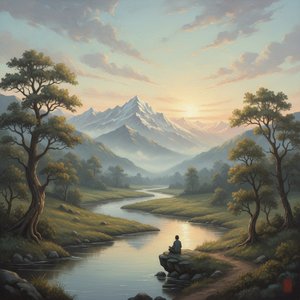
Evoking Tranquility: A Comprehensive Exploration of Serene Landscapes in Art History
Explore the history of serene landscapes in art! Discover renowned artists like Monet & Munch, movements from Impressionism to Tonalism, and find the perfect piece to bring tranquility to your home. Expert insights at OriginalUniqueArt.
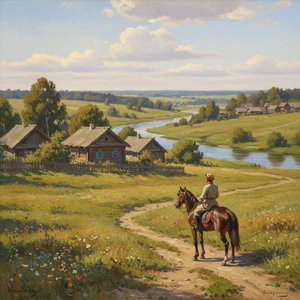
Vasily Polenov: A Pioneer of Landscape Impressionism & Russian National Identity
Explore the captivating landscapes of Vasily Polenov, a pivotal figure in Russian art history. Discover his lyrical realism, biblical series & influence on Impressionism. Learn about the 'Knight of Beauty' and his enduring legacy.

Paul Cézanne 25 Mesterműve: A Modern Művészet Úttörői | OriginalUniqueArt
Fedezze fel Paul Cézanne 25 legikonikusabb művét! Ismerje meg a posztimpresszionizmus úttörőjének festményeit, technikáját és inspirációit. Vászonképek, portrék, tájképfestmények – minden otthonba. Böngéssze gyűjteményünket a OriginalUniqueArt-on!

Evocations of Place: A Historical Journey Through Landscape Art
Explore the rich history of landscape art with OriginalUniqueArt. Discover renowned artists, movements like Impressionism & Romanticism, and expert guidance for collecting timeless pieces. Find your perfect serene escape today!
