

 Előnézet
 Megosztás
 Megosztás
 Részletek
 Útmutató

 Letöltés
 Hasonló darabok
 X-ray felvétel
 Diavetítés
 Statisztika
Ruins at Nimes
 Oil On Canvas
- WallArt
- Romantic Antiquarianism
 117.0 x 174.0 cm
 Staatliche Museen zu Berlin
 Tovább olvasom
Kézzel készített olajfestmény reprodukció
Kézzel festett olajvastú vászon, az Ön által választott méretben és keretben, művészeink készítik meglévőre. ( Váltás nyomtatványra Áttérés digitális képre)




P118B Ft10

P118H Ft10

P118W Ft10

P438Z Ft10

P508JH Ft12

P508YH Ft12

P805H Ft10

P805Z Ft10

P919BZ Ft10

P919G Ft10

P919XJ Ft10

P959ZH Ft10

P968JZ Ft12

W106C Ft8

W218G Ft10

W218JH Ft8

W218Y Ft10

W307PJ Ft10

W316G Ft10

W316PJ Ft8

W316Y Ft10

W398PJ Ft8

W4111J Ft10

W500HY Ft15

W500JH Ft15

W692G Ft12

W849H Ft8

W940BG Ft15

W953PJ Ft8




Válasszon előre meghatározott méreteink közül, amelyek megfelelnek a műalkotás eredeti arányainak.

Írja be a kívánt szélességet és magasságot, hogy illeszkedjen a keretéhez vagy a falához. Mivel ez kézzel festett alkotás, egy eltérő formájú méret esetén a művész akár festhet is valamivel többet a kép körül, vagy korolathat is belőle — az Ön döntésének megfelelően. A festés megkezdése előtt küldünk egy digitális tervezetet jóváhagyásra. Az oldalon látható kép nem tartalmazza a végeredményt — csak a tervezet mutatja meg a valódi eredményt.
A rendelést követően a OriginalUniqueArt.com csapata e-mailt küld az ügyfélnek az instrukciókért, és biztosít egy előnézeti képet (mockup).
Világszerte elérhető szállítás () 3-4 hét alatt a szokásos 5 hét helyett. (23 október). A minőség nem kérdőjelezhető.

Ingyenes globális expressz szállítás

Prémium minőségű len vászon

Teljes körű szállítási biztosítás

Vámvisszatérítési Garancia

Tökéletes színarányosság garancia

100 napos visszaküldési garancia (csak gyártási hibás termékek esetén)

100% pénzvisszatérítési garancia

Több darab vásárlásakor kedvezmény
 Az üvegkeretes opció csak 110 cm alatti méretben érhető el

Ruins at Nimes
Reprodukciós technika
Reprodukció méretei
-


Összesített ár
Ft 96443
The Poetic Echoes of Antiquity: Ruins at Nimes
To gaze upon Hubert Robert's "Ruins at Nimes" is not merely to observe crumbling stone; it is to step across the threshold of time itself. This masterful depiction transports the viewer into a sun-drenched, yet melancholic, corner of history. The scene unfolds around magnificent remnants of Roman grandeur—a temple boasting colossal columns and a central pediment, all bearing the eloquent scars of centuries. Yet, despite the evident decay, there is an undeniable majesty to the architecture, suggesting a life once vibrant with civic ceremony or sacred devotion. The artist has captured that perfect tension between monumental permanence and inevitable dissolution.
A Study in Romantic Atmosphere and Light
Technically, the painting showcases Robert's unparalleled skill in rendering atmosphere. The interplay of light and shadow is nothing short of breathtaking; one can almost feel the warmth of the Mediterranean sun filtering through the hazy sky. Notice how the artist treats the textures—the rough grit of the aged stone contrasting with the lush, verdant life reclaiming the foreground. In the distance, a graceful bridge spans a tranquil river, drawing the eye deep into the composition and lending an exquisite sense of depth. This careful handling of light transforms mere ruins into a sublime, almost dreamlike vista.
Life Interwoven with History
What elevates this piece beyond a simple architectural study are the figures populating the scene. Dressed in attire evocative of the 18th century, these strolling visitors—some carrying umbrellas, others simply observing—provide an immediate sense of scale and narrative. They are not mere props; they are witnesses to history, lending a human touch to the monumental silence of the ruins. This juxtaposition—the fleeting presence of contemporary life against the backdrop of immutable antiquity—is central to the painting's emotional resonance.
Symbolism and Enduring Allure
For the connoisseur, "Ruins at Nimes" speaks volumes about the passage of time itself. The ruins symbolize the transience of human endeavor, a poignant reminder that even the greatest empires eventually yield to nature’s slow embrace. Yet, this melancholy is tempered by a profound sense of peace. It suggests that beauty persists, not just in flawless construction, but in the very act of endurance—the way nature softens the edges of man's ambition. Owning a reproduction allows one to curate this feeling: a sophisticated nod to classical learning mixed with the romantic yearning for what once was.
Bringing the Grandeur Home
Whether adorning an academic study, a grand drawing-room, or a space that calls for intellectual depth, this artwork offers unparalleled gravitas. Its rich detail and masterful composition make it a focal point that invites contemplation. To reproduce such a piece is to invite a conversation about history, beauty, and the enduring poetry found where civilization meets wilderness.
Gyakran Ismételt Kérdések
Milyen formátumú és méretű a "Ruins at Nimes"?
A „Ruins at Nimes”, Hubert Robert alkotása egy 117 x 174 cm méretű, Landscape formátumú alkotás.
Hol vásárolhatok egy nyomtatványt a(z) „Ruins at Nimes”, Hubert Robert alkotása alkotásból?
A „Ruins at Nimes”, Hubert Robert alkotása nyomata közvetlenül a következő oldalon rendelhető meg: Minőségi műalkotás nyomat: minőségi giclée nyomat pamutvászonon vagy archiváló vászonpapíron.
Hol tudom letölteni a(t) „Ruins at Nimes”, Hubert Robert alkotása?
A „Ruins at Nimes”, Hubert Robert alkotása képe letölthető a mű alkotásának Letöltés oldaláról: magas felbontású digitális kép letöltés.
A művész életrajza
A Painter of Ruins and Visions: The World of Hubert Robert
Hubert Robert, a name inextricably linked to evocative landscapes and the romantic allure of ruins, occupies a unique and profoundly influential position in 18th-century French art. Born in Paris in 1733, his life unfolded against a backdrop of dramatic artistic shifts—from the opulent excesses of the Rococo to the burgeoning ideals of Neoclassicism—and was deeply shaped by the tumultuous events of the French Revolution. Robert wasn’t merely documenting decay; he was meticulously crafting visions, skillfully blending astute observation with boundless imagination to create scenes that resonated with a poignant nostalgia for the past and an anticipatory awareness of the future. His artistic journey began within the structured confines of formal training, initially under the tutelage of the sculptor Michel-Ange Slodtz, who recognized Robert’s considerable talent but wisely steered him towards painting, sensing his true calling lay in capturing the ephemeral beauty of light, atmosphere, and the subtle poetry inherent in form.Roman Reveries: Shaping an Artistic Identity
The defining moment in Robert's artistic development arrived with his extended sojourn to Rome between 1754 and 1765. Accompanying Étienne-François de Choiseul, he immersed himself completely within the ancient city’s captivating world—a realm steeped in history, architectural grandeur, and a palpable sense of timelessness. This wasn't simply about replicating what he observed; it was an intensely transformative experience that fundamentally shaped his artistic sensibilities. For eleven years, Rome became his open-air studio, its crumbling temples, majestic arches, and overgrown gardens relentlessly fueling his imagination. He worked closely with Giovanni Paolo Panini, a master of *capriccio* compositions—fantastical views that juxtaposed classical ruins with contemporary life—but Robert quickly surpassed mere imitation, developing a distinctly personal style characterized by an almost obsessive attention to detail, a masterful command of atmospheric perspective, and a profound sensitivity to the interplay of light and shadow. He wasn’t merely painting ruins; he was capturing time itself, distilling its essence into evocative scenes that hinted at both loss and enduring beauty. His extensive sketchbook collection from this period—filled with meticulously rendered studies of Roman landmarks such as the Villa d'Este and Caprarola—provides invaluable insight into his artistic process and reveals a keen eye for architectural nuance and landscape composition. These sketches weren’t preparatory drawings; they were, in essence, finished paintings in miniature, demonstrating Robert’s ability to capture not just the appearance but also the *feeling* of a place.Parisian Acclaim and Royal Patronage
Robert's triumphant return to Paris in 1765 marked a significant turning point in his career. He swiftly gained recognition within the established artistic circles, securing admission to the Académie Royale de Peinture et de Sculpture with “The Port of Rome, Ornamented with Different Monuments of Architecture, Ancient and Modern.” This monumental work immediately captivated audiences and critics alike, showcasing Robert’s remarkable ability to synthesize his Roman experiences into a compellingly theatrical composition. His subsequent exhibitions at the Salon—the official art exhibition of the Académie Royale—garnered widespread acclaim, drawing considerable attention to his evocative depictions of ruins, picturesque landscapes, and fantastical *capriccio* scenes. The influential critic Denis Diderot famously lauded Robert’s paintings for their ability to transport viewers to another time and place, recognizing his profound skill in evoking a sense of nostalgia and wonder. This burgeoning success quickly led to royal patronage—a testament to the esteem in which he was held by the French court. He received commissions for decorative projects within the Palace of Versailles and was subsequently appointed “Designer of the King’s Gardens,” a prestigious position that further elevated his status. Later, he became “Keeper of the King's Pictures,” responsible for overseeing the collection and ensuring its proper care—a role that underscored his expertise and dedication to preserving France’s artistic heritage.Revolution, Resilience, and Lasting Legacy
The French Revolution presented an unprecedented and profoundly challenging period for Robert and the entire artistic community. While many artists struggled to navigate the politically volatile climate, Robert demonstrated remarkable resilience and continued to paint prolifically throughout this tumultuous era. He even endured a harrowing imprisonment during the Reign of Terror—a terrifying experience that nonetheless seemed to fuel his creative spirit, resulting in a series of poignant drawings documenting his confinement. Following the Revolution, Robert was appointed curator of the newly established Muséum Central des Arts—the future Musée du Louvre—a remarkable recognition of his expertise and unwavering commitment to safeguarding France’s cultural treasures for generations to come. He played a crucial role in organizing and cataloging the museum's vast collection, ensuring that its artistic legacy would endure. Hubert Robert died in Paris in 1808, leaving behind an extraordinary body of work—a testament to his exceptional talent, innovative vision, and enduring influence on French art. His legacy extends far beyond mere technical skill; he pioneered a genre of painting that celebrated both the beauty of decay and the timeless power of human creativity, bridging the gap between the Rococo and Neoclassical periods and anticipating many of the key characteristics of Romanticism with his fascination for history, imagination, and the evocative portrayal of lost worlds.- Key Influences: Giovanni Paolo Panini, Piranesi, the architectural landscape of Rome.
- Major Themes: Ruins, landscapes, *capriccio* paintings, historical memory, the passage of time.
- Artistic Style: Meticulous detail, atmospheric perspective, evocative lighting, blending observation with imagination.
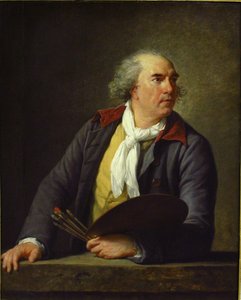
Hubert Robert
1733 - 1808 , Franciaország
Gyors információk
- Artistic Movement Or Style: Római iskola, romantika
- Artists Or Movements Influenced By This Artist: ['Romantika']
- Artists Who Influenced This Artist:
- Giovanni Panini
- Piranesi
- Date Of Birth: 1733. május 22.
- Date Of Death: 1808. április 15.
- Full Name: Hubert Robert
- Nationality: Francia
- Notable Artworks:
- Római kikötő
- Galatea repülése
- Place Of Birth: Párizs, Franciaország
Kapcsolódó cikkek

John Constable 25 Mesterműve: A Természet Lényege Vászonon – OriginalUniqueArt.com
Fedezze fel John Constable 25 legszebb művészeti alkotását! Ismerje meg a romantika ikonikus tájképeit, Dedham Vale szépségét és a természet lenyűgöző ábrázolásait. Vászonkép reprodukcióinkkal eleganciát csempészhet otthonába – OriginalUniqueArt.com

Evocations of Place: A Historical Journey Through Landscape Art
Explore the rich history of landscape art with OriginalUniqueArt. Discover renowned artists, movements like Impressionism & Romanticism, and expert guidance for collecting timeless pieces. Find your perfect serene escape today!
Capturing Eternal Glory: Impressionist Visions of the Roman Empire's Timeless Grandeur
Explore the breathtaking intersection of Roman grandeur and Impressionist light. Discover how masters like Monet reimagined classical ruins through vibrant, emotive brushstrokes. A cultural journey for true art lovers seeking to bring eternal glory into their homes.

Hubert Robert: Picturing Ruins, Preserving Memory – A Study of Romantic Antiquarianism & Artistic Innovation
Explore the captivating world of Hubert Robert, master of Romantic landscape painting & 'capriccio' ruins. Discover his historical context, artistic innovations, and collecting insights with OriginalUniqueArt.

A Romantikus Tájképfestészet 10 Legikonikusabb Műalkotása – OriginalUniqueArt.com
Fedezze fel a romantikus tájképfestészet 10 legikonikusabb műalkotását! Caspar David Friedrich, J.M.W. Turner és más mesterek festményeinek története – inspiráló olajfestmények otthonába. OriginalUniqueArt.com: múzeumi minőségű reprodukciók és egyedi dekorációk online.


