

 Előnézet
 Megosztás
 Megosztás
 Részletek
 Útmutató

 Letöltés
 Hasonló darabok
 X-ray felvétel
 Diavetítés
 Statisztika
Ruin Capriccio
 Acrylic On Canvas
- WallArt
- Romanticism
 1786
1786- 19th Century
 41.0 x 31.0 cm
 Academy of Fine Arts Vienna
 Tovább olvasom
Giclée / Műnyomat
Múzeumi minőségű giclée vagy vászonnyomat, gyors gyártással és rugalmas finomítási lehetőségekkel. ( Kézzel festett másolat vásárlása Áttérés digitális képre)




P118B Ft10

P118H Ft10

P118W Ft10

P438Z Ft10

P508JH Ft12

P508YH Ft12

P805H Ft10

P805Z Ft10

P919BZ Ft10

P919G Ft10

P919XJ Ft10

P959ZH Ft10

P968JZ Ft12

W106C Ft8

W218G Ft10

W218JH Ft8

W218Y Ft10

W307PJ Ft10

W316G Ft10

W316PJ Ft8

W316Y Ft10

W398PJ Ft8

W4111J Ft10

W500HY Ft15

W500JH Ft15

W692G Ft12

W849H Ft8

W940BG Ft15

W953PJ Ft8




Válasszon előre meghatározott méreteink közül, amelyek megfelelnek a műalkotás eredeti arányainak.

Type the width and the height you need, to fit your frame or your wall. A print can only be cut, never made bigger than the picture, so a size with a different shape loses a part of the image. We send you a digital mockup to approve before we print anything. The picture shown on this page does not show the real cut — only the mockup does.
Világszerte történő kiszállítás területére mindössze 2 hét alatt, a szokásos 4-5 hét helyett. (15 október)

Ingyenes globális expressz szállítás

Prémium minőségű len vászon

Teljes körű szállítási biztosítás

Vámvisszatérítési Garancia

Tökéletes színarányosság garancia

100 napos visszaküldési garancia (csak gyártási hibás termékek esetén)

100% pénzvisszatérítési garancia

Több darab vásárlásakor kedvezmény
 Az üvegkeretes opció csak 110 cm alatti méretben érhető el

Ruin Capriccio
Giclée / Műnyomat
Reprodukció méretei
-


Összesített ár
Ft 25362
Hubert Robert: The Poet of Ruins
Hubert Robert (1733-1808) stands as an emblem of the Romantic spirit—a painter who transcended mere documentation, transforming observation into visionary imagination to conjure scenes imbued with both nostalgic longing and anticipatory wonder. Born in Paris amidst a period of dramatic artistic upheaval—from the opulent Rococo’s playful frivolity to the burgeoning Neoclassicism—Robert navigated these stylistic currents, ultimately establishing himself as a pivotal figure in shaping the aesthetic landscape of his era. He wasn't merely depicting decay; he was crafting narratives of time and memory, elevating ruins into symbols of grandeur lost and beauty enduring.- Early Life & Artistic Training: Robert’s formative years were marked by exposure to influential artistic mentors like Michel-Ange Slodtz, who recognized his innate talent but skillfully steered him toward painting—a decision that proved decisive in unlocking Robert's true creative potential. This guidance instilled a foundational understanding of perspective and composition, skills he would hone throughout his prolific career.
- Roman Reveries: Robert’s journey to Rome in 1754 represented more than just a geographical relocation; it signified an immersion into the intellectual fervor of the Enlightenment and a profound fascination with the vestiges of antiquity. His time amongst fellow artists, notably Giovanni Paolo Panini and Giovanni Battista Piranesi—whose techniques he meticulously studied—fueled his artistic vision and cemented his reputation as a master of architectural capricci.
- The Capriccio Genre: Robert’s signature style resided in the genre of capriccio—a technique that deliberately juxtaposed disparate elements—ancient ruins, fantastical landscapes, and idealized figures—to evoke an atmosphere of sublime beauty and melancholy contemplation. This approach distinguished him from his contemporaries who favored more restrained representations of nature, prioritizing emotional resonance over literal accuracy.
- A Painter of Emotion: Robert’s paintings are characterized by a masterful manipulation of light and color, capturing fleeting moments of atmospheric drama with breathtaking sensitivity. He sought to convey not just what he saw but how he felt—a profound awareness of the passage of time and the inevitability of decay—themes that resonated deeply with the Romantic sensibility.
- Legacy & Influence: Robert’s enduring legacy extends beyond his individual artworks; he profoundly impacted subsequent generations of painters, inspiring them to embrace imaginative storytelling and to explore the expressive power of landscape painting. His influence can be discerned in the works of Eugène Delacroix and Caspar David Friedrich—artists who similarly championed the Romantic ideal of sublime beauty and emotional intensity.
Ruin Capriccio: A Study in Light and Memory
“Ruin Capriccio,” executed circa 1786, exemplifies Robert’s artistic philosophy with remarkable clarity. The painting depicts a monumental stone building—likely inspired by the grandeur of Roman ruins—dominated by towering columns and arches bathed in ethereal light. This dramatic illumination serves not merely to illuminate the architectural structure but also to imbue it with an aura of timelessness and melancholy beauty. Scattered throughout the scene are figures—primarily human forms—who appear dwarfed by the scale of the ruin, emphasizing the insignificance of human existence against the backdrop of geological time.Robert’s meticulous attention to detail—evident in the rendering of textures, drapery folds, and atmospheric haze—underscores his commitment to capturing not just visual appearances but also emotional impressions. The artist skillfully employs chiaroscuro—the interplay between light and shadow—to heighten dramatic tension and to create a sense of depth that draws the viewer into the scene’s contemplative mood.
Symbolism & Context: Echoes of Antiquity and Romantic Idealism
The choice of ruins as subject matter was deliberate, reflecting Robert's fascination with the vestiges of classical civilization—a preoccupation that mirrored the broader intellectual currents of the Enlightenment. Ruins served as potent symbols of grandeur lost, reminding viewers of the impermanence of earthly achievements and prompting reflection on mortality. Simultaneously, Robert’s depiction aligns perfectly with the tenets of Romantic idealism—a movement characterized by an emphasis on emotion, imagination, and the sublime—values that championed the beauty of untamed nature and the contemplation of profound spiritual truths.Technical Mastery & Artistic Innovation
Robert's technique was distinguished by its virtuosity—particularly his command of perspective and atmospheric effects. He achieved remarkable realism through painstaking observation, meticulously recreating textures and colors with unparalleled accuracy. Yet, he never sacrificed artistic expression for mere imitation; rather, he skillfully manipulated visual elements to convey emotional resonance and to evoke a sense of wonder. His innovative approach to landscape painting solidified Robert’s position as one of the foremost artists of his time—a testament to his unwavering dedication to pushing the boundaries of artistic convention.Gyakran Ismételt Kérdések
Milyen nyomtatási méretet javasolunk a(z) „Ruin Capriccio”, Hubert Robert alkotása alkotáshoz?
A „Ruin Capriccio”, Hubert Robert alkotása alkotáshoz egy Large méretű reprodukciót javasolunk. A méret az arányok megőrzésével módosítható.
Szabad-e jogilag másolni a(z) Academy of Fine Arts Vienna múzeum collectionsében található „Ruin Capriccio”, Hubert Robert alkotása alkotást?
A „Ruin Capriccio”, Hubert Robert alkotása, mely a Academy of Fine Arts Vienna gyűjteményében található, a joghallgatói schützenesség körébe tartozik – a szerzői jog lejártt státuszú. Ez a státusz határozza meg, hogy a kép másolható-e.
Mikor készült a(z) „Ruin Capriccio”, Hubert Robert alkotása?
A „Ruin Capriccio”, Hubert Robert alkotása alkotásának éve 1786.
A művész életrajza
A Painter of Ruins and Visions: The World of Hubert Robert
Hubert Robert, a name inextricably linked to evocative landscapes and the romantic allure of ruins, occupies a unique and profoundly influential position in 18th-century French art. Born in Paris in 1733, his life unfolded against a backdrop of dramatic artistic shifts—from the opulent excesses of the Rococo to the burgeoning ideals of Neoclassicism—and was deeply shaped by the tumultuous events of the French Revolution. Robert wasn’t merely documenting decay; he was meticulously crafting visions, skillfully blending astute observation with boundless imagination to create scenes that resonated with a poignant nostalgia for the past and an anticipatory awareness of the future. His artistic journey began within the structured confines of formal training, initially under the tutelage of the sculptor Michel-Ange Slodtz, who recognized Robert’s considerable talent but wisely steered him towards painting, sensing his true calling lay in capturing the ephemeral beauty of light, atmosphere, and the subtle poetry inherent in form.Roman Reveries: Shaping an Artistic Identity
The defining moment in Robert's artistic development arrived with his extended sojourn to Rome between 1754 and 1765. Accompanying Étienne-François de Choiseul, he immersed himself completely within the ancient city’s captivating world—a realm steeped in history, architectural grandeur, and a palpable sense of timelessness. This wasn't simply about replicating what he observed; it was an intensely transformative experience that fundamentally shaped his artistic sensibilities. For eleven years, Rome became his open-air studio, its crumbling temples, majestic arches, and overgrown gardens relentlessly fueling his imagination. He worked closely with Giovanni Paolo Panini, a master of *capriccio* compositions—fantastical views that juxtaposed classical ruins with contemporary life—but Robert quickly surpassed mere imitation, developing a distinctly personal style characterized by an almost obsessive attention to detail, a masterful command of atmospheric perspective, and a profound sensitivity to the interplay of light and shadow. He wasn’t merely painting ruins; he was capturing time itself, distilling its essence into evocative scenes that hinted at both loss and enduring beauty. His extensive sketchbook collection from this period—filled with meticulously rendered studies of Roman landmarks such as the Villa d'Este and Caprarola—provides invaluable insight into his artistic process and reveals a keen eye for architectural nuance and landscape composition. These sketches weren’t preparatory drawings; they were, in essence, finished paintings in miniature, demonstrating Robert’s ability to capture not just the appearance but also the *feeling* of a place.Parisian Acclaim and Royal Patronage
Robert's triumphant return to Paris in 1765 marked a significant turning point in his career. He swiftly gained recognition within the established artistic circles, securing admission to the Académie Royale de Peinture et de Sculpture with “The Port of Rome, Ornamented with Different Monuments of Architecture, Ancient and Modern.” This monumental work immediately captivated audiences and critics alike, showcasing Robert’s remarkable ability to synthesize his Roman experiences into a compellingly theatrical composition. His subsequent exhibitions at the Salon—the official art exhibition of the Académie Royale—garnered widespread acclaim, drawing considerable attention to his evocative depictions of ruins, picturesque landscapes, and fantastical *capriccio* scenes. The influential critic Denis Diderot famously lauded Robert’s paintings for their ability to transport viewers to another time and place, recognizing his profound skill in evoking a sense of nostalgia and wonder. This burgeoning success quickly led to royal patronage—a testament to the esteem in which he was held by the French court. He received commissions for decorative projects within the Palace of Versailles and was subsequently appointed “Designer of the King’s Gardens,” a prestigious position that further elevated his status. Later, he became “Keeper of the King's Pictures,” responsible for overseeing the collection and ensuring its proper care—a role that underscored his expertise and dedication to preserving France’s artistic heritage.Revolution, Resilience, and Lasting Legacy
The French Revolution presented an unprecedented and profoundly challenging period for Robert and the entire artistic community. While many artists struggled to navigate the politically volatile climate, Robert demonstrated remarkable resilience and continued to paint prolifically throughout this tumultuous era. He even endured a harrowing imprisonment during the Reign of Terror—a terrifying experience that nonetheless seemed to fuel his creative spirit, resulting in a series of poignant drawings documenting his confinement. Following the Revolution, Robert was appointed curator of the newly established Muséum Central des Arts—the future Musée du Louvre—a remarkable recognition of his expertise and unwavering commitment to safeguarding France’s cultural treasures for generations to come. He played a crucial role in organizing and cataloging the museum's vast collection, ensuring that its artistic legacy would endure. Hubert Robert died in Paris in 1808, leaving behind an extraordinary body of work—a testament to his exceptional talent, innovative vision, and enduring influence on French art. His legacy extends far beyond mere technical skill; he pioneered a genre of painting that celebrated both the beauty of decay and the timeless power of human creativity, bridging the gap between the Rococo and Neoclassical periods and anticipating many of the key characteristics of Romanticism with his fascination for history, imagination, and the evocative portrayal of lost worlds.- Key Influences: Giovanni Paolo Panini, Piranesi, the architectural landscape of Rome.
- Major Themes: Ruins, landscapes, *capriccio* paintings, historical memory, the passage of time.
- Artistic Style: Meticulous detail, atmospheric perspective, evocative lighting, blending observation with imagination.
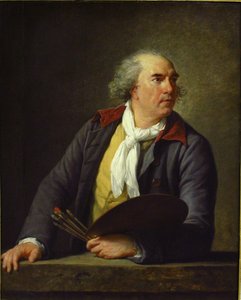
Hubert Robert
1733 - 1808 , Franciaország
Gyors információk
- Artistic Movement Or Style: Római iskola, romantika
- Artists Or Movements Influenced By This Artist: ['Romantika']
- Artists Who Influenced This Artist:
- Giovanni Panini
- Piranesi
- Date Of Birth: 1733. május 22.
- Date Of Death: 1808. április 15.
- Full Name: Hubert Robert
- Nationality: Francia
- Notable Artworks:
- Római kikötő
- Galatea repülése
- Place Of Birth: Párizs, Franciaország
Kapcsolódó cikkek

A Romantikus Tájképfestészet 10 Legikonikusabb Műalkotása – OriginalUniqueArt.com
Fedezze fel a romantikus tájképfestészet 10 legikonikusabb műalkotását! Caspar David Friedrich, J.M.W. Turner és más mesterek festményeinek története – inspiráló olajfestmények otthonába. OriginalUniqueArt.com: múzeumi minőségű reprodukciók és egyedi dekorációk online.

Hubert Robert: Picturing Ruins, Preserving Memory – A Study of Romantic Antiquarianism & Artistic Innovation
Explore the captivating world of Hubert Robert, master of Romantic landscape painting & 'capriccio' ruins. Discover his historical context, artistic innovations, and collecting insights with OriginalUniqueArt.

Evocations of Place: A Historical Journey Through Landscape Art
Explore the rich history of landscape art with OriginalUniqueArt. Discover renowned artists, movements like Impressionism & Romanticism, and expert guidance for collecting timeless pieces. Find your perfect serene escape today!

The Sublime and the Picturesque: Exploring Emotion & Nature in Romantic Landscape Painting
Explore the emotional power of Romantic landscape painting! Discover the sublime & picturesque traditions, key artists like Friedrich & Cole, and find your perfect artwork at OriginalUniqueArt.
The Sublime and the Picturesque: Exploring Emotion & Nature in Romantic Landscape Painting
Explore the emotional power of Romantic landscape painting! Discover the sublime & picturesque aesthetics, key artists like Friedrich & Cole, and lasting influence on art history. Find your perfect piece at OriginalUniqueArt.


