Megtekintés
 Küldés
 Megosztás
 Részletek

 Letöltés
 Hasonló darabok
 X-ray felvétel
 Diavetítés
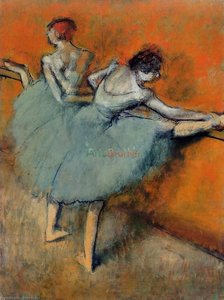
Dancer Bowing
 Acrylic On Canvas
- WallArt
- Impressionistic Realism
 1998
1998- 19th Century
 23.0 x 17.0 cm
 Tel Aviv Művészeti Múzeum
 Összes részlet megjelenítése
Giclée / Műnyomat
Múzeumi minőségű giclée vagy vászonnyomat, gyors gyártással és rugalmas finomítási lehetőségekkel. ( Kézzel festett másolat rendelése Kép letöltése)




P118B $10

P118H $10

P118W $10

P438Z $10

P508JH $12

P508YH $12

P805H $10

P805Z $10

P919BZ $10

P919G $10

P919XJ $10

P959ZH $10

P968JZ $12

W106C $8

W218G $10

W218JH $8

W218Y $10

W307PJ $10

W316G $10

W316PJ $8

W316Y $10

W398PJ $8

W4111J $10

W500HY $15

W500JH $15

W692G $12

W849H $8

W940BG $15

W953PJ $8




Válasszon előre meghatározott méreteink közül, amelyek megfelelnek a műalkotás eredeti arányainak.

Megadhat saját méreteket is egy konkrét kerethez vagy helyszínhez igazítva. Amennyiben a kiválasztott méret nem egyezik az eredeti kép arányokkal, a műalkotást le fogjuk vágni, vagy kiegészítjük a képet tükrözött vagy egyszínű szélekkel. A gyártás megkezdése előtt egy digitális tervezetet küldünk jóváhagyásra.
Kérjük, vegye figyelembe, hogy a képernyőn látható előnézet nem tükrözi a tényleges levágást vagy kiegészítést. Csak a tervezet mutatja pontosan a végső kompozíciót.
Bár az egyedi méretek is elérhetőek, az eredeti arányok megőrzése érdekében azt javasoljuk, hogy válasszon a előre meghatározott listából származó méretet.
Világszerte történő kiszállítás területére mindössze 2 hét alatt, a szokásos 4-5 hét helyett. (29 augusztus)

Ingyenes globális expressz szállítás

Prémium minőségű len vászon

Teljes körű szállítási biztosítás

Vámvisszatérítési Garancia

Hiteles színpontosság garancia

60 napos visszaküldési lehetőség (csak hibás termékek esetén)

100% pénzvisszatérítési garancia

Több darab vásárlása esetén kedvezmény
 Az üvegkeretes opció csak 110 cm alatti méretben érhető el

Dancer Bowing
Giclée / Műnyomat
Reprodukció mérete
-


Összesített ár
$ 80
A Study in Graceful Motion: Exploring Degas’s Dancer Bowing
The bronze sculpture “Dancer Bowing,” created by Hilaire Germain Edgar Degas around 1878, stands as a testament to the artist's unwavering fascination with capturing fleeting moments of movement and emotion. More than just a depiction of dance—though undeniably masterful in its portrayal—the piece embodies a broader philosophical inquiry into the human condition, reflecting Degas’s dual commitment to realism and Impressionism. This juxtaposition is precisely what elevates “Dancer Bowing” beyond mere visual representation; it invites contemplation on themes of vulnerability, grace, and the ephemeral beauty inherent in everyday life.The Artist's Vision: Realism Informed by Observation
Degas rejected the label of Impressionist, preferring to describe his approach as rooted in meticulous observation—a cornerstone of his artistic practice. Unlike Impressionists who sought to capture atmospheric effects primarily through color, Degas focused on anatomical accuracy and precise rendering of form. He spent countless hours studying dancers at the Paris Opera Ballet, painstakingly sketching them from life, capturing not just their posture but also subtle shifts in muscle tension and expression. This dedication to realism wasn’t driven by a desire for photographic likeness; rather, it stemmed from Degas's conviction that true artistic insight could only emerge from an honest engagement with reality. As he famously stated, “I don’t paint what I see; I paint what I feel.”Technique and Material: Bronze as Medium of Expression
The sculpture itself is crafted from bronze—a material chosen deliberately by Degas for its ability to convey both solidity and fluidity. The artist employed a technique known as *lost wax casting*, a process that involves creating a mold from wax, pouring molten metal into the mold, allowing the wax to burn away, and then reheating the remaining metal to solidify it into the final form. This method allowed Degas to achieve remarkable detail while maintaining structural integrity—a crucial consideration given the sculpture’s dynamic pose. The surface finish is subtly textured, enhancing the visual richness of the piece and contributing to its overall expressive quality. Careful polishing reveals the bronze's inherent luster, highlighting its sculptural contours and emphasizing the dancer’s graceful curve.Historical Context: Ballet Reform and Artistic Innovation
“Dancer Bowing” emerged during a period of significant reform within the ballet world—a movement spearheaded by Sergei Diaghilev to revitalize Russian ballet and introduce avant-garde artistic concepts into classical performance. Degas's involvement with Diaghilev’s Ballets Russes marked a pivotal moment in his career, exposing him to new influences and propelling him toward bolder stylistic explorations. The sculpture reflects this broader cultural shift—a willingness to challenge conventions and embrace experimentation as pathways to artistic advancement. It stands alongside other works produced during the Ballets Russes era, demonstrating Degas’s contribution to a movement that sought to redefine ballet's aesthetic boundaries.Symbolism and Emotional Resonance: Capturing the Essence of Performance
Beyond its technical prowess and historical significance, “Dancer Bowing” resonates deeply with viewers on an emotional level. The dancer’s bowed posture—a gesture signifying respect and acknowledgment—suggests a vulnerability that contrasts sharply with the sculpture's muscular form. This duality encapsulates Degas’s artistic preoccupation with portraying human emotion amidst physical constraints. The pose itself embodies grace, poise, and unwavering concentration—qualities associated with the ballet performer’s dedication to craft and artistry. Ultimately, “Dancer Bowing” invites us to contemplate not just the beauty of movement but also the profound capacity for human expression—a timeless theme that continues to captivate audiences today.A művész életrajza
A Life Immersed in Movement
Edgar Degas, born Hilaire-Germain-De Gas in Paris on July 19, 1834, remains one of the most intriguing and complex figures in French art history. Often associated with Impressionism, a label he actively resisted, Degas was fundamentally a realist—a meticulous observer of the world around him, dedicated to portraying it with startling honesty and a unique visual language. His early life, comfortably bourgeois thanks to his banker father’s wealth and his mother's Creole background, provided him with access to education and artistic training, though he often felt constrained by academic expectations. Initially enrolled at the Lycée Louis-le-Grand, Degas’s true education began in the Louvre, where he spent countless hours copying works by masters like Raphael and Rembrandt, honing his skills and developing a deep appreciation for classical form. However, this wasn't simply imitation; it was a process of intense study and critical engagement with artistic tradition—a foundation upon which he would later build his own distinctive style. His father’s encouragement, recognizing his son’s innate talent, allowed him to establish a studio within their grand home, providing a space for experimentation and self-discovery.Beyond Impressionism: A Unique Artistic Vision
While many of his contemporaries, including Monet and Renoir, sought to capture the fleeting effects of light outdoors, Degas largely worked within the confines of his Parisian studio. His subject matter was decidedly modern—a departure from the historical or mythological scenes favored by traditional academic painters. He found inspiration in the vibrant, often overlooked details of everyday Parisian life: the bustling activity of laundresses at the Seine, the alluring figures of cabaret singers and dancers, the quiet elegance of milliners crafting their creations. It is this fascination with ballet that defines much of his oeuvre—a world of grueling rehearsals, physical strain, and fleeting moments of grace amidst a demanding profession. Degas didn’t simply paint beautiful ballerinas; he captured the *reality* of their lives, revealing both their beauty and their hardship. His compositions are often unconventional, cropping figures in unexpected ways, utilizing asymmetrical arrangements, and employing a dynamic sense of movement that draws the viewer into the scene. He was particularly adept at capturing the subtle nuances of gesture and expression, conveying not just what he saw but also *how* it felt to be present in those moments. His work is characterized by an intimate, almost voyeuristic perspective, as if he were a silent observer privy to private dramas unfolding before him.Influences and Artistic Development
Degas’s artistic journey was shaped by a remarkably diverse range of influences. His early training emphasized classical principles, particularly the meticulous draftsmanship championed by Jean-Auguste-Dominique Ingres, whose emphasis on precise form and idealized beauty left an indelible mark on his work. However, he also admired the Realist movement, spearheaded by artists like Gustave Courbet, who challenged academic conventions and sought to depict contemporary life with unflinching honesty. A pivotal moment in his development came through his association with Camille Pissarro, a leading Impressionist who encouraged him to experiment with new techniques and broadened his artistic horizons. Degas was deeply captivated by Japanese prints—Ukiyo-e—which exerted a profound influence on his compositions, color palettes, and use of asymmetrical arrangements. He studied the bold lines, flattened perspectives, and decorative patterns of these woodblock prints, incorporating them into his own work to create a sense of dynamism and visual interest. Furthermore, Degas embraced photography as a tool for studying movement and capturing fleeting moments in time—a technique he skillfully integrated into his paintings, particularly his depictions of dancers. He wasn’t simply copying what he saw; he was actively synthesizing diverse influences into something entirely new and uniquely his own.Major Works and Techniques
Degas's artistic output spanned a remarkable range of subjects and media. His paintings of ballet dancers—such as *The Dance Class*, *Little Dancer on the Bar* (bronze sculpture), and *L’Étoile*—are arguably his most famous works, capturing the intensity of rehearsals and the fleeting beauty of performance with unparalleled skill. He also produced a significant body of pastel drawings, often depicting scenes from Parisian life—laundresses at work, milliners displaying their wares, and street vendors hawking their goods. His use of pastels was particularly innovative, employing a loose, expressive technique that captured the immediacy of observation. Beyond painting and sculpture, Degas also experimented with monotypes (unique prints) and drypoint etchings, further expanding his artistic repertoire. His ability to capture movement—not through blurred lines or hazy effects, but through precise observation and careful rendering of form—is a hallmark of his work.Legacy and Lasting Impact
Edgar Degas died in Paris on September 27, 1917, leaving behind a vast and influential body of work that continues to captivate audiences today. He paved the way for future generations of artists who sought to break free from traditional conventions and explore new ways of representing the world around them. His innovative approach to composition, his masterful draftsmanship, and his unflinching portrayal of modern life have had a profound impact on the course of art history. He wasn’t merely a painter of dancers or racehorses; he was a keen observer of human nature, a master of form and movement, and a true innovator who redefined the possibilities of art. His influence can be seen in the work of Pablo Picasso and Henri Matisse, among others, solidifying his place as one of the most important figures in modern art.- Innovative Composition: Degas frequently employed unconventional cropping and asymmetrical arrangements.
- Capturing Movement: He masterfully depicted movement through precise observation and rendering.
- Diverse Subject Matter: His work encompassed ballet, Parisian life, and horse racing.
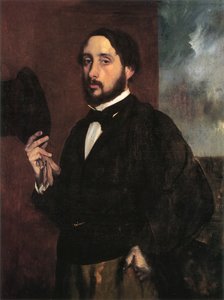
hilaire-germain-edgar degas
1834 - 1917 , Franciaország
A művészről röviden
- Artistic Movement Or Style: Impressionizmus, Realizmus
- Artists Or Movements Influenced By This Artist:
- Picasso
- Matisse
- Artists Who Influenced This Artist:
- Ingres
- Courbet
- Pissarro
- Date Of Birth: 1834. július 19.
- Date Of Death: 1917. szeptember 27.
- Full Name: Hilaire-Germain-Edgar De Gas
- Nationality: Francia
- Notable Artworks:
- Táncosok csoportja
- A táncmester
- Kávéházi jelenet
- Place Of Birth: Párizs, Franciaország
Kapcsolódó cikkek

Edgar Degas: Capturing Modern Life – A Study of Movement, Observation, and the Parisian Belle Époque
Explore the captivating world of Edgar Degas! Discover his innovative techniques, iconic ballet paintings, and unique portrayal of Parisian life in this insightful art history study.

The Subtleties of Pastel: A Comprehensive Exploration of Technique, History & Emotional Resonance
Explore the captivating world of pastel art! Discover its rich history, Impressionistic masters like Degas, emotional power & unique techniques. Find museum-quality reproductions at OriginalUniqueArt.
The Subdued Radiance of Pastel Palettes: Exploring Emotional Resonance in Art History
Explore the emotional power of pastel palettes in art history! Discover Impressionism, Post-Impressionism & color psychology insights. Find museum-quality reproductions at OriginalUniqueArt.
The Soft Power of Pastel: A Connoisseur's Guide to History, Technique, and the Art of Texture
Explore the ethereal beauty of pastel art. From Renaissance origins to Impressionist mastery, discover the history, technique, and velvety textures that define this luminous medium in our expert guide for art connoisseurs.

Soft Light & Velvet Touch: The Ethereal Magic of Pastel Artistry in Impressionist Masterpieces
Discover the ethereal beauty of pastel art through an Impressionist lens. Explore how masters like Monet and Renoir captured light and velvet textures, and learn to curate a collection of luminous, museum-quality masterpieces for your home.