Előnézet
 Megosztás
 Megosztás
 Részletek
 Útmutató

 Letöltés
 Hasonló darabok
 X-ray felvétel
 Diavetítés
 Statisztika
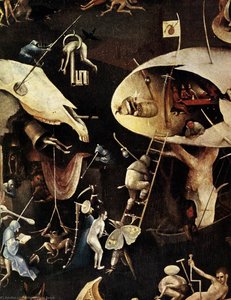
Ecce Homo (detail)


 Tovább olvasom
Giclée / Műnyomat
Múzeumi minőségű giclée vagy vászonnyomat, gyors gyártással és rugalmas finomítási lehetőségekkel. ( Kézzel festett másolat vásárlása Áttérés digitális képre)




P118B Ft10

P118H Ft10

P118W Ft10

P438Z Ft10

P508JH Ft12

P508YH Ft12

P805H Ft10

P805Z Ft10

P919BZ Ft10

P919G Ft10

P919XJ Ft10

P959ZH Ft10

P968JZ Ft12

W106C Ft8

W218G Ft10

W218JH Ft8

W218Y Ft10

W307PJ Ft10

W316G Ft10

W316PJ Ft8

W316Y Ft10

W398PJ Ft8

W4111J Ft10

W500HY Ft15

W500JH Ft15

W692G Ft12

W849H Ft8

W940BG Ft15

W953PJ Ft8




Válasszon előre meghatározott méreteink közül, amelyek megfelelnek a műalkotás eredeti arányainak.

Írja be a keretének vagy a falának megfelelő szélességet és magasságot. A nyomatot csak le lehet vágni, soha nem tehető nagyobbá, mint az eredeti kép, így egy eltérő alakú méretnél a kép egy része elveszik. Mielőtt bármit kinyatintanánk, küldünk egy digitális próbamodellt jóváhagyásra. Az oldalon látható kép nem tartalmazza a valós levágást — ezt csak a próbamodell mutatja meg.
Világszerte történő kiszállítás területére mindössze 2 hét alatt, a szokásos 4-5 hét helyett. (23 október)

Ingyenes globális expressz szállítás

Prémium minőségű len vászon

Teljes körű szállítási biztosítás

Vámvisszatérítési Garancia

Tökéletes színarányosság garancia

100 napos visszaküldési garancia (csak gyártási hibás termékek esetén)

100% pénzvisszatérítési garancia

Több darab vásárlásakor kedvezmény
 Az üvegkeretes opció csak 110 cm alatti méretben érhető el

Ecce Homo (detail)
Giclée / Műnyomat
Reprodukció méretei
-


Összesített ár
Ft 25718
A Moment Frozen in Time: Exploring Hieronymus Bosch’s Ecce Homo Detail
The painting “Ecce Homo” – Latin for “Behold the Man” – is a haunting fragment from Hieronymus Bosch’s monumental triptych, completed around 1475. More than just a depiction of Jesus Christ’s crucifixion, it represents a profound meditation on human suffering and divine compassion, rendered with Bosch's signature blend of meticulous realism and fantastical imagination. This particular detail captures the palpable tension surrounding the figure of Jesus as he is presented to the crowd – a scene charged with religious significance and psychological complexity.The Artist’s Vision: Bosch’s Unique Style
Hieronymus Bosch (c. 1450-1516) stands apart from his contemporaries in Northern Renaissance art. Unlike many artists of his era who adhered to idealized depictions of biblical figures, Bosch embraced a disturbing vision rooted in medieval folklore and Christian mysticism. His style is characterized by an unsettling juxtaposition of naturalistic observation with grotesque imagery – animals transformed into monstrous hybrids, human figures distorted into expressions of agony and ecstasy. This deliberate dissonance wasn’t merely stylistic choice; it served as a powerful tool for conveying Bosch's anxieties about sin, mortality, and the corrupting influence of earthly desires. He meticulously crafted his paintings using oil paint on panel, achieving remarkable detail and luminosity—a technique that allowed him to capture both the physicality of his subjects and the ethereal quality of their spiritual torment.Historical Context: Faith Under Pressure
The triptych itself was commissioned by Willem Boreel, a wealthy Antwerp merchant who sought solace during a period of religious upheaval in Europe. The Protestant Reformation was gaining momentum, challenging papal authority and sparking intense debates about theological interpretation. Bosch’s depiction reflects this climate of uncertainty; the faces of those surrounding Jesus are etched with sorrow and apprehension, mirroring the anxieties felt by many devout Christians grappling with questions of faith and salvation. The inclusion of instruments like a sword and shield speaks to the political tensions of the time – symbols of military might juxtaposed against the vulnerability of Christ on the cross—underscoring Bosch’s awareness of the broader societal landscape.Symbolism: Layers of Meaning Beyond the Visible
Beyond its immediate depiction, “Ecce Homo” is replete with symbolic references that delve into deeper theological concerns. The cup held aloft by one figure represents divine grace – offering solace and redemption to those who acknowledge their failings. Conversely, the expressions on the faces of the onlookers convey a spectrum of emotions: pity, fear, disbelief, and perhaps even contempt. Bosch’s masterful use of color contributes to this symbolic richness; muted tones dominate the scene, emphasizing the solemnity of the occasion while highlighting the luminous glow emanating from Jesus's body—a visual representation of divine holiness amidst human suffering.Emotional Impact: A Portrait of Humanity’s Struggle
“Ecce Homo” continues to resonate with viewers centuries after its creation because it confronts us directly with the fundamental questions of existence. Bosch doesn’t offer easy answers; instead, he compels us to contemplate the horrors of human nature alongside the promise of divine mercy. The painting's unsettling realism combined with fantastical elements creates a visceral experience—one that lingers in the mind long after viewing. It serves as a timeless reminder of our shared vulnerability and the enduring power of faith to illuminate even the darkest corners of the human condition. This detail, like the entire triptych, remains an unforgettable testament to Bosch’s unparalleled artistic genius and his profound engagement with the spiritual anxieties of his time.Gyakran Ismételt Kérdések
Milyen hangulatot árasztana egy „Ecce Homo (detail)”, Hieronymus Bosch alkotása reprodukció egy szobában?
A Dramatic hangulatával a "Ecce Homo (detail)" című alkotás egy Living Room helyiségbe is javasolt.
A „Ecce Homo (detail)”, Hieronymus Bosch alkotása jogtalanul védett (public domain)?
A szerzői jogokkal kapcsolatban a "Ecce Homo (detail)" mű a joghallgatói schützenesség körébe tartozik – a szerzői jog lejártt.
Erős fény-árnyék kontrasztot mutat-e a "Ecce Homo (detail)"?
A „Ecce Homo (detail)”, Hieronymus Bosch alkotása kontrasztszintje Statement.
A művész életrajza
A Netherlandish Enigma: The Life and Art of Hieronymus Bosch
Hieronymus Bosch, eredetileg Jheronimus van Aken, a holland festőművész, akit ma a világ minden táján a szellemi és művészi innovációk mestereiként ismernek. Született 1450-ben ’s-Hertogenboschban, Brabantban – az akkori Hollandia egyik legdinamikusabb városa –, Bosch munkássága egyedülállóan összetett és titokzatos, mely a reneszánszi és a középkorszak elemeit ötvözi. A családja művészettel való hosszú hagyománya – apai nagyszabálya, Jan van Aken, és édesapja, Anthonius van Aken mindketten festők voltak – valószínűleg az ifjabb Bosch számára biztosította a korabeli technikák és stílusok elsajátításának lehetőségét. Ugyanakkor már a legkorai éveiben is eltért a hagyományos vonásoktól, jelezve egy rendkívül kreatív képzeletet, mely meghatározta későbbi művészetét. Bosch életéről kevés információ maradt fenn, a források szinte teljesen hiányosak, ami tovább fokozza a személye és alkotásai körülött kialakuló rejtélyes légkört. Kiderül, hogy feleségül vette Aleyt Goyaerts van den Meerveen-t, de életéről mást nem tudunk róla.Fantastikus Vizuális Világok és Szimbolikus Mélységek
Bosch művészetének azonnal felismerhető jellegét a részletesség és a szokatlanul izzasztó képek keveredése alkotja. Elsősorban olajfestményeket készített, melyek az akkor akkori technikáit tükrözik, fényes színeket és bonyolult textúrákat hozva létre. Bár korai művei befolyásolttatók a holland reneszánszi festészet hagyományait – elsősorban a realisztikus megközelítést és a részletekre való figyelmet –, hamarosan lépett túl az egyszerű utánoztatás fölött, egy mélyen eredeti látásmódot alakított ki. Képei nem csupán valóságot ábrázolnak; allegorikus tájak, melyek bizarr lényekkel, hibrid lényekkel és zavaró jelenetekkel teli – olyanok, mint a rémálmokból származtak. A vallásos témák uralják alkotásait, de gyakran nem egyértelmű bibliai történeteket mutatnak be. Bosch inkább szimbolikus elemeket használ a komplex morális és teológiai kérdések feltárására, gyakran a bűn, az édesatlan örömök törékenysége és a végül bekövetkező Isten ítélése körüli vitákra fókuszálva. A teremtményei – ijesztő démonok, félelemre kelt állatok és furcsa emberi alakok – nem csupán díszítőelemek; ők a rossz sorsát, a szenvedélyt és a lelki korrupciót testesítik meg. A szent és a profán világ keveredése, a széprendő és a groteszk kombinációja egyedülállóan zavaró hatást kelt, melyet ma is csodálkozik a nézők.A Legkiemelkedőbb Művei
Bosch legbefolyásosabb alkotásai közé tartozik A Földi Paradicsom kertje (c. 1490-1510), egy triptichon, mely a művészettörténet egyik legrejtettebb és legvitát ébresztőbb alkotása. A megnyitásakor egy paradicsomi látványt nyújt, mely tele van bizarr lényekkel és zöldellő növényzetet, de az alsó panelben egy szenzációra hajlamos, örömvadász világot ábrázol, míg a jobb oldali panel pedig a pokol ijesztő látleleteit mutatja be. A triptichon nem csupán egy egyszerű kép, hanem egy összetett alegória az emberi alkuról. A Legutóbbi ítélet (c. 1480-1490) pedig a mennyei boldogságot és az égő pokol démonikus jeleneteit mutatja be. A kisebb méretű alkotások, mint például Az Építkező (c. 1495), szintén kiemelkednek Bosch innovatív olajfestési technikáival és a komplex szimbolikával, melyek egy olyan gondolkodó fejét tükröznek, aki folyamatosan foglalkozott hitbeli, erkölcsi és pszichológiai kérdésekkel.Hagyatéka és Folyamatos Hatása
Bosch hatásának azonosítása nehéz feladat, hiszen a művész látásmódja egyedülálló. A történészek többek között a középkorszak folklorikus elemeit, vallási szövegeket – különösen az apokalipszis témájú írásokat –, és az időszak jellemző aggodalmakat, mint például a herettség és társadalmi felzárkóztatást vették figyelembe. Azonban egyértelműen kijelenthető, hogy ezeket a tényezőket ötvözte Bosch, így létrehozva valami teljesen újat és egyedülállóat. Művészetének hatása kétségbeesett. Pieter Bruegel the Elder közvetlenül követte nyomát, hasonló témákat és kompozíciós technikákat alkalmazva, míg későbbi művészeti mozgalmak, mint például a szürrealizmus is merített Bosch álomszerű képeiből és a tudatvizsgálás megközelítéséből. Művei ma is vonzzák a figyelmet és felvetik a kérdéseket, biztosítva Bosch helyét a holland festészet mesterek között és egy olyan művésznek, akinek hatása messze túlmutat az életére. Képei értékes betekintést nyújtanak a 15. század végének és a 16. század elejének vallási, társadalmi és pszichológiai légkörébe, kihívva a hagyományos normákat és újakra irányítva az expresszió formáit.
Hieronymus Bosch
1450 - 1516 , Holland
Gyors információk
- Artistic Movement Or Style: Surrealizmus, Szimbolizmus
- Artists Or Movements Influenced By This Artist: ['Pieter Bruegel']
- Date Of Birth: c. 1450
- Date Of Death: 1516
- Full Name: Hieronymus Bosch
- Nationality: Hollandi
- Notable Artworks:
- A földiek öröme
- Az utolsó ítélet
- Krisztus keresztén jár
- Place Of Birth: Den Bosch, Holland
Kapcsolódó cikkek
Sacred Narratives on Canvas: Exploring Biblical Art Across Centuries
Explore the rich history of biblical art from Giotto to the Renaissance masters. Discover symbolism, techniques & enduring legacies with OriginalUniqueArt – your source for museum-quality reproductions and expert art insights.

Sacred Narratives Embodied: A Comprehensive Exploration of Religious Iconography in Art History
Explore the rich history of religious iconography in art! Discover symbolism, movements & masterpieces from Byzantine to Renaissance periods. Expert insights for collectors and enthusiasts at OriginalUniqueArt.
Hieronymus Bosch: Decoding the Visions of a Netherlandish Master
Explore the captivating world of Hieronymus Bosch! Delve into the symbolism, religious context, and artistic innovation of this Netherlandish master with OriginalUniqueArt's expert analysis. Discover his iconic paintings & lasting influence.
Hieronymus Bosch Mesterművei: A 25 Leglenyűgözőbb Kép a Vászonon – OriginalUniqueArt
Fedezze fel Hieronymus Bosch 25 leglenyűgözőbb művészeti alkotását! Ismerje meg a középkori mester szürrealista világát, a vallásos szimbólumokat és a festmények mögött rejlő történeteket. Vászonképek, reprodukciók – OriginalUniqueArt.com
A Prado Győzelmei: 25 Mestermű, Amelyek Inspirálnak – Vászonképek és Otthoni Dekorációk
Fedezze fel a Prado múzeum 25 legikonikusabb műalkotását! Velázquez, Goya, El Greco és más spanyol mesterek történeteit olvassa el. Vászonképek, barokk festmények, luxus otthoni dekorációk – inspirálódjon OriginalUniqueArt.com-on!