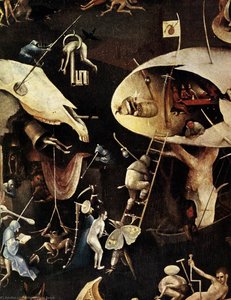
Megtekintés
 Küldés
 Megosztás
 Részletek
 Útmutató

 Letöltés
 Hasonló darabok
 X-ray felvétel
 Diavetítés
 Statisztika
Christ Crowned with Thorns
 Oil On Panel
- Late Gothic
 Renaissance
 165.0 x 195.0 cm
 Monasterio de San Lorenzo
 Összes részlet megjelenítése
Giclée / Műnyomat
Múzeumi minőségű giclée vagy vászonnyomat, gyors gyártással és rugalmas finomítási lehetőségekkel. ( Kézzel festett másolat rendelése Áttérés digitális képre)




P118B Ft10

P118H Ft10

P118W Ft10

P438Z Ft10

P508JH Ft12

P508YH Ft12

P805H Ft10

P805Z Ft10

P919BZ Ft10

P919G Ft10

P919XJ Ft10

P959ZH Ft10

P968JZ Ft12

W106C Ft8

W218G Ft10

W218JH Ft8

W218Y Ft10

W307PJ Ft10

W316G Ft10

W316PJ Ft8

W316Y Ft10

W398PJ Ft8

W4111J Ft10

W500HY Ft15

W500JH Ft15

W692G Ft12

W849H Ft8

W940BG Ft15

W953PJ Ft8




Válasszon előre meghatározott méreteink közül, amelyek megfelelnek a műalkotás eredeti arányainak.

Írja be a keretének vagy a falának megfelelő szélességet és magasságot. A nyomatot csak le lehet vágni, soha nem tehető nagyobbá, mint az eredeti kép, így egy eltérő alakú méretnél a kép egy része elveszik. Mielőtt bármit kinyatintanánk, küldünk egy digitális próbamodellt jóváhagyásra. Az oldalon látható kép nem tartalmazza a valós levágást — ezt csak a próbamodell mutatja meg.
Világszerte történő kiszállítás területére mindössze 2 hét alatt, a szokásos 4-5 hét helyett. (25 október)

Ingyenes globális expressz szállítás

Prémium minőségű len vászon

Teljes körű szállítási biztosítás

Vámvisszatérítési Garancia

Hiteles színarányosság garancia

100 napos visszaküldési lehetőség (csak hibás termékek esetén)

100% pénzvisszatérítési garancia

Több darab vásárlásakor kedvezmény
 Az üvegkeretes opció csak 110 cm alatti méretben érhető el

Christ Crowned with Thorns
Giclée / Műnyomat
Reprodukció mérete
-


Összesített ár
Ft 25642
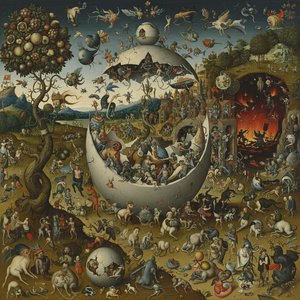
A Vision of Suffering and Divine Mockery: Exploring Hieronymus Bosch’s “Christ Crowned with Thorns”
The painting "Christ Crowned with Thorns," attributed to the enigmatic Netherlandish artist Hieronymus Bosch (1450-1516), stands as a haunting testament to late medieval anxieties and a profoundly unsettling exploration of faith, guilt, and human folly. More than just a depiction of biblical iconography—the crowning of Jesus by thorns—it’s a meticulously crafted visual narrative brimming with symbolism that continues to captivate scholars and inspire artists centuries later. Bosch's oeuvre is characterized by its bizarre landscapes populated by grotesque figures and unsettling juxtapositions, and “Christ Crowned with Thorns” exemplifies this distinctive artistic style perfectly.Style and Technique: A Masterclass in Detail
Bosch’s technique—primarily oil on panel—is remarkable for its astonishing level of detail. He employed a meticulous hatching and stippling method, layering thin glazes of pigment to achieve an unparalleled luminosity and textural richness. This painstaking process allowed him to render every crevice of the thorny crown, every furrowed brow of Jesus’s face, and even the subtle expressions on the faces of those surrounding him with breathtaking accuracy. The artist's mastery extends beyond mere realism; he deliberately distorted proportions and employed fantastical imagery—birds perched atop branches, grotesque animals—to heighten the emotional impact of the scene and convey a sense of otherworldly horror. This stylistic choice wasn’t simply decorative; it served to amplify the psychological drama unfolding before the viewer’s eyes.Historical Context: Fearful Visions of Judgment
Created sometime around 1500, “Christ Crowned with Thorns” emerged during a period marked by intense religious fervor and pervasive fear of divine judgment. The Hussite Wars raged across Bohemia, challenging papal authority and fueling anxieties about heresy and damnation. Bosch’s artistic vision reflects this turbulent climate, portraying Jesus as vulnerable and exposed to the scorn of humanity—a figure stripped bare not only physically but also spiritually. The painting speaks directly to the theological debates surrounding atonement and salvation, questioning whether earthly suffering truly merits divine compassion. Furthermore, it aligns with broader trends in Netherlandish art of the time, which often wrestled with themes of morality, sin, and the consequences of transgression.Symbolism: Layers of Meaning Beyond the Surface
The painting’s symbolism is extraordinarily complex and invites multiple interpretations. The thorny crown itself represents humiliation and suffering—a visual echo of Jesus's crucifixion—but Bosch elevates it to something far more profound. The birds circling above symbolize divine judgment, observing the scene with impassive indifference. Their presence underscores the futility of earthly endeavors in confronting God’s wrath. Similarly, the figures surrounding Christ are depicted as grotesque caricatures of human folly and pride, embodying various sins – avarice, cruelty, and deceit—that contribute to humanity's downfall. Bosch deliberately disrupts conventional religious iconography, transforming it into a disturbing commentary on human nature itself.Emotional Impact: A Confrontation with Darkness
“Christ Crowned with Thorns” is undeniably unsettling. Bosch doesn’t offer comfort or reassurance; instead, he confronts the viewer with an image of profound despair and moral corruption. The painting's muted palette—dominated by browns and ochres—further enhances its oppressive atmosphere. Yet, within this darkness lies a compelling beauty – a testament to Bosch’s unparalleled artistic skill and his ability to distill complex theological ideas into visceral visual experience. It compels contemplation on the nature of faith, guilt, and the inescapable reality of mortality, ensuring that “Christ Crowned with Thorns” remains a powerfully evocative masterpiece for generations to come.Kérdések és válaszok
Mekkora a mérete az eredeti „Christ Crowned with Thorns”, Hieronymus Bosch alkotása alkotásnak?
A(z) "Christ Crowned with Thorns" eredeti mérete 165 x 195 cm. Az eredeti adatok hasznos referenciát nyújtanak a reprodukció méretének kiválasztásakor.
Hol tekinthető meg a(z) "Christ Crowned with Thorns" előnézete?
A „Christ Crowned with Thorns” Előnézet oldalán megtekintheti a művészeti alkotást megrendelés előtt.
Hogyan ötvöli a technika és a stílus magát a "Christ Crowned with Thorns" alkotást?
A "Christ Crowned with Thorns" alkotásban a Oil On Panel technika találkozik a Late Gothic irányzattal.
A művész életrajza
A Netherlandish Enigma: The Life and Art of Hieronymus Bosch
Hieronymus Bosch, eredetileg Jheronimus van Aken, a holland festőművész, akit ma a világ minden táján a szellemi és művészi innovációk mestereiként ismernek. Született 1450-ben ’s-Hertogenboschban, Brabantban – az akkori Hollandia egyik legdinamikusabb városa –, Bosch munkássága egyedülállóan összetett és titokzatos, mely a reneszánszi és a középkorszak elemeit ötvözi. A családja művészettel való hosszú hagyománya – apai nagyszabálya, Jan van Aken, és édesapja, Anthonius van Aken mindketten festők voltak – valószínűleg az ifjabb Bosch számára biztosította a korabeli technikák és stílusok elsajátításának lehetőségét. Ugyanakkor már a legkorai éveiben is eltért a hagyományos vonásoktól, jelezve egy rendkívül kreatív képzeletet, mely meghatározta későbbi művészetét. Bosch életéről kevés információ maradt fenn, a források szinte teljesen hiányosak, ami tovább fokozza a személye és alkotásai körülött kialakuló rejtélyes légkört. Kiderül, hogy feleségül vette Aleyt Goyaerts van den Meerveen-t, de életéről mást nem tudunk róla.Fantastikus Vizuális Világok és Szimbolikus Mélységek
Bosch művészetének azonnal felismerhető jellegét a részletesség és a szokatlanul izzasztó képek keveredése alkotja. Elsősorban olajfestményeket készített, melyek az akkor akkori technikáit tükrözik, fényes színeket és bonyolult textúrákat hozva létre. Bár korai művei befolyásolttatók a holland reneszánszi festészet hagyományait – elsősorban a realisztikus megközelítést és a részletekre való figyelmet –, hamarosan lépett túl az egyszerű utánoztatás fölött, egy mélyen eredeti látásmódot alakított ki. Képei nem csupán valóságot ábrázolnak; allegorikus tájak, melyek bizarr lényekkel, hibrid lényekkel és zavaró jelenetekkel teli – olyanok, mint a rémálmokból származtak. A vallásos témák uralják alkotásait, de gyakran nem egyértelmű bibliai történeteket mutatnak be. Bosch inkább szimbolikus elemeket használ a komplex morális és teológiai kérdések feltárására, gyakran a bűn, az édesatlan örömök törékenysége és a végül bekövetkező Isten ítélése körüli vitákra fókuszálva. A teremtményei – ijesztő démonok, félelemre kelt állatok és furcsa emberi alakok – nem csupán díszítőelemek; ők a rossz sorsát, a szenvedélyt és a lelki korrupciót testesítik meg. A szent és a profán világ keveredése, a széprendő és a groteszk kombinációja egyedülállóan zavaró hatást kelt, melyet ma is csodálkozik a nézők.A Legkiemelkedőbb Művei
Bosch legbefolyásosabb alkotásai közé tartozik A Földi Paradicsom kertje (c. 1490-1510), egy triptichon, mely a művészettörténet egyik legrejtettebb és legvitát ébresztőbb alkotása. A megnyitásakor egy paradicsomi látványt nyújt, mely tele van bizarr lényekkel és zöldellő növényzetet, de az alsó panelben egy szenzációra hajlamos, örömvadász világot ábrázol, míg a jobb oldali panel pedig a pokol ijesztő látleleteit mutatja be. A triptichon nem csupán egy egyszerű kép, hanem egy összetett alegória az emberi alkuról. A Legutóbbi ítélet (c. 1480-1490) pedig a mennyei boldogságot és az égő pokol démonikus jeleneteit mutatja be. A kisebb méretű alkotások, mint például Az Építkező (c. 1495), szintén kiemelkednek Bosch innovatív olajfestési technikáival és a komplex szimbolikával, melyek egy olyan gondolkodó fejét tükröznek, aki folyamatosan foglalkozott hitbeli, erkölcsi és pszichológiai kérdésekkel.Hagyatéka és Folyamatos Hatása
Bosch hatásának azonosítása nehéz feladat, hiszen a művész látásmódja egyedülálló. A történészek többek között a középkorszak folklorikus elemeit, vallási szövegeket – különösen az apokalipszis témájú írásokat –, és az időszak jellemző aggodalmakat, mint például a herettség és társadalmi felzárkóztatást vették figyelembe. Azonban egyértelműen kijelenthető, hogy ezeket a tényezőket ötvözte Bosch, így létrehozva valami teljesen újat és egyedülállóat. Művészetének hatása kétségbeesett. Pieter Bruegel the Elder közvetlenül követte nyomát, hasonló témákat és kompozíciós technikákat alkalmazva, míg későbbi művészeti mozgalmak, mint például a szürrealizmus is merített Bosch álomszerű képeiből és a tudatvizsgálás megközelítéséből. Művei ma is vonzzák a figyelmet és felvetik a kérdéseket, biztosítva Bosch helyét a holland festészet mesterek között és egy olyan művésznek, akinek hatása messze túlmutat az életére. Képei értékes betekintést nyújtanak a 15. század végének és a 16. század elejének vallási, társadalmi és pszichológiai légkörébe, kihívva a hagyományos normákat és újakra irányítva az expresszió formáit.
Hieronymus Bosch
1450 - 1516 , Holland
Rövid információk
- Artistic Movement Or Style: Surrealizmus, Szimbolizmus
- Artists Or Movements Influenced By This Artist: ['Pieter Bruegel']
- Date Of Birth: c. 1450
- Date Of Death: 1516
- Full Name: Hieronymus Bosch
- Nationality: Hollandi
- Notable Artworks:
- A földiek öröme
- Az utolsó ítélet
- Krisztus keresztén jár
- Place Of Birth: Den Bosch, Holland
Kapcsolódó cikkek

The Northern Renaissance: A Flourishing of Realism, Religious Reform & Artistic Innovation
Explore the Northern Renaissance! Discover Jan van Eyck's innovations, religious shifts, & key artists of this influential period. Expert analysis and insights into Early Netherlandish painting at OriginalUniqueArt.
A müncheni Alte Pinakothek 25 Mesterműve: Klasszikus festmények otthonra – OriginalUniqueArt.com
Fedezze fel a müncheni Alte Pinakothek 25 legikonikusabb művészeti remekművét! Reneszánsz és barokk festmények, Leonardo da Vinci, Dürer alkotásai – inspiráló történetek és magas minőségű reprodukciók. Otthonra vagy ajándékba? OriginalUniqueArt.com-on minden megtalálható!
Northern Mannerism: The Dramatic Evolution of Renaissance Art and the Mastery of Elegant Distortion
Explore the dramatic evolution of Northern Mannerism. Discover how masters like Bosch and Grünewald transitioned from Renaissance harmony to profound, elegant distortion through an expert analysis of symbolism, emotional intensity, and artistic innovation.
A Reneszánsz Észak csodái: 10 mestermű, melyek meghatározták a művészetet – OriginalUniqueArt.com
Fedezze fel a reneszánsz Észak legpálcásabb művészeti remekműveit! Ismerje meg Jan van Eyck, Dürer és Bosch festményeinek történetét. Vászonképek, reprodukciók – OriginalUniqueArt.com.
Hieronymus Bosch Mesterművei: A 25 Leglenyűgözőbb Kép a Vászonon – OriginalUniqueArt
Fedezze fel Hieronymus Bosch 25 leglenyűgözőbb művészeti alkotását! Ismerje meg a középkori mester szürrealista világát, a vallásos szimbólumokat és a festmények mögött rejlő történeteket. Vászonképek, reprodukciók – OriginalUniqueArt.com