

 Előnézet
 Megosztás
 Megosztás
 Részletek
 Útmutató

 Letöltés
 Hasonló darabok
 X-ray felvétel
 Diavetítés
 Statisztika
Girl at a Table


 Tovább olvasom
Giclée / Műnyomat
Múzeumi minőségű giclée vagy vászonnyomat, gyors gyártással és rugalmas finomítási lehetőségekkel. ( Kézzel festett másolat vásárlása Áttérés digitális képre)




P118B Ft10

P118H Ft10

P118W Ft10

P438Z Ft10

P508JH Ft12

P508YH Ft12

P805H Ft10

P805Z Ft10

P919BZ Ft10

P919G Ft10

P919XJ Ft10

P959ZH Ft10

P968JZ Ft12

W106C Ft8

W218G Ft10

W218JH Ft8

W218Y Ft10

W307PJ Ft10

W316G Ft10

W316PJ Ft8

W316Y Ft10

W398PJ Ft8

W4111J Ft10

W500HY Ft15

W500JH Ft15

W692G Ft12

W849H Ft8

W940BG Ft15

W953PJ Ft8




Válasszon előre meghatározott méreteink közül, amelyek megfelelnek a műalkotás eredeti arányainak.

Írja be a keretének vagy a falának megfelelő szélességet és magasságot. A nyomatot csak le lehet vágni, soha nem tehető nagyobbá, mint az eredeti kép, így egy eltérő alakú méretnél a kép egy része elveszik. Mielőtt bármit kinyatintanánk, küldünk egy digitális próbamodellt jóváhagyásra. Az oldalon látható kép nem tartalmazza a valós levágást — ezt csak a próbamodell mutatja meg.
Világszerte történő kiszállítás területére mindössze 2 hét alatt, a szokásos 4-5 hét helyett. (24 október)

Ingyenes globális expressz szállítás

Prémium minőségű len vászon

Teljes körű szállítási biztosítás

Vámvisszatérítési Garancia

Tökéletes színarányosság garancia

100 napos visszaküldési garancia (csak gyártási hibás termékek esetén)

100% pénzvisszatérítési garancia

Több darab vásárlásakor kedvezmény
 Az üvegkeretes opció csak 110 cm alatti méretben érhető el

Girl at a Table
Giclée / Műnyomat
Reprodukció méretei
-


Összesített ár
Ft 25605
A Portrait of Confidence: Exploring Hermann Max Pechstein’s ‘Girl at a Table’
Hermann Max Pechstein (1881–1955), a pivotal figure in German Expressionism, produced countless canvases that grapple with themes of modernity and psychological depth. Among his most celebrated works is “Girl at a Table,” painted in 1910 – a piece that transcends mere representation to embody the spirit of its time and Pechstein’s distinctive artistic vision. This essay delves into the intricacies of this painting, examining its stylistic elements, technical innovations, historical significance, and enduring emotional resonance.- Style & Context: “Girl at a Table” firmly establishes itself within the Expressionist movement, rejecting Impressionistic ideals for a bold embrace of emotion and distortion. Born in Zwickau, Pechstein’s formative years were marked by poverty and hardship – experiences that profoundly influenced his artistic sensibilities. The painting emerged during a period of intense social upheaval following World War I, mirroring anxieties about societal change and the fragility of human existence. It reflects the broader Expressionist preoccupation with portraying inner turmoil alongside external realities.
- Composition & Technique: Pechstein’s masterful use of color is immediately striking. He employs vibrant hues—primarily reds and yellows—to imbue the scene with an energetic dynamism that contrasts sharply with the muted tones characteristic of earlier artistic traditions. The painting utilizes thick impasto, applying paint directly onto the canvas in textured layers, creating a palpable physicality that conveys both visual richness and emotional intensity. This technique is particularly evident in the depiction of the table cloth and highlights Pechstein’s commitment to conveying tactile sensations.
- Subject Matter & Symbolism: The central figure—a young woman seated at a table—commands immediate attention. Her gaze directs outwards, suggesting contemplation and perhaps even defiance. The inclusion of two bowls on the table adds subtle symbolic layers, hinting at nourishment and reflection – concepts crucial to understanding Pechstein’s artistic concerns. Furthermore, the woman's posture exudes confidence and composure, mirroring the broader Expressionist desire to portray individuals confronting existential dilemmas with courage and conviction.
- Historical Significance: “Girl at a Table” stands as a testament to Pechstein’s engagement with contemporary social issues. It captures the anxieties of a generation grappling with disillusionment after the horrors of war, yet simultaneously celebrates beauty and vitality. The painting's stylistic innovations—particularly its bold color palette and expressive brushwork—challenged prevailing artistic conventions and paved the way for subsequent developments in Expressionist art.
- Emotional Impact: Ultimately, “Girl at a Table” succeeds in conveying a profound sense of psychological complexity. Pechstein’s ability to capture subtle nuances of emotion – trust, contemplation, and perhaps even vulnerability—elevates the painting beyond mere visual spectacle. It invites viewers to contemplate themes of identity, resilience, and the human condition, ensuring its enduring relevance as an artwork that speaks to our deepest sensibilities.
The Folkwang Museum’s acquisition of this masterpiece underscores its importance within German art history.
Gyakran Ismételt Kérdések
Milyen hangulatot közvetít a „Girl at a Table”, Hermann Max Pechstein alkotása a Expressionist irányzaton belül?
A „Girl at a Table” Reflective érzelme kíséri a Expressionist stílusát.
Mely művészhez köthető a "Girl at a Table"?
A "Girl at a Table" alkotását Hermann Max Pechstein készítette. Az ezen az oldalon található információk Hermann Max Pechstein eredeti művészetét mutatják be.
Milyen elhelyezés illik „Girl at a Table”, Hermann Max Pechstein alkotása formátumához?
A Square formájú, a „Girl at a Table” című alkotás reprodukcióját egy Living Room számára javasoljuk.
Kapcsolódó cikkek

A Német Expresszionizmus 10 Mesterműve: Érzelmek és Forradalom a Falakon
Fedezze fel a Német Expresszionizmus 10 legikonikusabb műalkotását! Kirchner, Munch és más német mesterek érzelmi festményeinek történetét bemutatva. Vászonképek, faliképek otthonába – OriginalUniqueArt.com kínálata.
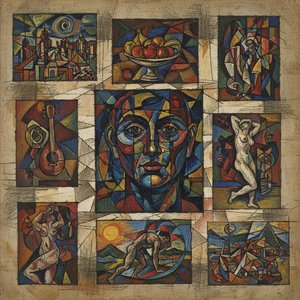
A kubizmus és expresszionizmus 10 legikonikusabb remekműve – OriginalUniqueArt.com
Fedezze fel a kubizmus és expresszionizmus 10 legjelentősebb remekművét! Picasso, Braque és más ikonikus művészek alkotásainak története – OriginalUniqueArt.com kínálatában minőségi reprodukciók és inspiráló otthon dekoráció. Böngéssze online gyűjteményünket!
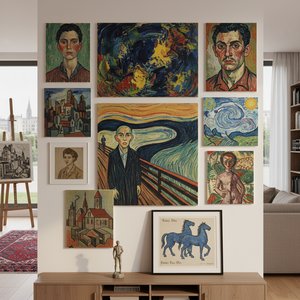
A kifejezésművészet 10 legikonikusabb remekműve – festmények otthonra a OriginalUniqueArt-tól
Fedezze fel a kifejezésművészet 10 legmeghatározóbb remekművét! Munch, Kirchner és Kandinsky alkotásainak története. Vászonképek otthonra – magas minőségű műalkotások a OriginalUniqueArt-tól. Explore the full collection online!

Merész Művészet: 10 Klasszikus Kép, Amik Bátorítanak és Inspirálnak – OriginalUniqueArt.com
Fedezze fel a 10 legmerészebb műalkotást! Van Gogh, Munch és Picasso remekművei inspirálnak. Expresszionizmus, absztrakt festmények – online képkereső és minőségi reprodukciók a OriginalUniqueArt.com-on. Otthoni dekorációhoz vagy művészeti gyűjteményébe! Fedezze fel az összes mesterművet a OriginalUniqueArt.com oldal
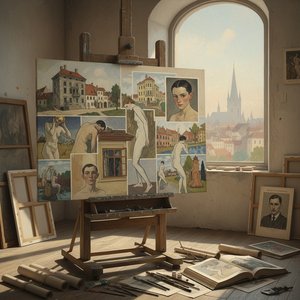
Egon Schiele 25 Mesterműve: Élet és Halál Vásznon – OriginalUniqueArt
Fedezze fel Egon Schiele 25 legikonikusabb művét! Mélyreható elemzések, a festő története és inspirációi. Expresszionista portrék, önarcképek és vászonképek – OriginalUniqueArt minőségi reprodukciókkal. Explore the full collection online!
