
 Megtekintés
 Küldés
 Megosztás
 Részletek
 Útmutató

 Letöltés
 Hasonló darabok
 X-ray felvétel
 Diavetítés
 Kérdések és válaszok
 Statisztika
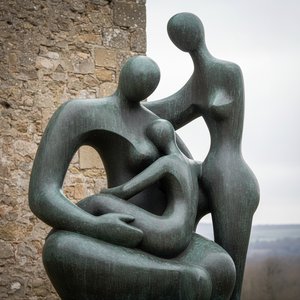
Mother And Child 4

 Összes részlet megjelenítése
Az ezen az oldalon megjelenített műalkotások szerzői jogi védelem alatt állnak, ami azt jelenti, hogy törvényileg nem készíthetünk és nem adhatunk el belőlük pontos másolatokat. Ez a védelem olyan nemzetközi megállapodások alapján érvényesül, mint például a Berni Egyezmény és a nemzeti jogszabályok által, beleértve azokat is, amelyeket meghatározott Az USA szerzői jogi törvénye – 17. cím.
Ez a módszer teljes mértékben megfelel a szerzői jogi szabályozásnak, mivel nem tartalmazza a védett műalkotás másolását vagy duplikálását. Ehelyett ez egy kreatív újinterpretáció – egy új festmény, amely az eredetivel való összefüggései miatt hatással van rá, de nem az az.
Giclée / Műnyomat
Múzeumi minőségű giclée vagy vászonnyomat, gyors gyártással és rugalmas finomítási lehetőségekkel. ( Kézzel festett másolat rendelése Áttérés digitális képre)




P118B Ft10

P118H Ft10

P118W Ft10

P438Z Ft10

P508JH Ft12

P508YH Ft12

P805H Ft10

P805Z Ft10

P919BZ Ft10

P919G Ft10

P919XJ Ft10

P959ZH Ft10

P968JZ Ft12

W106C Ft8

W218G Ft10

W218JH Ft8

W218Y Ft10

W307PJ Ft10

W316G Ft10

W316PJ Ft8

W316Y Ft10

W398PJ Ft8

W4111J Ft10

W500HY Ft15

W500JH Ft15

W692G Ft12

W849H Ft8

W940BG Ft15

W953PJ Ft8




Válasszon előre meghatározott méreteink közül, amelyek megfelelnek a műalkotás eredeti arányainak.

Írja be a keretének vagy a falának megfelelő szélességet és magasságot. A nyomatot csak le lehet vágni, soha nem tehető nagyobbá, mint az eredeti kép, így egy eltérő alakú méretnél a kép egy része elveszik. Mielőtt bármit kinyatintanánk, küldünk egy digitális próbamodellt jóváhagyásra. Az oldalon látható kép nem tartalmazza a valós levágást — ezt csak a próbamodell mutatja meg.
Világszerte történő kiszállítás területére mindössze 2 hét alatt, a szokásos 4-5 hét helyett. (8 november)

Ingyenes globális expressz szállítás

Prémium minőségű len vászon

Teljes körű szállítási biztosítás

Vámvisszatérítési Garancia

Hiteles színarányosság garancia

100 napos visszaküldési lehetőség (csak hibás termékek esetén)

100% pénzvisszatérítési garancia

Több darab vásárlásakor kedvezmény
 Az üvegkeretes opció csak 110 cm alatti méretben érhető el

Mother And Child 4
Giclée / Műnyomat
Reprodukció mérete
-


Összesített ár
Ft 26396
A Universal Bond: Exploring Henry Moore’s ‘Mother and Child 4’
This striking black and white photograph captures a sculpture by one of Britain's most important artists, Henry Moore. The work depicts two abstracted bird-like forms – a larger figure sheltering a smaller one – embodying the timeless theme of motherhood and familial protection. While the material is suggested to be wood or stone, its smooth, organic curves and textured surface speak to Moore’s mastery of form and his deep connection to natural materials. This particular piece, part of a prolific series exploring the mother-and-child motif, exemplifies Moore's signature style developed throughout his long career.Moore’s Sculptural Language: Form & Technique
Henry Moore is renowned for his semi-abstract sculptures, often focusing on the human figure – particularly reclining figures and *mother and child* compositions. He pioneered a technique called “direct carving,” where he worked directly with the material (often stone or wood), allowing the form to emerge organically rather than adhering strictly to a pre-conceived design. This approach is evident in ‘Mother and Child 4’ where the forms appear both monumental and intimately connected. The simplification of shapes, the emphasis on volume, and the interplay of positive and negative space are hallmarks of his style, influenced by prehistoric sculpture, African art, and the works of Michelangelo. Moore wasn't interested in literal representation; instead, he sought to capture the *essence* of form and emotion.Symbolism & Emotional Resonance
The mother-and-child theme held profound significance for Moore throughout his life. Having experienced hardship during World War I while serving as a soldier, he found solace in images of nurturing and protection. The abstracted forms in ‘Mother and Child 4’ transcend specific identities, becoming universal symbols of maternal love, vulnerability, and the enduring bond between generations. The protective gesture of the larger form enveloping the smaller one evokes feelings of safety, comfort, and unconditional care. While seemingly simple, the sculpture resonates with deep emotional power, prompting contemplation on fundamental human experiences. The use of birds as a metaphor adds another layer – suggesting freedom, fragility, and the instinct to nurture offspring.A Lasting Legacy: Moore in Context
Born in 1898, Henry Moore lived through periods of immense social and political change, which profoundly impacted his artistic vision. His work gained prominence in the post-war era, reflecting a desire for renewal and a search for universal values. Moore’s sculptures are now found in public collections and private homes worldwide, celebrated for their beauty, emotional depth, and enduring relevance. ‘Mother and Child 4’, like many of his works, continues to inspire artists and captivate audiences with its powerful simplicity and profound message. A reproduction of this sculpture would bring a sense of serenity, strength, and timeless elegance to any interior space.Kérdések és válaszok
A Henry Moore alkotása, a "Mother And Child 4", a jogi szabadhasználatban (public domain) áll-e, és miért?
A „Mother And Child 4”, Henry Moore alkotása még szerzői jog védi állapotban van. A szerzői jogi védelem időtartama a művész halálától számítódik, amely 1986 évben történt.
Mennyire tel愈t a "Mother And Child 4" színpalettája?
A "Mother And Child 4" színeinek telítettsége Muted.
Hol tudom letölteni a(t) „Mother And Child 4”, Henry Moore alkotása?
A „Mother And Child 4”, Henry Moore alkotása letölthető a mű Letöltés oldaláról, magas felbontású digitális kép letöltése formátumban.
A művész életrajza
A Life Sculpted in Form: The World of Henry Moore
Henry Spencer Moore, született 1898. július 30-án a yorkshire-i Castleford bányászvárosban, a 20. század egyik legjelentősebb és nemzetközi szinten is elismert szobrászművésze lett. Élete, a szerény gyökerektől a világszerte ismert művészivé válásának története, kitűnő példa az alkotói kutatások iránti áldozatkészségére és a mänyszerű kapcsolatára az emberi testtel és a természetes világgal. Moore apa, egy autodidakta férfi, aki nagyra értékelte a tanulást, és távolította el fiaját a bánya munkájától, inkább a formális nevelés felé terelte. Már gyermekkorában is kiemelkedő képessége volt a bélyegképezéshez és a fa faragáshoz, ami előre jelezte az életét meghatározó foglalkozást. A Castleford-i környezetben töltött évei mély nyomot hagytak rajta, melyek megjelennek alkotásainál a természetes formákban és a hullámzó vonásokban.Korai befolyások és művészi fejlődés
Moore művészeti tanulmányait Castleford Secondary School-ban kezdte, ahol tanárának felismerte és fejlesztette a tehetségét. Aztán Leeds School of Art-on tanult, majd a Londoni Royal College of Art-on, ahol klasszikus szobrászatot és modern művészeti irányzatokat, mint például a kubizmust tanulmányozta. Bár Moore nem egyszerűen követette a trendeket, hanem ezeket saját egyedi stílusává alakította. Egy kulcsfontosságos esemény 1925-ben történt, amikor Mexikóba látogatott, ahol találkozott az előkolumbiai szobrok – különösen az áztékok alkotásaival. A szívhez közelítő egyszerűségük és absztráltságuk mélyre hatottak rajta, felszabadítva őt a hagyományos reprezentációs korlátokból. Ezután egyre inkább fordult az absztrakt irány felé, a mänyszerű testet inspirációforrásként használva, de elmozdulva a szigorú anatómiai pontosságról. Ebből az időszakból származnak első szobrai, melyek már nem egyszerűen a testet ábrázolták, hanem formák és térrel való kapcsolatot εξερεύνησαν.A meghajló alak és a mamusz-gyermek
Moore karrierjének nagy részében két motívum dominált alkotásainál: a meghajló alak és a mamusz-gyermek. A *meghajló alak* különösen elismertté tette őt. Ezek a szobrok nem csupán az emberi test ábrázolása, hanem a formák, a tér és a test kapcsolatának feltárásai. Az hullámzó vonások, a kruglyók egyfajta időtlenséget és békésességet sugallnak, míg a fragmentált vagy üreges formák érzékenységet és ellenállást fejeznek ki. A *mamusz-gyermek* témája is gyakran megjelenik alkotásainál, melyek univerzális témákat – szeretetet, védelmezést és nevelést – ábrázolnak. Moore szobrai nem idealizáltak, hanem őszintén ábrázolták az emberi kapcsolatot, gyakran tükrözve az űrlapok idejét. Ezek a monumentális bronzok átalakították a városi tájakat és inspirálták a művészeket és nézőket egyaránt.A háború tükrében és közösségi fellépések
A második világháború mélyre hatott Moore munkájára. Dokumentálta London lakóit, akik a Blitz alatt az Underground állomásokban védettek, és szobrászati terveket készített ezekről a képekről. Ezek a *Shelter Drawings* nem csupán történelmi dokumentumok, hanem azt is mutatják, hogy Moore képes művészetét két dimenzióba fordítani. A háború után Moore számos közösségi fellépést kapott, lehetővé téve számára, hogy nagyméretű szobrokat hozzon létre iskolákban, kórházakban és városi terekben. Úgy gondolta, hogy a művészet mindenki számára elérhető legyen, és aktívan kereste az alkalmakat, hogy munkáit beépítse az életszakaszba. Ezek a monumentális bronzok jelképek lettek, átalakították a városi tájakat és inspirálták a következő generációk művészeit és nézőit.Hagyaté és tartós befolyás
Moore hatása a 20. századi művészetre vitathatatlan. Út cleared for subsequent generations of sculptors, challenging conventional notions of form and space and demonstrating the power of abstraction. His work continues to resonate with audiences today, inspiring awe and contemplation. In 1977, Moore established the Henry Moore Foundation, ensuring that his legacy would endure through education and the promotion of the arts. The foundation supports artists, scholars, and institutions worldwide, furthering Moore’s commitment to fostering creativity and artistic innovation. His sculptures stand as enduring monuments to human ingenuity and a testament to the transformative power of art.
Henry Moore
1898 - 1986 , Egyesült Királyság
Rövid információk
- Artistic Movement Or Style: Modernizmus, absztrkt szobrszt
- Date Of Birth: 1898. 7. 30.
- Date Of Death: 1986. 8. 31.
- Full Name: Henry Spencer Moore
- Nationality: Brit
- Notable Artworks: ['Rejlng Figur\nSzlter rajzok']
- Place Of Birth: Castleford, UK
Kapcsolódó cikkek

A művészettörténet 10 legikonikusabb bronzszobra – OriginalUniqueArt.com
Fedezze fel a művészettörténet 10 legikonikusabb bronzszobrát! Ismerje meg Rodint, Michelangelót és más mestereket. Luxus minőségű nyomatok otthonába – OriginalUniqueArt.com.

The Enduring Legacy of Bronze: A Historical & Artistic Exploration for the Collector
Explore the rich history & enduring appeal of bronze sculpture with expert insights for collectors at OriginalUniqueArt. Learn about casting techniques, iconic artists, collecting tips & contemporary interpretations.

A művészettörténet 10 legikonikusabb bronzszobra – OriginalUniqueArt.com
Fedezze fel a művészettörténet 10 legikonikusabb bronzszobrát! Ismerje meg Rodin, Michelangelo és más mesterek alkotásait. Luxus minőségű reprodukciók otthonába – OriginalUniqueArt.com.
Henry Moore: Sculpting Modernity – Form, Emotion & the Human Condition
Explore the revolutionary sculptures of Henry Moore – abstract forms, reclining figures & powerful expressions of the human condition. Discover his legacy & artistic process with OriginalUniqueArt.

The Enduring Legacy of Bronze: History, Technique & Artistic Expression for the Collector
Explore the rich history & enduring appeal of bronze sculpture with expert insights for collectors at OriginalUniqueArt. Learn about casting techniques, iconic artists, and collecting tips.


