A szöveg mérete

() ·

Egy Önnek készült, kézzel festett alkotás

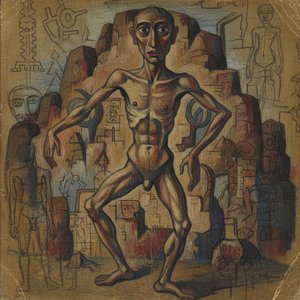
The Overhaul

Kézzel készített olajfestmény reprodukció

Kézzel festett olajvastú vászon, az Ön által választott méretben és keretben, művészeink készítik meglévőre. ( Váltás nyomtatványra Áttérés digitális képre)

A gyűjtemény leírása

Henry Lamb’s ‘The Overhaul’ (1941) captures wartime industry – a realistic oil painting of mechanics at work. Industrial, dynamic & evocative, showcasing American ingenuity.

A művész életrajza

Henry Lamb (1883–1960) auszájó brit festő, akinek művei expresszív portréit, a világháborúk emlékezetes tájképeit és a post-impressionista stílust tükrözik. Fedezze fel egyedi stílusát!

előbb ·

1. fejezet

Mekkora méretű legyen?

Húzza a csúszkát a méret megváltoztatásához; a bal oldali kép a keret valós szélességét mutatja. Az eredeti arányok megmaradnak.

Standard méret
egyedi méretű
CM
INCH

Válasszon előre meghatározott méreteink közül, amelyek megfelelnek a műalkotás eredeti arányainak.

szélesség
magasság

Írja be a kívánt szélességet és magasságot, hogy illeszkedjen a keretéhez vagy a falához. Mivel ez kézzel festett alkotás, egy eltérő formájú méret esetén a művész akár festhet is valamivel többet a kép körül, vagy korolathat is belőle — az Ön döntésének megfelelően. A festés megkezdése előtt küldünk egy digitális tervezetet jóváhagyásra. Az oldalon látható kép nem tartalmazza a végeredményt — csak a tervezet mutatja meg a valódi eredményt.

2. fejezet

Hogyan érkezzen meg?

Válaszd ki a feszített vászon széleit

Válassza ki a keretet

Corner sample of the WhiteWrap canvas edge finish, stretched on tömörfa bars
Fehér Ft1
Corner sample of the BlurSideWrap canvas edge finish, stretched on tömörfa bars
Elmosódott szélek Ft1
Corner sample of the ExtendedWrap canvas edge finish, stretched on tömörfa bars
Kiterjesztett Ft1
Corner sample of the P118B picture frame: formázott polisztirol, 5 cm wide and 3 cm thick
P118B Ft10
Corner sample of the P118H picture frame: formázott polisztirol, 5 cm wide and 3 cm thick
P118H Ft10
Corner sample of the P118W picture frame: formázott polisztirol, 5 cm wide and 3 cm thick
P118W Ft10
Corner sample of the P438Z picture frame: formázott polisztirol, 5.5 cm wide and 3.5 cm thick
P438Z Ft10
Corner sample of the P508JH picture frame: formázott polisztirol, 7 cm wide and 3.5 cm thick
P508JH Ft12
Corner sample of the P508YH picture frame: formázott polisztirol, 7 cm wide and 3.5 cm thick
P508YH Ft12
Corner sample of the P805H picture frame: formázott polisztirol, 5 cm wide and 3.5 cm thick
P805H Ft10
Corner sample of the P805Z picture frame: formázott polisztirol, 5 cm wide and 3.5 cm thick
P805Z Ft10
Corner sample of the P919BZ picture frame: formázott polisztirol, 7 cm wide and 3.5 cm thick
P919BZ Ft10
Corner sample of the P919G picture frame: formázott polisztirol, 7 cm wide and 3.5 cm thick
P919G Ft10
Corner sample of the P919XJ picture frame: formázott polisztirol, 7 cm wide and 3.5 cm thick
P919XJ Ft10
Corner sample of the P959ZH picture frame: formázott polisztirol, 5 cm wide and 3 cm thick
P959ZH Ft10
Corner sample of the P968JZ picture frame: formázott polisztirol, 6 cm wide and 4 cm thick
P968JZ Ft12
Corner sample of the W106C picture frame: tömörfa, 5 cm wide and 3 cm thick
W106C Ft8
Corner sample of the W218G picture frame: tömörfa, 5 cm wide and 3 cm thick
W218G Ft10
Corner sample of the W218JH picture frame: tömörfa, 5 cm wide and 3 cm thick
W218JH Ft8
Corner sample of the W218Y picture frame: tömörfa, 5 cm wide and 3 cm thick
W218Y Ft10
Corner sample of the W307PJ picture frame: tömörfa, 6 cm wide and 3 cm thick
W307PJ Ft10
Corner sample of the W316G picture frame: tömörfa, 6 cm wide and 3 cm thick
W316G Ft10
Corner sample of the W316PJ picture frame: tömörfa, 6 cm wide and 3 cm thick
W316PJ Ft8
Corner sample of the W316Y picture frame: tömörfa, 6 cm wide and 3 cm thick
W316Y Ft10
Corner sample of the W398PJ picture frame: tömörfa, 5 cm wide and 3 cm thick
W398PJ Ft8
Corner sample of the W4111J picture frame: tömörfa, 6.5 cm wide and 3.5 cm thick
W4111J Ft10
Corner sample of the W500HY picture frame: tömörfa, 7 cm wide and 5 cm thick
W500HY Ft15
Corner sample of the W500JH picture frame: tömörfa, 7 cm wide and 5 cm thick
W500JH Ft15
Corner sample of the W692G picture frame: tömörfa, 8 cm wide and 4 cm thick
W692G Ft12
Corner sample of the W849H picture frame: tömörfa, 5 cm wide and 3 cm thick
W849H Ft8
Corner sample of the W940BG picture frame: tömörfa, 7.5 cm wide and 4.5 cm thick
W940BG Ft15
Corner sample of the W953PJ picture frame: tömörfa, 6 cm wide and 3.5 cm thick
W953PJ Ft8
Corner sample of the H24-GOLD picture frame: faragott fa gesszóval, 10 cm wide and 6 cm thick
H24-GOLD Ft30
Corner sample of the H24-SILVER picture frame: faragott fa gesszóval, 10 cm wide and 6 cm thick
H24-SILVER Ft30
Corner sample of the H36-GOLD picture frame: faragott fa gesszóval, 15 cm wide and 6.5 cm thick
H36-GOLD Ft45
Corner sample of the H36-SILVER picture frame: faragott fa gesszóval, 15 cm wide and 6.5 cm thick
H36-SILVER Ft45

Keretprofil: . A kerettel együtt vett teljes méret: .

3. fejezet

Ki festi, és változtatni kellene-e bármit?

Példák a módosíthatóságra: Az arc kicserélése a vásárló fotójára; háziállat hozzáadása (pl. macska kicserélése kutyára); rejtett üzenet elhelyezése a háttérben; a háttér tájéképének vagy elemeinek megváltoztatása.
A megrendelést követően a OriginalUniqueArt.com csapat e-mailt küld a vásárlónak az instrukciókkal, és biztosítja a tervezeti előnézetet

Világszerte elérhető szállítás () 3-4 hét alatt a szokásos 5 hét helyett. (5 november). A minőség nem kérdőjelezhető.

4. fejezet

Az utolsó finomhangolás

Egy felirat, mint egy múzeumban?

A gravírozott bronztábla részletei

This elegant plaque features the artist's name and the title of the artwork, finely engraved for a timeless presentation.

It is made from bronze with a refined, elegant finish. The text is precisely laser-engraved for a sharp and permanent result. Measuring 9x2 cm, the plaque is compact yet easy to read. It's built to be durable and scratch-resistant, offering a professional, museum-quality look. Mounting is simple thanks to the included adhesive backing.

Átlátszó akril tábla részletei

The plaque includes essential engraved details such as the artist's name, the title of the artwork, the date it was created, the type of media used-like oil on canvas or watercolor-a brief description of the piece, and a QR code that links to the complete artwork information.

It is crafted from clear acrylic, offering a sleek, modern appearance. The text is UV-engraved in black to ensure strong visual contrast. With a size of 10x15 cm, it ensures optimal readability. It comes equipped with two metal hooks for secure wall mounting. The plaque is designed to be weather-resistant, making it suitable for various environments, and it includes interactive features that work seamlessly with smartphone scanning.

Fekete akril tábla részletei

This elegant plaque includes engraved information such as the artist's name, the title of the artwork, the date it was created, the type of media used (like oil on canvas or watercolor), a short description of the artwork, and a QR code for quick access to more information.

The plaque itself is made from refined black acrylic with a premium finish. The text is laser-engraved in white for high contrast and readability. Its size is 10x15 cm, designed to be easy to read. It comes with two metal hooks for professional mounting. The design is sleek and fits any interior style. It is also weather-resistant and durable, with built-in digital integration for mobile compatibility.

Egy védőréteg?

Mikor lenne szüksége rá?

5. fejezet

Az Ön által megrendelt festmény

The Overhaul

Reprodukciós technika

Reprodukció mérete

-

Kiváló mesterművész

Nagyobb részletesség, finomság és bővített gyártási idő

-

Reprodukció keretezése

-

-

A bármely oldalsó méretét túlszálaló 105 cm (kb. 41 hüvelyk) meghaladó műalkotások vagy reprodukciók esetében a keret összeszerelhető készletként, szétszerelve kerül szállításra. Ez a módszer biztosítja a biztonságos szállítást, és megakadályozza a szállítás során fellépő sérüléseket.

Szakmész összeszerelést igényel – ez nem DIY (önösszeszerelhető) termék.
A készletet egy tapasztalt keretező szakembernek kell összeszerelnie és a vásznat feszítenie kell, fa ragasztó (nem tartalmazza a csomag), vásznfeszítő fogó és szorítók használatával, amelyek a ragasztó száradásáig a keretrészeket egymáshoz vuôngjba tartják. A helytelen összeszerelés vagy a nem egyenletes vásznfeszítés maradandó károsíthatja a műalkotást, és ez nem része a garanciánknak.

  • A készlet tartalmazza az összes tömörfa rudat, pontosan méretre vágva.

  • A mellékelt csavarokkal, valamint a sarokszerekhez szükséges faütő ragasztóval kell összeszerelnie (ez nem tartalmazható a csomagban), így a keretrendezőnek külön kell beszereznie.

  • A csomag nem tartalmazza a szükséges professzionális eszközöket: egy vászonfeszítőt és klipseket a rácsok vízszintes tartásához a ragasztó megszáradásáig.

Fontos:
A sarokcsatlakozásokhoz fánylagra van szükség, a keretrudakat szorítókapcsokkal kell rögzíteni, amíg a rag teljesen meg nem szárad, a kész keretre feszített vászonhoz pedig vászonfeszítő fogat szükséges. Ezek egyike sem található meg a készletben. Kérjük, rendelés előtt győződjön meg róla, hogy rendelkezik tapasztalt keretező szakemberrel.

Névtábla

-

-

Védőréteg (Lakk)

Fényes lakk (intenzívabb színek, védelem a fény és a nedvesség hatása ellen)

-

Műalkotásom egyedi igényre szabása

Példák a módosíthatóságra: az arc kicserélése az ügyfél fotójára; háziállat hozzáadása (pl. macska helyett kutya); rejtett üzenet elhelyezése a háttérben; a háttér tájainak vagy elemeinek megváltoztatása.

-

Sürgős

Világszerte szóló szállítás () mindössze 3-4 hét alatt, a szokásos 5 hét helyett. (5 november). A minőség nem kérdőjelezhető.

-

Express szállítás

Világszerte elérhető szállítás területre 5 héten belül. (12 november).

A szállítás díja tartalmazza

Összesített ár

Ft 130827

Összesített ár Ft 130827

Az üvegkeretes opció csak 110 cm alatti méretben érhető el

Minden rendelés mellé tartalmazva

  • Ingyenes globális expressz szállítás
  • Prémium minőségű len vászon
  • Teljes körű szállítási biztosítás
  • Vámvisszatérítési Garancia
  • Hiteles színarányosság garancia
  • 100 napos visszaküldési lehetőség (csak hibás termékek esetén)
  • 100% pénzvisszatérítési garancia
  • Több darab vásárlásakor kedvezmény

A Symphony of Industry and Human Effort

In the evocative oil painting The Overhaul, created in 1941 by the versatile Henry Lamb, we are transported into the heart of a bustling hangar, where the raw energy of wartime industry meets the meticulous precision of human skill. The scene captures a group of mechanics deeply immersed in the complex task of tending to the engine and fuselage of an early aircraft. There is a profound sense of movement within this static frame; the composition is masterfully dynamic, drawing the viewer’s eye through the overlapping figures and the receding planes of the workshop. As we look down upon the scene from a slightly elevated perspective, we feel less like distant observers and more like silent witnesses to a pivotal moment of technological maintenance and preparation.

Lamb utilizes a sophisticated interplay of light and shadow to breathe life into this industrial landscape. A dramatic light source, positioned unseen above and to the left, casts long, purposeful shadows that define the muscularity of the men and the heavy, geometric forms of the machinery. The color palette is a soulful arrangement of earthy tones—deep browns, warm ochres, and muted greens—interspersed with subtle grays and yellows. This choice of color not only anchors the painting in its historical reality but also lends a tactile, weathered quality to the surfaces of metal and fabric, making the atmosphere feel thick with the scent of oil and the weight of heavy labor.

The Artistry of Detail and Texture

Technically, The Overhaul is a triumph of realistic rendering and expressive brushwork. Lamb does not merely paint shapes; he builds textures. Through the careful layering of paint, he achieves a palpable sense of materiality, from the cold, hard surfaces of the propeller and engine components to the softer, more organic textures of the mechanics' clothing. The use of linear perspective is particularly striking in the depiction of the aircraft’s supports and the hangar walls, creating a deep, immersive space that pulls the viewer into the cluttered, fascinating environment of the workshop.

The artist’s hand is visible in every stroke, providing a rhythmic quality to the work that mirrors the industriousness of the subject matter. The geometric precision of the circular propeller and rectangular fuselage contrasts beautifully with the more fluid, organic forms of the human figures, creating a visual tension between man and machine. This technical mastery ensures that the painting remains captivating upon close inspection, revealing new layers of detail and light with every glance.

A Legacy of Progress and Resilience

Beyond its aesthetic brilliance, The Overhaul serves as a poignant historical document. Painted during the height of the Second World War, it captures the spirit of an era defined by rapid technological advancement and the monumental effort required to sustain it. Symbolically, the painting transcends its specific subject matter to represent the broader themes of progress, industrialization, and the indomitable nature of human ingenuity. The focused activity of the mechanics becomes a metaphor for the collective resilience of a society working toward a common goal.

For the discerning collector or interior designer, this piece offers more than just visual beauty; it provides an emotional anchor. It is a work that commands attention through its gravity and scale, making it an ideal centerpiece for spaces that value historical depth and a sense of strength. Whether displayed in a contemporary gallery setting or a classic study, The Overhaul invites contemplation on the intersection of human labor and the machines that define our modern age, leaving an indelible impression of focused, purposeful energy.

Kérdések és válaszok

Milyen témát és hangulatot ötvöz a „The Overhaul”, Henry Lamb alkotása?

A "The Overhaul" című alkotás wartime industry, aircraft mechanics, industrial labor, engineering progress, vintage aviation, workshop scene, american history témákat ábrázol, hangulata pedig Industrial.

Milyen témák jelennek meg a(z) „The Overhaul”, Henry Lamb alkotása alkotásban?

„The Overhaul”, Henry Lamb alkotása a következőket ábrázolja: wartime industry, aircraft mechanics, industrial labor, engineering progress, vintage aviation, workshop scene, american history.

Milyen kontraszt jellemzi a „The Overhaul”, Henry Lamb alkotása alkotást?

A "The Overhaul" fény-sötét kontrasztja Gentle értéket mutat. A kontraszt azt írja le, mennyire térnek el egymástól a világos és sötét részek.

Több információ erről a festményről

Megtekintés AR előnézet Váltás nyomtatványra Áttérés digitális képre Küldés
Részletek Útmutató Kedvencekhez ad Letöltés Hasonló darabok X-ray felvétel Diavetítés Kérdések és válaszok Statisztika

Számokban kifejezve

  • 1941a festés éve
  • 29választható keretek
  • standard méretek, saját arányokkal
  • 5hetek a festésre és a kézbesítésre

Az eredeti műről

Méretek
51.0 x 61.0 cm
Henry Lamb

Henry Lamb

1883 - 1960, Ausztália

Gyors információk Henry Lamb művészről

  • Artistic Movement Or Style: Posztimpresszionizmus
  • Artists Or Movements Influenced By This Artist: ['Camden Town Group']
  • Artists Who Influenced This Artist:
    • Augustus John
    • William Orpen
  • Date Of Birth: 1883. 21. június
  • Date Of Death: 1960. 8. október
  • Full Name: Henry Taylor Lamb
  • Nationality: Brit
  • Notable Artworks:
    • Lytton Strachey
    • Írek katonák Judea-hegenységén
  • Place Of Birth: Adelaide, Ausztrália

A művész életrajza

A Life Bridging Continents and Eras

Henry Lamb, born in Adelaide, Australia, in 1883, was an artist whose life unfolded as a fascinating intersection of cultures and historical upheaval. His early years were steeped in intellectual stimulation – the son of Sir Horace Lamb, a renowned mathematician – yet his artistic path diverged dramatically from the purely academic. The family’s relocation to Manchester, England, in 1885 proved pivotal, thrusting him into a burgeoning artistic scene that would ultimately define his creative destiny. Initially pursuing medical studies at both Manchester University and Guy's Hospital, Lamb found himself increasingly drawn to the world of art, an irresistible pull he could no longer deny. By 1906, he decisively abandoned medicine, enrolling at Chelsea School of Art under the tutelage of Augustus John and William Orpen – a decision that would irrevocably shape his artistic vision. Subsequent studies at the Académie de la Palette in Paris further honed his skills, immersing him in the avant-garde currents of early 20th-century European art and introducing him to influential figures like Jean Metzinger and Henri Le Fauconnier. This exposure to diverse artistic philosophies profoundly influenced his evolving style, blending traditional techniques with innovative approaches to form and color.

Formative Influences and Artistic Awakening

The influence of Augustus John on Lamb’s artistic development was particularly profound. John's unwavering commitment to drawing from life – a direct lineage from the Slade School tradition – instilled in Lamb a fundamental respect for observation and expressive line work. This emphasis on capturing the essence of a subject, rather than merely creating a photographic representation, became central to his unique style. Lamb’s early years were also deeply intertwined with the vibrant bohemian circles of London, where he encountered and befriended prominent figures like Lytton Strachey, whose penetrating portrait would become one of Lamb's most celebrated achievements. His relationship with Nina Forrest, affectionately known as “Euphemia,” proved equally significant; she became his muse, model, and a constant source of inspiration – a figure who embodied the spirit of artistic freedom and unconventional beauty that permeated the era. Lamb’s involvement in the Camden Town Group in 1911 and later the London Group in 1913 solidified his position within the progressive art movement challenging conventional artistic norms. These groups provided a crucial platform for experimentation, fostering a spirit of collaboration that shaped Lamb's evolving aesthetic, pushing him to explore new forms of expression and challenge established conventions. The group’s focus on capturing the gritty realities of London life undoubtedly influenced his later depictions of urban landscapes and social commentary.

War, Witness, and Remembrance

The outbreak of World War I dramatically altered the course of Lamb’s life. Returning to his medical training, he served as a battalion medical officer with the 5th Battalion, Royal Inniskilling Fusiliers, witnessing firsthand the horrors of conflict. This experience was profoundly transformative, shifting his artistic perspective and fueling a desire to document the realities of war with unflinching honesty. Awarded the Military Cross for his bravery, Lamb was also appointed an official war artist, tasked with capturing the psychological toll of warfare through his art. His wartime paintings, such as “Irish Troops in the Judaean Hills Surprised by a Turkish Bombardment,” are not merely depictions of battle; they are poignant reflections on vulnerability, fear, and the enduring human cost of conflict. These works – characterized by their stark realism and emotional depth – stand as powerful testaments to the brutality of war and remain significant historical documents. The experience imbued his work with a newfound sense of urgency and empathy, forever shaping his artistic vision.

A Legacy in Portraiture and Beyond

While Lamb’s wartime experiences left an indelible mark on his oeuvre, he is perhaps best known for his evocative portraits. He possessed a remarkable ability to capture not just the physical likeness but also the inner character of his subjects – their thoughts, their emotions, their very souls. His portrait of Lytton Strachey, painted in 1914, exemplifies this skill perfectly; Lamb “has relished emphasizing Strachey’s gaunt, ungainly figure, and the air of resigned intellectual superiority with which he surveys the world from that incredible slab-like head.” This masterful portrayal demonstrates his ability to convey psychological depth through subtle details and expressive line work. Throughout his career, Lamb continued to paint portraits, extending his practice to include high-ranking military commanders during World War II. His later years saw him appointed a Trustee of both the National Portrait Gallery and the Tate Gallery, demonstrating his respected position within the art world. Elected an Associate of the Royal Academy in 1940 and a full member in 1949, Lamb continued to paint until arthritis curtailed his ability to work. He died in 1960, leaving behind a rich artistic legacy that continues to resonate with audiences today. His contribution lies not only in his technical skill but also in his profound sensitivity to the human condition and his ability to translate complex emotions onto canvas.

Key Characteristics & Artistic Style

  • Expressive Line Work: Heavily influenced by Augustus John, Lamb’s work is characterized by a dynamic and expressive use of line, creating a sense of movement and energy.
  • Psychological Depth: His portraits are renowned for their ability to capture the inner lives of his subjects, revealing their personalities and emotions with remarkable sensitivity.
  • Post-Impressionist Influences: While rooted in traditional techniques, Lamb’s work also exhibits elements of Post-Impressionism, particularly in his use of color and form.
  • War Art as Testimony: His wartime paintings are not simply depictions of conflict but powerful statements about the human cost of war, imbued with a sense of empathy and realism.
  • Bohemian Spirit: Lamb’s association with the Camden Town Group and his personal life reflect a bohemian spirit – a rejection of conventional norms and an embrace of artistic freedom.

Gyors információk

  • Title: The Overhaul
  • Artistic style: Realism
  • Medium: Oil painting
  • Notable elements or techniques: Visible brushstrokes, dramatic lighting
Fedezze fel a műalkotásokat témák, stílusok és jellemzők szerint csoportosítva.