Text size

() ·

A painting made for you, by hand

untitled (3567)

Kézzel készített olajfestmény reprodukció

Kézzel festett olajvastú vászon, az Ön által választott méretben és keretben, művészeink készítik meglévőre. ( Váltás nyomtatványra Áttérés digitális képre)

A gyűjtemény leírása

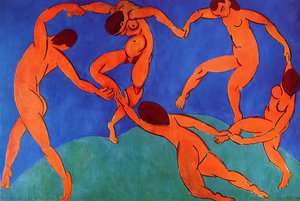
Admire Henri Matisse’s ‘untitled (3567)’ – a captivating portrait featuring vibrant hues and masterful composition. Explore Fauvist artistry and discover the legacy of a modern icon.

A művész életrajza

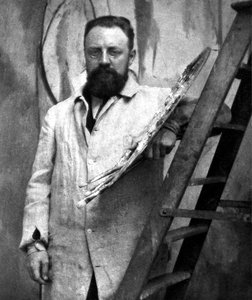
Matisse (1869-1954): A fauve mozgalom mestere! Fedezze fel ikonikus festményeit, papírvágásait és a modern művészetre gyakorolt hatását. Kiváló francia festőművész.

from ·

Chapter 1

How large should it be?

Slide to change the size; the picture on the left shows the frame at its real width. The proportions of the original are kept.

Standard méret
egyedi méretű
CM
INCH

Válasszon előre meghatározott méreteink közül, amelyek megfelelnek a műalkotás eredeti arányainak.

szélesség
magasság

Írja be a kívánt szélességet és magasságot, hogy illeszkedjen a keretéhez vagy a falához. Mivel ez kézzel festett alkotás, egy eltérő formájú méret esetén a művész akár festhet is valamivel többet a kép körül, vagy korolathat is belőle — az Ön döntésének megfelelően. A festés megkezdése előtt küldünk egy digitális tervezetet jóváhagyásra. Az oldalon látható kép nem tartalmazza a végeredményt — csak a tervezet mutatja meg a valódi eredményt.

Chapter 2

How should it arrive?

Choose the edges of the stretched canvas

Choose your frame

Corner sample of the WhiteWrap canvas edge finish, stretched on tömörfa bars
White Ft1
Corner sample of the BlurSideWrap canvas edge finish, stretched on tömörfa bars
Blurside Ft1
Corner sample of the ExtendedWrap canvas edge finish, stretched on tömörfa bars
Extended Ft1
Corner sample of the P118B picture frame: formázott polisztirol, 5 cm wide and 3 cm thick
P118B Ft10
Corner sample of the P118H picture frame: formázott polisztirol, 5 cm wide and 3 cm thick
P118H Ft10
Corner sample of the P118W picture frame: formázott polisztirol, 5 cm wide and 3 cm thick
P118W Ft10
Corner sample of the P438Z picture frame: formázott polisztirol, 5.5 cm wide and 3.5 cm thick
P438Z Ft10
Corner sample of the P508JH picture frame: formázott polisztirol, 7 cm wide and 3.5 cm thick
P508JH Ft12
Corner sample of the P508YH picture frame: formázott polisztirol, 7 cm wide and 3.5 cm thick
P508YH Ft12
Corner sample of the P805H picture frame: formázott polisztirol, 5 cm wide and 3.5 cm thick
P805H Ft10
Corner sample of the P805Z picture frame: formázott polisztirol, 5 cm wide and 3.5 cm thick
P805Z Ft10
Corner sample of the P919BZ picture frame: formázott polisztirol, 7 cm wide and 3.5 cm thick
P919BZ Ft10
Corner sample of the P919G picture frame: formázott polisztirol, 7 cm wide and 3.5 cm thick
P919G Ft10
Corner sample of the P919XJ picture frame: formázott polisztirol, 7 cm wide and 3.5 cm thick
P919XJ Ft10
Corner sample of the P959ZH picture frame: formázott polisztirol, 5 cm wide and 3 cm thick
P959ZH Ft10
Corner sample of the P968JZ picture frame: formázott polisztirol, 6 cm wide and 4 cm thick
P968JZ Ft12
Corner sample of the W106C picture frame: tömörfa, 5 cm wide and 3 cm thick
W106C Ft8
Corner sample of the W218G picture frame: tömörfa, 5 cm wide and 3 cm thick
W218G Ft10
Corner sample of the W218JH picture frame: tömörfa, 5 cm wide and 3 cm thick
W218JH Ft8
Corner sample of the W218Y picture frame: tömörfa, 5 cm wide and 3 cm thick
W218Y Ft10
Corner sample of the W307PJ picture frame: tömörfa, 6 cm wide and 3 cm thick
W307PJ Ft10
Corner sample of the W316G picture frame: tömörfa, 6 cm wide and 3 cm thick
W316G Ft10
Corner sample of the W316PJ picture frame: tömörfa, 6 cm wide and 3 cm thick
W316PJ Ft8
Corner sample of the W316Y picture frame: tömörfa, 6 cm wide and 3 cm thick
W316Y Ft10
Corner sample of the W398PJ picture frame: tömörfa, 5 cm wide and 3 cm thick
W398PJ Ft8
Corner sample of the W4111J picture frame: tömörfa, 6.5 cm wide and 3.5 cm thick
W4111J Ft10
Corner sample of the W500HY picture frame: tömörfa, 7 cm wide and 5 cm thick
W500HY Ft15
Corner sample of the W500JH picture frame: tömörfa, 7 cm wide and 5 cm thick
W500JH Ft15
Corner sample of the W692G picture frame: tömörfa, 8 cm wide and 4 cm thick
W692G Ft12
Corner sample of the W849H picture frame: tömörfa, 5 cm wide and 3 cm thick
W849H Ft8
Corner sample of the W940BG picture frame: tömörfa, 7.5 cm wide and 4.5 cm thick
W940BG Ft15
Corner sample of the W953PJ picture frame: tömörfa, 6 cm wide and 3.5 cm thick
W953PJ Ft8
Corner sample of the H24-GOLD picture frame: faragott fa gesszóval, 10 cm wide and 6 cm thick
H24-GOLD Ft30
Corner sample of the H24-SILVER picture frame: faragott fa gesszóval, 10 cm wide and 6 cm thick
H24-SILVER Ft30
Corner sample of the H36-GOLD picture frame: faragott fa gesszóval, 15 cm wide and 6.5 cm thick
H36-GOLD Ft45
Corner sample of the H36-SILVER picture frame: faragott fa gesszóval, 15 cm wide and 6.5 cm thick
H36-SILVER Ft45

Moulding: . Overall size with the frame: .

Chapter 3

Who paints it, and should anything change?

Examples of what can be changed: Replace face with customer photo; Add pet (e.g., replace cat with dog); Include hidden message in background; Change background landscape or elements.
After order, OriginalUniqueArt.com team will email client for instructions and provide a mockup preview

Világszerte elérhető szállítás () 3-4 hét alatt a szokásos 5 hét helyett. (1 november). A minőség nem kérdőjelezhető.

Chapter 4

The finishing touches

A nameplate, as in a museum?

A gravírozott bronztábla részletei

This elegant plaque features the artist's name and the title of the artwork, finely engraved for a timeless presentation.

It is made from bronze with a refined, elegant finish. The text is precisely laser-engraved for a sharp and permanent result. Measuring 9x2 cm, the plaque is compact yet easy to read. It's built to be durable and scratch-resistant, offering a professional, museum-quality look. Mounting is simple thanks to the included adhesive backing.

Átlátszó akril tábla részletei

The plaque includes essential engraved details such as the artist's name, the title of the artwork, the date it was created, the type of media used-like oil on canvas or watercolor-a brief description of the piece, and a QR code that links to the complete artwork information.

It is crafted from clear acrylic, offering a sleek, modern appearance. The text is UV-engraved in black to ensure strong visual contrast. With a size of 10x15 cm, it ensures optimal readability. It comes equipped with two metal hooks for secure wall mounting. The plaque is designed to be weather-resistant, making it suitable for various environments, and it includes interactive features that work seamlessly with smartphone scanning.

Fekete akril tábla részletei

This elegant plaque includes engraved information such as the artist's name, the title of the artwork, the date it was created, the type of media used (like oil on canvas or watercolor), a short description of the artwork, and a QR code for quick access to more information.

The plaque itself is made from refined black acrylic with a premium finish. The text is laser-engraved in white for high contrast and readability. Its size is 10x15 cm, designed to be easy to read. It comes with two metal hooks for professional mounting. The design is sleek and fits any interior style. It is also weather-resistant and durable, with built-in digital integration for mobile compatibility.

A protective varnish?

When do you need it?

Chapter 5

Your painting, as you ordered it

untitled (3567)

Reprodukciós technika

Reprodukció mérete

-

Kiváló mesterművész

Nagyobb részletesség, finomság és bővített gyártási idő

-

Reprodukció keretezése

-

-

A bármely oldalsó méretét túlszálaló 105 cm (kb. 41 hüvelyk) meghaladó műalkotások vagy reprodukciók esetében a keret összeszerelhető készletként, szétszerelve kerül szállításra. Ez a módszer biztosítja a biztonságos szállítást, és megakadályozza a szállítás során fellépő sérüléseket.

Szakmész összeszerelést igényel – ez nem DIY (önösszeszerelhető) termék.
A készletet egy tapasztalt keretező szakembernek kell összeszerelnie és a vásznat feszítenie kell, fa ragasztó (nem tartalmazza a csomag), vásznfeszítő fogó és szorítók használatával, amelyek a ragasztó száradásáig a keretrészeket egymáshoz vuôngjba tartják. A helytelen összeszerelés vagy a nem egyenletes vásznfeszítés maradandó károsíthatja a műalkotást, és ez nem része a garanciánknak.

  • A készlet tartalmazza az összes tömörfa rudat, pontosan méretre vágva.

  • A mellékelt csavarokkal, valamint a sarokszerekhez szükséges faütő ragasztóval kell összeszerelnie (ez nem tartalmazható a csomagban), így a keretrendezőnek külön kell beszereznie.

  • A csomag nem tartalmazza a szükséges professzionális eszközöket: egy vászonfeszítőt és klipseket a rácsok vízszintes tartásához a ragasztó megszáradásáig.

Fontos:
A sarokcsatlakozásokhoz fánylagra van szükség, a keretrudakat szorítókapcsokkal kell rögzíteni, amíg a rag teljesen meg nem szárad, a kész keretre feszített vászonhoz pedig vászonfeszítő fogat szükséges. Ezek egyike sem található meg a készletben. Kérjük, rendelés előtt győződjön meg róla, hogy rendelkezik tapasztalt keretező szakemberrel.

Névtábla

-

-

Védőréteg (Lakk)

Fényes lakk (intenzívabb színek, védelem a fény és a nedvesség hatása ellen)

-

Műalkotásom egyedi igényre szabása

Példák a módosíthatóságra: az arc kicserélése az ügyfél fotójára; háziállat hozzáadása (pl. macska helyett kutya); rejtett üzenet elhelyezése a háttérben; a háttér tájainak vagy elemeinek megváltoztatása.

-

Sürgős

Világszerte szóló szállítás () mindössze 3-4 hét alatt, a szokásos 5 hét helyett. (1 november). A minőség nem kérdőjelezhető.

-

Express szállítás

Világszerte elérhető szállítás területre 5 héten belül. (8 november).

A szállítás díja tartalmazza

Összesített ár

Ft 98243

Összesített ár Ft 98243

Az üvegkeretes opció csak 110 cm alatti méretben érhető el

Included with every order

  • Ingyenes globális expressz szállítás
  • Prémium minőségű len vászon
  • Teljes körű szállítási biztosítás
  • Vámvisszatérítési Garancia
  • Hiteles színarányosság garancia
  • 100 napos visszaküldési lehetőség (csak hibás termékek esetén)
  • 100% pénzvisszatérítési garancia
  • Több darab vásárlásakor kedvezmény

A Symphony in Crimson and Calm: Exploring Henri Matisse’s Untitled (3567)

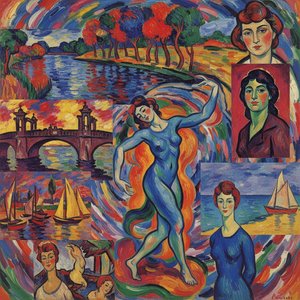
Henri Matisse's "Untitled (3569)" – often referred to as “Woman with Hat” – stands as a testament to the artist’s unwavering commitment to color theory and expressive simplification. Painted circa 1909, during his formative years within the Fauvist movement, this canvas embodies the revolutionary spirit of its time while retaining an enduring beauty rooted in Matisse's masterful observation of human form. The painting depicts a woman seated gracefully, her gaze directed outwards – though unseen by the viewer – conveying a sense of contemplative serenity amidst a vibrant backdrop.

The Fauvist Breakthrough: Bold Color and Impressionistic Influence

Matisse’s embrace of Fauvism wasn’t merely stylistic choice; it was a deliberate rejection of academic conventions that prioritized realistic representation. Influenced profoundly by Cézanne's exploration of geometric forms and Japanese prints, Matisse sought to liberate color from its subservient role in depicting natural hues. Instead, he employed pigment directly – unmixed—to achieve intense shades of crimson dominating the woman’s hair and torso, contrasting sharply with the muted blues and greens of the surrounding environment. This audacious technique prioritized emotional impact over photographic accuracy, aligning perfectly with the Fauvist manifesto's assertion that “the artist must not be bound by any obligation to represent what he sees.”

Technique and Composition: Fluid Brushstrokes and Geometric Harmony

Matisse’s distinctive brushwork is immediately recognizable—loose, flowing strokes layered upon one another to create a textured surface. He eschewed meticulous detail, opting for simplified shapes and contours that emphasize the essence of his subject matter. The woman's hat, rendered in a bold shade of blue, serves as an anchor point within the composition, subtly directing the viewer’s eye across the canvas. Notice how Matisse utilizes geometric forms—particularly circles and rectangles—to create visual harmony and balance, mirroring the principles championed by Cézanne and contributing to the painting’s overall sense of tranquility.

Symbolism Beyond Appearance: Inner Emotion and Artistic Vision

While seemingly straightforward in its depiction, “Woman with Hat” is laden with symbolic resonance. The woman herself represents femininity and grace—qualities Matisse consistently explored throughout his oeuvre. Her averted gaze suggests introspection and contemplation, inviting the viewer to consider themes of solitude and inner experience. Furthermore, the color palette – particularly crimson – carries connotations of passion and vitality, juxtaposed against the calming blues and greens that symbolize peace and serenity. This deliberate contrast underscores Matisse’s artistic intention: not merely to portray a visual scene but to convey an emotional state—a profound appreciation for beauty and a celebration of human presence.

A Legacy Enduring Through Reproduction

Today, reproductions of “Woman with Hat” continue to captivate audiences worldwide. OriginalUniqueArt.com offers exceptional quality prints that faithfully capture the painting’s luminous color palette and expressive brushstrokes, allowing collectors and interior designers alike to experience Matisse's artistic vision firsthand. Bringing this iconic masterpiece into your home transforms it from a historical artifact into an enduring symbol of artistic innovation and emotional resonance—a reminder that true beauty lies in embracing boldness and simplifying form.

Kérdések és válaszok

Milyen érzelmet közvetít a Fauvist Expression korszakból származó "untitled (3567)" című alkotás?

A Fauvist Expression irányzat részeként a "untitled (3567)" egy Calm hangulatban készült.

Milyen színtelítettséggel rendelkezik „untitled (3567)”, Matisz alkotása?

A „untitled (3567)”, Matisz alkotása színei Subtle Color telítettségűek. A telítettség azt mutatja meg, hogy a színek mennyire élénkek vagy fakók.

Ismertebb műalkotás a „untitled (3567)”, Matisz alkotása?

A "untitled (3567)" mű a Iconic kategóriába sorolható.

More about this painting

Megtekintés AR előnézet Váltás nyomtatványra Áttérés digitális képre Küldés
Részletek Útmutató Kedvencekhez ad Letöltés Hasonló darabok X-ray felvétel Diavetítés Q&A Statisztika

In numbers

  • 29frames to choose from
  • standard sizes, in its own proportions
  • 5weeks to paint and deliver it
Matisz

Matisz

1869 - 1954, Franciaország

Quick facts about Matisz

  • Artistic Movement Or Style: Fauvizmus
  • Artists Or Movements Influenced By This Artist:
    • Modernizmus
    • Expresszionizmus
  • Artists Who Influenced This Artist:
    • Van Gogh
    • Chardin
    • Russell
  • Date Of Birth: 1869. december 31.
  • Date Of Death: 1954
  • Full Name: Henri Émile Benoît Matisse
  • Nationality: Francia
  • Notable Artworks:
    • The Gourds
    • Laurette in a White Turban
  • Place Of Birth (City And Country): Le Cateau-Cambrésis, Franciaország

A művész életrajza

Élet és Korai Évek

Henri Émile Benoît Matisse, 1869. december 31-én született a kis észak-franciaországi Le Cateau-Cambrésisben. Gyermekkora nem ígért festői pályát; szülei vetőmagot és festéket árultak kis üzletükben, és úgy tűnt, fiuk is ezt a családi vállalkozást folytatja majd. Viszont gyenge egészségi állapota megakadályozta ebben. 1882 és 1887 között humángimnáziumba járt, majd Párizsban jogot tanult, végül diplomát szerzett. Azonban egy súlyos vakbélgyulladás (1890) drámai fordulatot hozott az életében. A hosszú ágybetegség során, hogy ne unatkozzon, édesanyja festőkészlettel ajándékozta meg. Ez a pillanat sorsfordító volt: Matisse felfedezte benne a szenvedélyét és új hivatását. Bár kezdetben autodidakta módon tanult, hamarosan beiratkozott az Académie Julianba, majd az École Nationale des Beaux-Artsba, ahol William-Adolphe Bouguereau és Gustave Moreau voltak mesterei. Ezek a tanulmányok klasszikus technikákat biztosítottak számára, amelyek később alapvető szerepet játszottak innovatív stílusának kialakulásában. Korai munkái ezen akadémiai hatásokon keresztül mutatkoztak meg, bár még nem hordozták magukban azt a jellegzetes hangot, amely hamarosan világhírnévhez juttatta őt.

A Fauvizmus Születése és Kísérletezések

1896-ban tett látogatása Belle-Île szigetére, ahol az ausztrál festő John Russell volt a társasága, kulcsfontosságú pillanatot jelentett Matisse pályáján. Russell bemutatta számára az impresszionizmus vibráló világát, de ami még fontosabb volt, Vincent van Gogh expresszív vásznait. Van Gogh színekkel való merész játéka mély hatást gyakorolt Matisse-ra, és arra ösztönözte őt, hogy elszakadjon a korábbi visszafogott palettájától, és bátrabban használjon olyan árnyalatokat, amelyek az érzelmeket tükrözik. Ez a felfedezés vezetett a Fauvizmus (a „vadak” mozgalma) megszületéséhez 1905 körül. A csoport első kiállítása a Salon d'Automne-on sok kritikust megbotránkoztatott, mivel festményeik szokatlanul élénk színei és természetellenes formái radikálisan eltértek a hagyományos ábrázolásmódoktól. Matisse, Andrè Derain és Maurice de Vlaminck vezetésével intenzív színeket alkalmaztak önálló kifejező eszközként, egyszerűsítve a formákat annak érdekében, hogy felerősítsék azok hatását. A The Gourds (1905) című alkotás tökéletesen példázza ezt a stílust – vörös, zöld és sárga színek káoszát ábrázolja, amely hagyományos perspektívát és valósághűséget figyelmen kívül hagyva szabadon alkalmazott ecsetvonásokkal jelenik meg. A Fauvizmus legfontosabb jellemzői közé tartoznak az intenzíven telített színek, a leegyszerűsített formák, az expresszív ecsetkezelés és a konvencionális ábrázolás tudatos elutasítása az érzelmi kifejezés érdekében.

Finomítás és Dekoratív Harmónia

A Fauvizmus kezdeti lendülete után Matisse stílusa finom, de jelentős változáson ment keresztül. Bár nem hagyta el a színek iránti szeretetét, munkái kifinomultabbá váltak, egy dekoratív esztétika felé mozdulva, amely lapos formákat és bonyolult mintázatokat hangsúlyozott. A szabadidő, a családi élet és az emberi alak témáit ábrázolta békés környezetben, olyan kompozíciókat alkotva, amelyek harmonikusak és érzelmileg rezonálóak voltak. 1917-es Nice-be költözése tovább erősítette ezt a változást, munkáiba klasszikus egyensúlyt és nyugalmat hozva. Ekkor kezdett komplex környezeteket teremteni – festményeket, szobrokat és dísztárgyakat –, amelyek a nézőt szépség és béke légkörébe helyezték. Kísérletezett különböző médiumokkal is, például kerámiával és textíliával, kiterjesztve művészi látókörét a hagyományos vászonon túli területekre. Nem csupán jeleneteket ábrázolt, hanem olyan világokat épített fel, amelyek egy adott érzelmi reakciót váltottak ki.

Késői Évek: Innováció a Korlátozások Között

A hanyatló egészségi állapot korlátozta Matisse festési képességeit, és ez egy rendkívüli új fejezetet nyitott művészi pályáján – a papírvágásos kollázsok ( *découpages*) létrehozását. 1947 körül kezdődtek ezek a munkák, amelyek szükségből fakadtak. Kerekesszékhez kötözve fizikailag nem tudott állva festeni, de még mindig képes volt papírt ollóval manipulálni. Ami praktikus megoldásként indult, egy úttörő művészeti technikává fejlődött. Nagy színes papírlapokat festett le, majd vágta őket formákra – organikus alakokra, levelekre, figurákra –, és ezeket rendezte vásznakon, dinamikus és csalóka egyszerű kompozíciókat alkotva. Ezek a *découpages* nem csupán a festészet helyettesítői voltak; egy új gondolkodásmódot képviseltek a színről, formáról és kompozícióról. Folytatta élete során végzett kutatásait ezeken az elemeken, kitartó művészi látókörrel még fizikai korlátozások közepette is. A papírvágásos technika lehetővé tette számára a forma és a szín tisztaságának elérését, ami nehezen volt elérhető festékkel. Ezek a munkák gyakran hivatkoztak korábbi témáira és motívumaira, de friss és innovatív módon mutatták be őket. Demonstrálták képességét az alkalmazkodásra és fejlődésre művészként karrierje során.

Örökség: Matisse Hatása a Modern Művészetre

Henri Matisse 1954-ben halt meg Nizzában, és egy olyan életművet hagyott maga után, amely továbbra is inspirálja és lenyűgözi a világ közönségét. Hatása a művészeti világra vitathatatlan; kihívta a reprezentáció hagyományos fogalmait, védelmezte a szín kifejező erejét, és utat nyitott a jövő generációi számára. Gyakran emlegetik Pablo Picassóval együtt a 20. század egyik legbefolyásosabb alakjaként, Matisse alapvetően formálta a modernizmust. Öröksége nem csupán műalkotásaiban rejlik – egy filozófiát foglal magában, amely ünnepli az örömöt, a szépséget és a szín átalakító erejét. Nem csupán azt festette le, amit látott; érzelmi élményt teremtett a néző számára, meghívva őt, hogy megossza vízióját egy fényben és vibráló színekben úszó világról. Matisse hatása számtalan művész munkájában látható különböző diszciplínákon keresztül, megerősítve helyét a modern művészet igazi mestereként – egy festőként, aki merte úgy látni a világot, ahogy lehet, tele színnel, harmóniával és végtelen lehetőségekkel.

Gyors információk

  • Title: untitled (3567)
  • Movement: Fauvism
  • Medium: Painting
  • Influences: Post-Impressionism
  • Subject or theme: Woman