
 Megtekintés
 Küldés
 Megosztás
 Részletek

 Letöltés
 Hasonló darabok
 X-ray felvétel
 Diavetítés
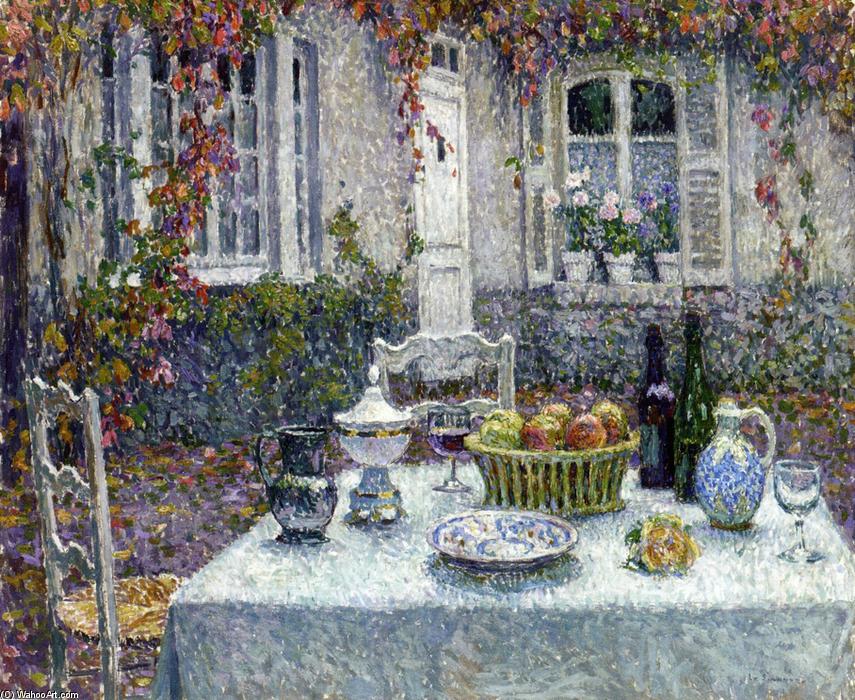
The Small Table

 Összes részlet megjelenítése
Kézzel készített olajfestmény reprodukció
Kézzel festett olajvastú vászon, az Ön által választott méretben és keretben, művészeink készítik meglévőre. ( Nyomat rendelése Kép letöltése)




































Válasszon előre meghatározott méreteink közül, amelyek megfelelnek a műalkotás eredeti arányainak.

Ön megadhat saját méreteket egy adott kerethez vagy térhez igazításhoz. Ha a kiválasztott méret nem egyezik az eredeti kép arányával, akkor a műalkotást levágjuk, vagy további kézzel festett elemekkel meghosszabbítjuk a festményt. A gyártás megkezdése előtt küldünk Önnek egy digitális előnézetet jóváhagyásra.
Kérjük, vegye figyelembe, hogy a képernyőn megjelenő előnézet nem tükrözi a tényleges vágást vagy kiterjesztést. Csak az előnézet fog pontosan mutatni a végső kompozíciót.
Bár egyedi méretek állnak rendelkezésre, javasoljuk, hogy válasszon egy méretet az előre meghatározott listából az eredeti arányok megőrzése érdekében.
A rendelést követően a OriginalUniqueArt.com csapata e-mailt küld az ügyfélnek az instrukciókért, és biztosít egy előnézeti képet (mockup).
Világszerte elérhető szállítás () 3-4 hét alatt a szokásos 5 hét helyett. (27 augusztus). A minőség nem kérdőjelezhető.

Ingyenes globális expressz szállítás

Prémium minőségű len vászon

Teljes körű szállítási biztosítás

Vámvisszatérítési Garancia

Hiteles színpontosság garancia

60 napos visszaküldési lehetőség (csak hibás termékek esetén)

100% pénzvisszatérítési garancia

Több darab vásárlása esetén kedvezmény
 Az üvegkeretes opció csak 110 cm alatti méretben érhető el

The Small Table
Reprodukciós technika
Reprodukció mérete
-


Összesített ár
$ 300
A művész életrajza
Early Life and Background
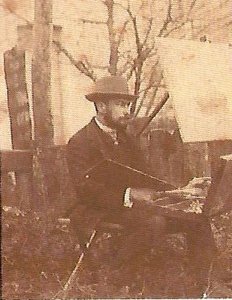
Henri Le Sidaner, a name synonymous with evocative domestic scenes and tranquil landscapes, was born on August 7th, 1862, in the vibrant port city of Port Louis, Mauritius. His origins were deeply rooted in Breton heritage – his father, Jean Marie Le Sidaner, was a dedicated ship inspector for Lloyd’s, a profession that took his family across the vast expanse of the seas. This itinerant lifestyle ultimately led to their relocation to Dunkerque, France, in 1872, marking the beginning of Henri's French upbringing.
From a young age, Henri displayed an undeniable talent for drawing and painting – a gift nurtured by his supportive parents. He received early artistic instruction, attending the Collège et Lycée Notre Dame des Dunes in Dunkerque, where he honed his skills and developed a keen eye for detail. A fortunate opportunity presented itself through a scholarship awarded by the city of Dunkerque, allowing him to pursue his passion further by moving to Paris and enrolling at the prestigious École nationale supérieure des beaux-arts.
Artistic Training and Influences
The École des Beaux-Arts proved to be a pivotal period in Le Sidaner’s artistic development. There, he studied under Alexandre Cabanel, a celebrated figure of Belle Époque French painting known for his meticulously rendered historical and mythological scenes. However, a fundamental difference in artistic vision led to a parting of ways – Le Sidaner found himself at odds with Cabanel's rigid academic style, seeking a more expressive and personal approach.
Despite this divergence, Le Sidaner’s formative years were profoundly shaped by the Impressionist movement. He was particularly captivated by the works of Édouard Manet and Claude Monet, drawn to their innovative use of color, light, and brushwork. These early influences instilled in him a desire to capture fleeting moments and atmospheric effects, laying the groundwork for his distinctive style. Furthermore, he became involved with the Colonie artistique d'Étaples, a collective of artists who collaborated and experimented together, further refining his technique and artistic perspective.
Artistic Style and Development
Le Sidaner’s artistic signature is immediately recognizable – a delicate balance between subdued colors, nuanced greys, and the subtle application of opals. His brushstrokes are often uneven and dappled, creating an almost dreamlike quality in his paintings. This technique isn't merely decorative; it serves to evoke atmosphere and a sense of mystery, as if peering through a veil into another world.
He is perhaps most celebrated for his nocturnes – paintings that masterfully capture the ethereal beauty of twilight hours. Le Sidaner possessed an extraordinary ability to render the subtle shifts in light and shadow during these liminal moments, imbuing his scenes with a profound sense of tranquility and introspection. Over time, his style evolved, moving beyond simple imitation of Impressionistic techniques towards a more personal expression that blended elements of Symbolism with his established approach.
In 1898, he settled in Gerberoy, a small village in the Picardy countryside, where he spent over thirty years creating his most iconic works. It was here, amidst the ruins of a medieval fortress, that he cultivated a series of breathtaking gardens – scenes filled with dappled sunlight, roses, and an undeniable sense of romanticism. These paintings solidified his reputation as a master of capturing beauty in quiet, intimate settings.
Major Works and Recognition
Throughout his career, Le Sidaner produced a remarkable body of work, including “Still Life and a Window, Gisors” (1888), a poignant depiction of domesticity, and "Table Au Clair De Lune" (1928), showcasing his skill in capturing the soft glow of moonlight. His paintings have been exhibited at prestigious venues such as the Musée des Beaux-Arts Tournai in Belgium, where they continue to draw admirers.
Le Sidaner’s artistic achievements were recognized with a bronze medal at the Universal Exposition in Paris in 1905 and, later, he was bestowed with the rank of Chevalier of the Legion of Honour in 1913 – a testament to his enduring contribution to French art. His work remains available for viewing and appreciation through various channels, including online platforms like OriginalUniqueArt.com.
Historical Significance
Henri Le Sidaner is often regarded as one of the last great figures of the Impressionist movement, bridging the gap between its vibrant beginnings and the subsequent developments of Post-Impressionism. His unique style – characterized by a delicate interplay of color, light, and atmosphere – distinguishes him from his contemporaries while retaining a deep connection to the artistic traditions that shaped him.
Le Sidaner’s ability to capture the essence of everyday life—the quiet moments within domestic interiors, the serene beauty of gardens bathed in sunlight—makes his work profoundly resonant. He offered viewers glimpses into intimate worlds, inviting them to contemplate the simple pleasures and subtle beauties of existence. His legacy continues to inspire artists and art enthusiasts alike, ensuring that his paintings will be cherished for generations to come.
Le Sidaner
1862 - 1939 , Mauritius
A művészről röviden
- Artistic Movement Or Style: Intimista, impresszionista
- Artists Or Movements Influenced By This Artist: ['Seurat']
- Artists Who Influenced This Artist:
- Édouard Manet
- Monet
- Pointillisták
- Date Of Birth: 1862. augusztus 7.
- Date Of Death: 1939. július 14.
- Full Name: Henri Eugène Augustin Le Sidaner
- Nationality: Franciaország
- Notable Artworks:
- A Rue de l'Eglise
- A Beauvais Square
- Place Of Birth: Port Louis, Mauritius

