

 Megtekintés
 Küldés
 Megosztás
 Részletek
 Útmutató

 Letöltés
 Hasonló darabok
 X-ray felvétel
 Diavetítés
 Q&A
Q&A Statisztika
Le Pavillon
 Oil On Canvas
- WallArt
- Impressionism
 1909
1909- 19th Century
 81.0 x 100.0 cm
 Összes részlet megjelenítése
Giclée / Műnyomat
Múzeumi minőségű giclée vagy vászonnyomat, gyors gyártással és rugalmas finomítási lehetőségekkel. ( Kézzel festett másolat rendelése Áttérés digitális képre)




P118B Ft10

P118H Ft10

P118W Ft10

P438Z Ft10

P508JH Ft12

P508YH Ft12

P805H Ft10

P805Z Ft10

P919BZ Ft10

P919G Ft10

P919XJ Ft10

P959ZH Ft10

P968JZ Ft12

W106C Ft8

W218G Ft10

W218JH Ft8

W218Y Ft10

W307PJ Ft10

W316G Ft10

W316PJ Ft8

W316Y Ft10

W398PJ Ft8

W4111J Ft10

W500HY Ft15

W500JH Ft15

W692G Ft12

W849H Ft8

W940BG Ft15

W953PJ Ft8




Válasszon előre meghatározott méreteink közül, amelyek megfelelnek a műalkotás eredeti arányainak.

Írja be a keretének vagy a falának megfelelő szélességet és magasságot. A nyomatot csak le lehet vágni, soha nem tehető nagyobbá, mint az eredeti kép, így egy eltérő alakú méretnél a kép egy része elveszik. Mielőtt bármit kinyatintanánk, küldünk egy digitális próbamodellt jóváhagyásra. Az oldalon látható kép nem tartalmazza a valós levágást — ezt csak a próbamodell mutatja meg.
Világszerte történő kiszállítás területére mindössze 2 hét alatt, a szokásos 4-5 hét helyett. (30 október)

Ingyenes globális expressz szállítás

Prémium minőségű len vászon

Teljes körű szállítási biztosítás

Vámvisszatérítési Garancia

Hiteles színarányosság garancia

100 napos visszaküldési lehetőség (csak hibás termékek esetén)

100% pénzvisszatérítési garancia

Több darab vásárlásakor kedvezmény
 Az üvegkeretes opció csak 110 cm alatti méretben érhető el

Le Pavillon
Giclée / Műnyomat
Reprodukció mérete
-


Összesített ár
Ft 26157
Le Pavillon: A Glimpse of Tranquility by Henri Le Sidaner
Henri Le Sidaner's "Le Pavillon," painted in 1909, is an exquisite example of Intimist painting, capturing a serene garden scene with remarkable atmospheric depth. Measuring 81 x 100 cm, this oil on canvas artwork transports viewers to a world of quiet beauty and gentle contemplation. The piece exemplifies Le Sidaner's signature style – characterized by soft light, muted colors, and an almost dreamlike quality—and offers a window into the artist’s personal haven in Gerberoy.
Subject & Composition: A Garden Sanctuary
"Le Pavillon" depicts a picturesque garden setting centered around a circular fountain adorned with roses. The fountain's presence serves as a focal point, drawing the eye and establishing a sense of harmony within the composition. Lush greenery surrounds the fountain, creating a vibrant backdrop that contrasts beautifully with the soft pink hues of the flowers. A charming cottage nestled in the background adds depth and context to the scene, suggesting a secluded retreat from the bustle of everyday life. The perspective is subtly flattened, enhancing the painting's atmospheric quality and contributing to its overall sense of tranquility. The foreground features a circular bed covered with white flowers and green moss, leading the eye towards the central fountain. Behind the fountain, a small cottage with a thatched roof provides a focal point. The background consists of dense foliage and rolling hills, further blurring the lines between objects and creating a sense of atmospheric perspective.
Style & Technique: Impressionistic Nuances
Le Sidaner’s style is deeply rooted in Impressionism but transcends it with his unique Intimist approach. He masterfully employs loose brushstrokes and subtle color variations to capture the fleeting effects of light and atmosphere. Unlike some Impressionists who focused on capturing a moment's vibrancy, Le Sidaner sought to evoke a sense of quiet introspection and peaceful solitude. The painting’s palette leans towards muted greens, pinks, and browns, creating a harmonious and calming visual experience. The technique involves layering paint in short, broken strokes to build up color and form. This creates a hazy effect that enhances the dreamlike quality of the scene. Le Sidaner's use of light is particularly noteworthy; he skillfully depicts diffused sunlight filtering through the foliage, casting soft shadows and highlighting the delicate details of the flowers and fountain.
Historical Context & Symbolism: Gerberoy’s Embrace
“Le Pavillon” was created during a period when Impressionism had evolved into various artistic movements. Le Sidaner, however, remained true to his Intimist sensibilities, focusing on intimate scenes of domesticity and nature. The painting is intrinsically linked to the artist's life in Gerberoy, a village he adopted as his home in the early 20th century. He restored a medieval fortress there and cultivated enchanting gardens, which became recurring subjects in his mature works. The garden itself symbolizes tranquility, refuge, and the beauty of simple pleasures. The fountain can be interpreted as a source of life and renewal, while the cottage represents comfort and security. Symbolically, the scene evokes themes of nostalgia, peaceful solitude, and the enduring power of nature to soothe the soul.
Emotional Impact & Legacy: A Timeless Retreat
"Le Pavillon" resonates with viewers through its ability to evoke a sense of calm and serenity. The painting’s gentle colors, soft light, and harmonious composition create an atmosphere of peaceful contemplation. It offers a visual escape from the stresses of modern life, inviting viewers to immerse themselves in a world of quiet beauty. Le Sidaner's work continues to be admired for its dreamlike allure and its striking blend of impressionistic technique with contemplative themes. For those interested in purchasing handmade oil painting reproductions of this stunning garden scene, OriginalUniqueArt.com offers a wide range of options.
Kérdések és válaszok
Mennyi volt Le Sidaner életkora, amikor a "Le Pavillon" készült?
Le Sidaner 47 éves korában festette a „Le Pavillon” című művét. A művész 1862 született, a alkotás dátuma pedig 1909.
Milyen színek jellemzik a(z) „Le Pavillon”, Le Sidaner alkotása alkotást?
A „Le Pavillon”, Le Sidaner alkotása egy Dark színpalettát használ, melynek domináns színe a Driftwood (#898d4e).
Milyen technikával készült és mikor született meg „Le Pavillon”, Le Sidaner alkotása?
A „Le Pavillon”, Le Sidaner alkotása technikája Oil On Canvas, a mű alkotási éve pedig 1909.
A művész életrajza
Early Life and Background
Henri Le Sidaner, a name synonymous with evocative domestic scenes and tranquil landscapes, was born on August 7th, 1862, in the vibrant port city of Port Louis, Mauritius. His origins were deeply rooted in Breton heritage – his father, Jean Marie Le Sidaner, was a dedicated ship inspector for Lloyd’s, a profession that took his family across the vast expanse of the seas. This itinerant lifestyle ultimately led to their relocation to Dunkerque, France, in 1872, marking the beginning of Henri's French upbringing.
From a young age, Henri displayed an undeniable talent for drawing and painting – a gift nurtured by his supportive parents. He received early artistic instruction, attending the Collège et Lycée Notre Dame des Dunes in Dunkerque, where he honed his skills and developed a keen eye for detail. A fortunate opportunity presented itself through a scholarship awarded by the city of Dunkerque, allowing him to pursue his passion further by moving to Paris and enrolling at the prestigious École nationale supérieure des beaux-arts.
Artistic Training and Influences
The École des Beaux-Arts proved to be a pivotal period in Le Sidaner’s artistic development. There, he studied under Alexandre Cabanel, a celebrated figure of Belle Époque French painting known for his meticulously rendered historical and mythological scenes. However, a fundamental difference in artistic vision led to a parting of ways – Le Sidaner found himself at odds with Cabanel's rigid academic style, seeking a more expressive and personal approach.
Despite this divergence, Le Sidaner’s formative years were profoundly shaped by the Impressionist movement. He was particularly captivated by the works of Édouard Manet and Claude Monet, drawn to their innovative use of color, light, and brushwork. These early influences instilled in him a desire to capture fleeting moments and atmospheric effects, laying the groundwork for his distinctive style. Furthermore, he became involved with the Colonie artistique d'Étaples, a collective of artists who collaborated and experimented together, further refining his technique and artistic perspective.
Artistic Style and Development
Le Sidaner’s artistic signature is immediately recognizable – a delicate balance between subdued colors, nuanced greys, and the subtle application of opals. His brushstrokes are often uneven and dappled, creating an almost dreamlike quality in his paintings. This technique isn't merely decorative; it serves to evoke atmosphere and a sense of mystery, as if peering through a veil into another world.
He is perhaps most celebrated for his nocturnes – paintings that masterfully capture the ethereal beauty of twilight hours. Le Sidaner possessed an extraordinary ability to render the subtle shifts in light and shadow during these liminal moments, imbuing his scenes with a profound sense of tranquility and introspection. Over time, his style evolved, moving beyond simple imitation of Impressionistic techniques towards a more personal expression that blended elements of Symbolism with his established approach.
In 1898, he settled in Gerberoy, a small village in the Picardy countryside, where he spent over thirty years creating his most iconic works. It was here, amidst the ruins of a medieval fortress, that he cultivated a series of breathtaking gardens – scenes filled with dappled sunlight, roses, and an undeniable sense of romanticism. These paintings solidified his reputation as a master of capturing beauty in quiet, intimate settings.
Major Works and Recognition
Throughout his career, Le Sidaner produced a remarkable body of work, including “Still Life and a Window, Gisors” (1888), a poignant depiction of domesticity, and "Table Au Clair De Lune" (1928), showcasing his skill in capturing the soft glow of moonlight. His paintings have been exhibited at prestigious venues such as the Musée des Beaux-Arts Tournai in Belgium, where they continue to draw admirers.
Le Sidaner’s artistic achievements were recognized with a bronze medal at the Universal Exposition in Paris in 1905 and, later, he was bestowed with the rank of Chevalier of the Legion of Honour in 1913 – a testament to his enduring contribution to French art. His work remains available for viewing and appreciation through various channels, including online platforms like OriginalUniqueArt.com.
Historical Significance
Henri Le Sidaner is often regarded as one of the last great figures of the Impressionist movement, bridging the gap between its vibrant beginnings and the subsequent developments of Post-Impressionism. His unique style – characterized by a delicate interplay of color, light, and atmosphere – distinguishes him from his contemporaries while retaining a deep connection to the artistic traditions that shaped him.
Le Sidaner’s ability to capture the essence of everyday life—the quiet moments within domestic interiors, the serene beauty of gardens bathed in sunlight—makes his work profoundly resonant. He offered viewers glimpses into intimate worlds, inviting them to contemplate the simple pleasures and subtle beauties of existence. His legacy continues to inspire artists and art enthusiasts alike, ensuring that his paintings will be cherished for generations to come.
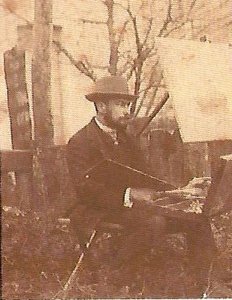
Le Sidaner
1862 - 1939 , Mauritius
Rövid információk
- Artistic Movement Or Style: Intimista, impresszionista
- Artists Or Movements Influenced By This Artist: ['Seurat']
- Artists Who Influenced This Artist:
- Édouard Manet
- Monet
- Pointillisták
- Date Of Birth: 1862. augusztus 7.
- Date Of Death: 1939. július 14.
- Full Name: Henri Eugène Augustin Le Sidaner
- Nationality: Franciaország
- Notable Artworks:
- A Rue de l'Eglise
- A Beauvais Square
- Place Of Birth: Port Louis, Mauritius
Kapcsolódó cikkek

John Constable 25 Mesterműve: A Természet Lényege Vászonon – OriginalUniqueArt.com
Fedezze fel John Constable 25 legszebb művészeti alkotását! Ismerje meg a romantika ikonikus tájképeit, Dedham Vale szépségét és a természet lenyűgöző ábrázolásait. Vászonkép reprodukcióinkkal eleganciát csempészhet otthonába – OriginalUniqueArt.com
Henri Le Sidaner: Evoking Atmosphere & Intimacy in Post-Impressionist Landscapes
Discover the evocative world of Henri Le Sidaner, a master of Intimist painting. Explore his tranquil landscapes & atmospheric interiors – a celebration of light and intimacy. Learn about his life, style, and lasting legacy.
Cultivating Paradise: A Historical & Artistic Exploration of Gardens in Painting
Explore the rich history of gardens in painting! Discover masterpieces from Renaissance to Impressionism & beyond. Learn about symbolism, artists like Monet & Klimt, and find your perfect artwork at OriginalUniqueArt.

Paul Cézanne 25 Mesterműve: A Modern Művészet Úttörői | OriginalUniqueArt
Fedezze fel Paul Cézanne 25 legikonikusabb művét! Ismerje meg a posztimpresszionizmus úttörőjének festményeit, technikáját és inspirációit. Vászonképek, portrék, tájképfestmények – minden otthonba. Böngéssze gyűjteményünket a OriginalUniqueArt-on!

Evocations of Place: A Historical Journey Through Landscape Art
Explore the rich history of landscape art with OriginalUniqueArt. Discover renowned artists, movements like Impressionism & Romanticism, and expert guidance for collecting timeless pieces. Find your perfect serene escape today!